






Understanding and recognizing patterns is a foundational concept crucial for children aged 6-9, as it directly impacts their cognitive and academic development. For parents and teachers, prioritizing this skill can provide numerous benefits that enhance a child’s learning journey.
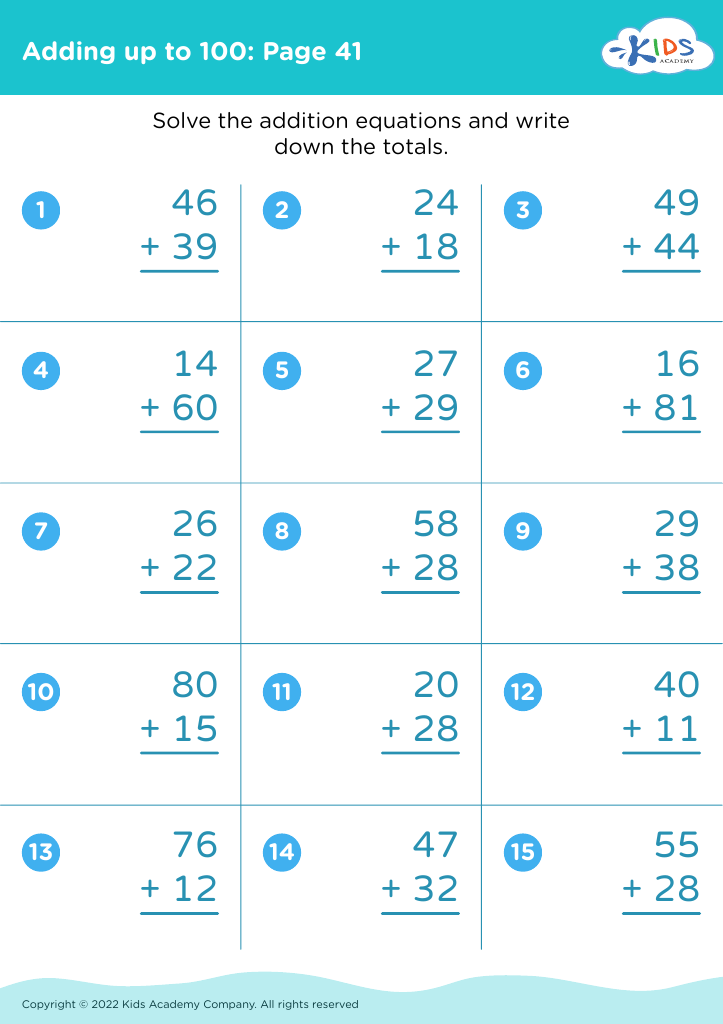
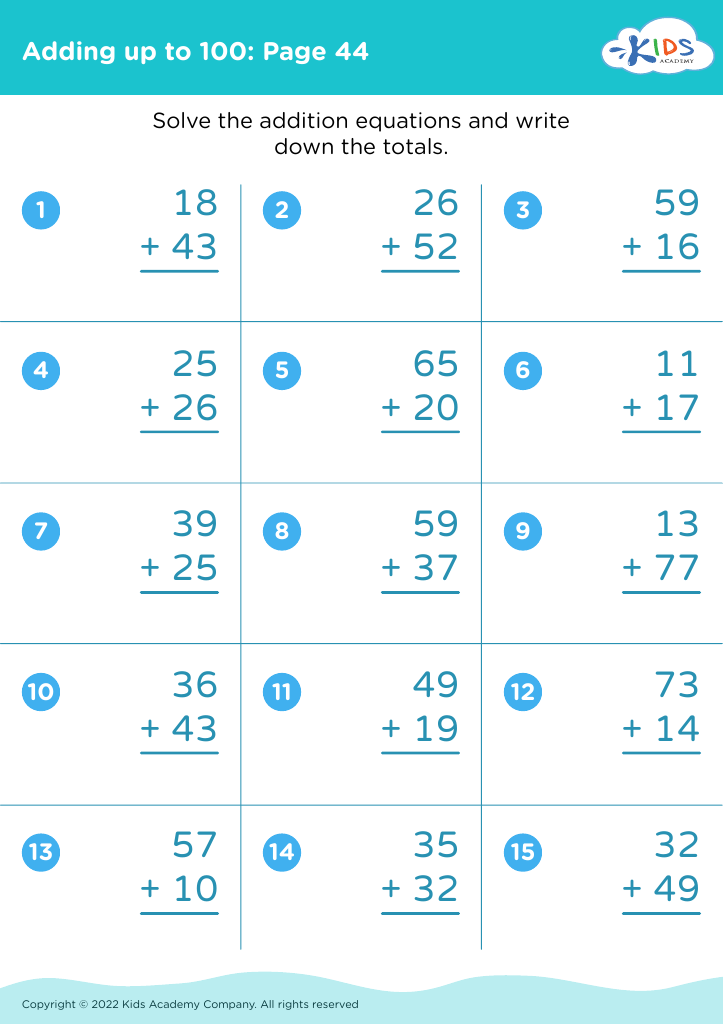
Firstly, recognizing patterns helps in the development of critical thinking and problem-solving skills. When children identify and predict sequences, they practice logical thinking and reasoning. This is essential for subjects like math, where recognizing numerical patterns can facilitate the understanding of operations, multiplication tables, and sequences.
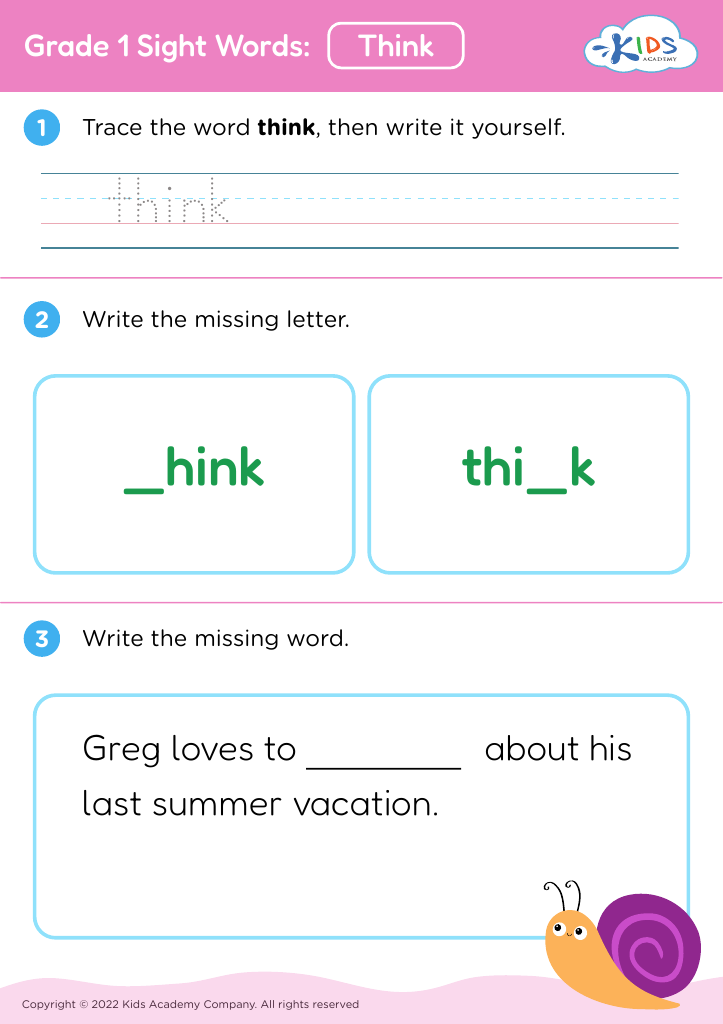
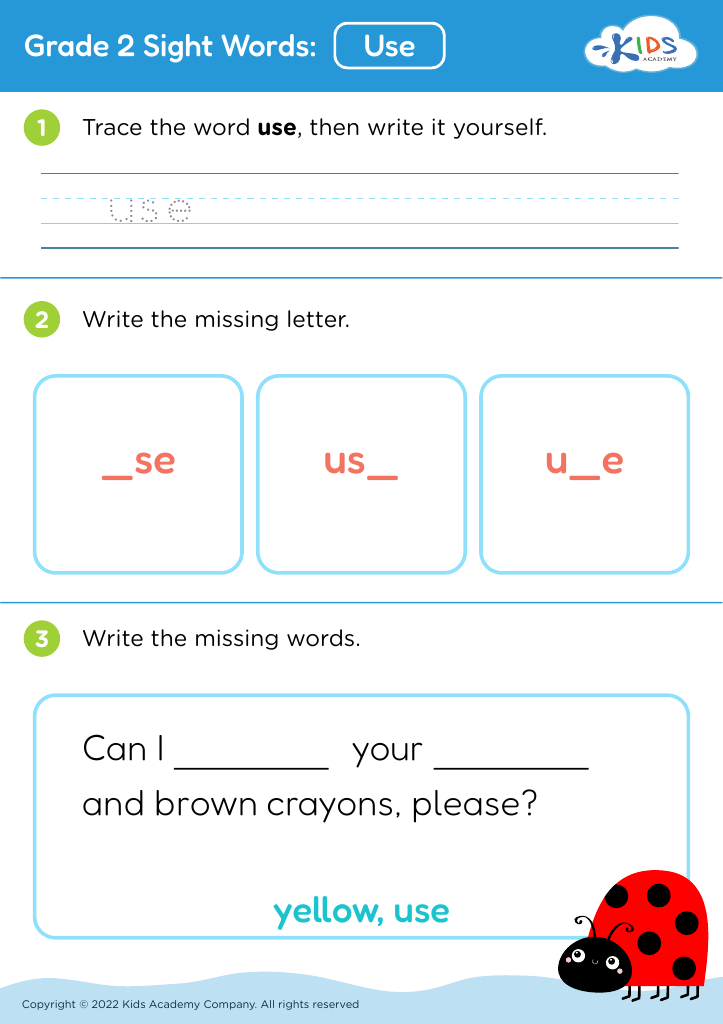
Secondly, pattern recognition supports language development and reading comprehension. Identifying patterns in sounds and word structures can aid in phonetic skills, making it easier for children to decode words, improve their fluency, and expand their vocabulary.
Furthermore, recognizing patterns fosters creativity and fine motor skills in activities like drawing, music, and physical education. Engaging with rhythmic patterns in music or repeating designs in art helps children express themselves and fine-tune their motor abilities.
Socially, understanding patterns in human behavior enhances empathy and cooperation. By recognizing patterns in social interactions and routines, children can better predict and navigate day-to-day experiences, leading to improved social dynamics.
Incorporating pattern recognition in early education builds a strong base for lifelong learning, making it a vital focus for parents and educators dedicated to holistic child development.








