Sorting and categorizing Worksheets for Ages 6-9
3 filtered results
-
From - To
Discover our engaging Sorting and Categorizing Worksheets designed specifically for children ages 6-9. These interactive resources help young learners enhance their critical thinking and organizational skills through fun activities. Featuring colorful visuals and relatable themes, our worksheets invite kids to group items, identify similarities, and understand relationships among different objects. By practicing sorting and categorizing, students build a foundation for essential cognitive skills that support math, science, and language development. Perfect for classrooms and homeschool settings, these worksheets provide endless opportunities for children to explore, play, and learn. Spark curiosity and foster a love for learning today!
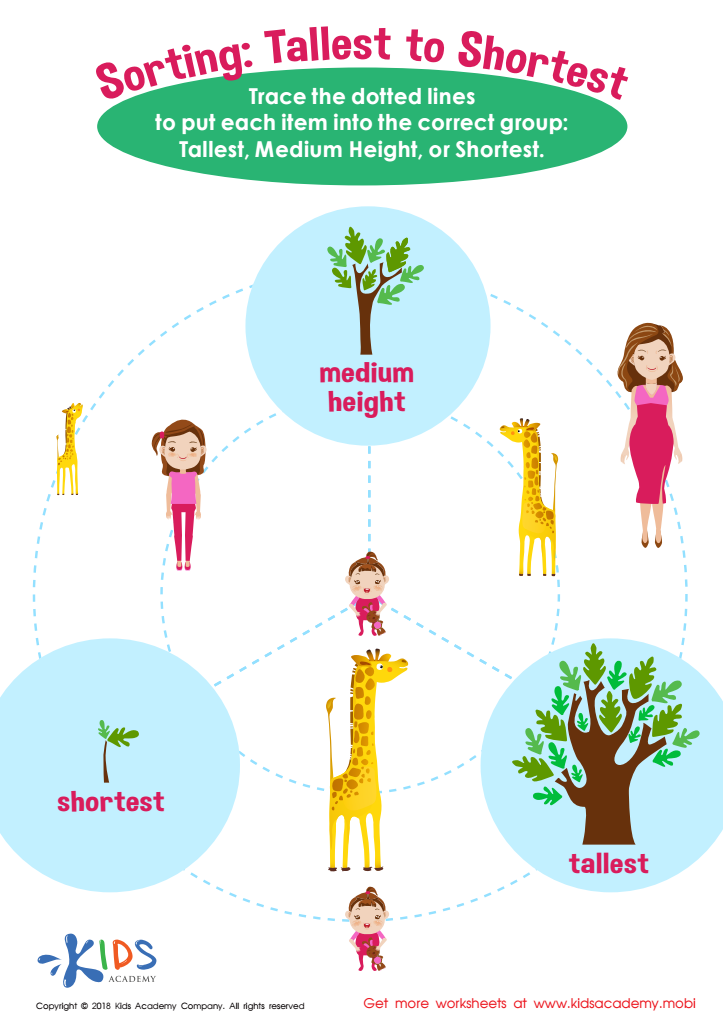
Sorting: Tallest to Shortest Worksheet
 Assign to My Students



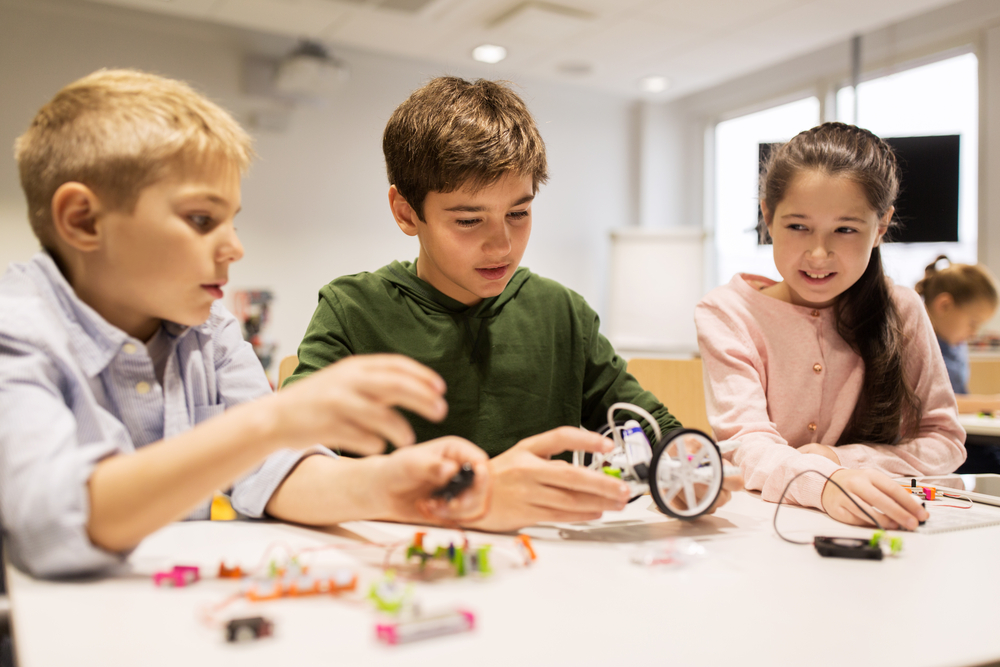



Sorting and categorizing are fundamental skills that significantly contribute to a child's cognitive development, especially between the ages of 6 and 9. At this stage, children are gaining a deeper understanding of the world around them, and organizing information becomes essential for their learning processes. When parents and teachers encourage sorting activities, they help children develop critical thinking, problem-solving, and analytical skills.
Sorting and categorizing provide opportunities for children to identify similarities and differences, fostering logical reasoning. For instance, when children sort objects by color, shape, or size, they enhance their ability to classify and systematize information, which is crucial for subjects such as math and science. These activities also promote language development, as children learn to verbalize their reasoning and describe their sorting criteria.
Moreover, engaging in these activities encourages creativity and can improve fine motor skills. It creates a more personalized learning experience as children explore their interests and preferences while learning to assess and categorize information. Ultimately, parents and teachers should recognize that sorting and categorizing are not merely playful activities; they are foundational learning experiences crucial for a child's intellectual growth and academic success.








