Spatial awareness Worksheets for Ages 6-9 - Page 2
47 filtered results
-
From - To
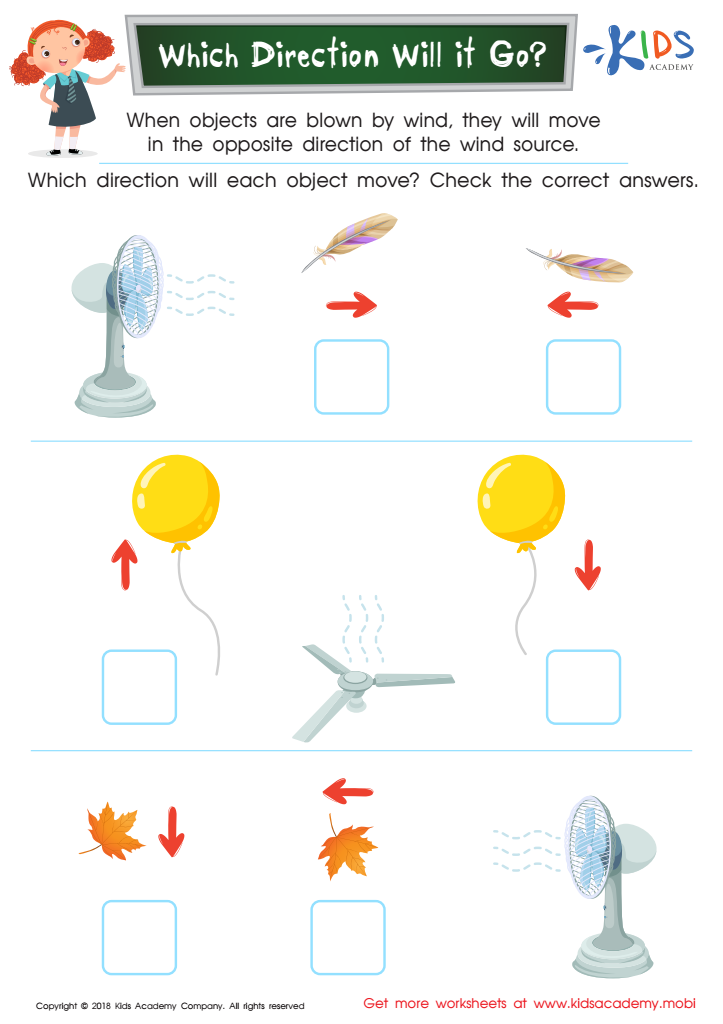
Which Direction Will it Go? Worksheet
 Assign to My Students
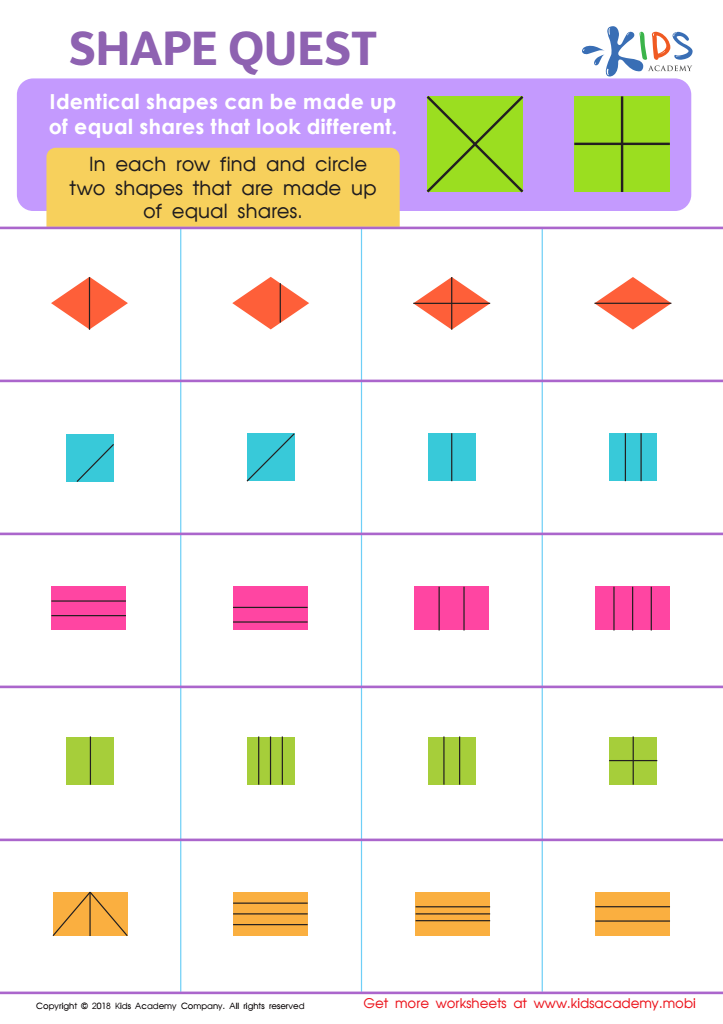
Shape Quest Worksheet
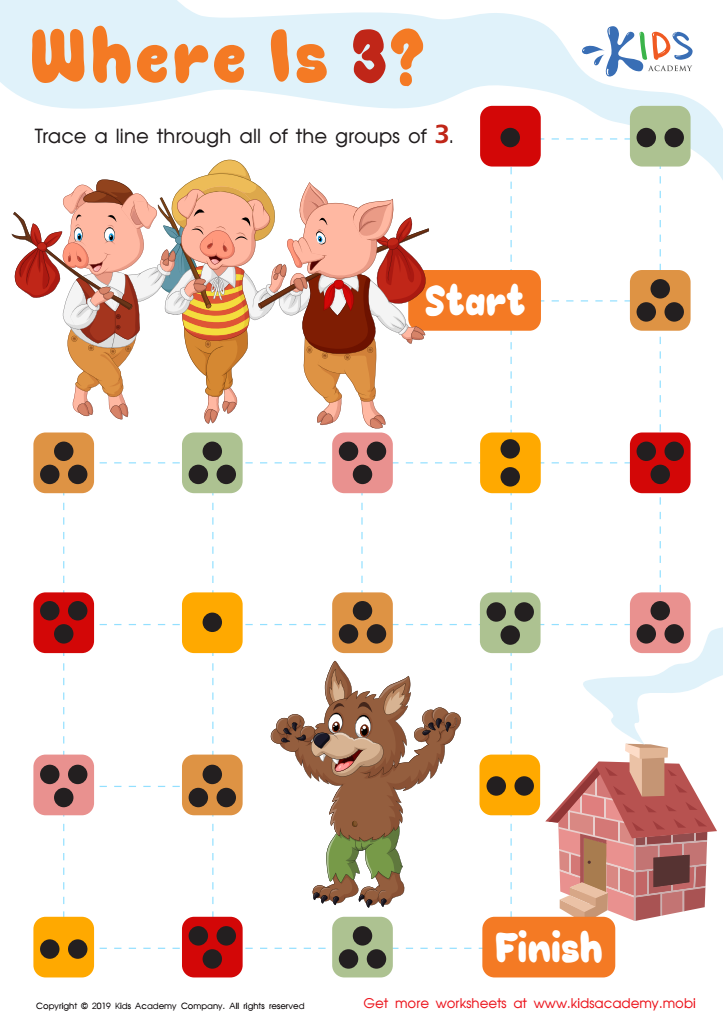
Where Is 3? Worksheet
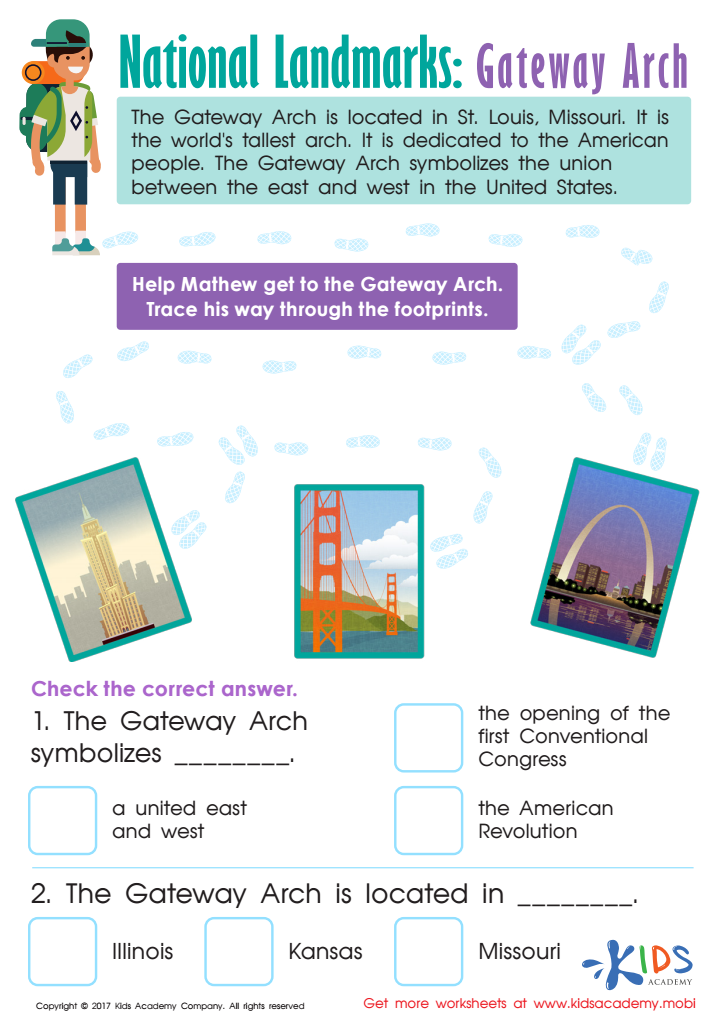
Gateway Arch Printable Worksheet
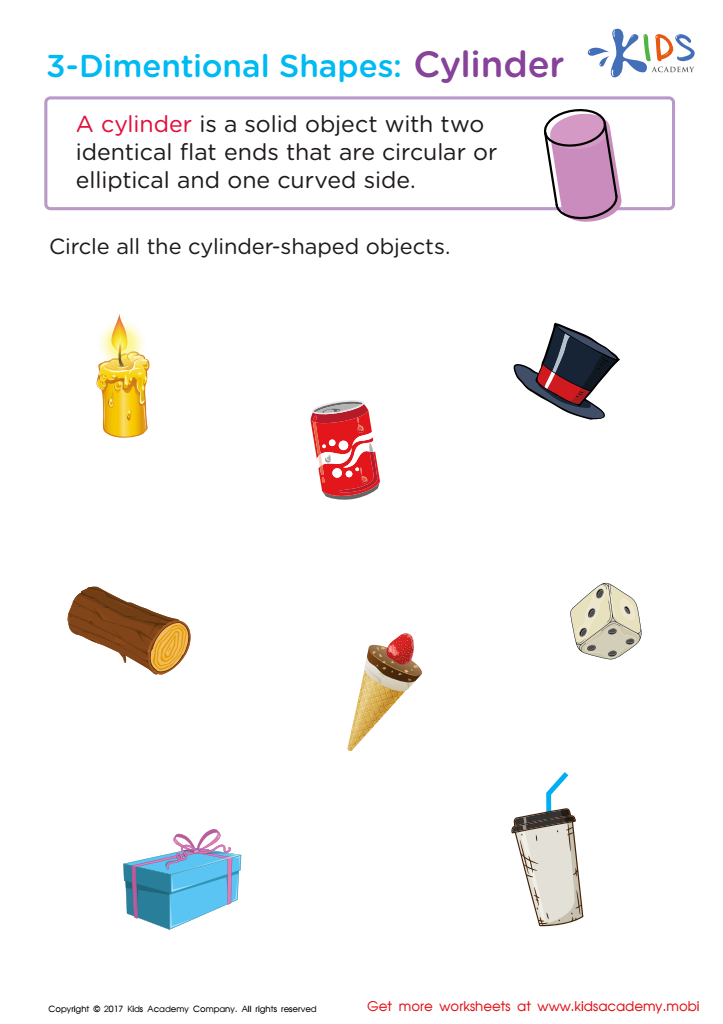
Three–Dimensional Shapes: Cylinder Worksheet
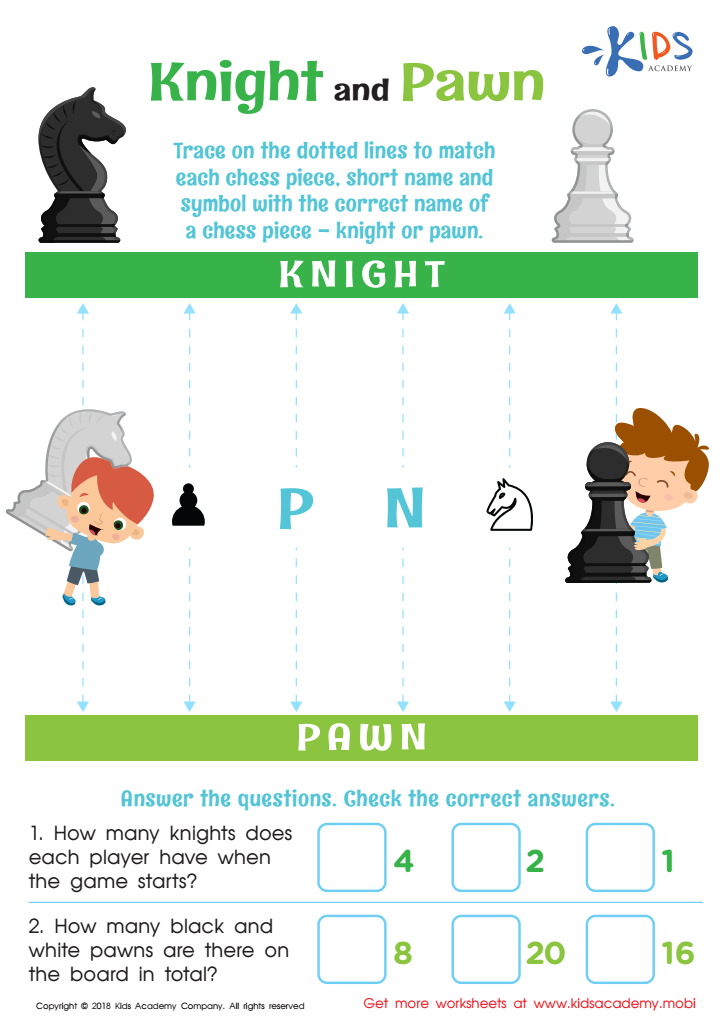
Knight and Pawn Worksheet
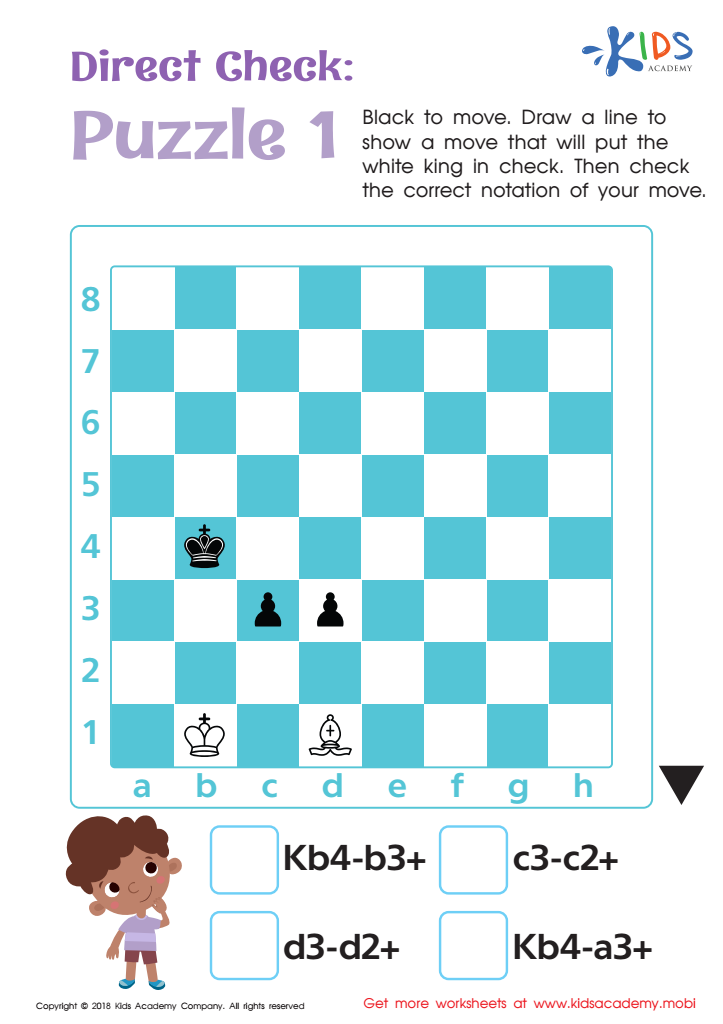
Direct Check: Puzzle 1 Worksheet
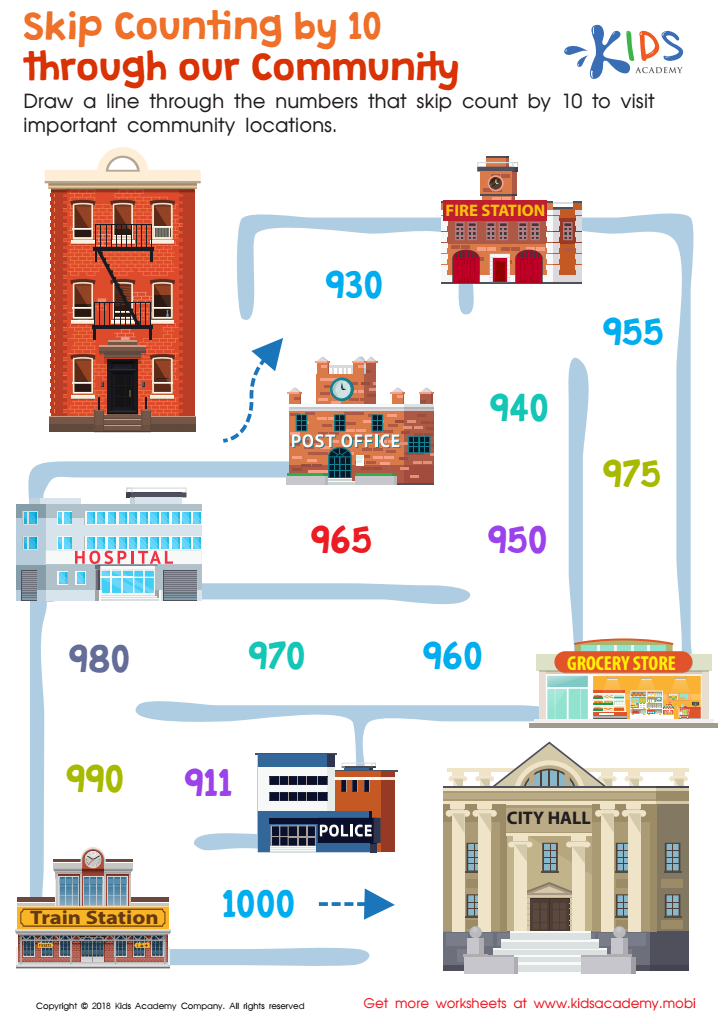
Skip Counting by 10 Through Our Community Worksheet
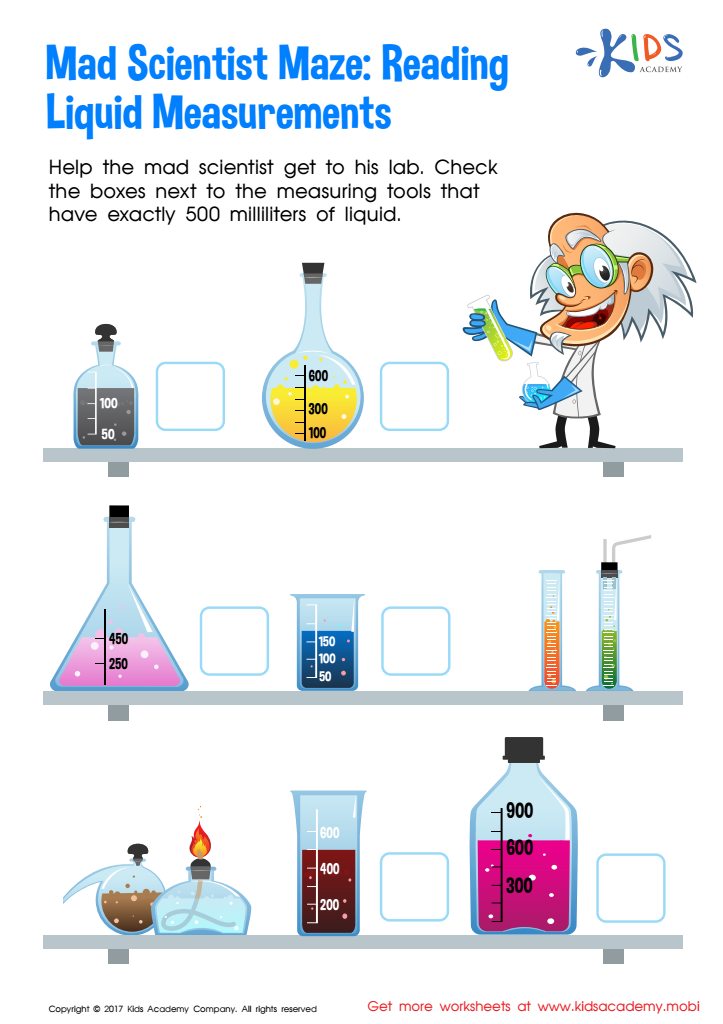
Reading Liquid Measurement Worksheet
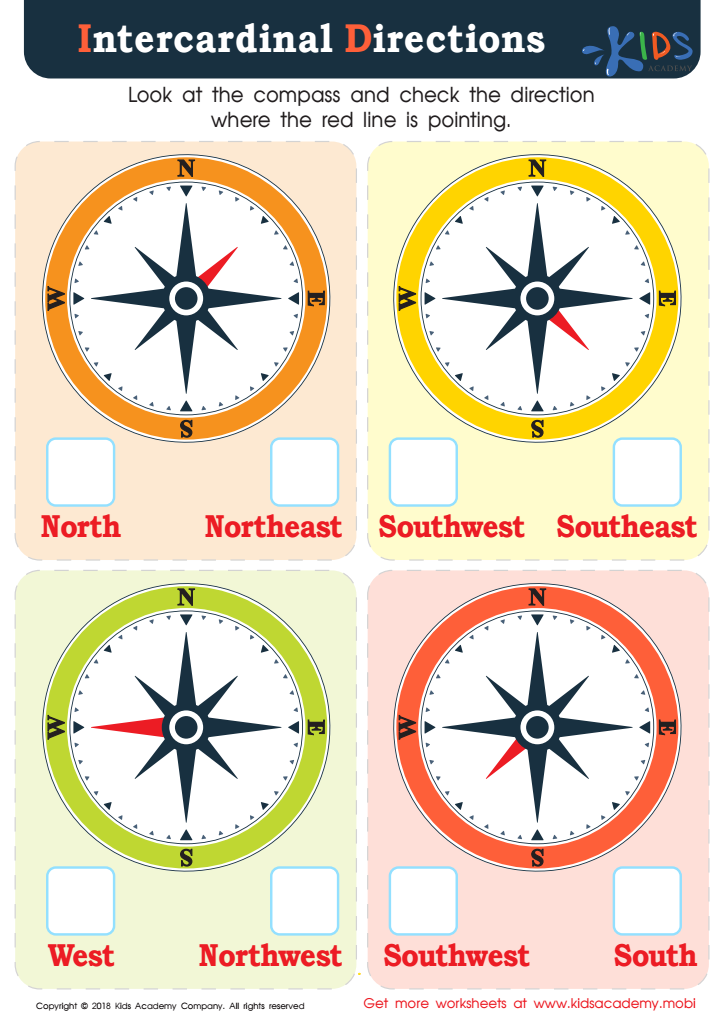
Intercardinal Directions Worksheet
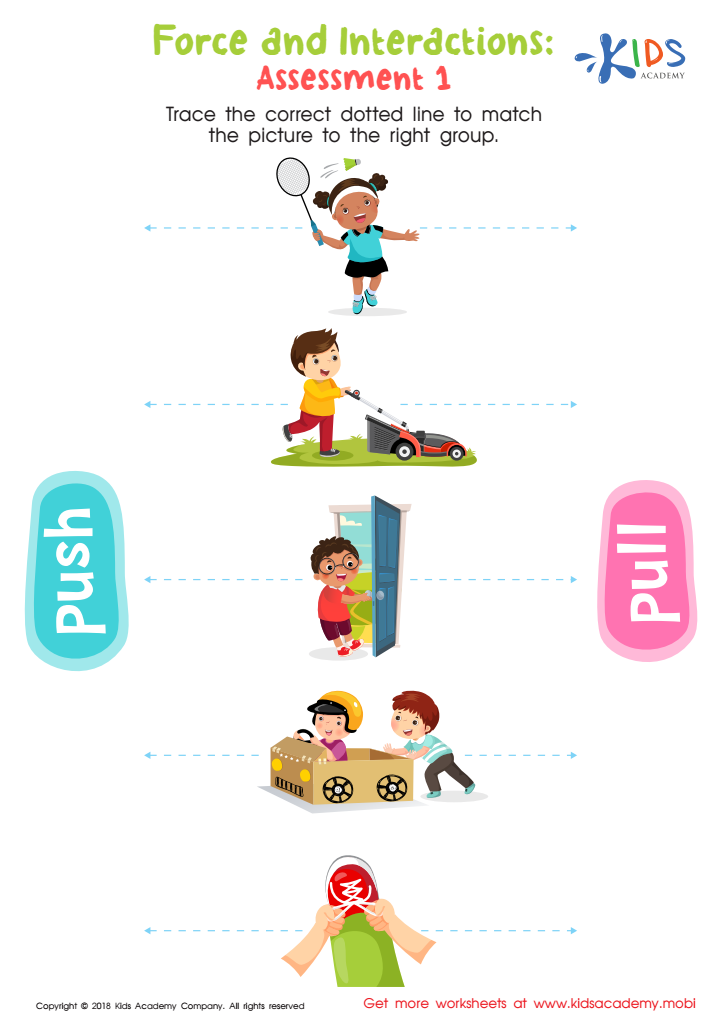
Force and Interactions: Assessment 2 Worksheet
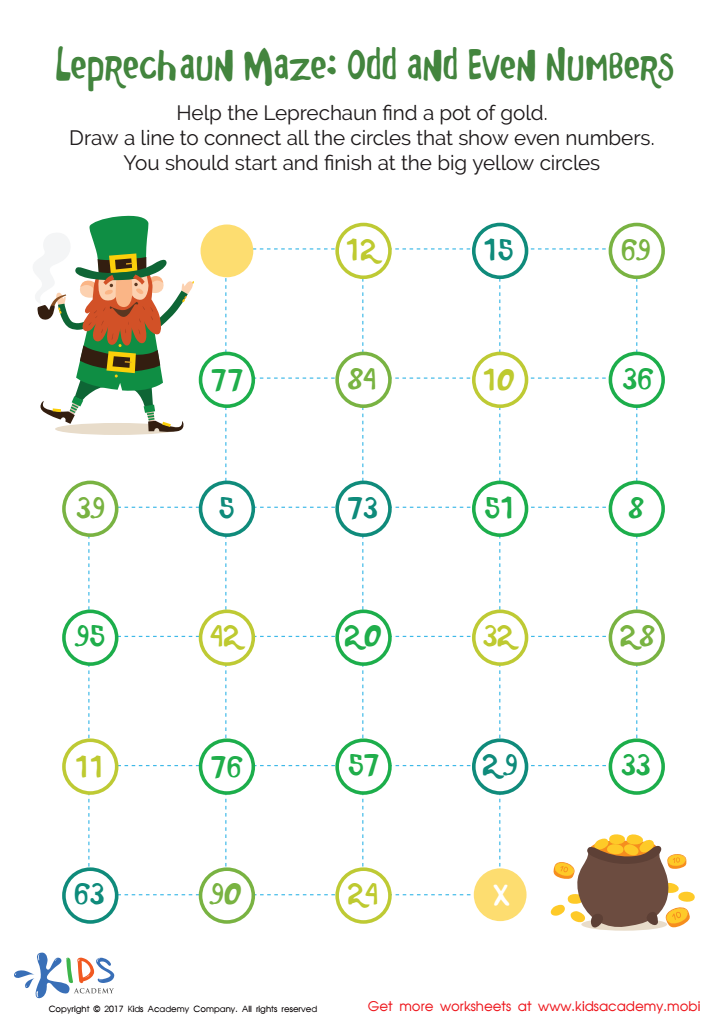
Leprechaun Maze Printable
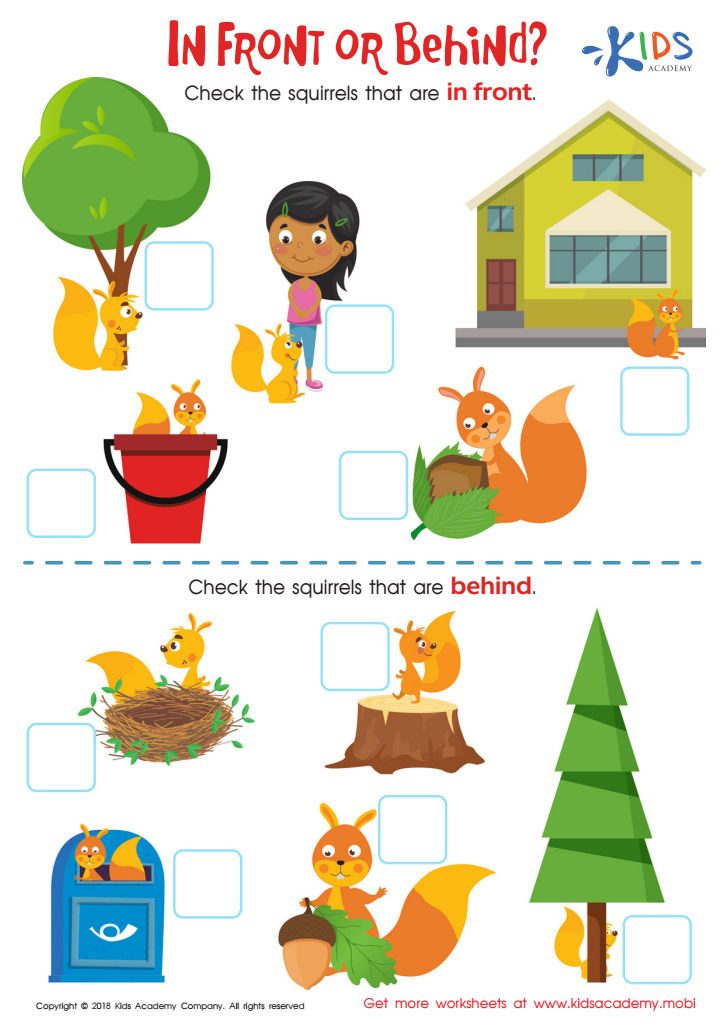
In Front or Behind: Part 2 Worksheet
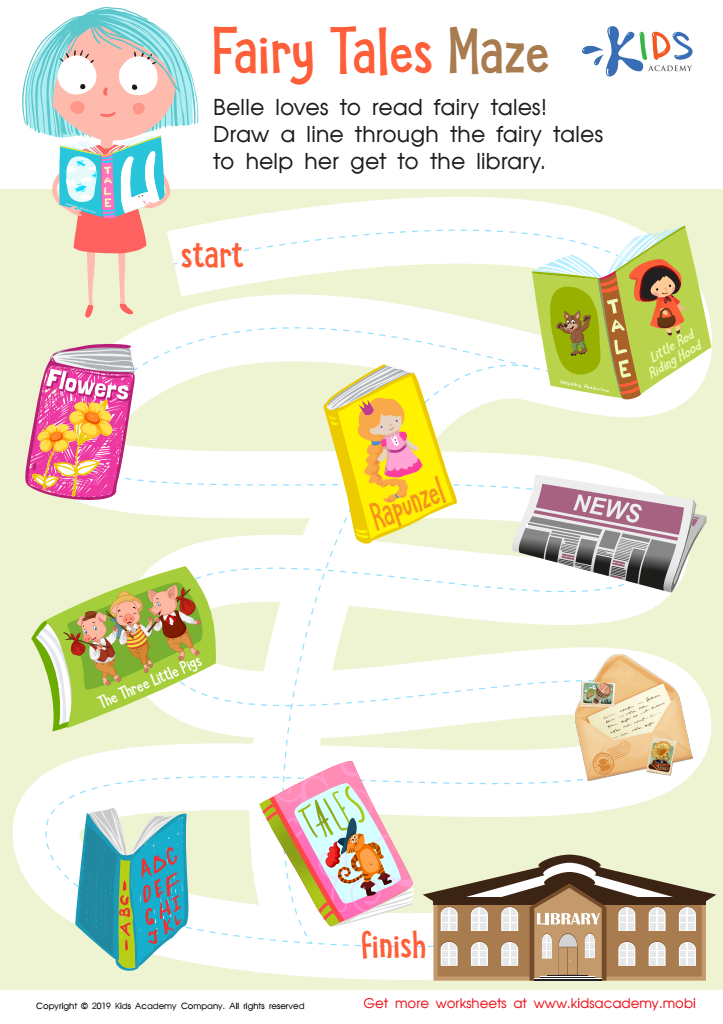
Fairy Tales Maze Worksheet
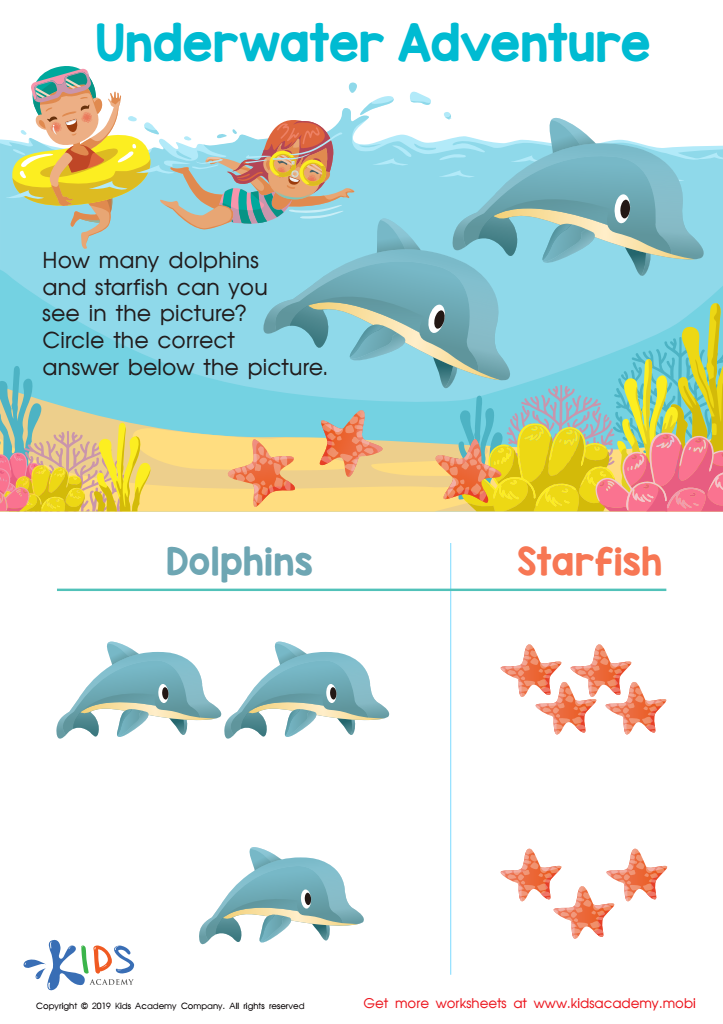
Underwater Adventure Worksheet
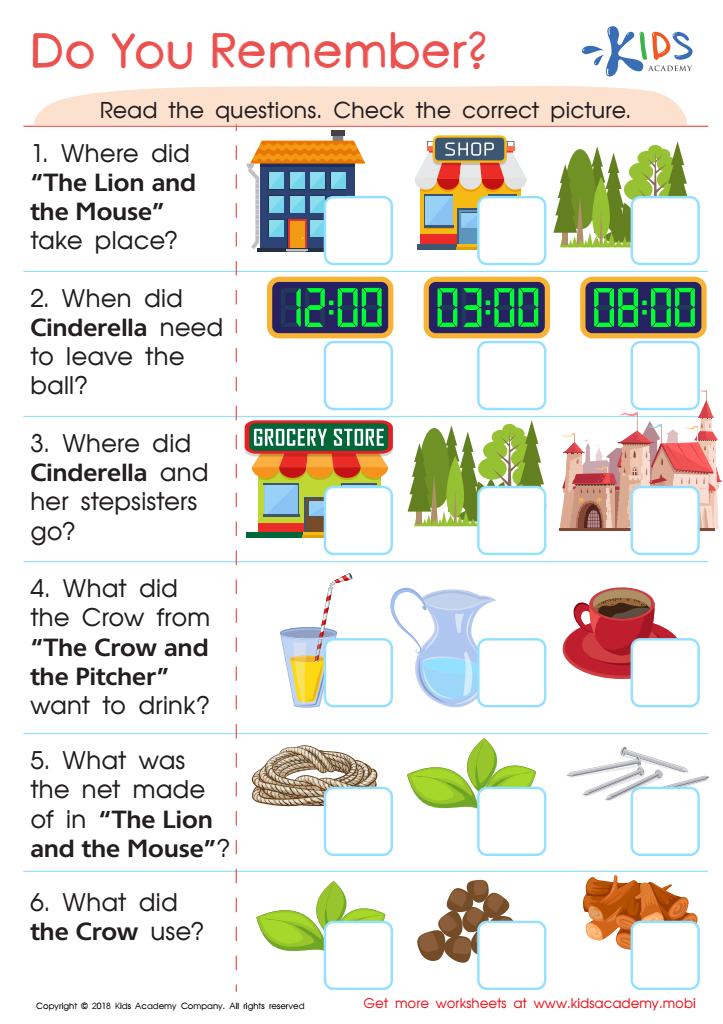
Do You Remember? Worksheet
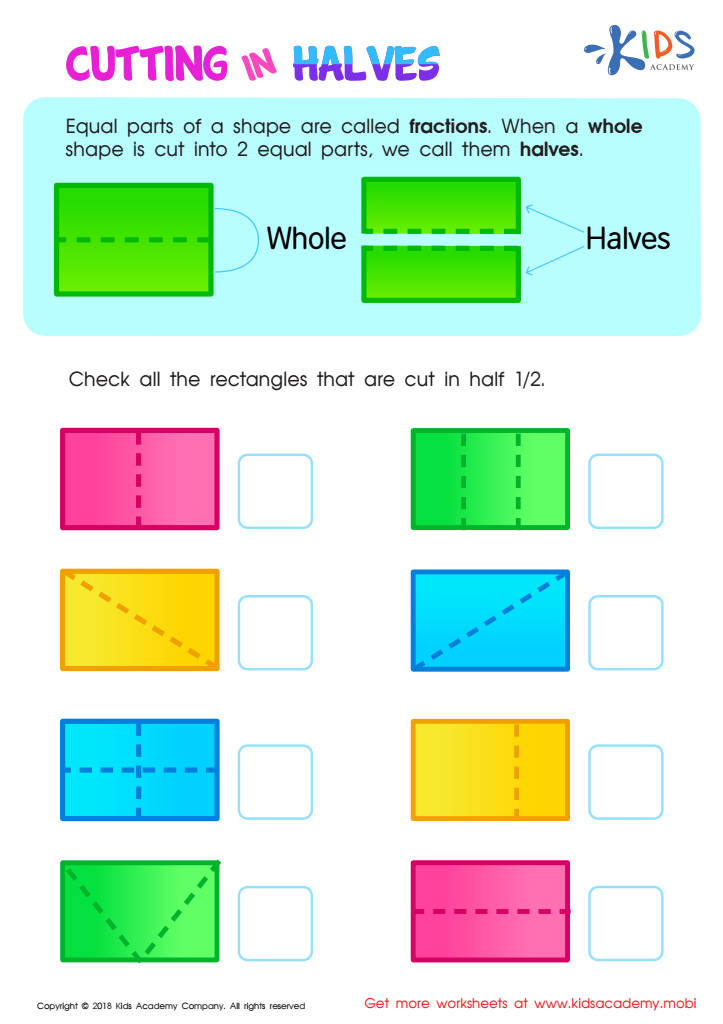
Cutting in Halves Worksheet
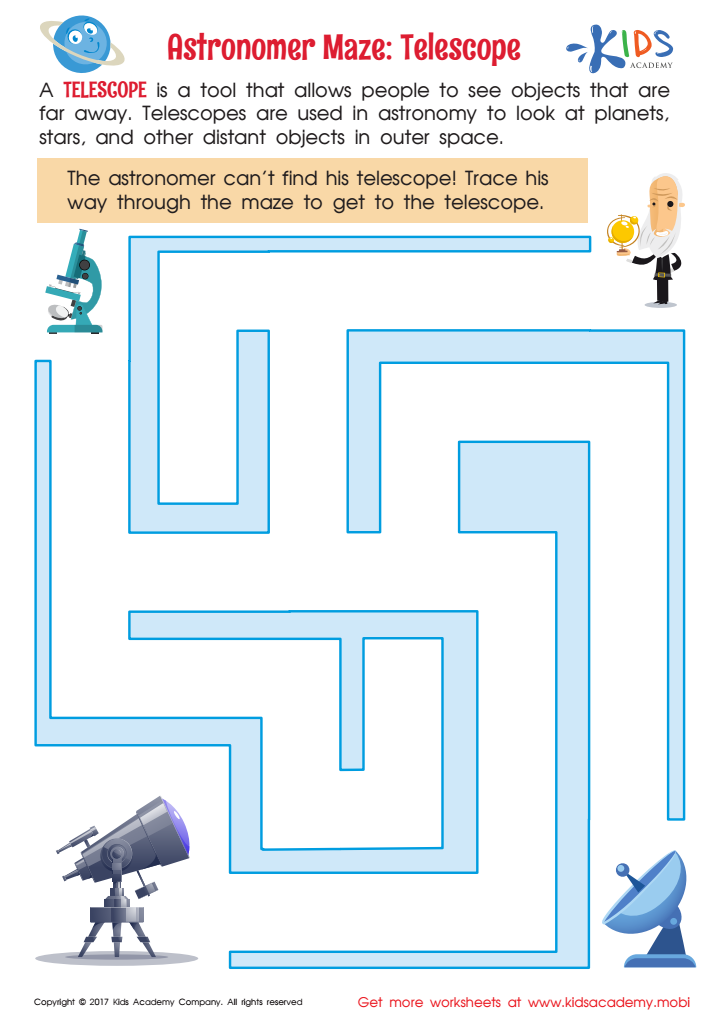
Astronomer Maze: Telescope Worksheet
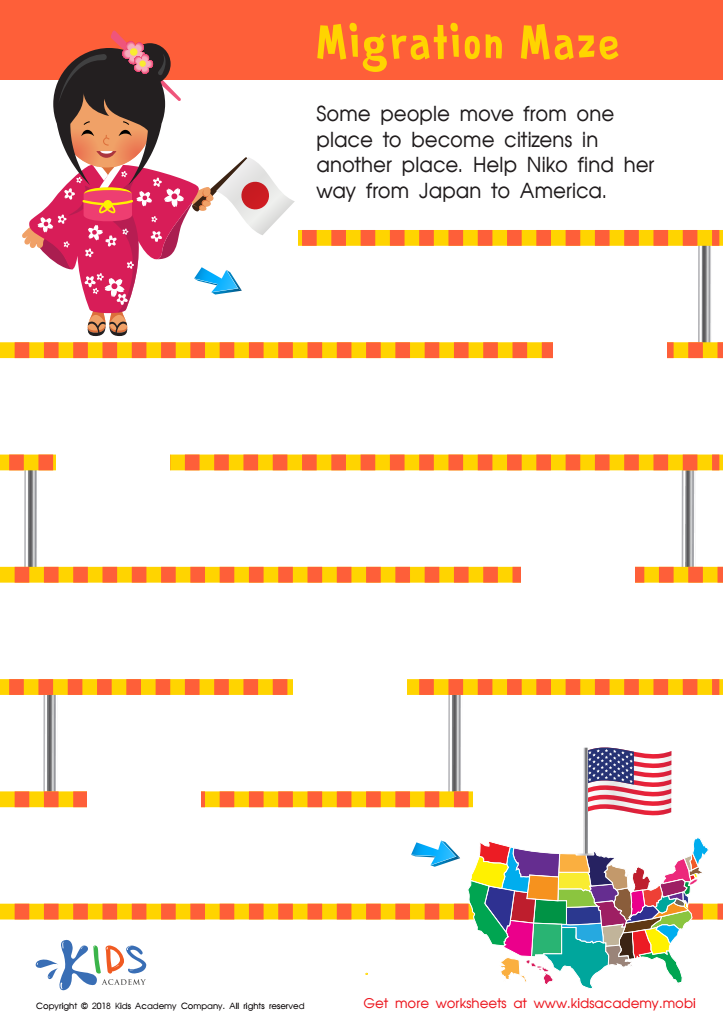
Migration Maze Worksheet
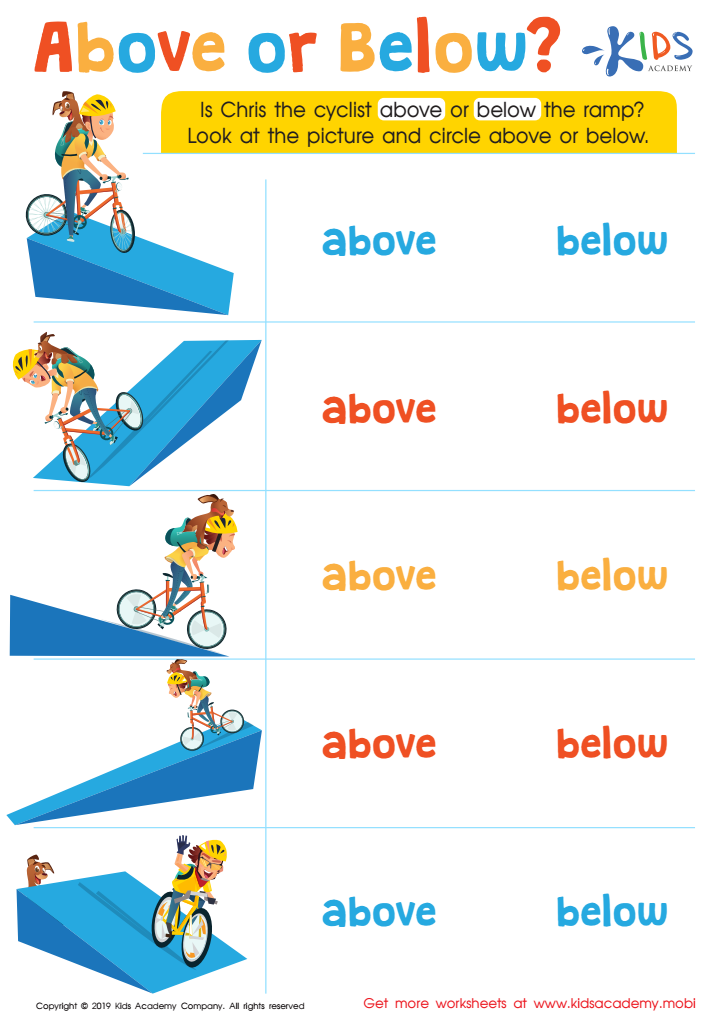
Above or Below? Worksheet





.jpg)


Spatial awareness is a crucial developmental aspect for children ages 6 to 9, and both parents and teachers should take this seriously. At this stage, children are learning to navigate their physical world, both in and out of the classroom. Developing spatial awareness enhances their ability to understand directions, visualize objects in different perspectives, and comprehend geometric concepts. This aptitude lays the foundation for critical skills in math, science, and even reading.
Engaging in activities that boost spatial awareness, such as building with blocks, playing strategy games, or participating in sports, not only fosters physical coordination but also promotes problem-solving and creativity. As children improve these skills, they'll gain confidence, which can lead to better academic performance and improved social interactions.
Moreover, strong spatial awareness can benefit children in their future education and career choices. Many fields, such as engineering, architecture, and design, require a robust understanding of spatial relationships. Thus, parents and teachers have a vital role in supporting activities that enhance this skill set during these formative years, ultimately contributing to well-rounded development and enhanced cognitive abilities for the children they nurture and teach.








