Understanding mass Worksheets for Ages 6-9
3 filtered results
-
From - To
Explore our "Understanding Mass Worksheets for Ages 6-9" to help your child master the concept of mass through engaging activities. Designed specifically for young learners, these printable worksheets offer fun, educational exercises that introduce children to basic principles of weight and measurement. Each worksheet provides hands-on practice, featuring colorful images and interactive tasks that make learning enjoyable. Perfect for both homes and classrooms, our worksheets ensure kids develop a solid foundation in measurement skills. Enhance your child's learning experience today with these practical, easy-to-use resources from Kids Academy!
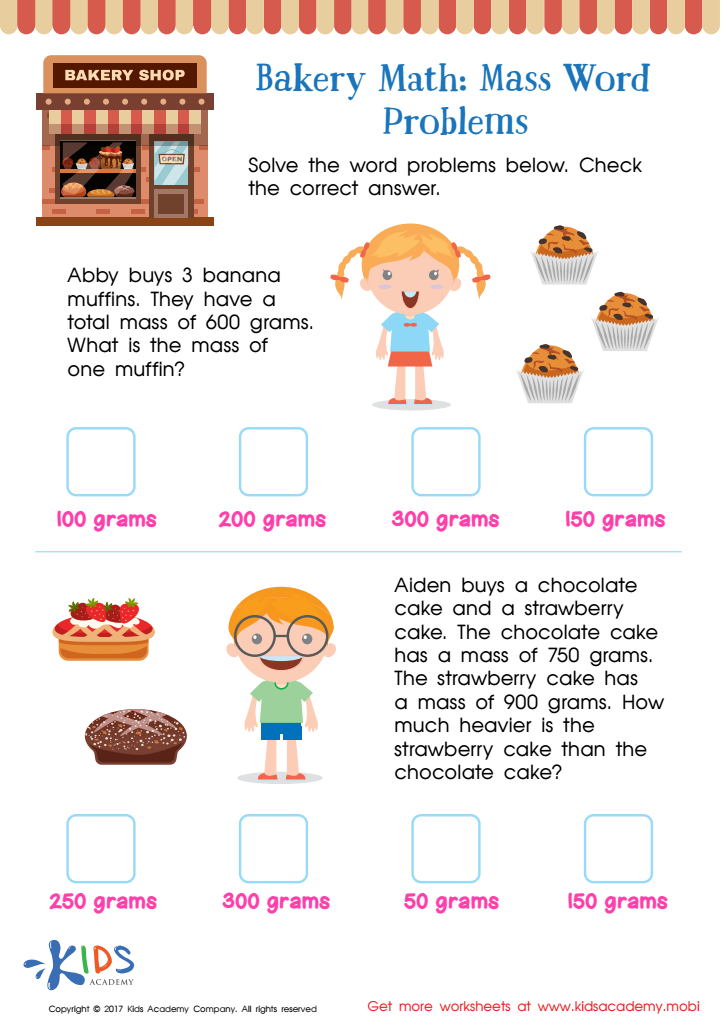
Mass Word Problems Worksheet
 Assign to My Students
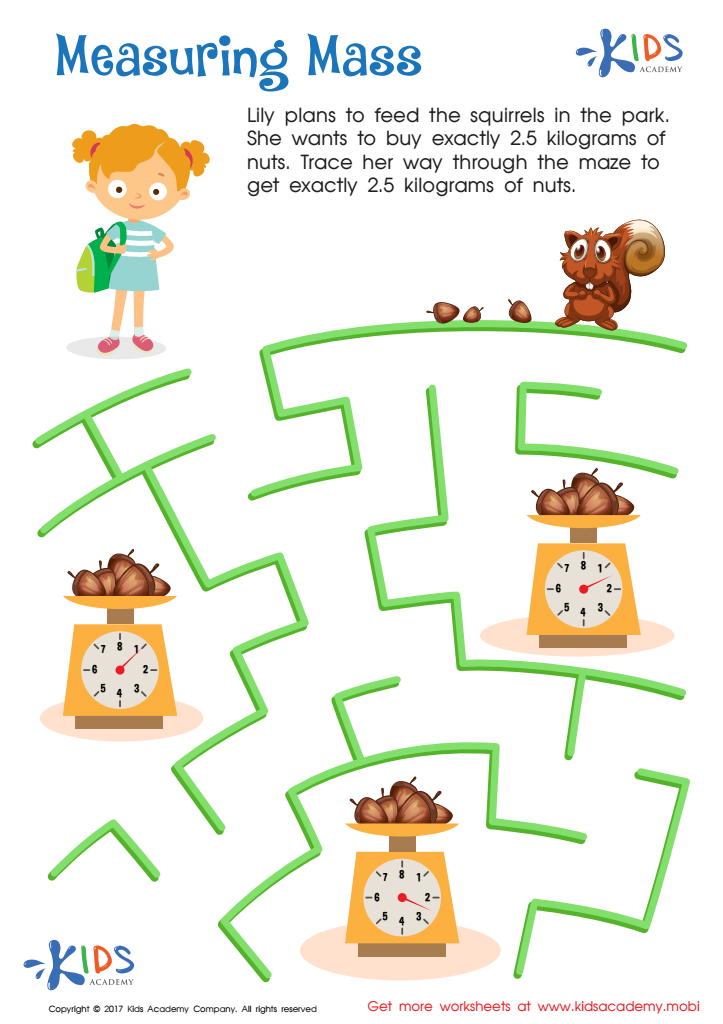
Measuring Mass Worksheet
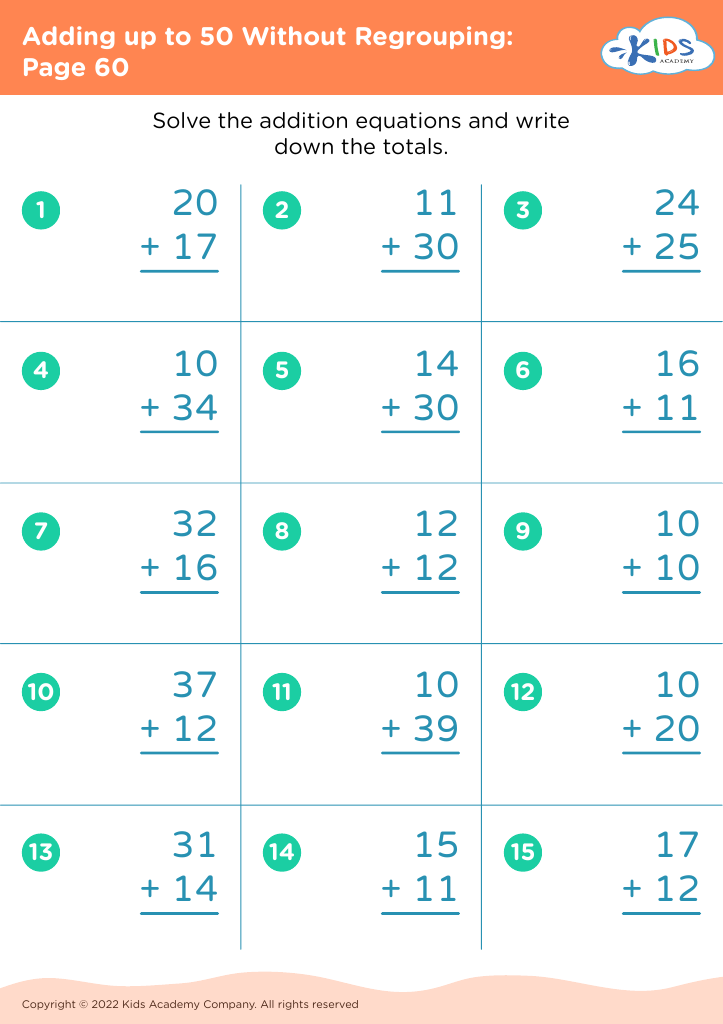








Understanding mass is fundamental for children ages 6-9 because it lays the groundwork for both academic success and real-world problem solving. Mass is a basic concept in science and math; comprehending it helps students engage meaningfully with these subjects as they advance in school. For instance, understanding mass supports learning in topics like measuring objects, comparing weights, and conducting simple experiments, fostering a logical thought process and enhancing cognitive development.
In practical terms, grasping the concept of mass helps children navigate daily life. It assists them in understanding how things balance and function, such as packing a bag without overwhelming themselves or working collaboratively on activities requiring physical coordination.
Additionally, mastering early math and science skills builds confidence. Successfully understanding, comparing, and measuring mass allows children to feel competent and motivated to face more complex challenges later. Parental and teacher involvement in reinforcing these concepts through interactive activities—such as weighing everyday items or interactive science projects—can make learning enjoyable and relevant.
Moreover, the emphasis on understanding mass encourages curiosity and observational skills, leading to greater inquisitiveness about the world. This holistic development helps children become well-equipped, informed, and critical thinkers, positioning them for future academic and personal successes.








