
Alphabet Recognition Addition & Subtraction Worksheets for Ages 6-9
4 filtered results
Difficulty Level
Grade
Age
-
From - To
Subject
Activity
Standards
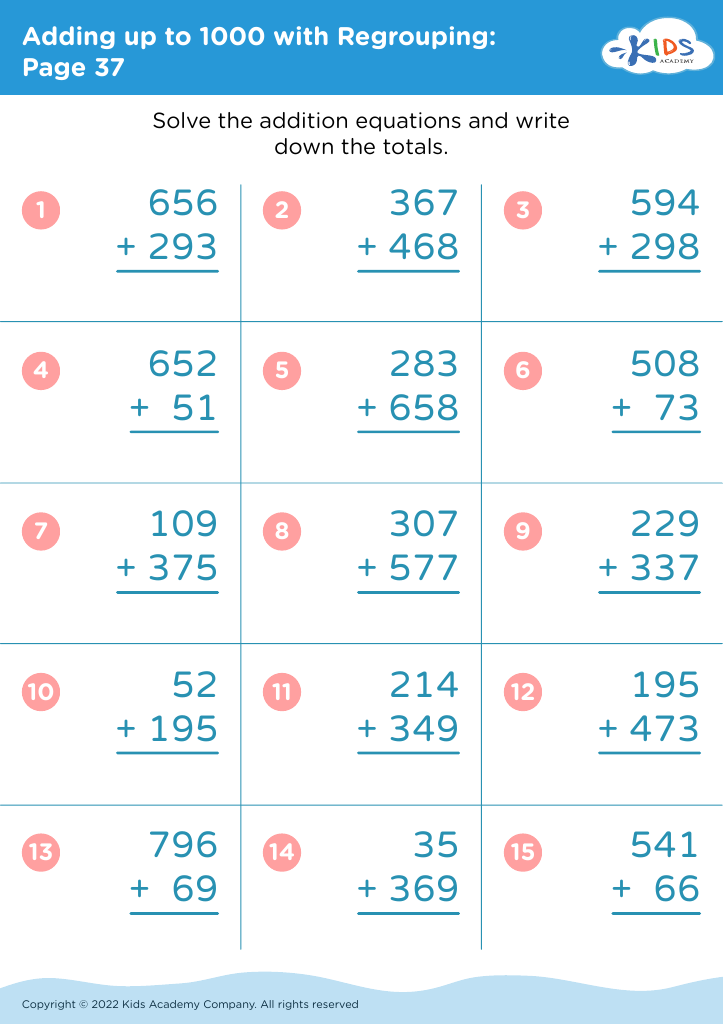
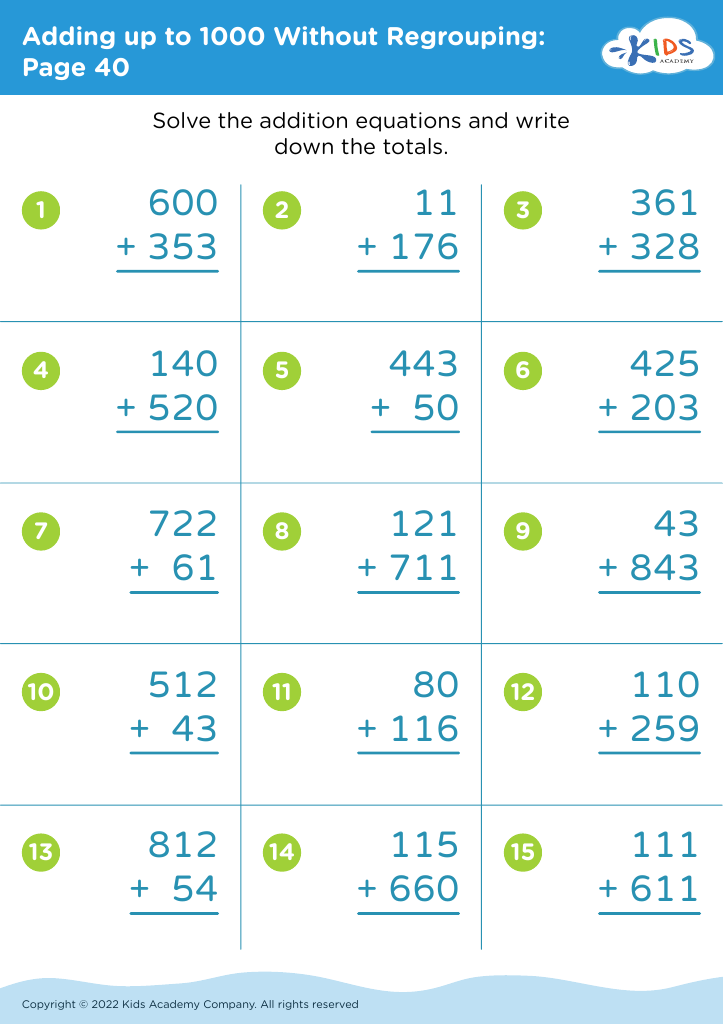
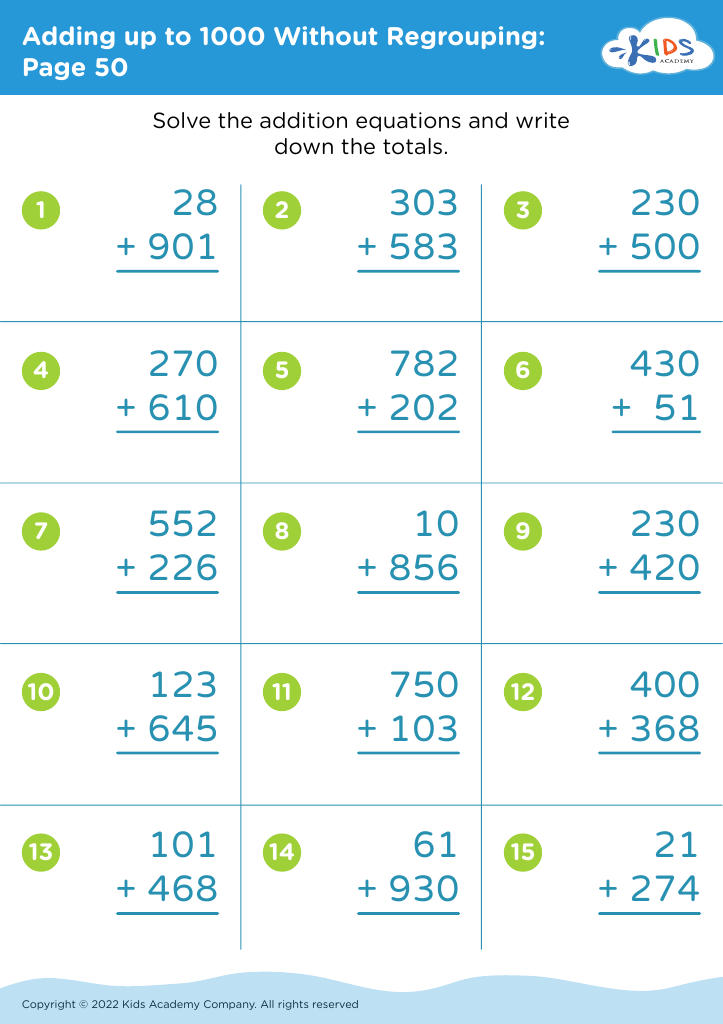
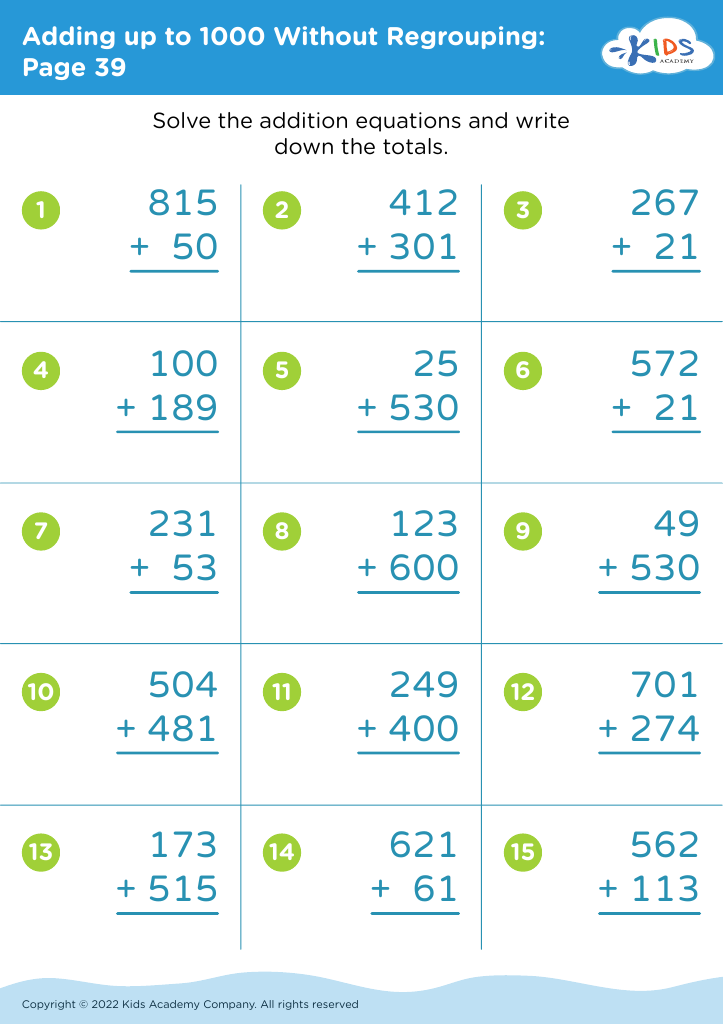
Unlock the fun of learning with our "Alphabet Recognition Addition & Subtraction Worksheets" designed specifically for kids aged 6-9! These engaging worksheets seamlessly blend foundational math skills with essential alphabet recognition, making learning both enjoyable and effective. Kids will enhance their addition and subtraction abilities while also familiarizing themselves with letters and sounds. With colorful illustrations and creative problem-solving exercises, these worksheets foster a love for learning in a playful way. Ideal for the classroom or home use, they encourage independent practice, helping young learners build confidence and mastery in both math and literacy. Explore our diverse collection today!
Favorites
With answer key
Interactive
Join Kids Academy for Free
Who is primarily going to use this learning content?








Alphabet recognition, along with addition and subtraction skills, forms a crucial foundation for children aged 6 to 9. At this developmental stage, children are beginning to solidify their literacy and numeracy skills, both of which are vital for academic success.
Understanding the alphabet enables children to decode written language, fostering reading skills. This is crucial for developing comprehension, vocabulary, and overall communication abilities, which transcend academic subjects. Proficient readers build confidence, leading to greater engagement in learning.
Simultaneously, mastering fundamental addition and subtraction supports cognitive development. These basic math skills introduce children to problem-solving and critical thinking, equipping them for more complex mathematical concepts later. Strong numerical skills lead to improved performance in math-related subjects, thereby enhancing overall academic achievements.
For parents and teachers, recognizing the importance of these foundational skills is imperative. It allows them to create targeted learning experiences and interventions, ensuring that children who struggle receive support. Investing time in alphabet recognition as well as addition and subtraction lays the groundwork for lifelong learning, social interaction, and future opportunities. Ultimately, fostering these skills in young learners paves the way for their overall development and success in school and beyond.








