
Color recognition Addition & Subtraction Worksheets for Ages 6-9
11 filtered results
Difficulty Level
Grade
Age
-
From - To
Subject
Activity
Standards
Discover our engaging Color Recognition Addition & Subtraction Worksheets, designed specifically for ages 6-9! These interactive worksheets make learning math fun by combining essential arithmetic skills with vibrant color recognition exercises. As children tackle addition and subtraction problems, they’ll also enhance their understanding of colors, promoting cognitive development alongside mathematical fluency. Our user-friendly format requires minimal preparation, making it perfect for both classroom instruction and home practice. Foster a love for learning in your young mathematicians today while building their confidence and essential skills! Visit our site to explore a range of worksheets and empower your child's educational journey!
Favorites
With answer key
Interactive
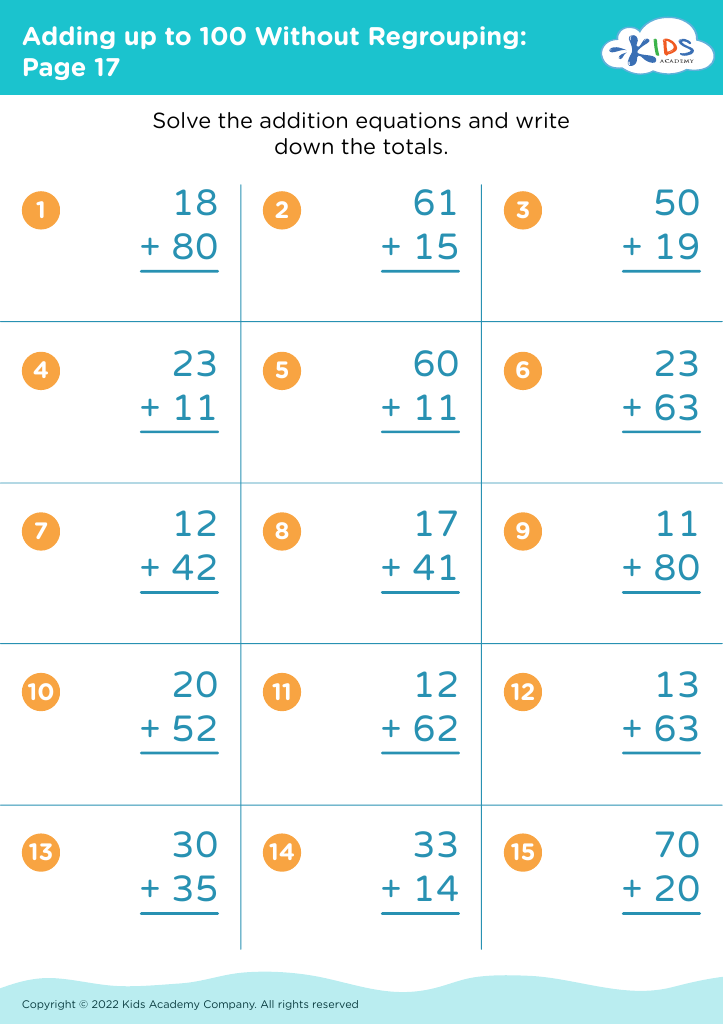
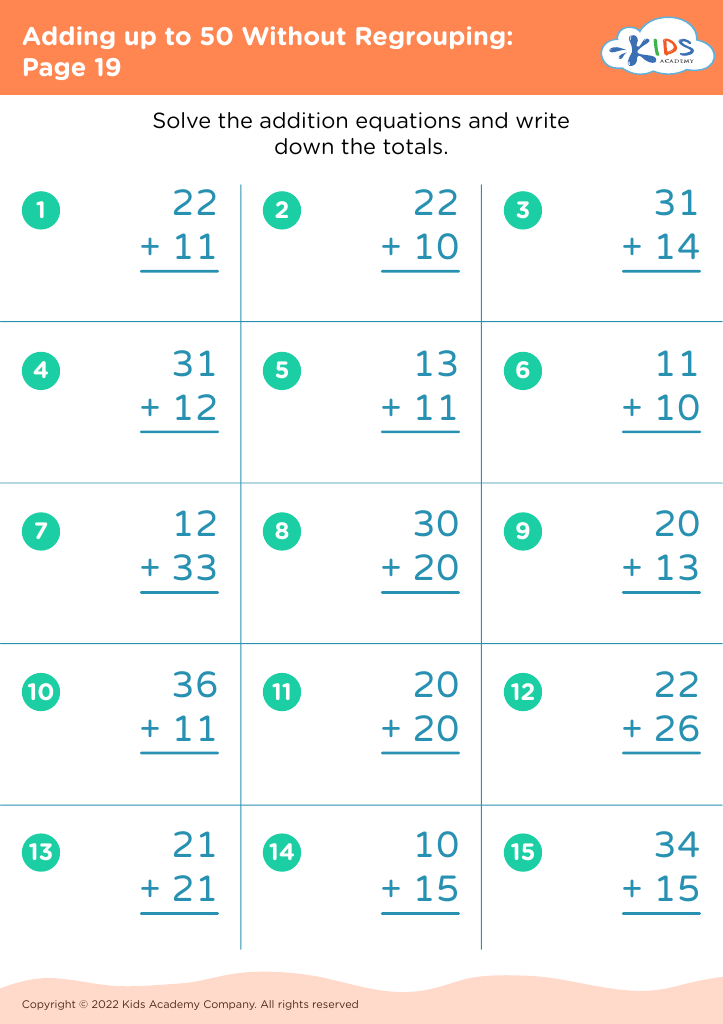
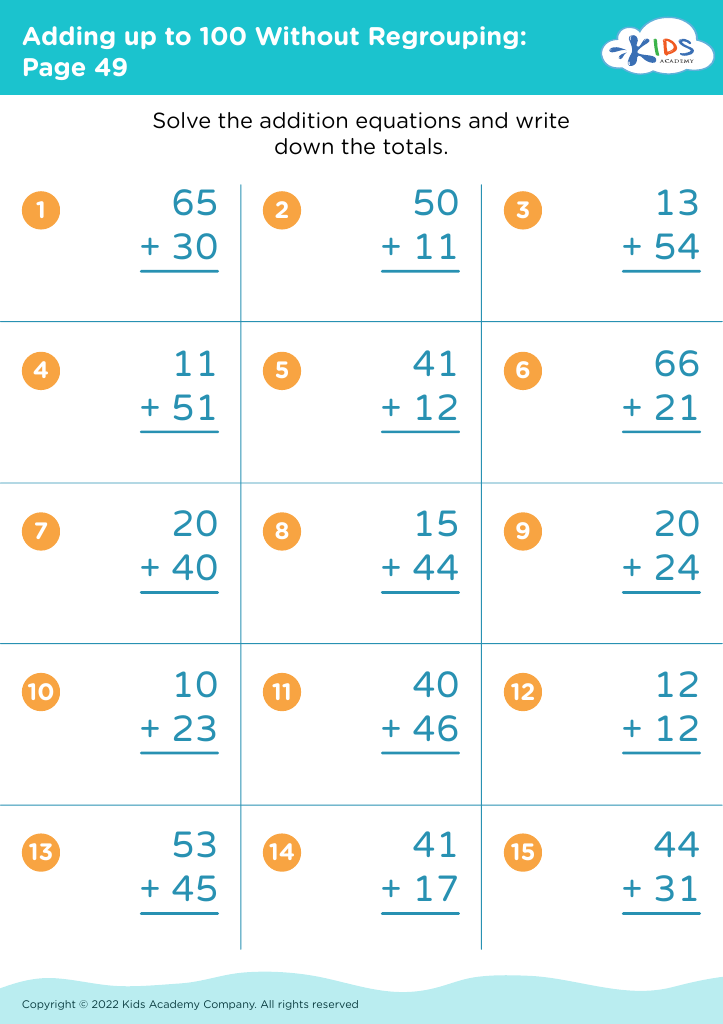
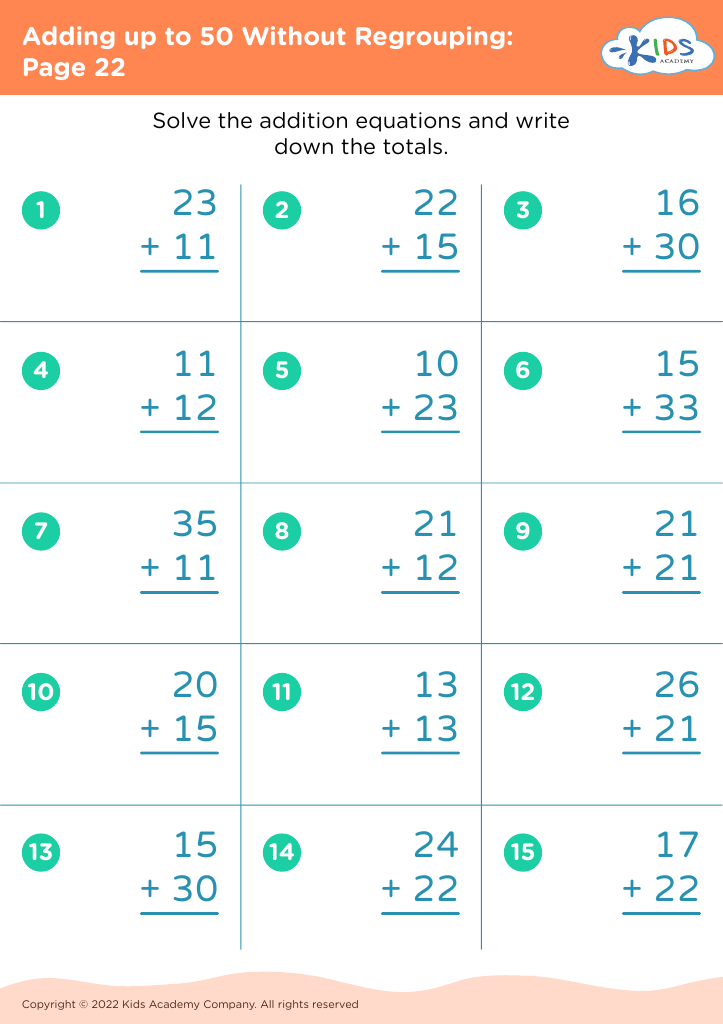
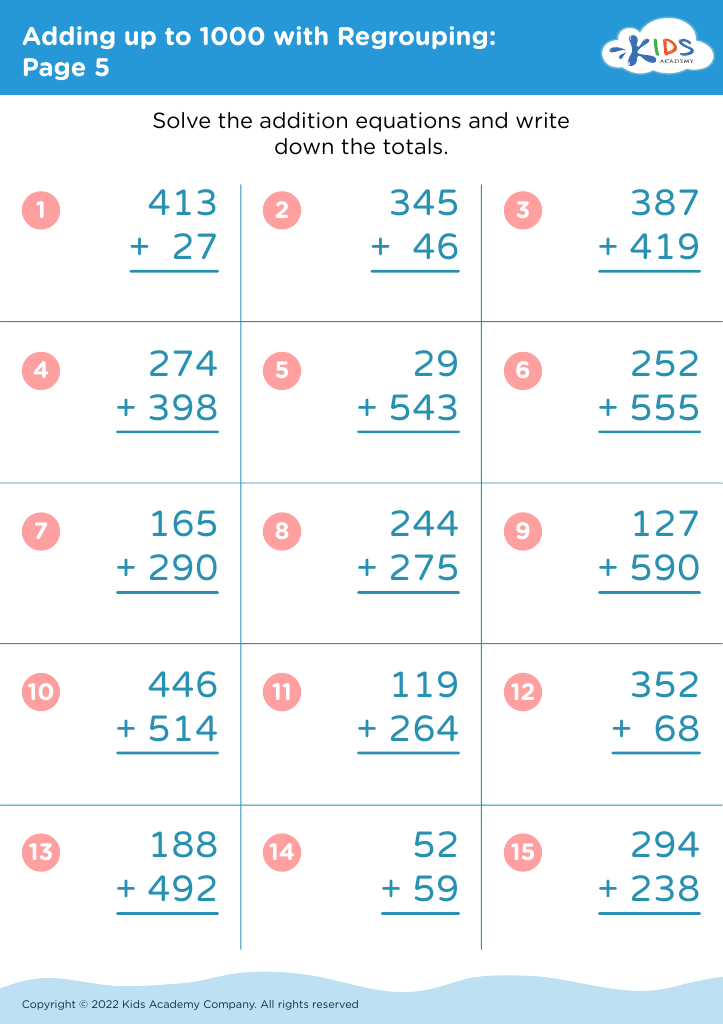
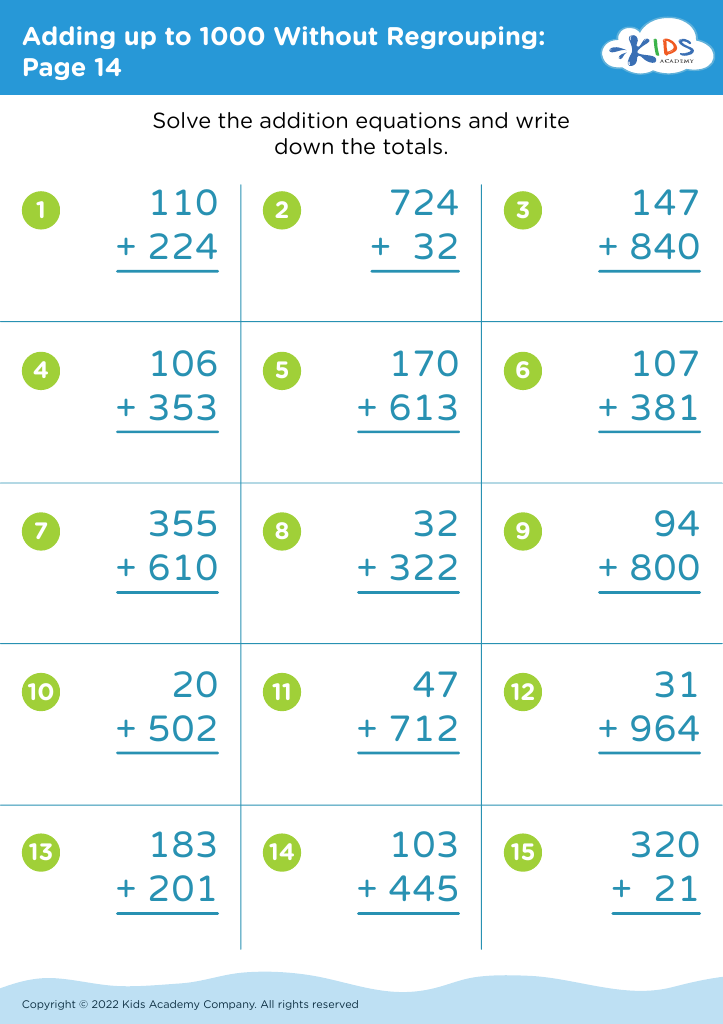
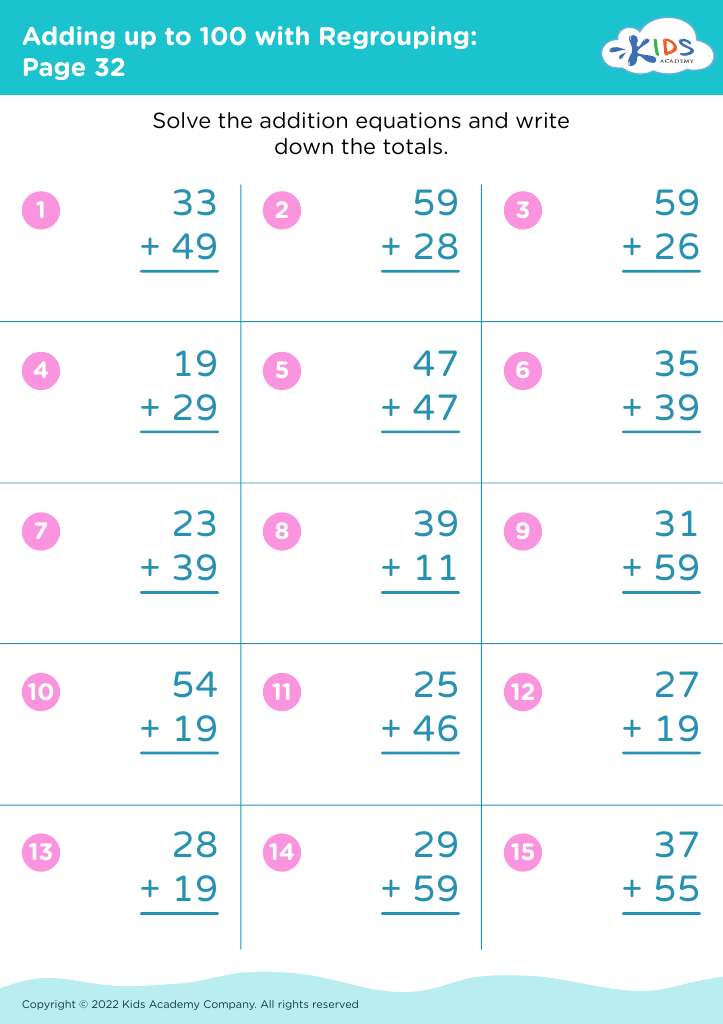
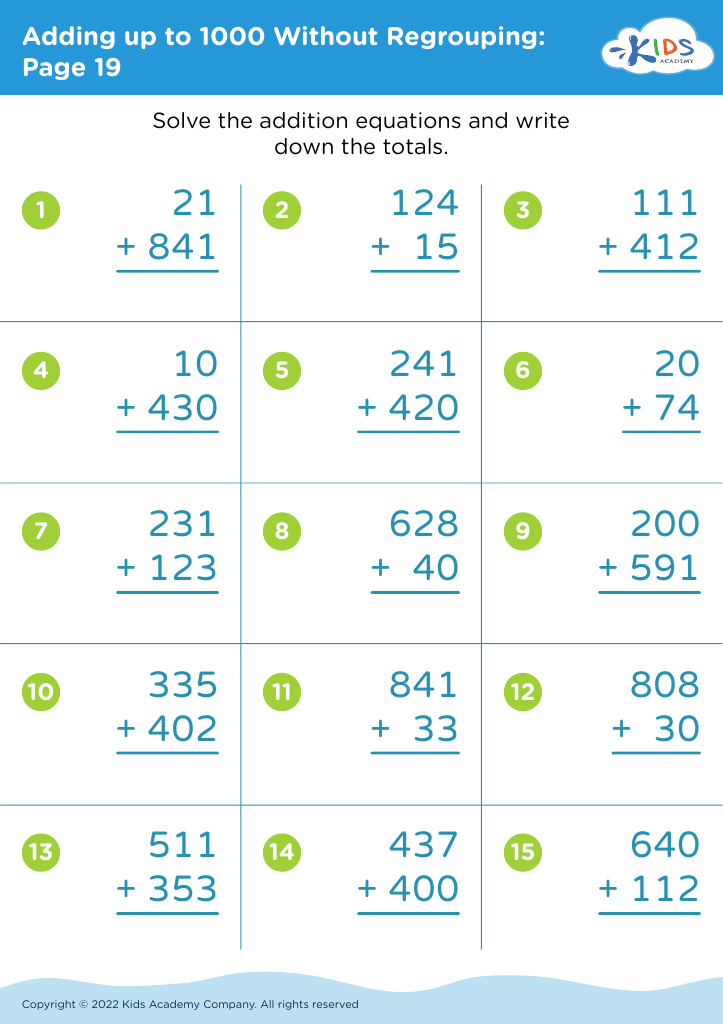
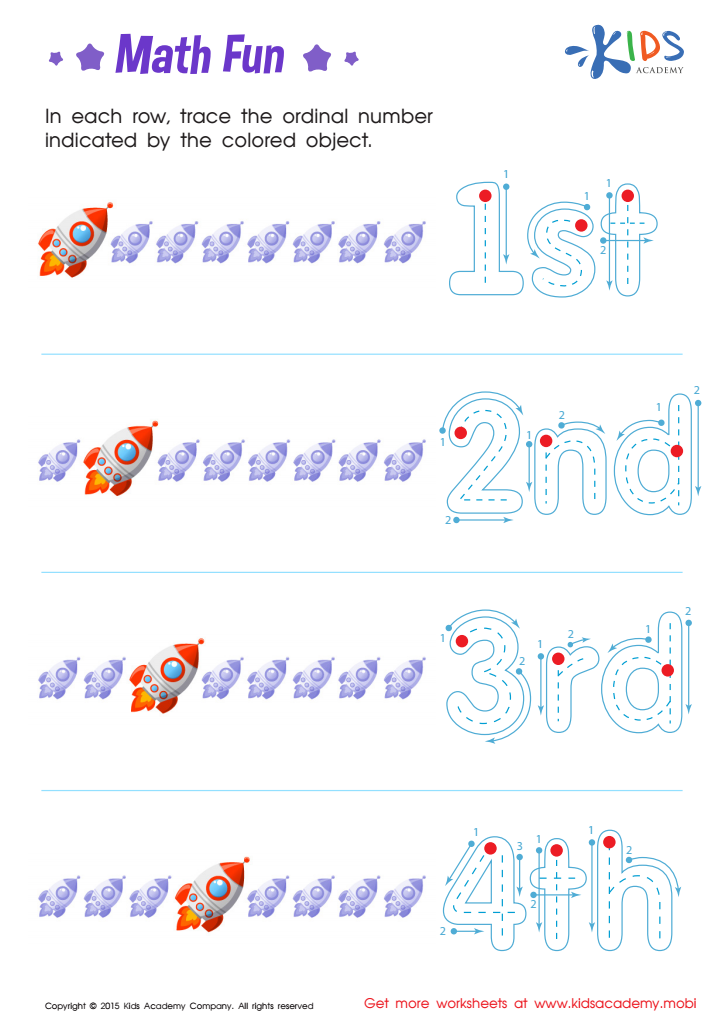
Ordinal Numbers: Math Fun Worksheet
Have fun learning ordinal numbers with our spaceship worksheet! Kids learn best while having fun and with repetition. Featuring vibrant spaceships, your child will understand placement, recognize and write ordinal numbers, and make connections. Understanding ordinal numbers leads to more advanced math concepts. Get your math whiz ready for preschool with our addition/subtraction worksheets! Have fun learning ordinal numbers and master them in no time!
 Assign to My Students
Ordinal Numbers: Math Fun Worksheet
Worksheet
Join Kids Academy for Free
Who is primarily going to use this learning content?








Color recognition, coupled with addition and subtraction skills, plays a significant role in the cognitive development of children aged 6-9. At this stage, young learners are starting to grasp basic mathematical concepts, and engaging them with vibrant colors can enhance their learning experience. By using colors as a teaching tool, parents and teachers can make math more relatable and fun while fostering an environment that encourages exploration and creativity.
For instance, using colored blocks or counters for addition and subtraction helps children visualize equations, making abstract concepts more concrete. This multisensory approach not only keeps them engaged but also supports diverse learning styles—crucial for effectively reaching every child in the classroom. Color recognition also promotes cognitive development, as it improves attention span and memory retention through associating colors with numbers and operations.
Additionally, understanding colors enhances critical thinking skills and boosts a child's ability to differentiate and categorize information, which are foundational skills for advanced learning in math and other subjects. Therefore, incorporating color recognition into math education nurtures a child's holistic growth— fundamentally making learning a more enjoyable and meaningful experience. Engaged, well-prepared learners are more equipped to tackle future academic challenges.








