Develop critical thinking Addition & Subtraction Worksheets for Ages 6-9
11 filtered results
-
From - To
Our "Develop Critical Thinking: Addition & Subtraction Worksheets for Ages 6-9" are designed to enhance mathematical skills and critical thinking in young learners. These engaging worksheets provide a range of activities tailored to bolster addition and subtraction proficiency while fostering analytical abilities. Children will tackle interesting problems that require more than rote memorization, encouraging them to think critically and solve puzzles creatively. Each worksheet is crafted to align with common core standards, ensuring educational value and age-appropriateness. With visually appealing designs and a variety of structured tasks, our worksheets make learning math both fun and effective for early grade students.
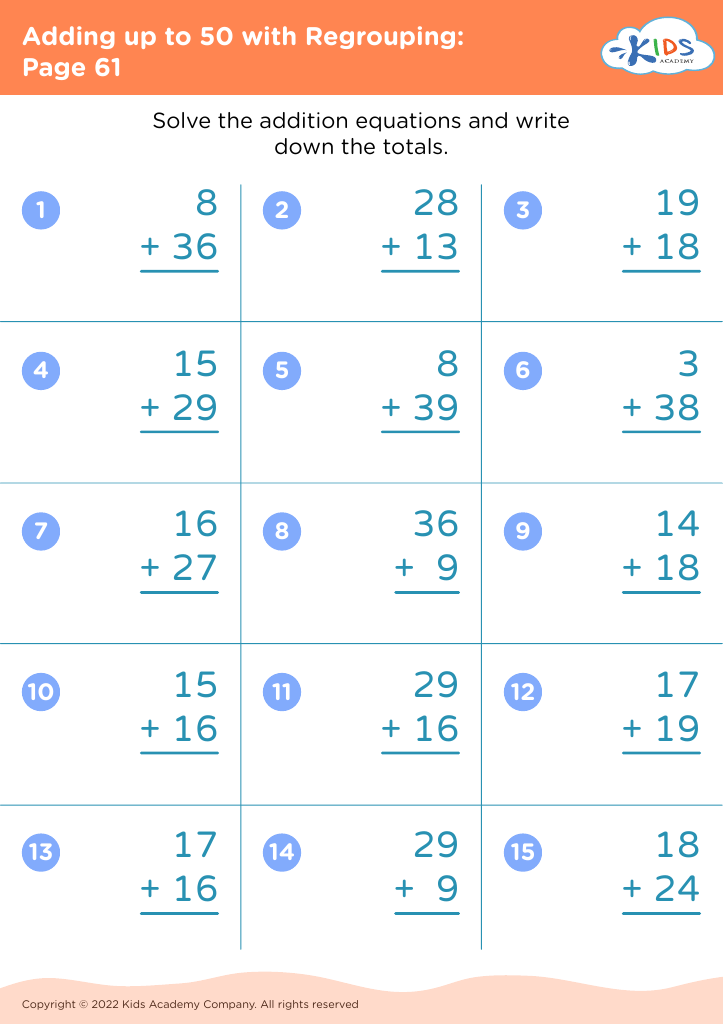
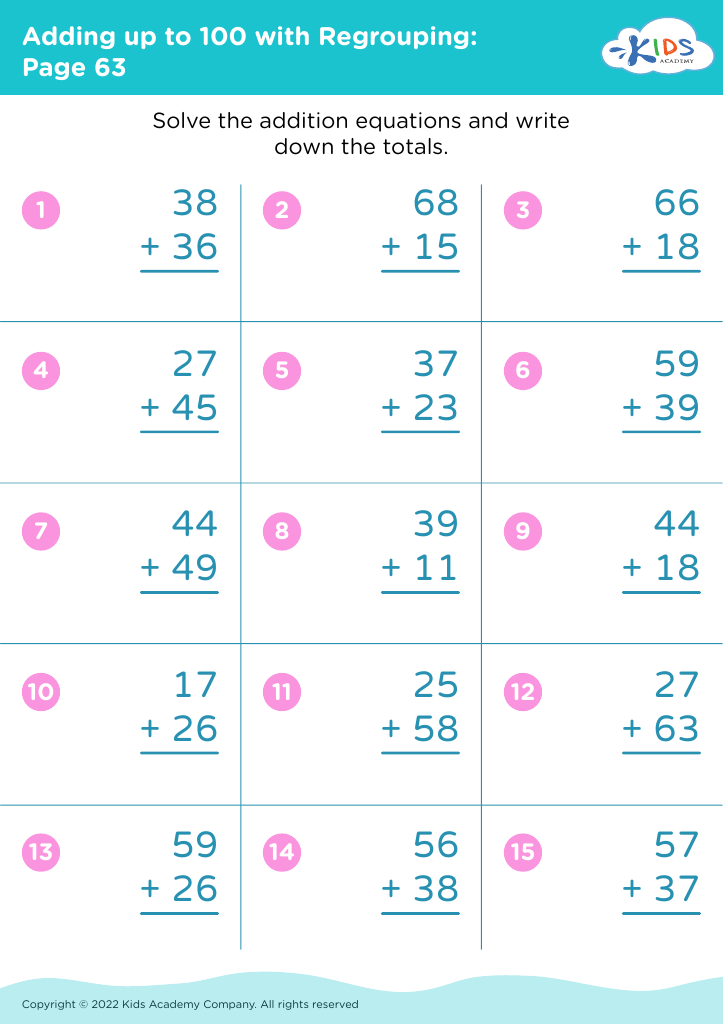
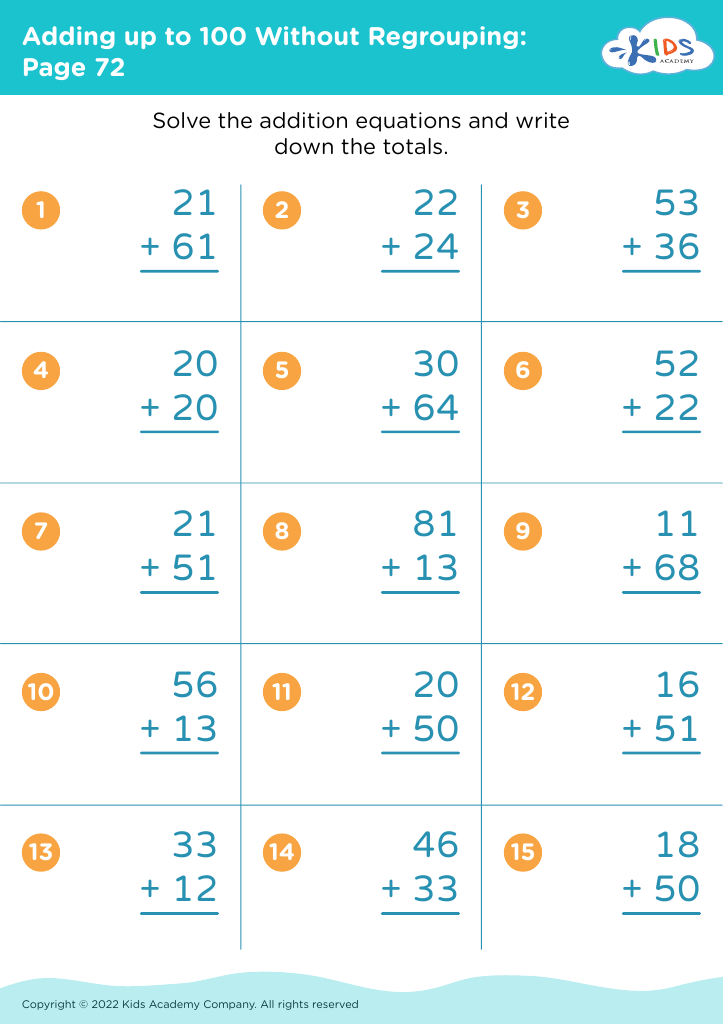
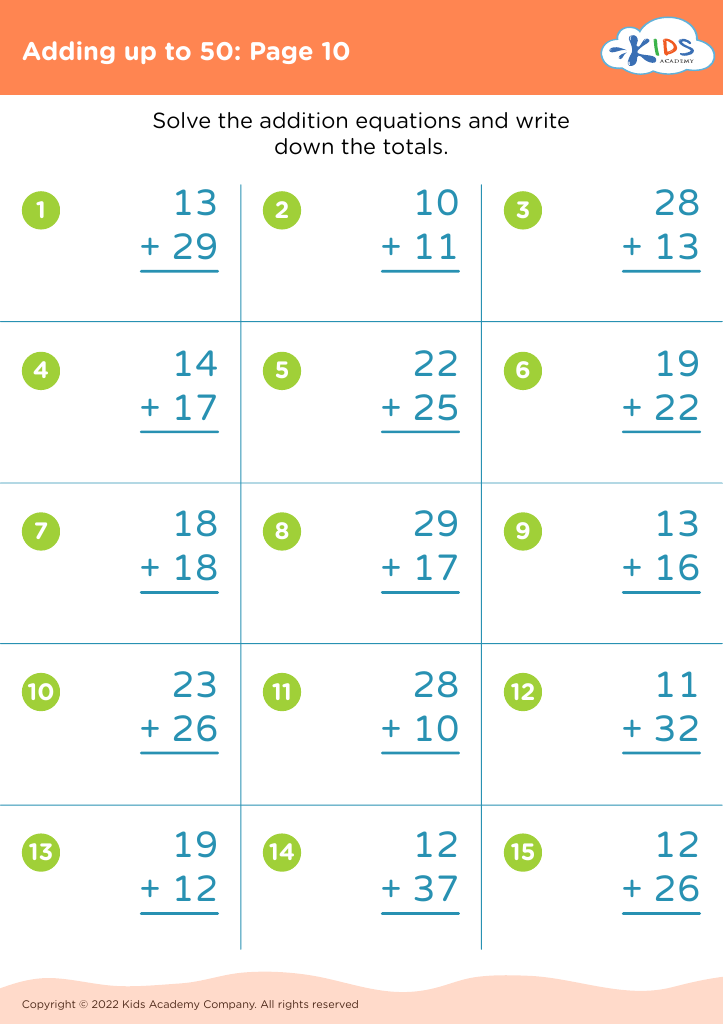
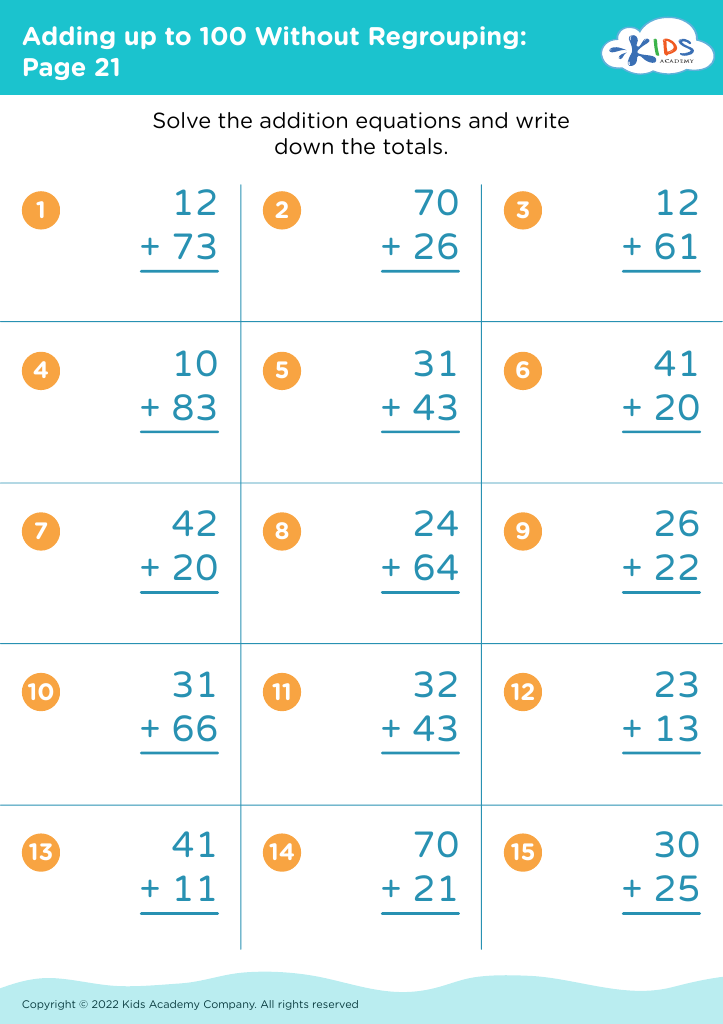
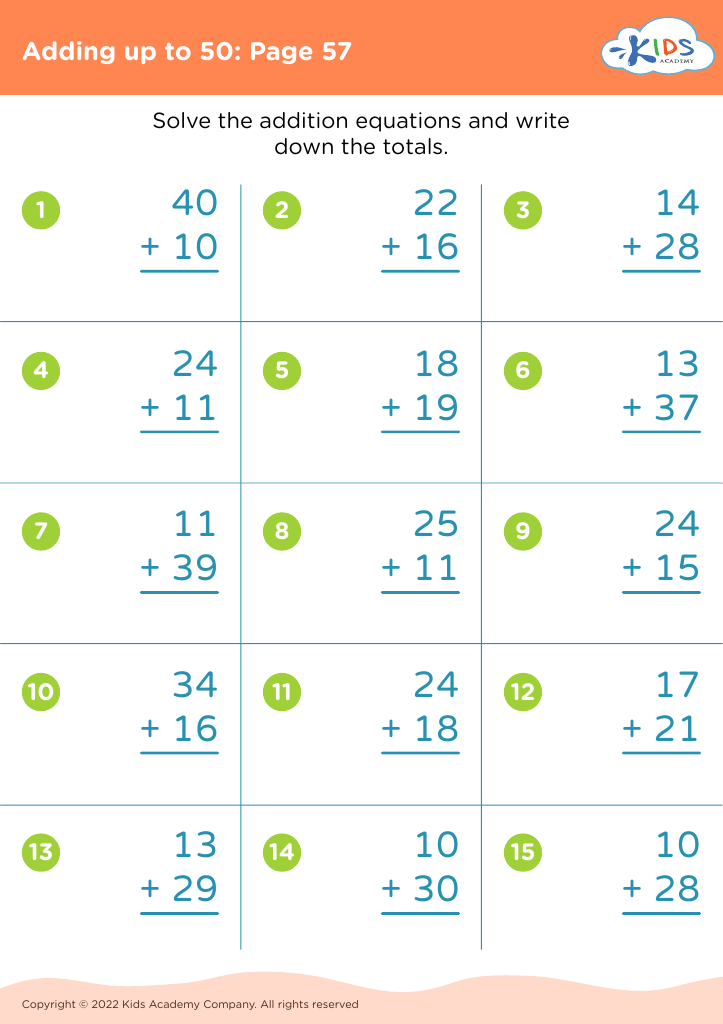
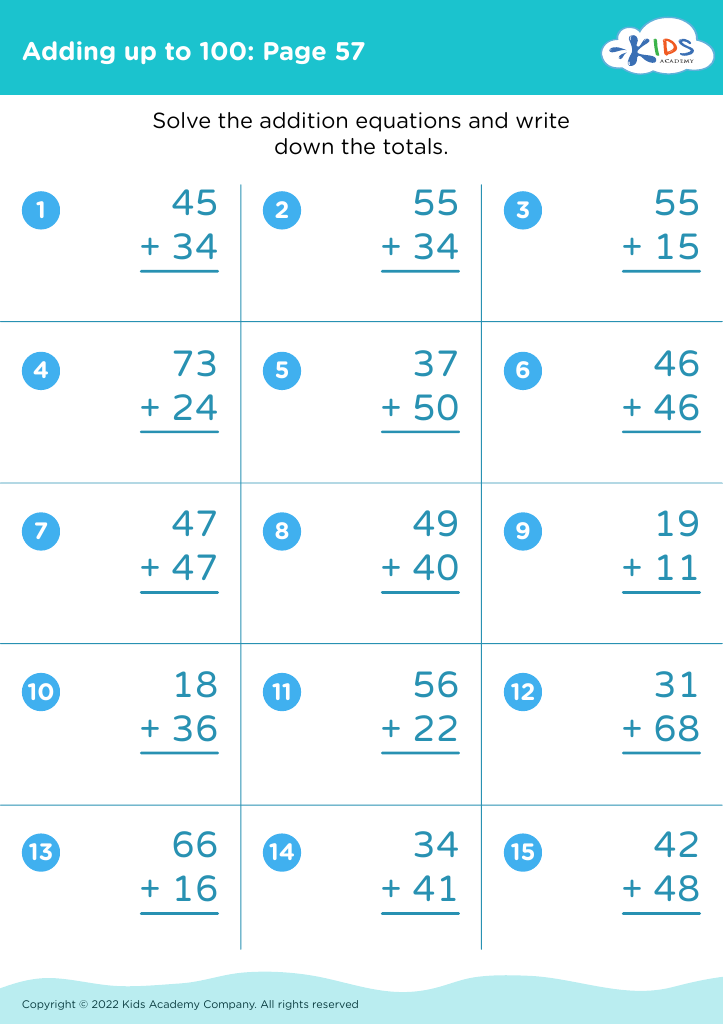
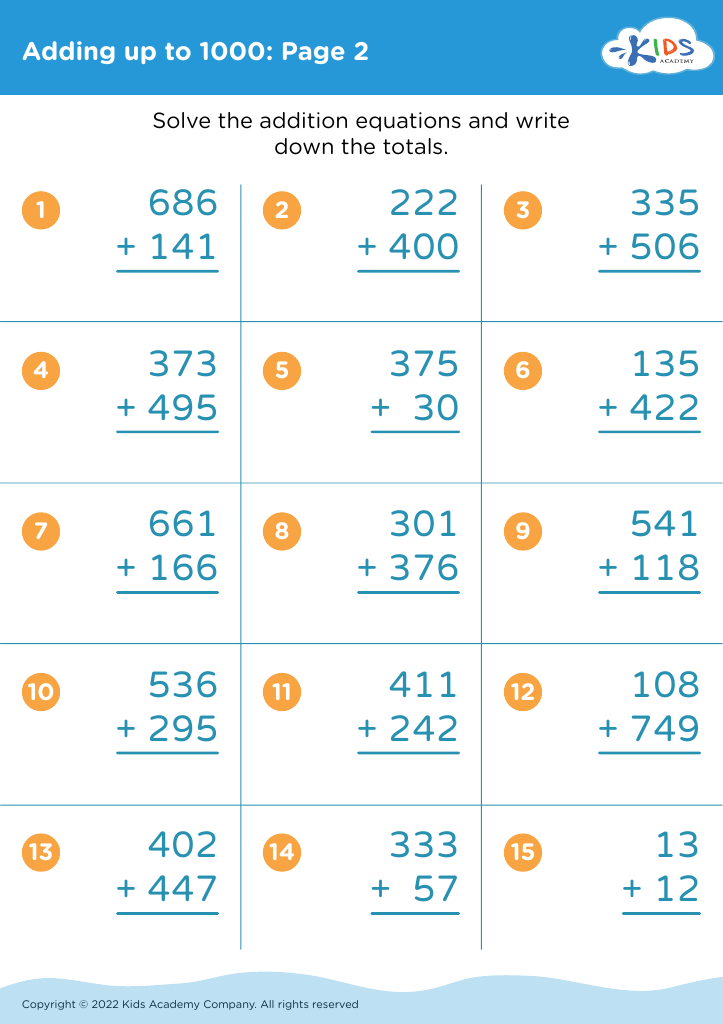








Developing critical thinking in addition and subtraction for children ages 6-9 is paramount for several key reasons. First, it lays a robust mathematical foundation essential for more advanced concepts. When children grasp the principles of addition and subtraction and are encouraged to think critically about them, they can better solve problems independently and understand the 'why' behind their actions, rather than just memorizing procedures.
Critical thinking in math promotes skills such as analysis, reasoning, and problem-solving, which are crucial not only for academic success but also for daily life decisions. It helps children to approach problems methodically, consider various solutions, and understand the consequences of their choices. For instance, children who regularly practice critical thinking in math are more likely to check their work, recognize and correct errors, and develop a healthy skepticism about results that seem unreasonable.
Moreover, fostering these skills at an early age boosts confidence and reduces math anxiety, making mathematics a more enjoyable experience. Confident in their ability to tackle challenges, children are more likely to engage actively and take on more complex tasks with enthusiasm.
Overall, parents and teachers play a critical role in developing these skills, ensuring children are not just good at mathematics, but also equipped with essential cognitive tools that serve them well across all areas of learning and life.








