Fine Motor Skills Addition & Subtraction Worksheets for Ages 6-9 - Page 2
48 filtered results
-
From - To
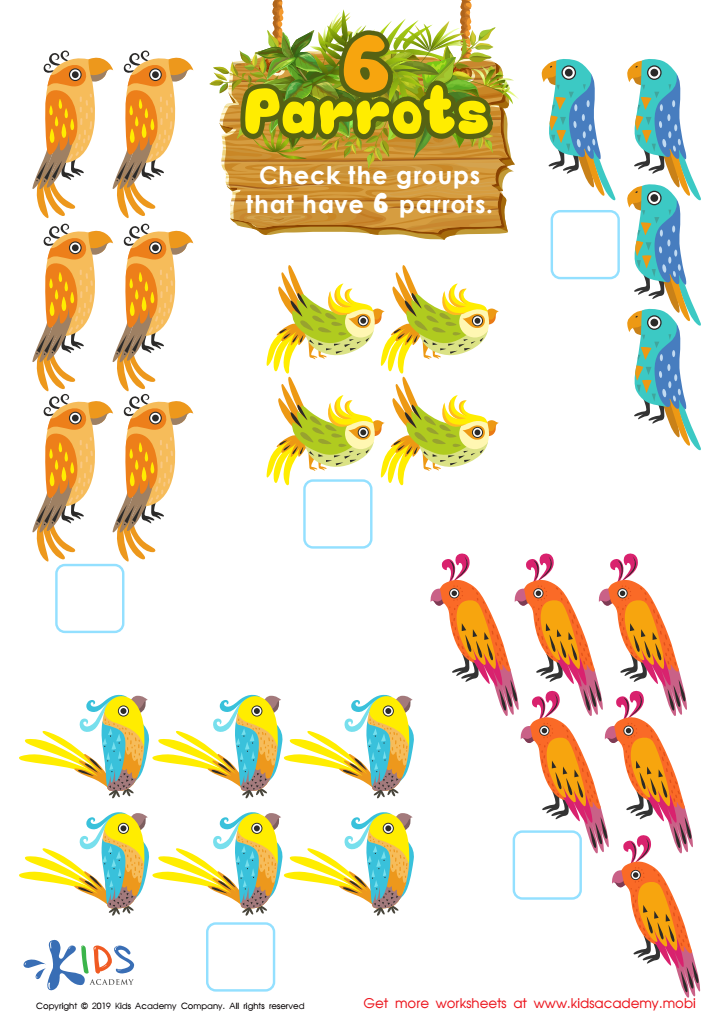
6 Parrots Worksheet
 Assign to My Students
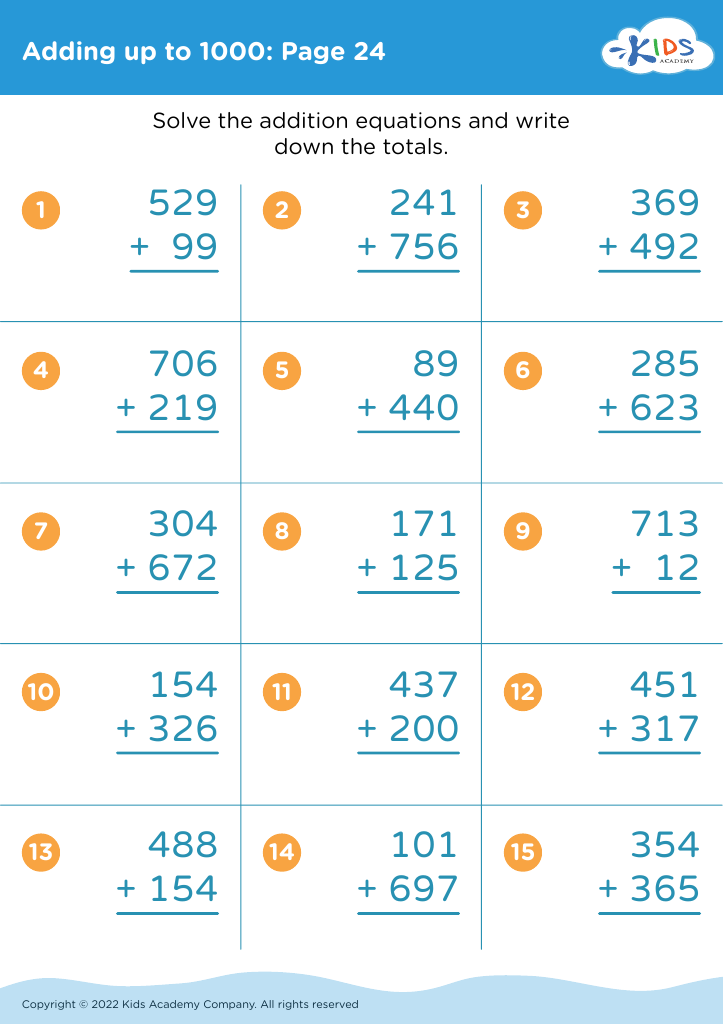
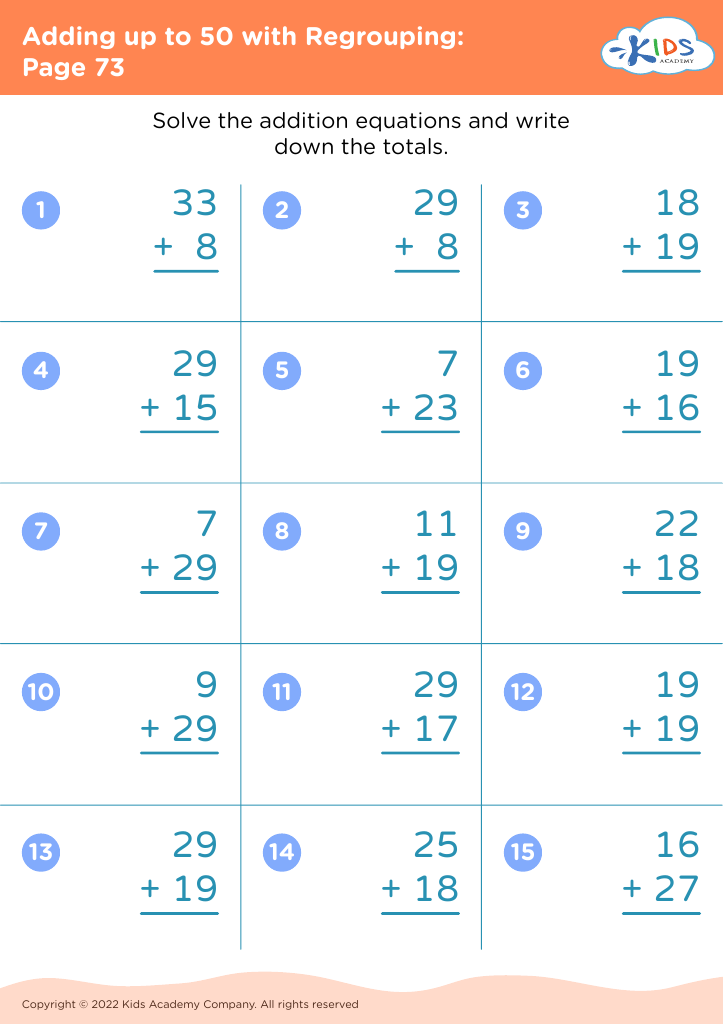
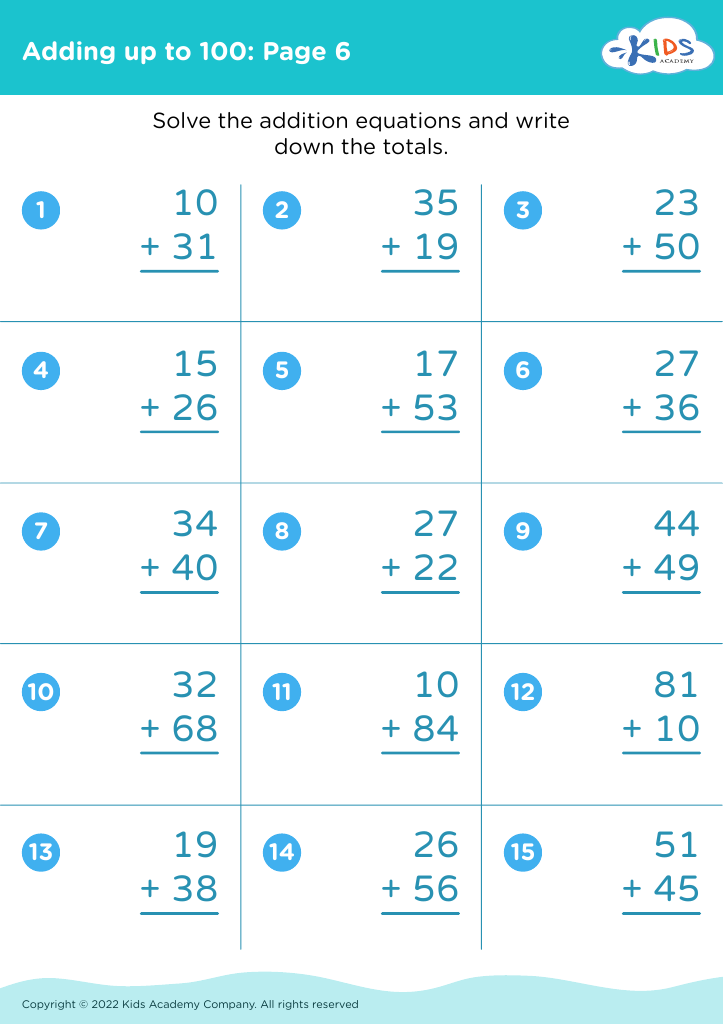
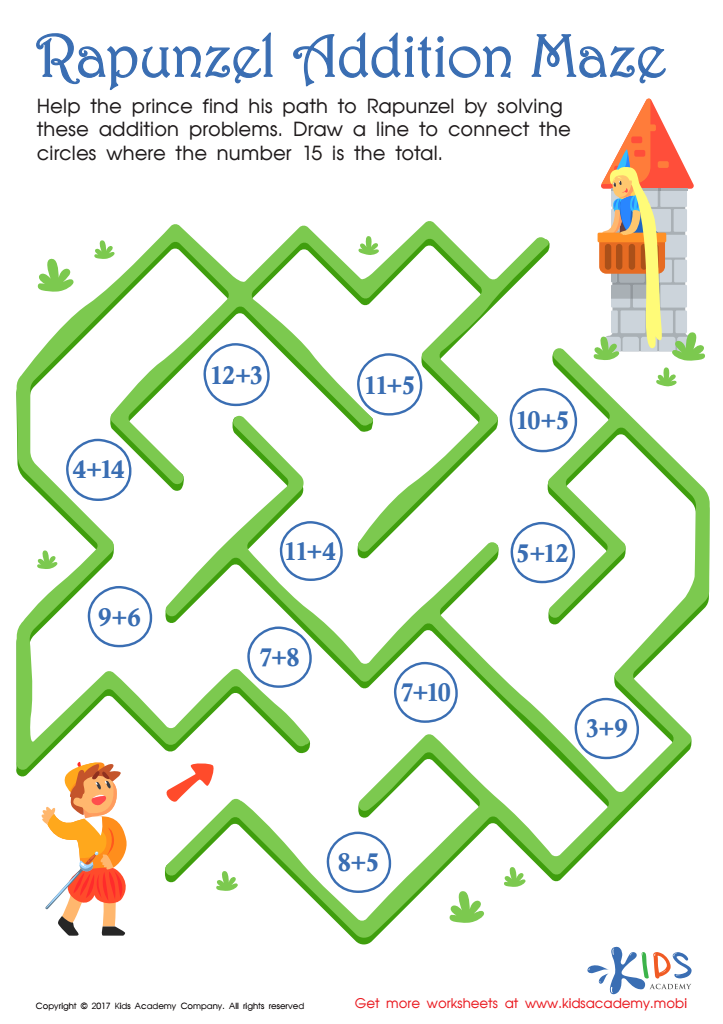
Rapunzel Addition Maze Worksheet
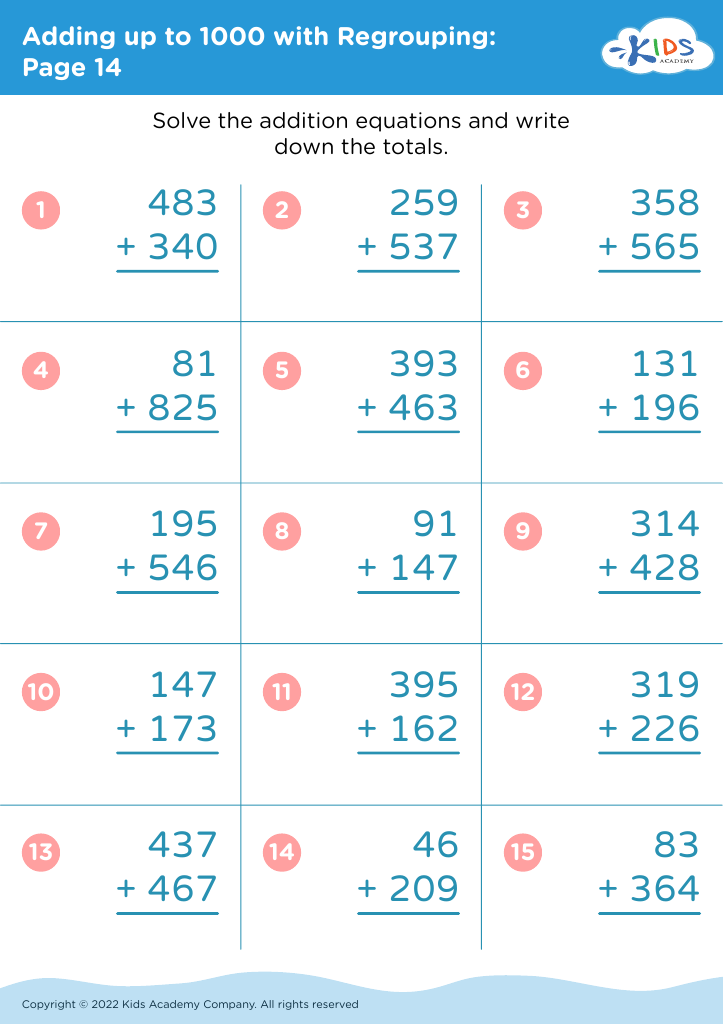
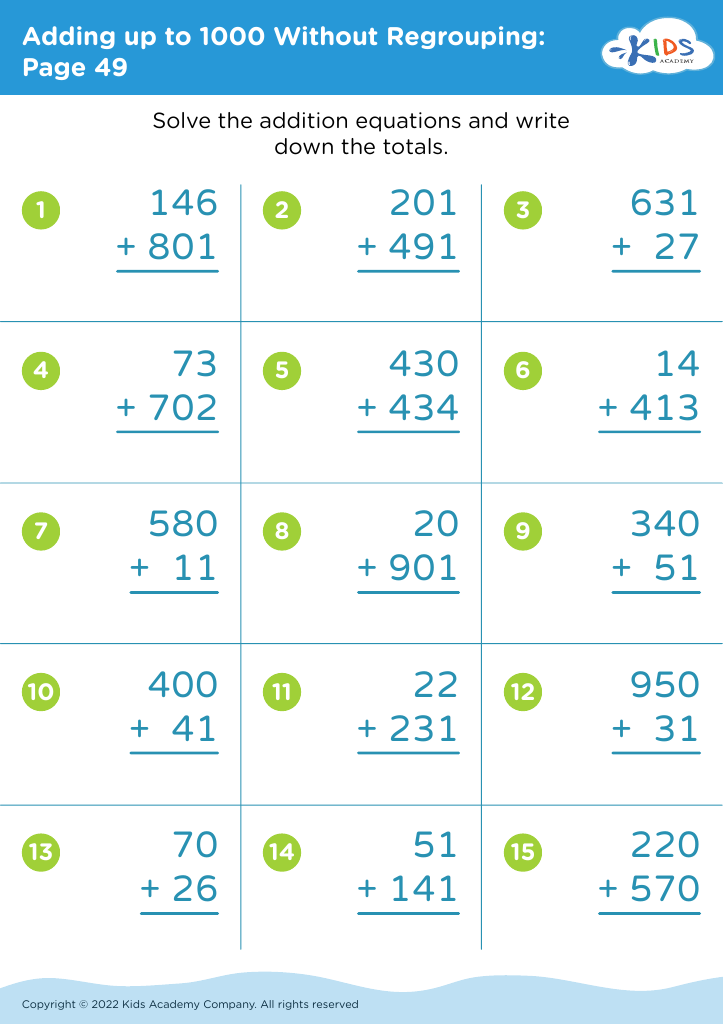
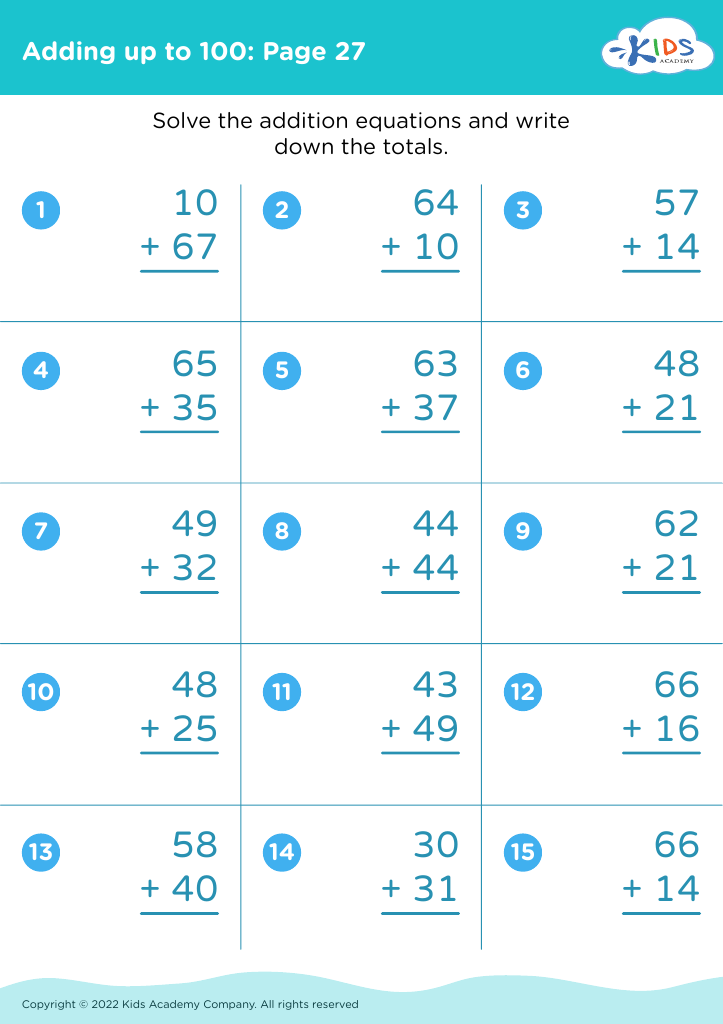
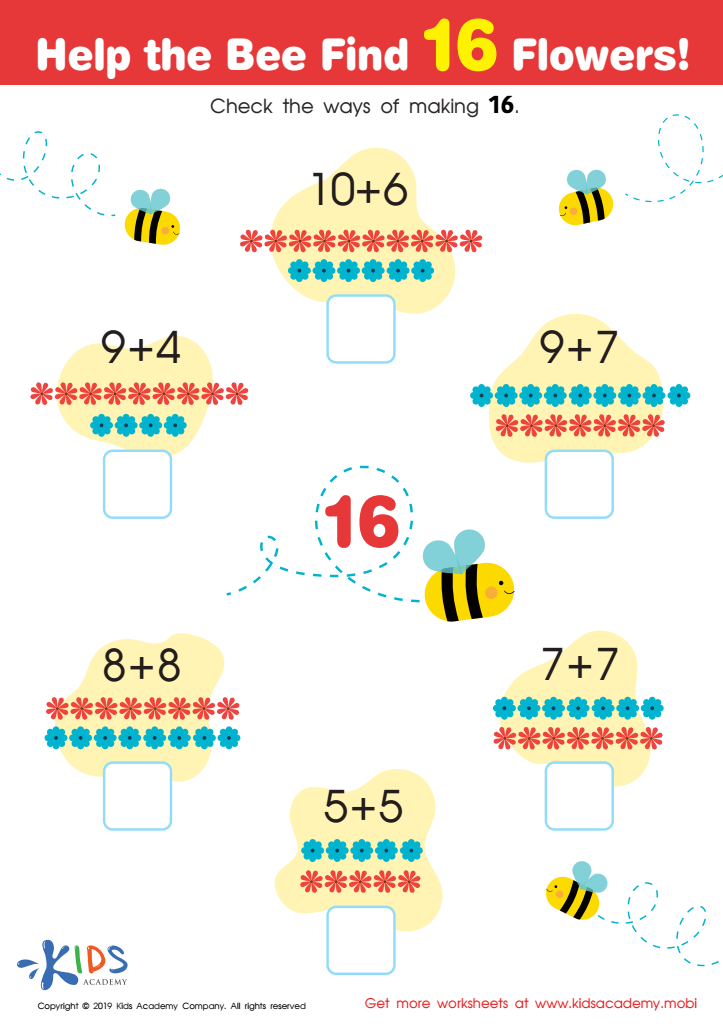
Help the Bee Find 16 Flowers Worksheet
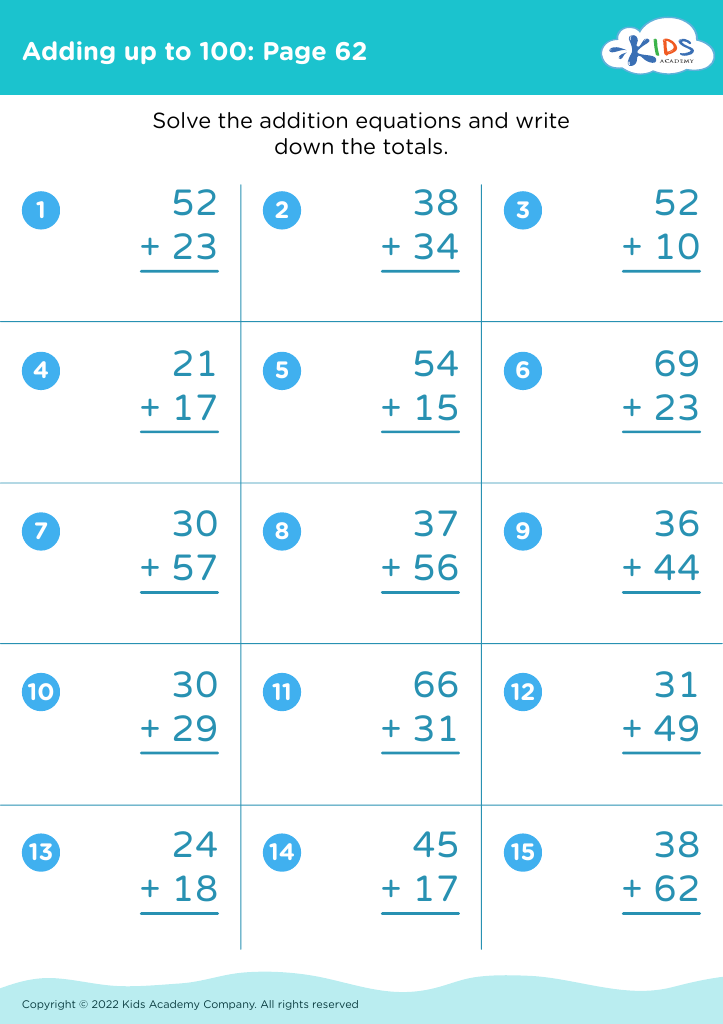
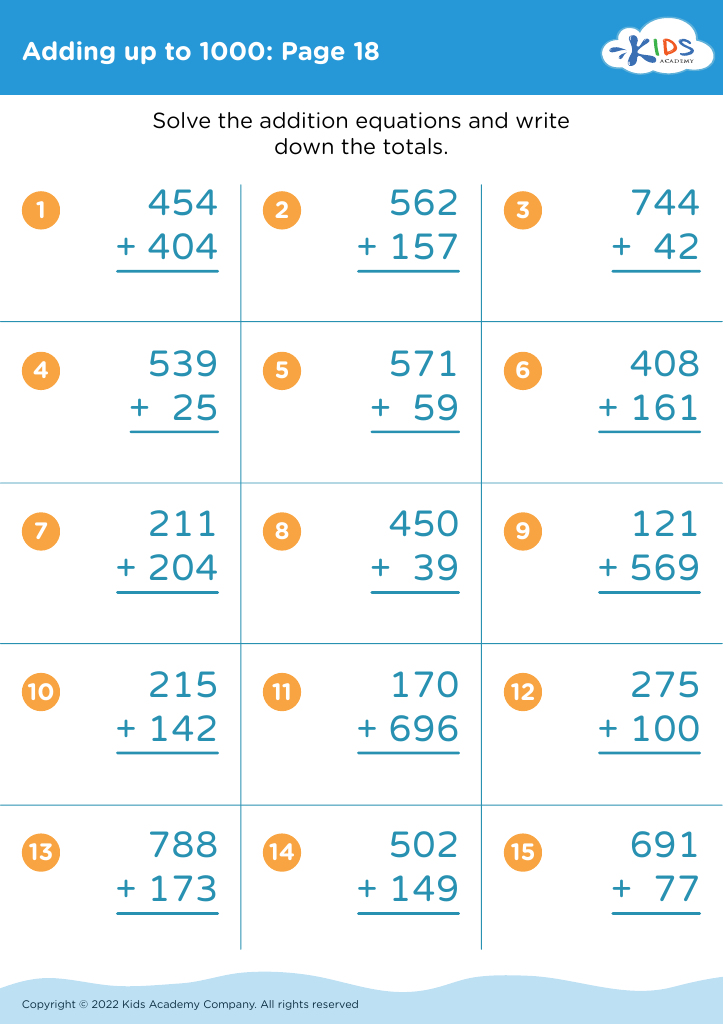
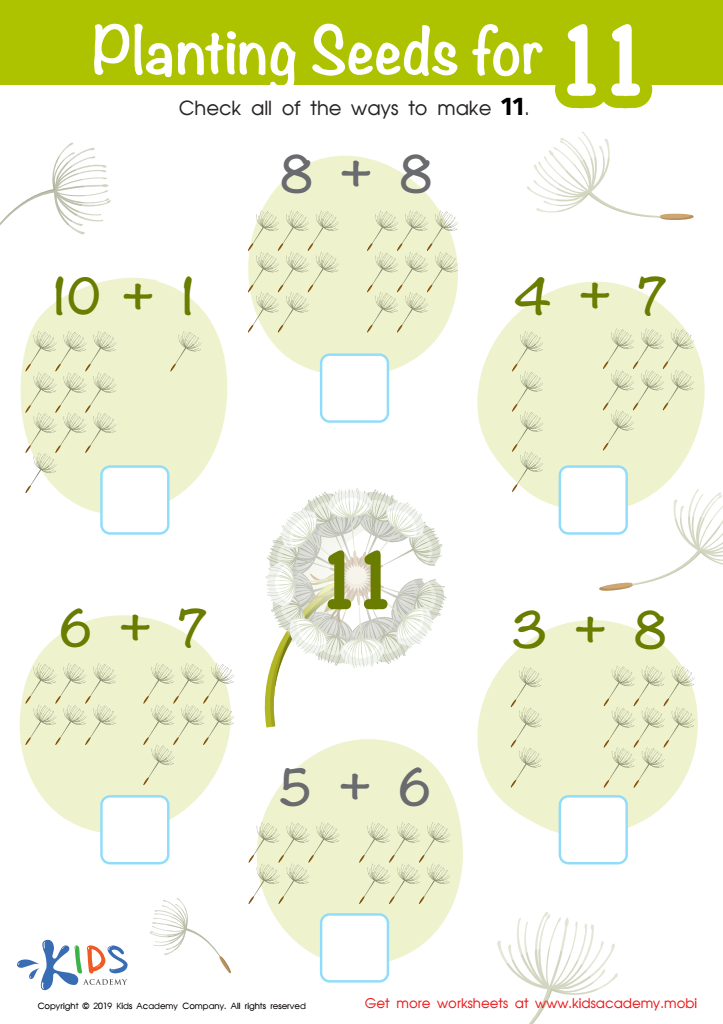
Planting Seeds for 11 Worksheet
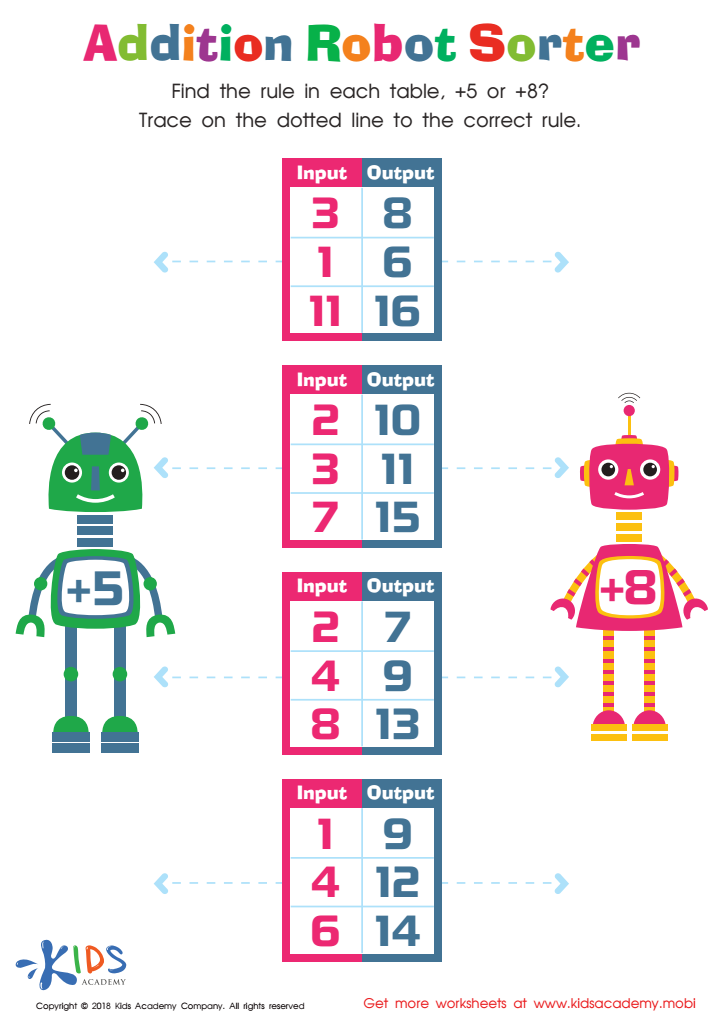
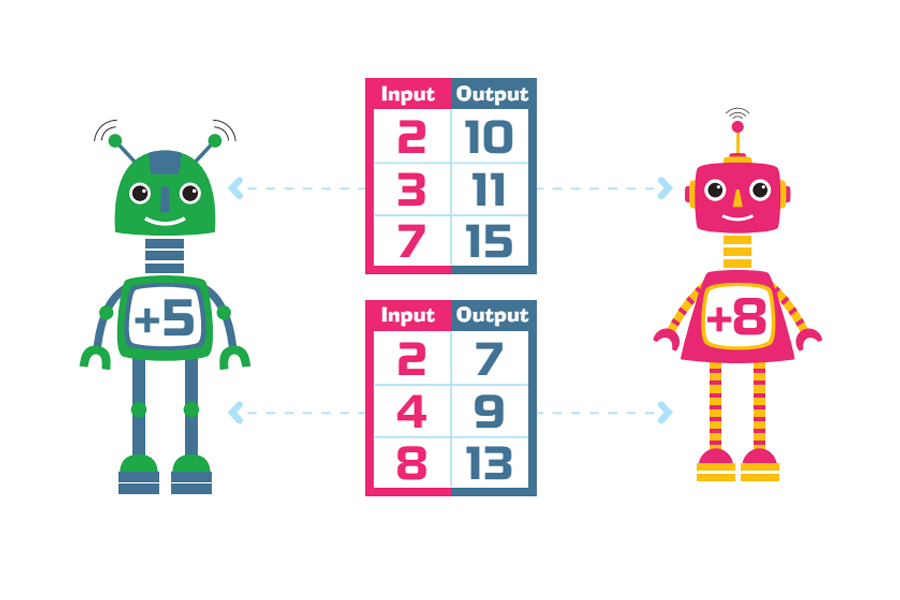
Addition Robot Sorter Worksheet
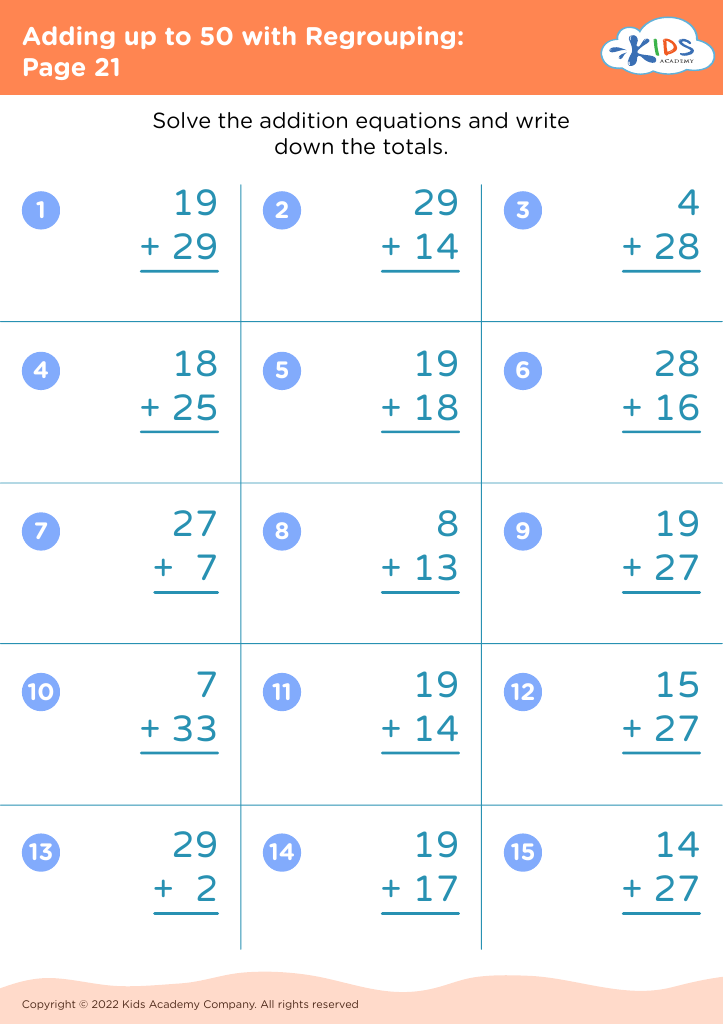
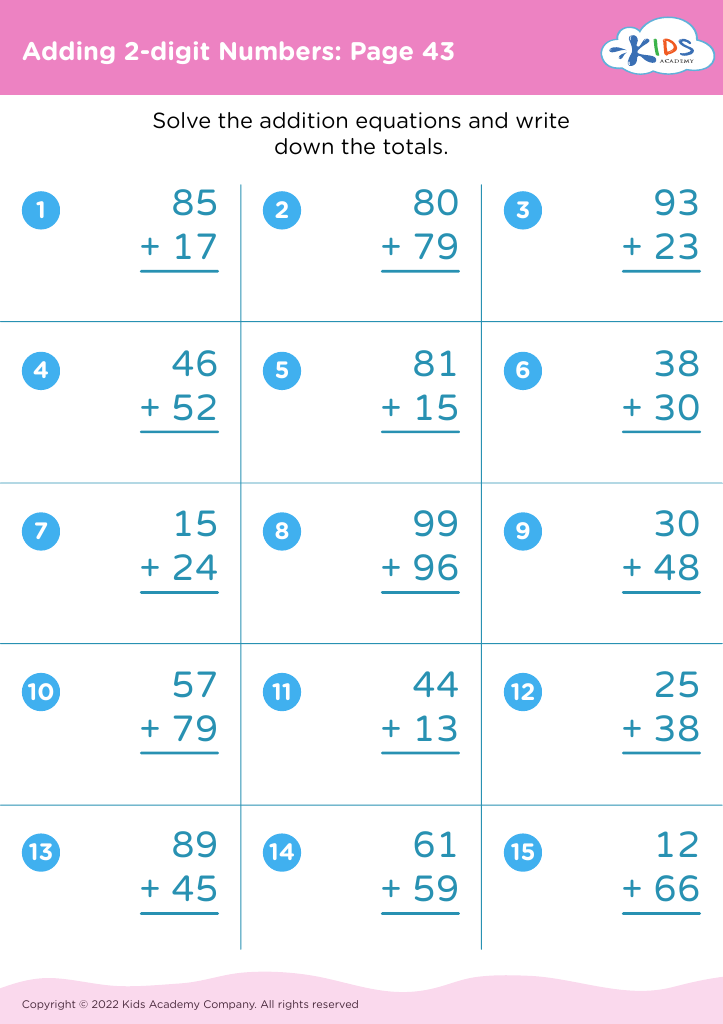
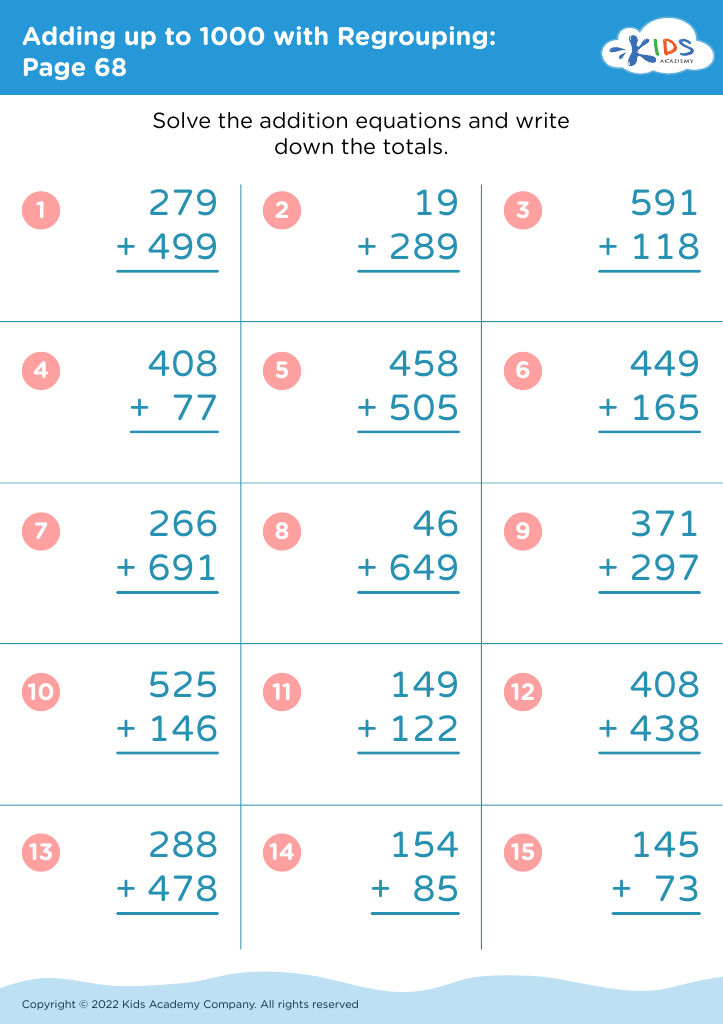
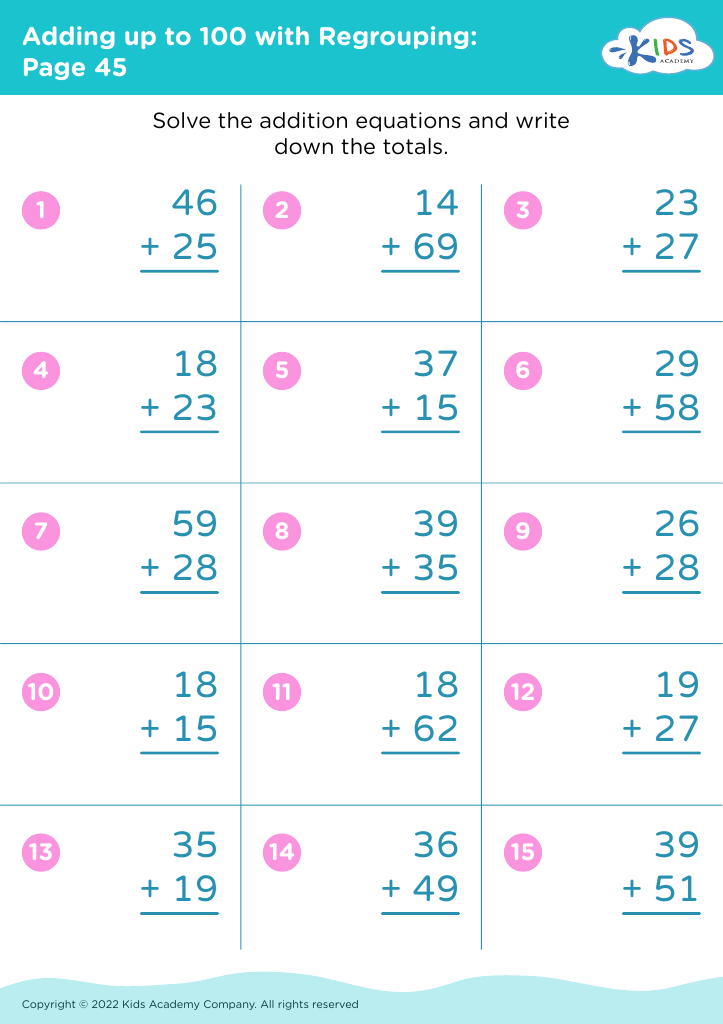







Fine motor skills are crucial for children aged 6-9, as they form the foundation for various essential tasks such as writing, drawing, and using educational tools. When integrated with addition and subtraction activities, these skills enhance a child's ability to manipulate objects accurately, which is necessary for understanding mathematical concepts efficiently.
Parents and teachers should care about this connection because it facilitates a child's cognitive development and promotes self-sufficiency. Engaging in hands-on math activities, such as counting with beads or using manipulatives to visualize addition and subtraction problems, not only helps children understand numbers but also strengthens their hand-eye coordination and dexterity.
Furthermore, as these skills develop, children gain confidence in their abilities, fostering a positive attitude toward learning. This foundational knowledge acquired through fine motor skills enhances overall academic performance and produces lifelong learners who approach math with enthusiasm.
Additionally, since many early childhood tasks—like using scissors, holding writing instruments, and manipulating game pieces—rely on fine motor skills, recognizing this aspect allows parents and teachers to provide targeted support, creating more engaged and successful learners in various domains. Thus, caring for this integral skill set ultimately shapes a child's future educational journey and everyday capabilities.








