Shape identification Addition & Subtraction Worksheets for Ages 6-9
13 filtered results
-
From - To
Discover our Shape Identification Addition & Subtraction Worksheets for ages 6-9 at Kids Academy! These engaging, printable activities combine fundamental math skills with shape recognition to make learning fun and effective. Designed by educational experts, each worksheet helps young learners strengthen their abilities in both addition and subtraction while identifying various geometric shapes. Perfect for home or classroom use, these worksheets will support your child's mathematical development and critical thinking skills. Explore a variety of colorful and interactive exercises tailored for first to third graders and watch your child develop confidence in math. Visit Kids Academy to download and print today!
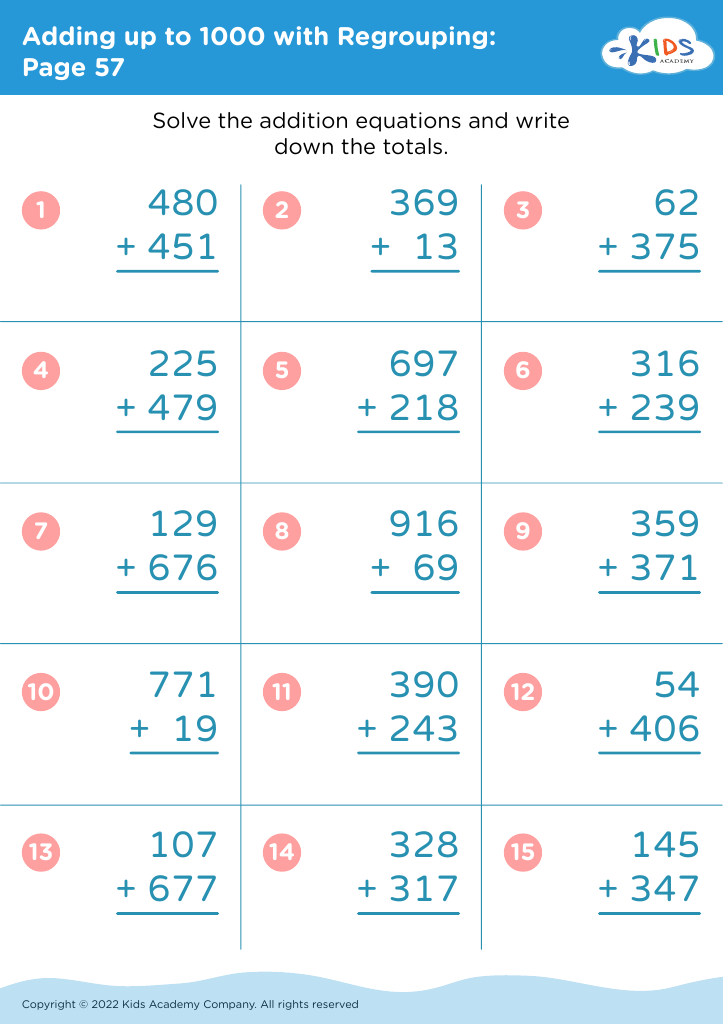
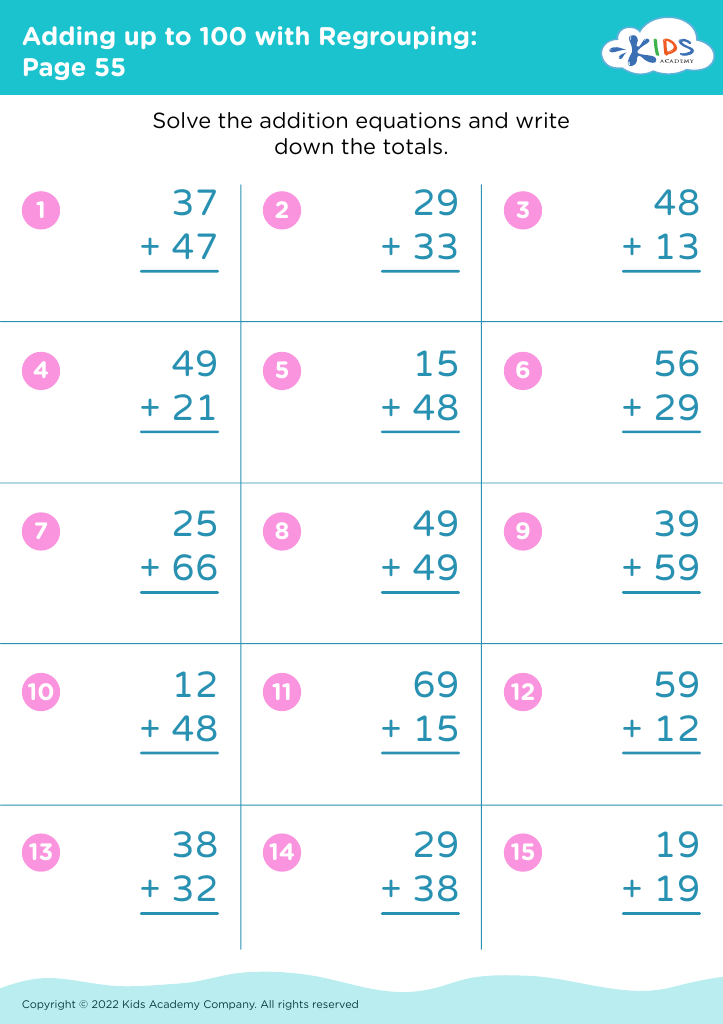
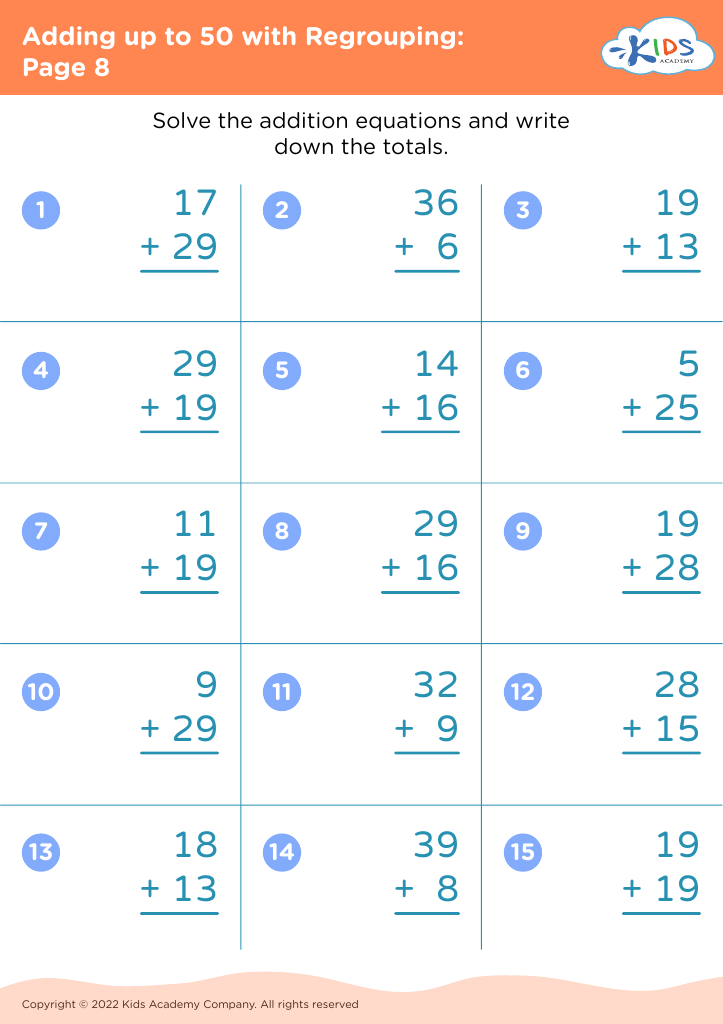
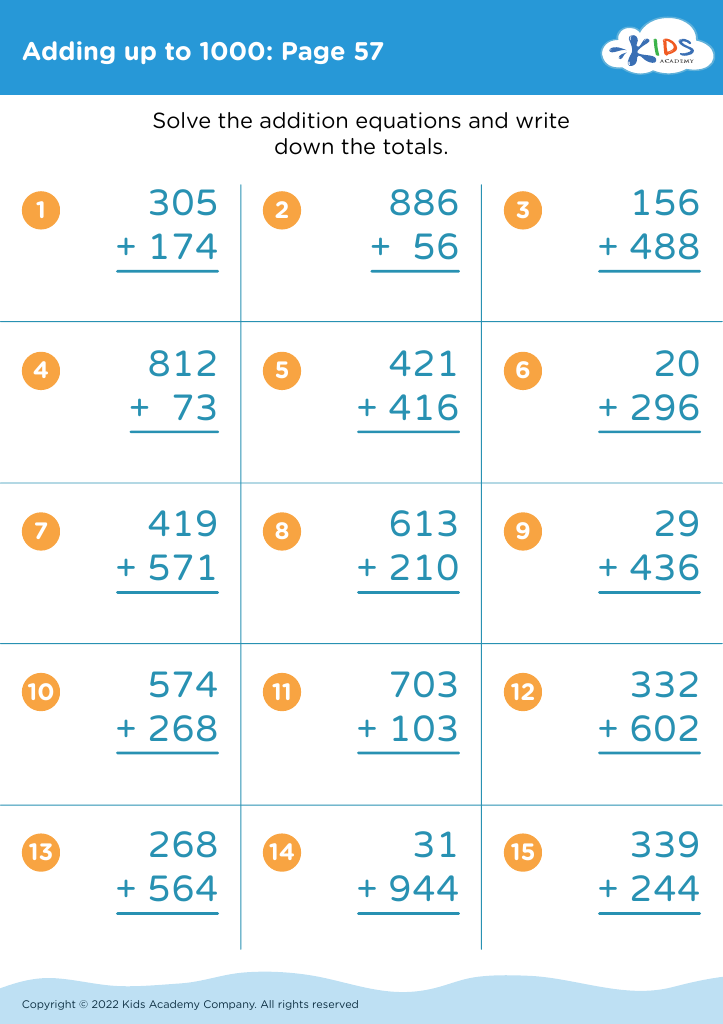
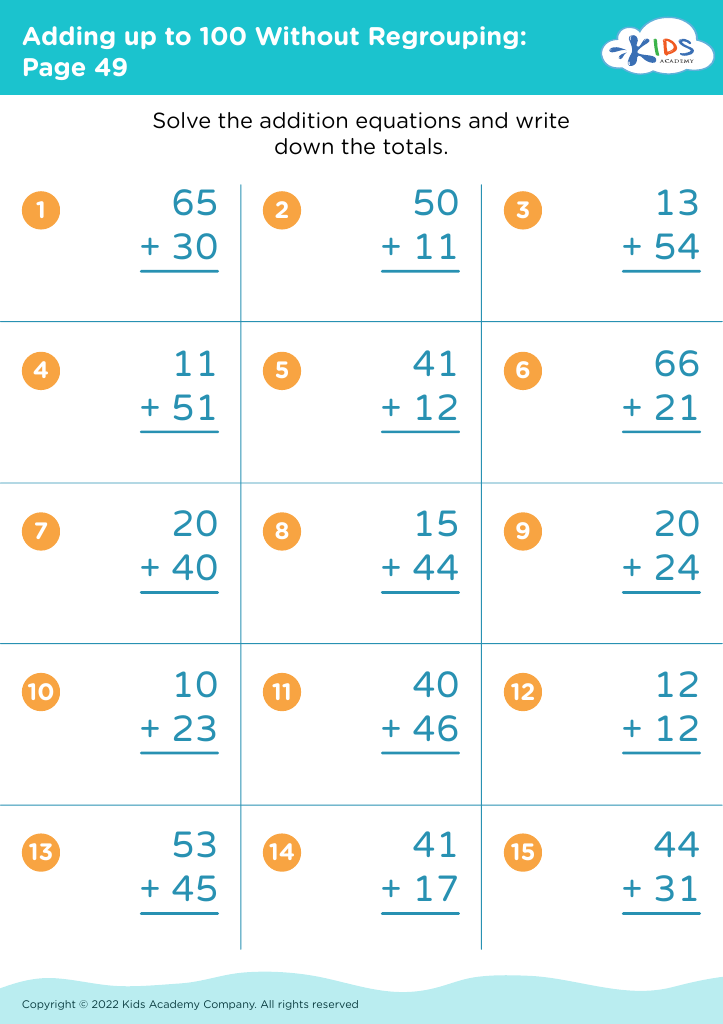
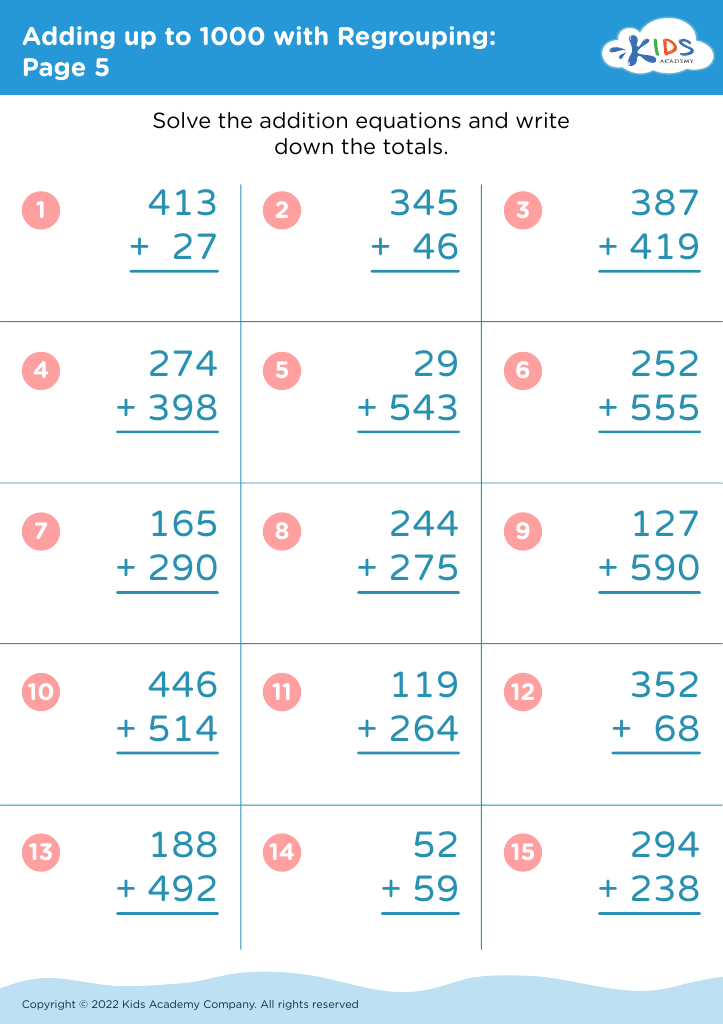
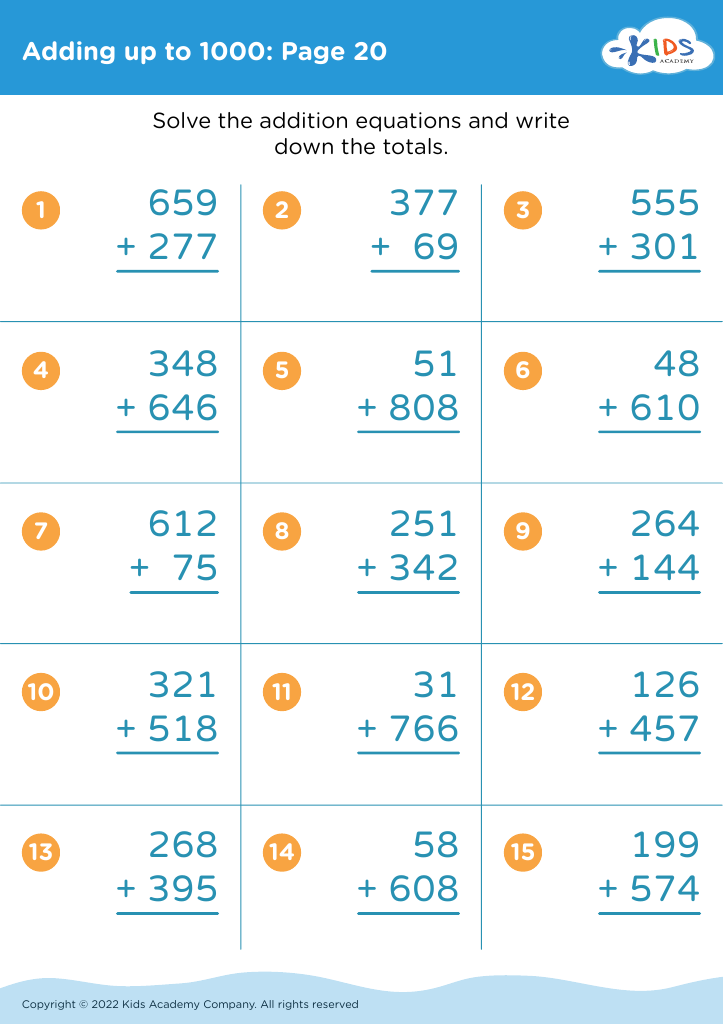
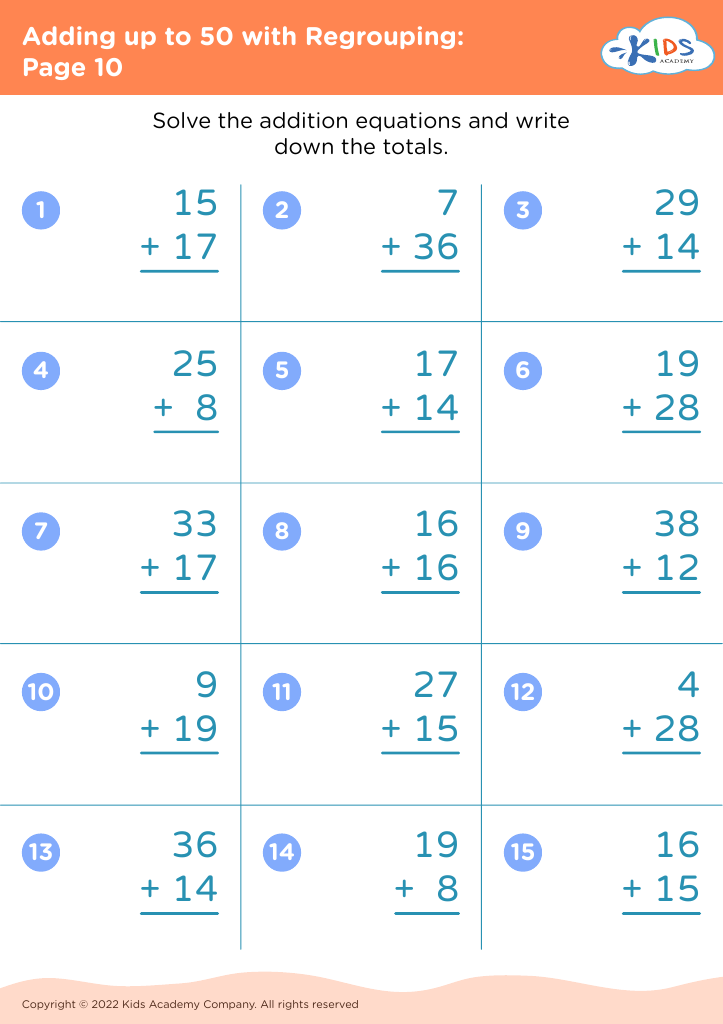
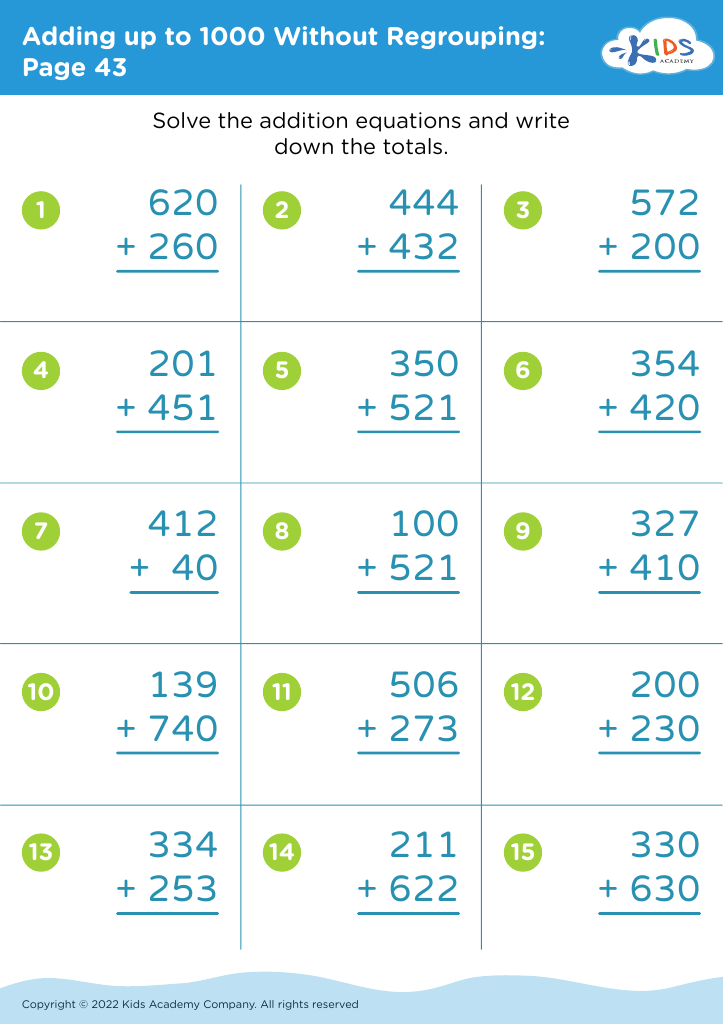








Parents and teachers should care deeply about shape identification, and addition and subtraction skills for ages 6-9 because these foundational concepts are crucial for children's cognitive development. For young learners, recognizing shapes isn't just about memorizing geometry terms; it enhances their ability to categorize and comprehend the world around them. Shape recognition aids in developing spatial awareness, which is critical for problem-solving and logical reasoning skills. This visualization skill can also influence their understanding of more complex math and science concepts later on.
Addition and subtraction are the building blocks of arithmetic, a fundamental life skill. Early mastery of these operations sets a solid foundation for more advanced mathematical concepts. These basic arithmetic skills help children grasp the concept of numbers, fostering an early appreciation of math that can have long-lasting educational benefits. They also apply to everyday life—such as telling time, handling money, and measuring ingredients in recipes—reaffirming their practical value beyond the classroom.
Both shape identification and basic arithmetic encourage critical thinking, pattern recognition, and the ability to follow steps to reach a solution. The confidence and skills gained through these experiences in early education contribute significantly to overall academic success and problem-solving capabilities later in life.








