Time conversion skills Addition & Subtraction Worksheets for Ages 6-9
3 filtered results
-
From - To
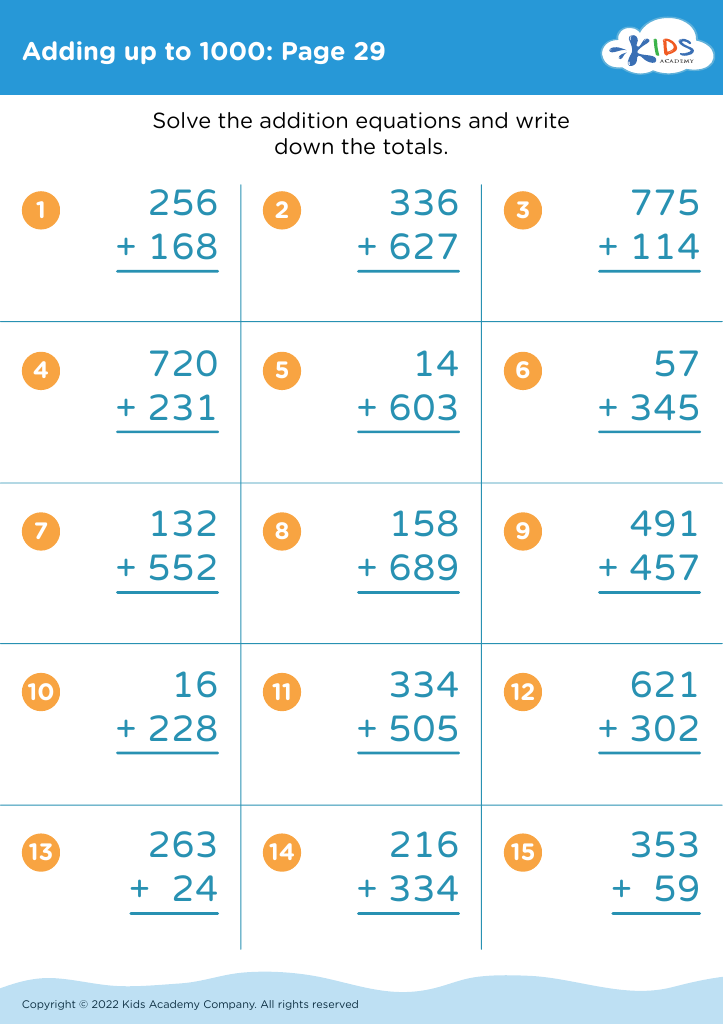
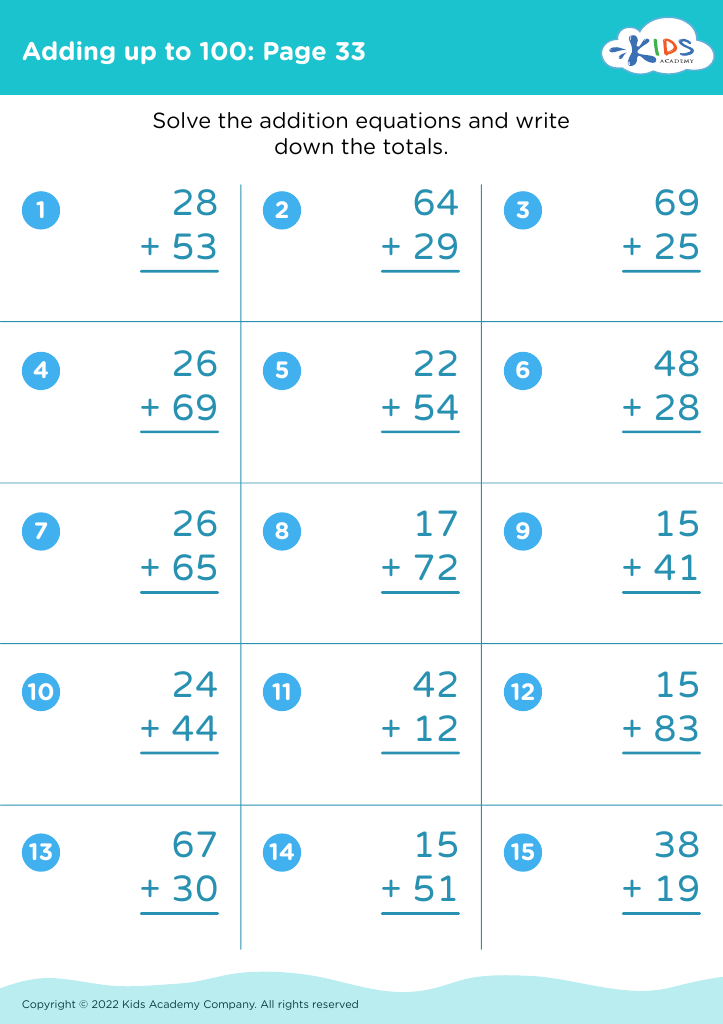
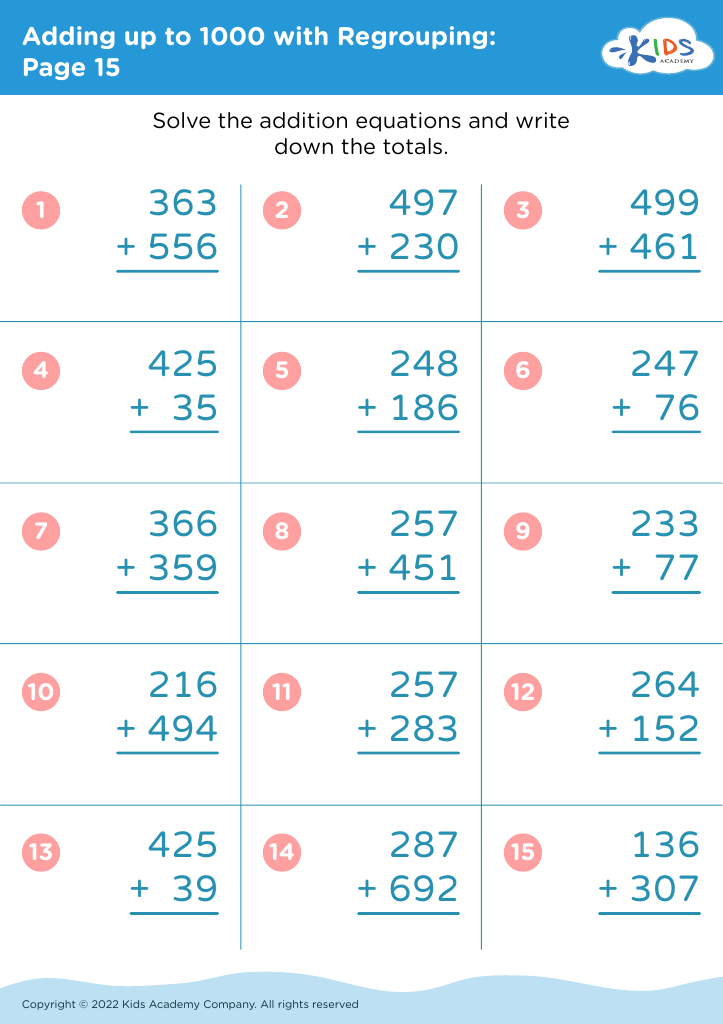
Enhance your child's understanding of time with our engaging Time Conversion Skills Addition & Subtraction Worksheets, specifically designed for learners aged 6-9. These worksheets focus on developing essential math skills by incorporating fun, time-related scenarios that help kids practice addition and subtraction in real-world contexts. Each worksheet encourages children to convert time between hours, minutes, and seconds, fostering both mathematical proficiency and a deeper understanding of time management. Perfect for home or classroom use, our resources make learning time concepts enjoyable, interactive, and easy to assimilate. Equip your child with the skills they need to excel in their mathematical journey!








Learning time conversion, along with addition and subtraction skills, is essential for children aged 6-9 for several reasons. First, mastering these skills promotes mathematical fluency, building a strong foundation for more complex concepts in the future. At this age, children start recognizing the practical importance of math in everyday life, including telling time, which is crucial for scheduling activities, understanding routines, and developing time management skills.
Moreover, time conversion—such as shifting between hours and minutes—enhances children's problem-solving abilities and nurtures cognitive development. Regular practice with addition and subtraction in the context of time can make learning more enjoyable by allowing kids to relate math to real-life situations they encounter daily.
Additionally, these skills contribute to a child's confidence in their mathematical abilities. By mastering time-related math problems, children gain a sense of accomplishment that motivates them to tackle more challenging tasks.
For parents and teachers, fostering these skills at an early age lays a solid groundwork not only for mathematics but also for independent living skills. Ultimately, the ability to convert time and perform basic arithmetic functions empowers children to function effectively in adult life, making it an essential area of emphasis within their education.








