Drawing skills Addition Worksheets for Ages 6-9
6 filtered results
-
From - To
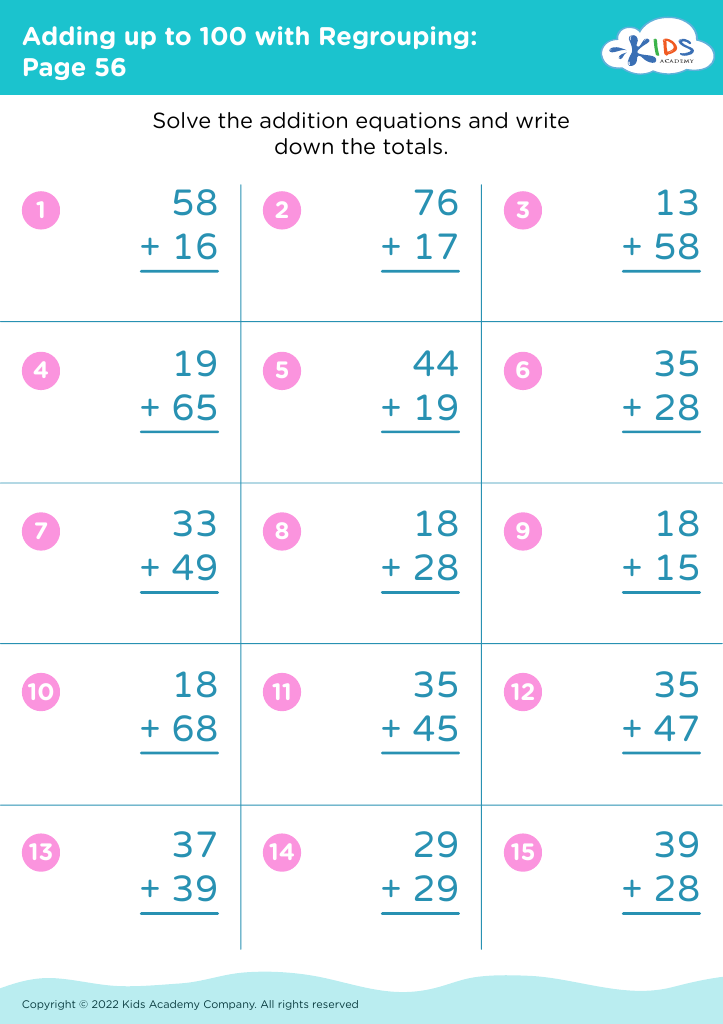
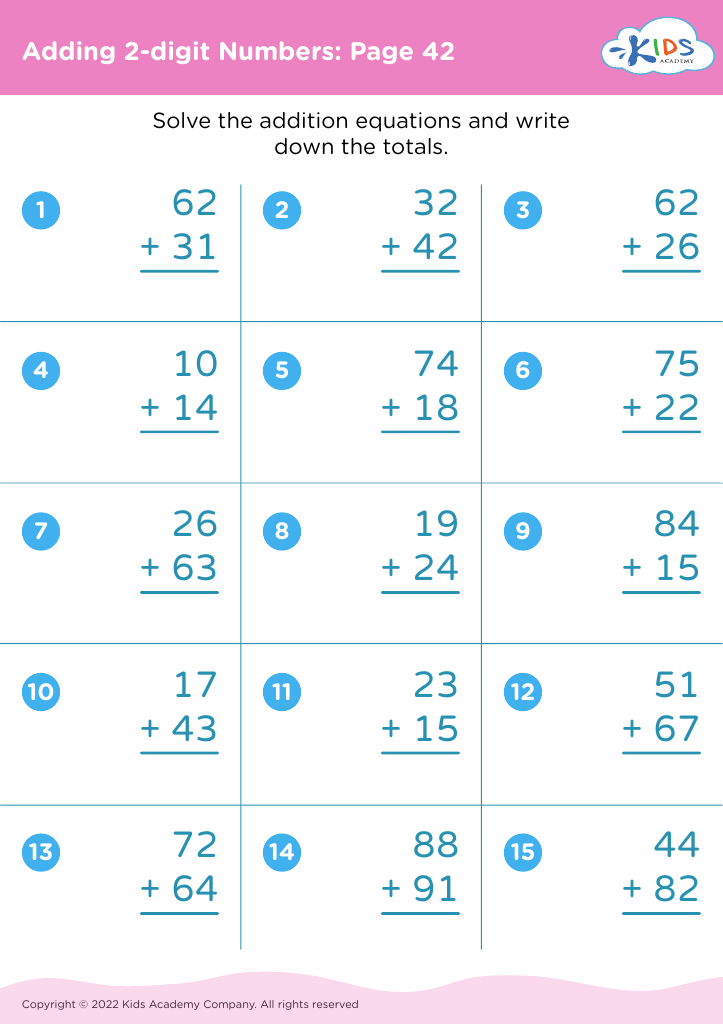
Enhance your child’s learning experience with our engaging Drawing Skills Addition Worksheets designed specifically for children aged 6-9! These tailor-made worksheets combine the joy of drawing with essential addition practice, making math fun and interactive. As kids complete each worksheet, they’ll draw objects that correspond to addition problems, reinforcing their understanding of numbers while fostering creativity. Our user-friendly design ensures that young learners stay motivated and excited about math, promoting both analytical skills and artistic expression. Whether at home or in the classroom, these worksheets are valuable tools to support your child’s math journey. Get started today and watch their skills grow!
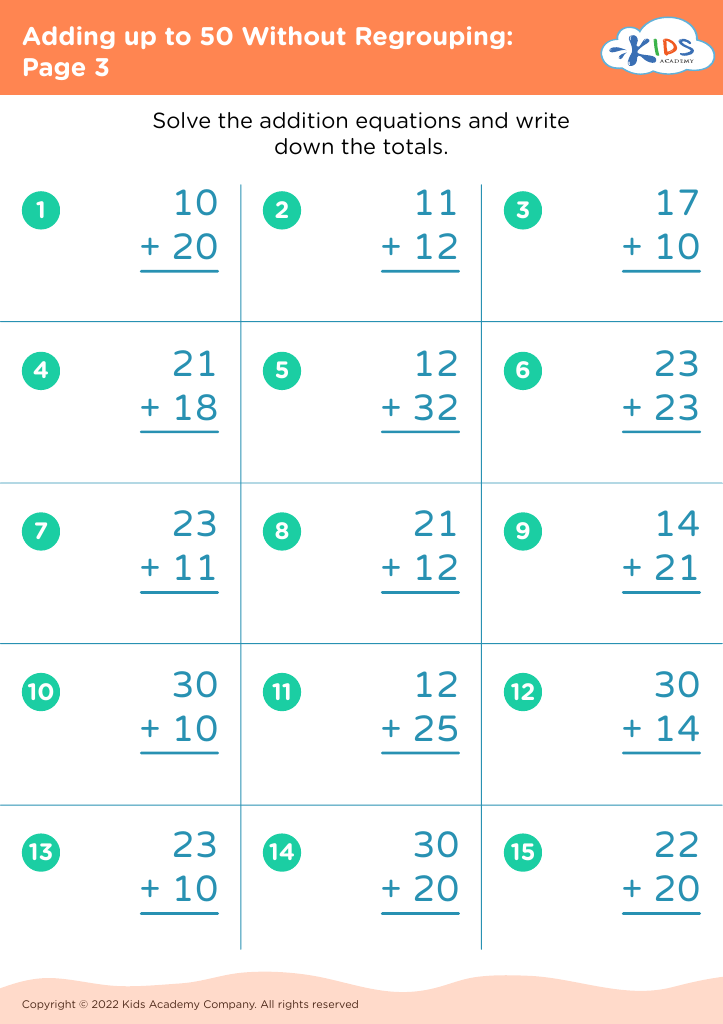
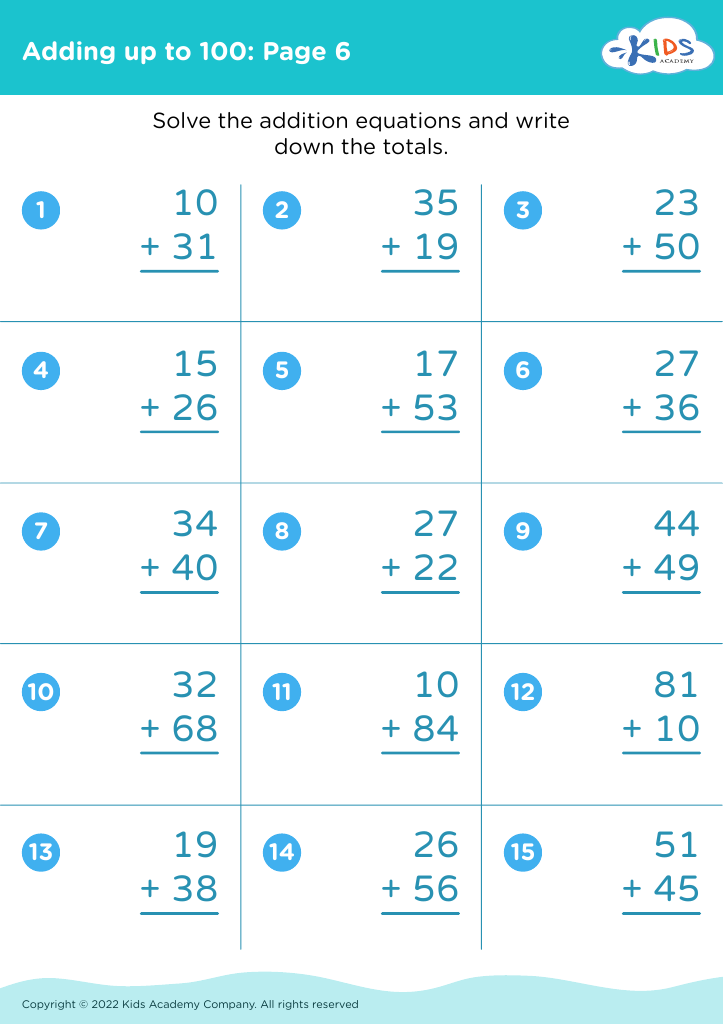
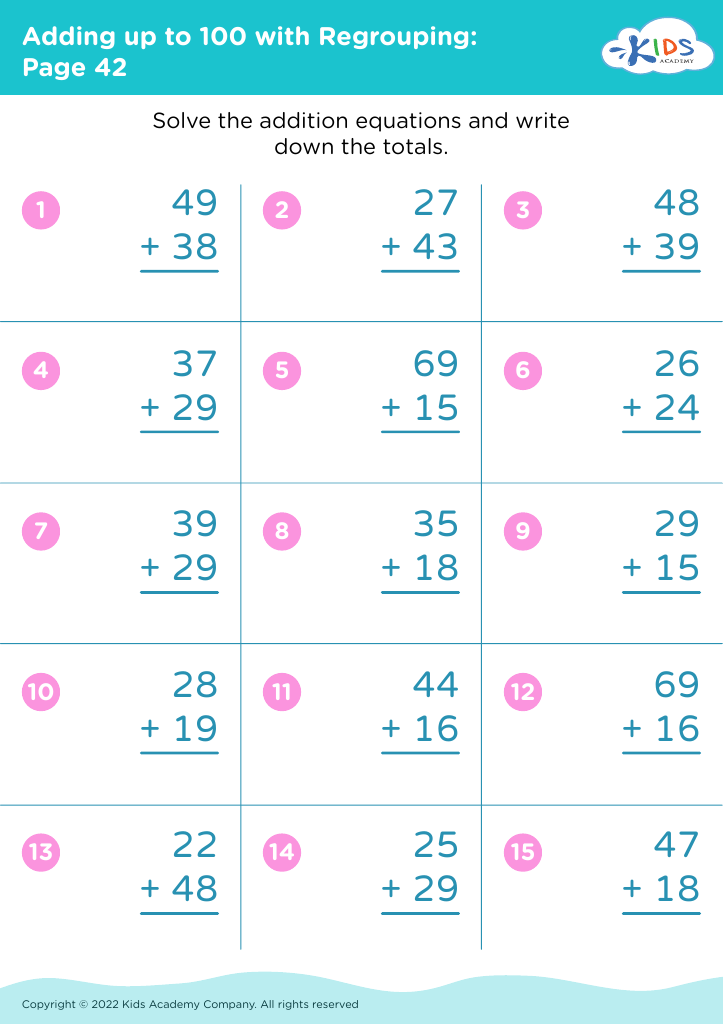
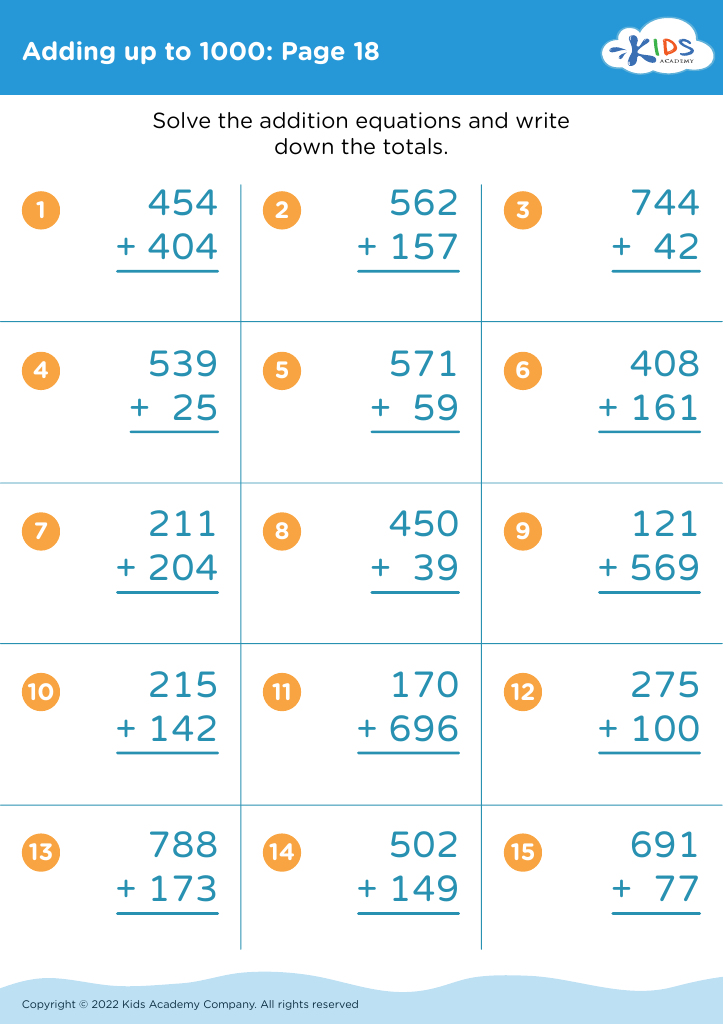








Drawing skills are essential for children aged 6-9, as they significantly contribute to cognitive, emotional, and social development. At this age, kids are discovering their world and expressing their thoughts, feelings, and experiences through art. Mastering drawing techniques enhances fine motor skills and eye-hand coordination, foundational for various academic subjects like math and writing.
Moreover, drawing helps children develop creative thinking and problem-solving abilities. It encourages them to visualize their ideas and implement unique solutions, fostering a sense of innovation. Additionally, this artistic expression serves as an emotional outlet, allowing children to communicate their feelings in a non-verbal way. This is particularly important for kids who might struggle with verbal expression.
Engaging in drawing projects provides opportunities for teamwork and collaboration, enhancing social skills as they share ideas and techniques. Furthermore, the integration of drawing into subjects such as math—such as illustrating Addition problems—makes learning more enjoyable and accessible. As children creatively visualize mathematical principles, it deepens their understanding and retention. Therefore, parents and teachers should prioritize drawing skills for children aged 6-9 to nurture their overall development, creativity, and academic success.








