Enhance number recognition Addition Worksheets for Ages 6-9
17 filtered results
-
From - To
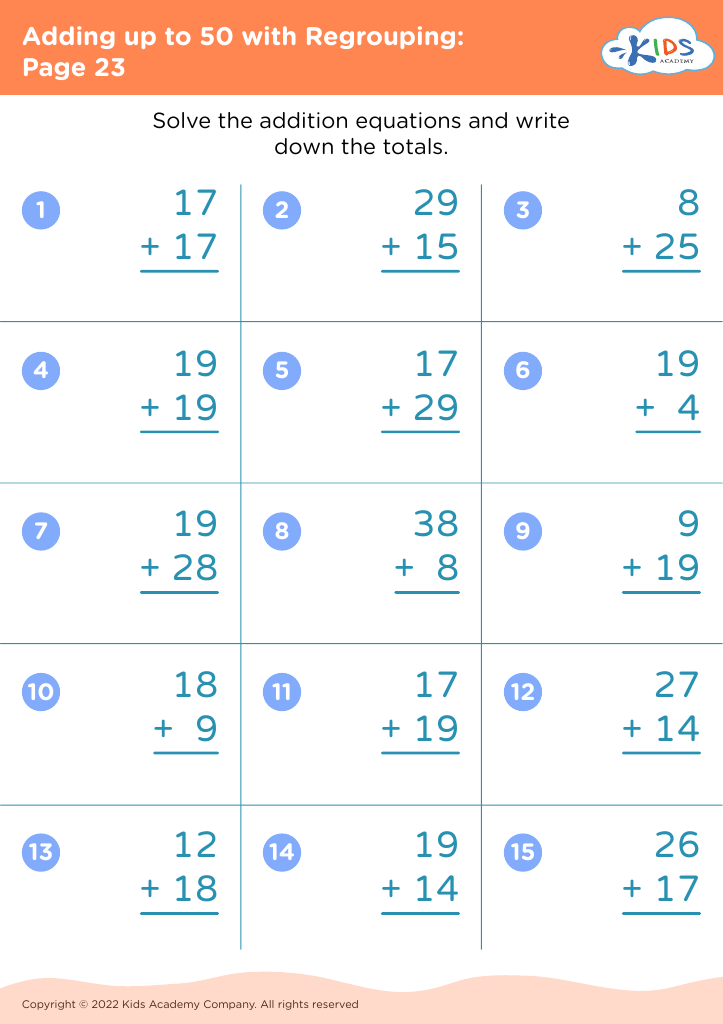
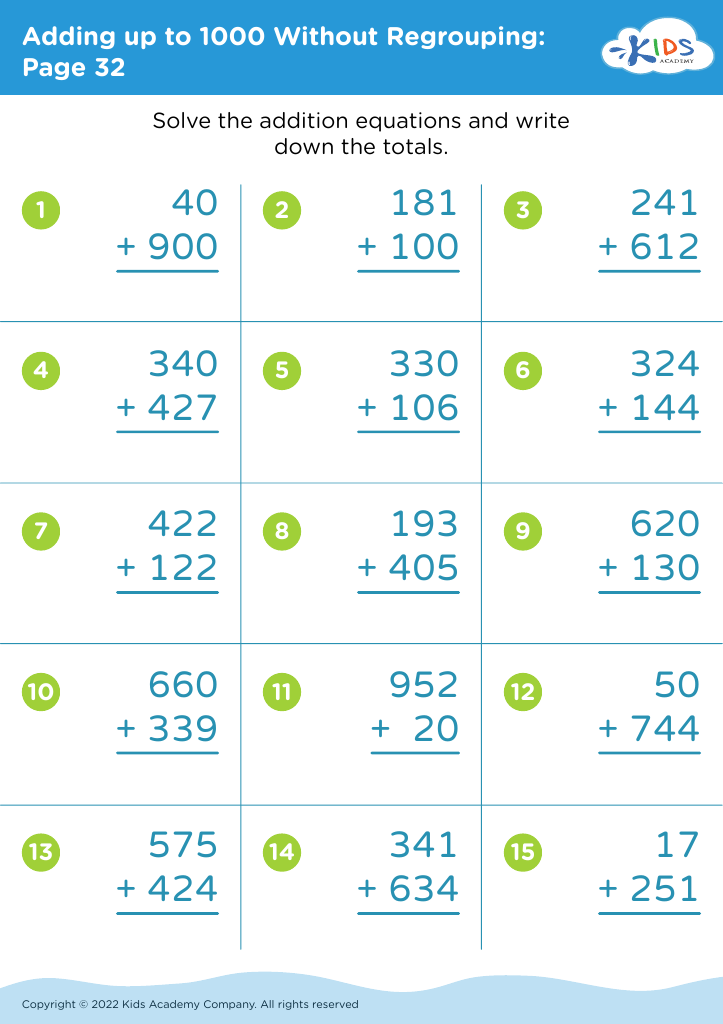
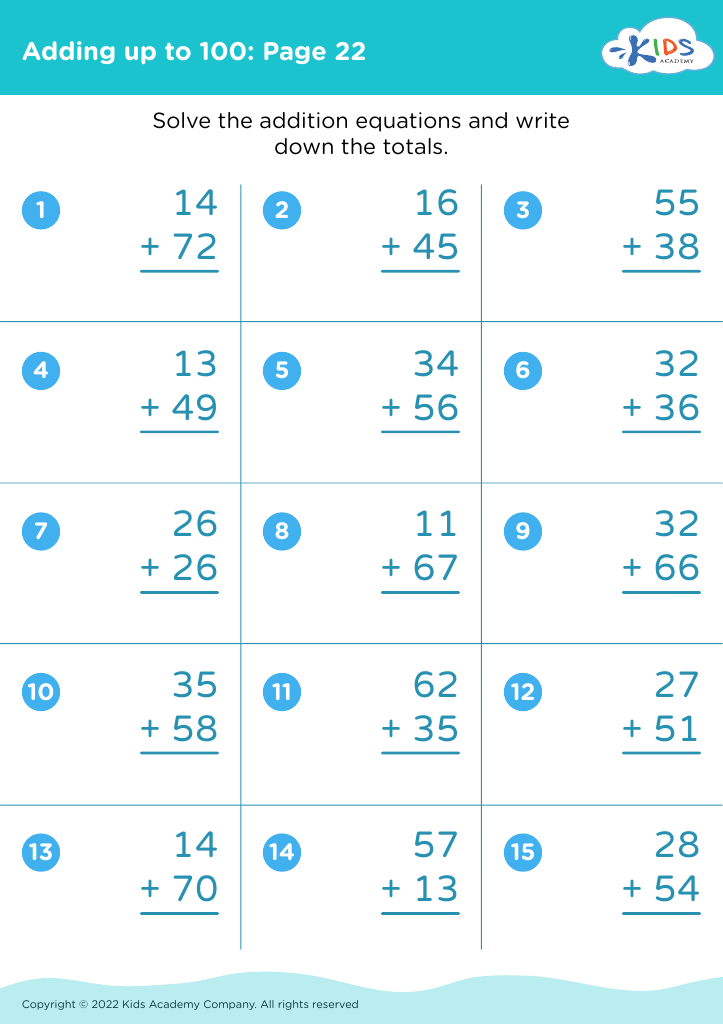
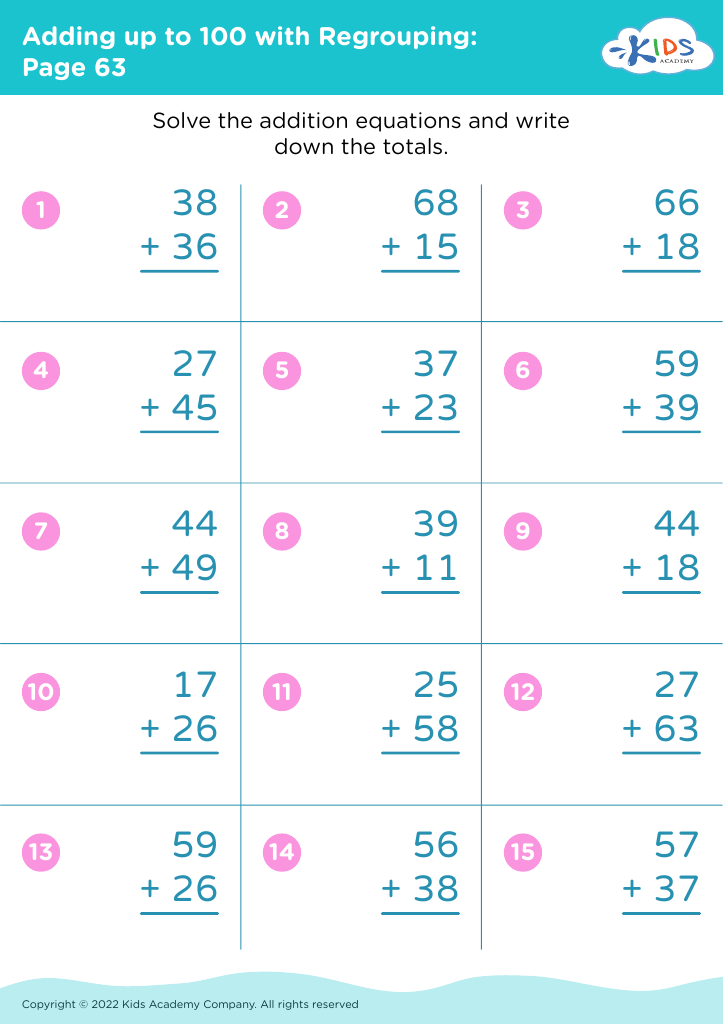
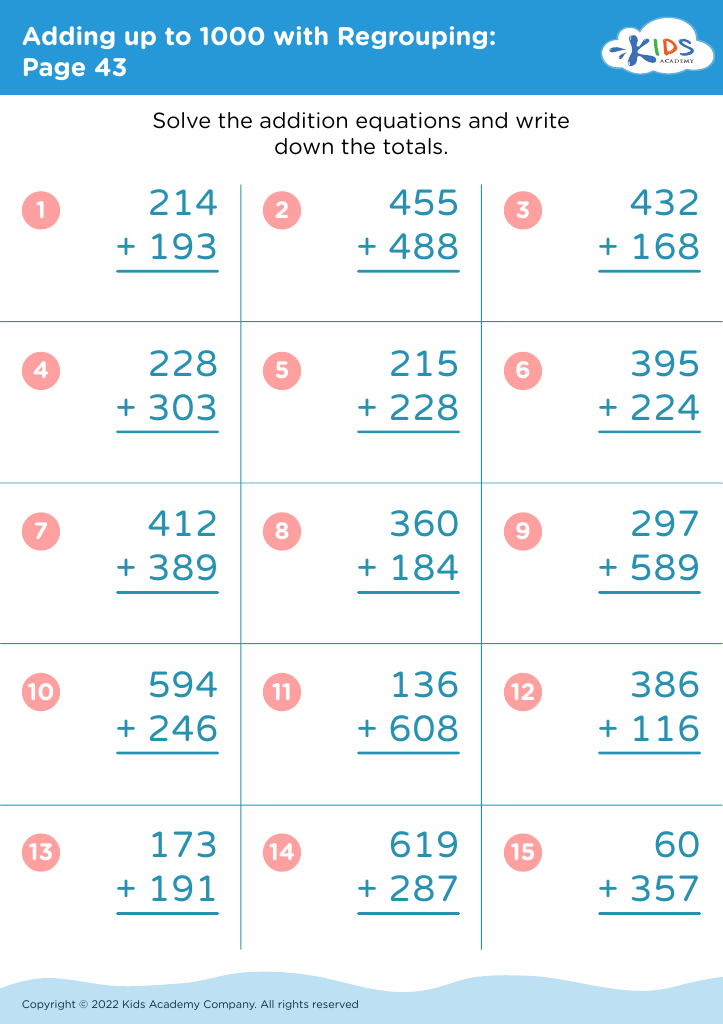
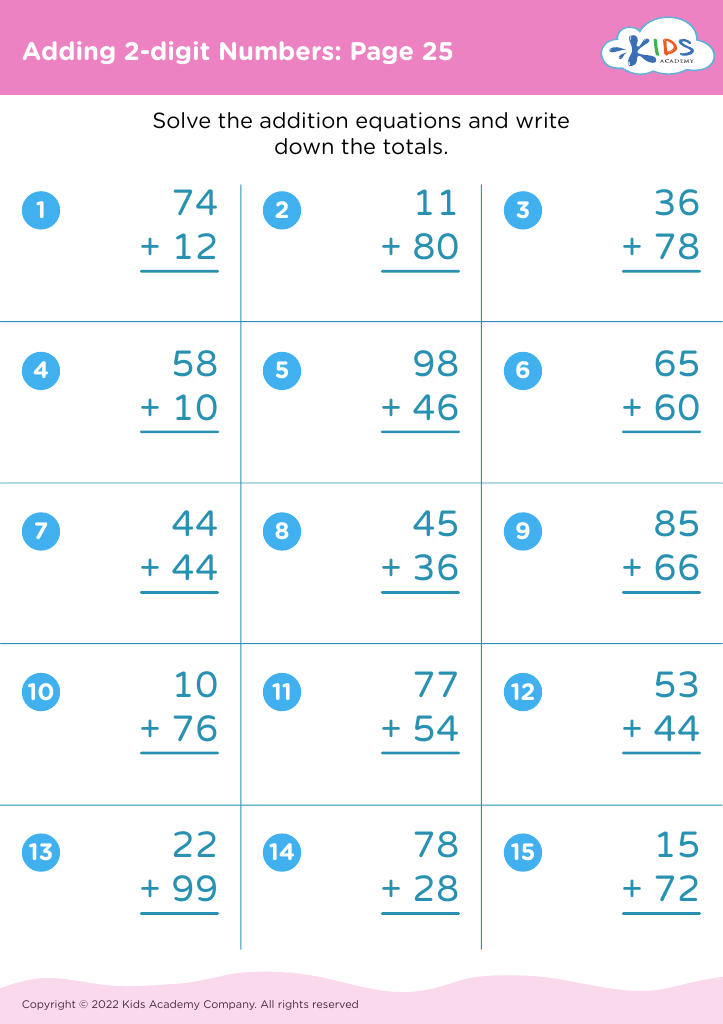
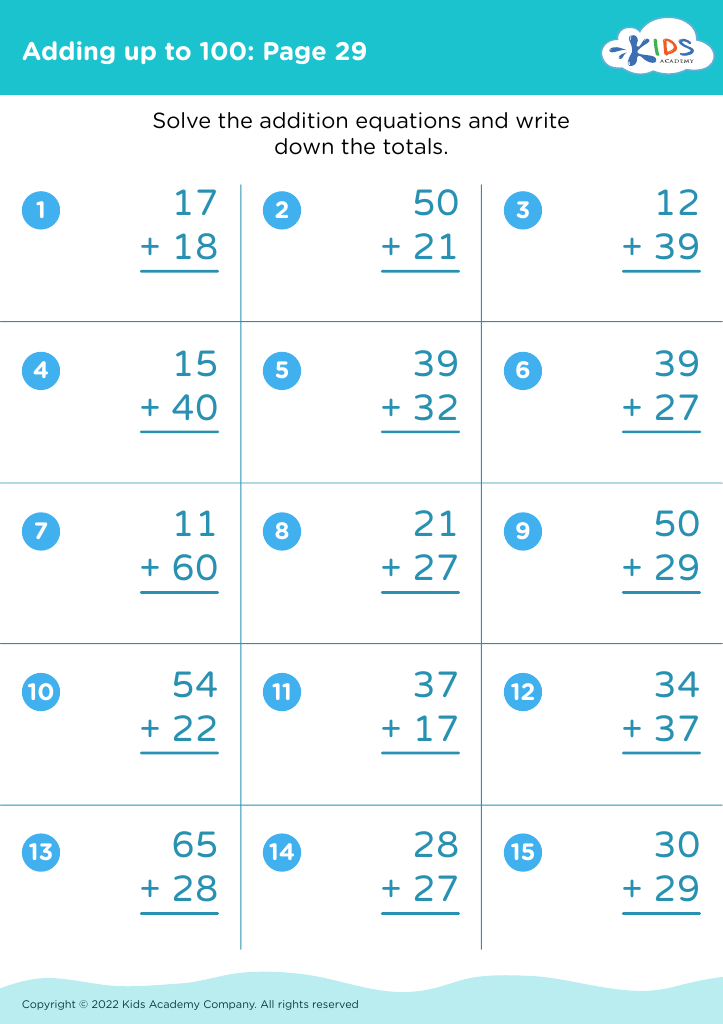
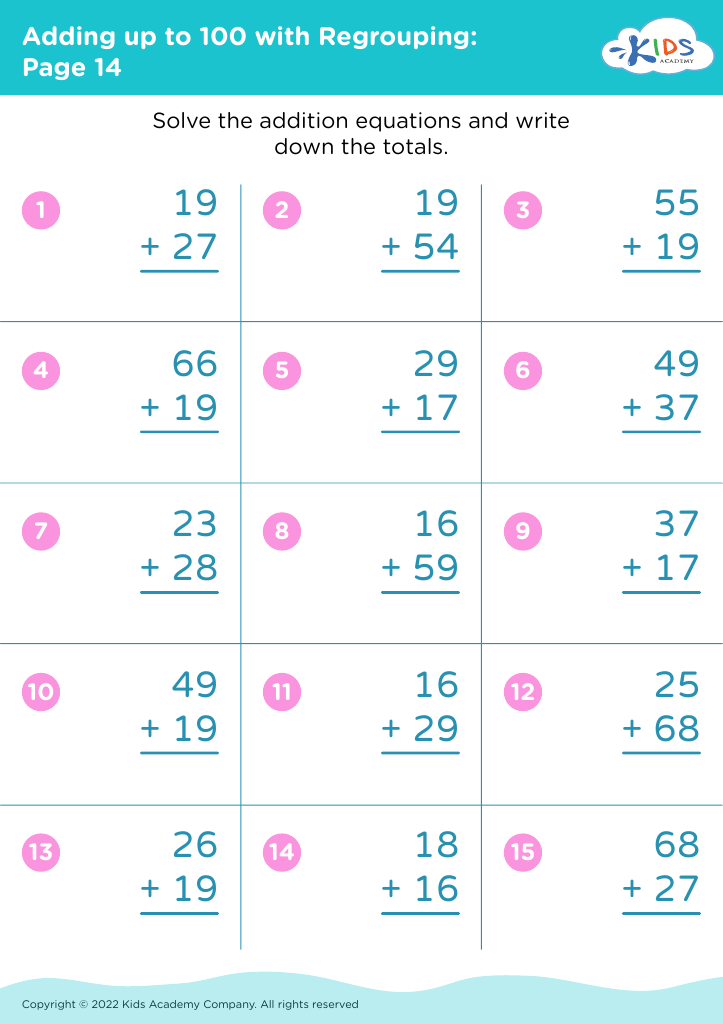
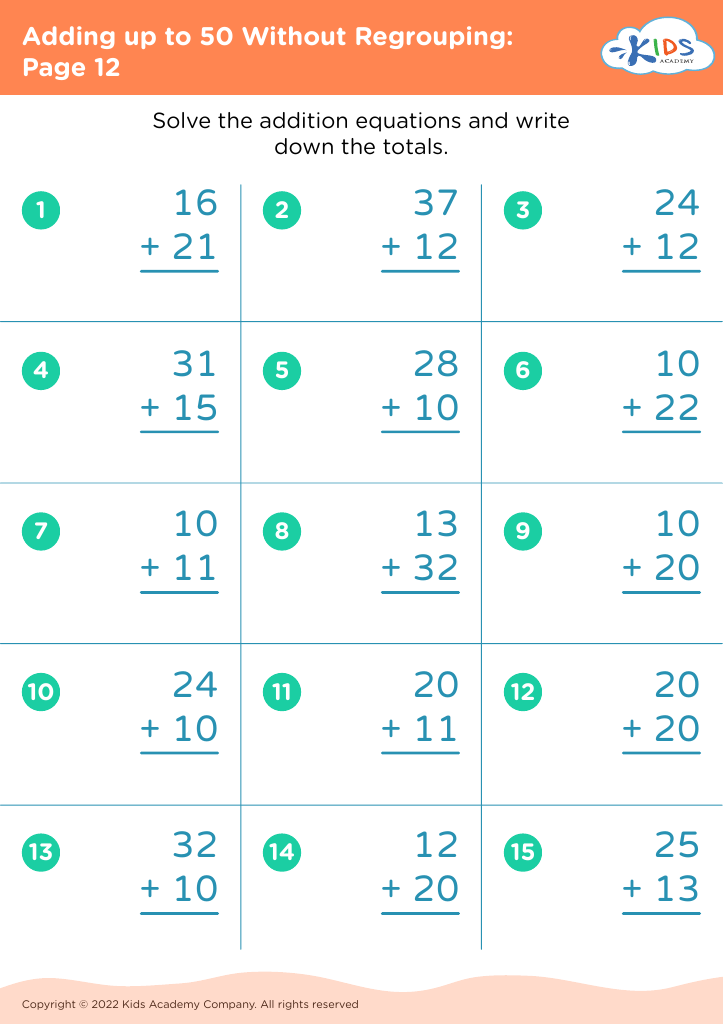
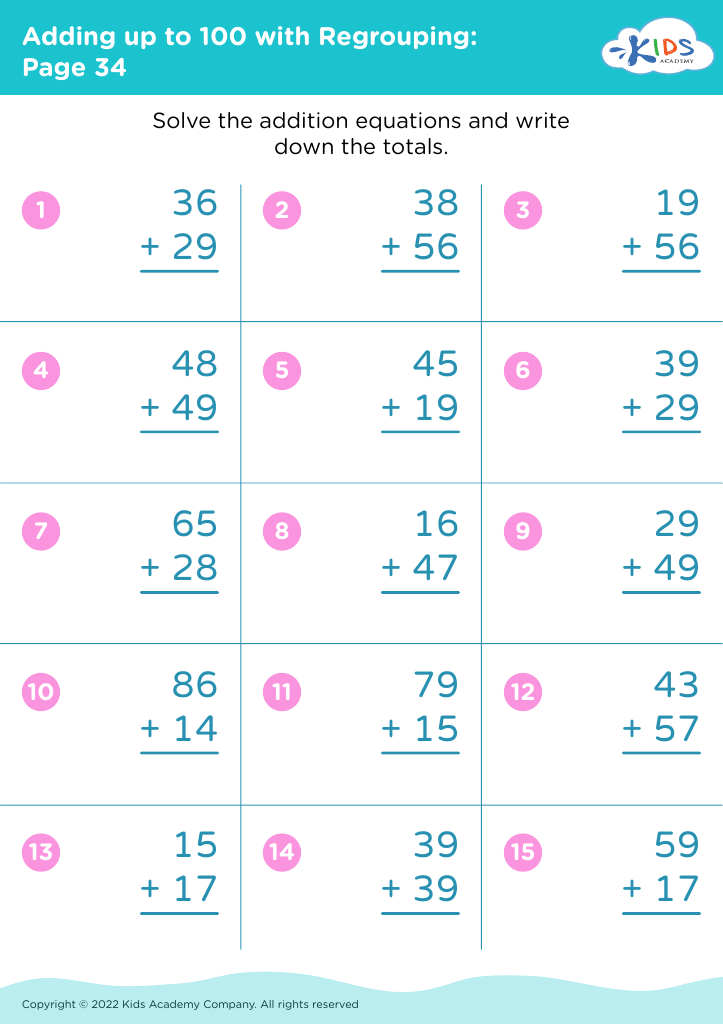
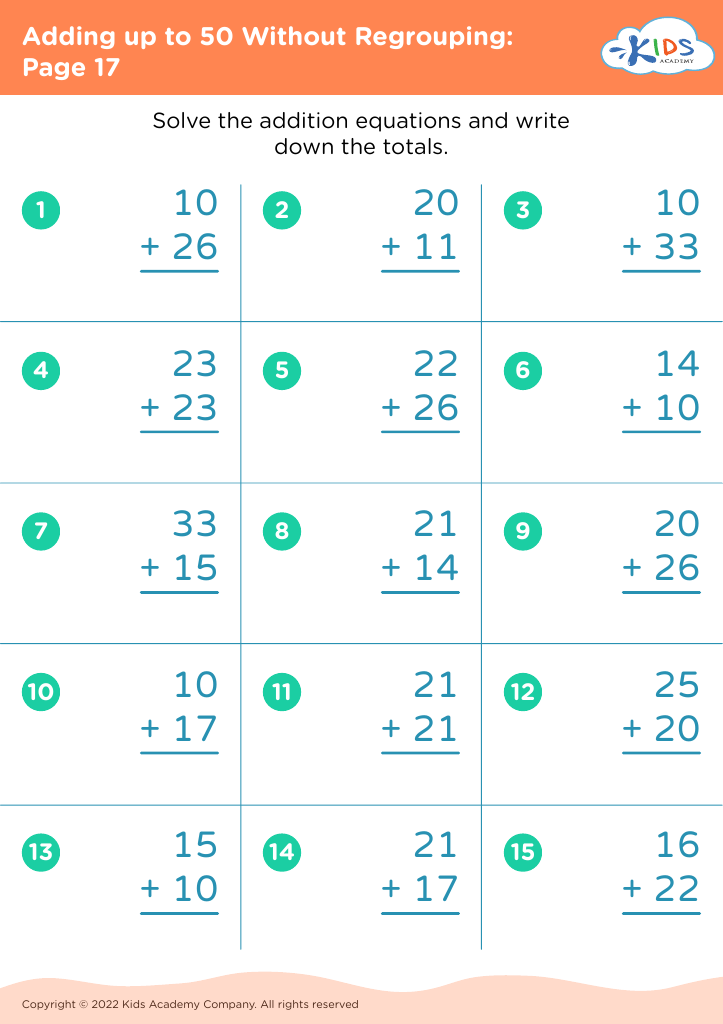
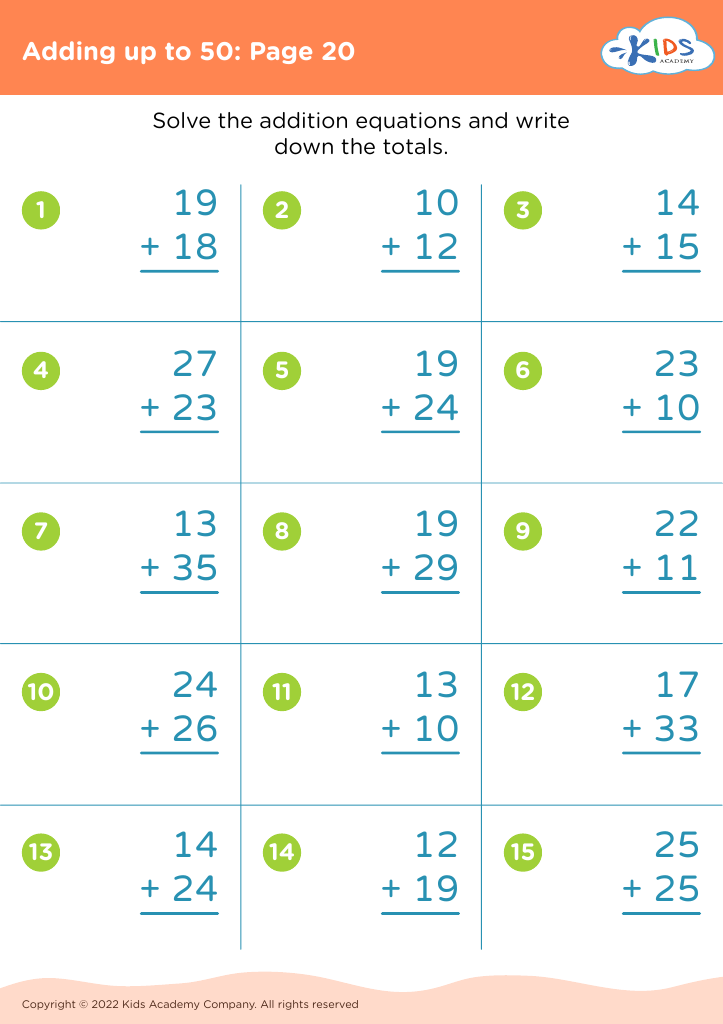
Explore our Enhance Number Recognition Addition Worksheets designed for children ages 6-9! These engaging, interactive worksheets help young learners build crucial math skills by combining number recognition and basic addition exercises. Ideal for home or classroom use, our worksheets are crafted to make learning fun and accessible. With a variety of age-appropriate activities, children will develop their confidence and proficiency in recognizing numbers while mastering addition concepts. Featuring colorful illustrations and appealing layouts, these worksheets are perfect for fostering a love of math. Start your child’s educational journey today and watch them flourish in their number recognition and addition skills!
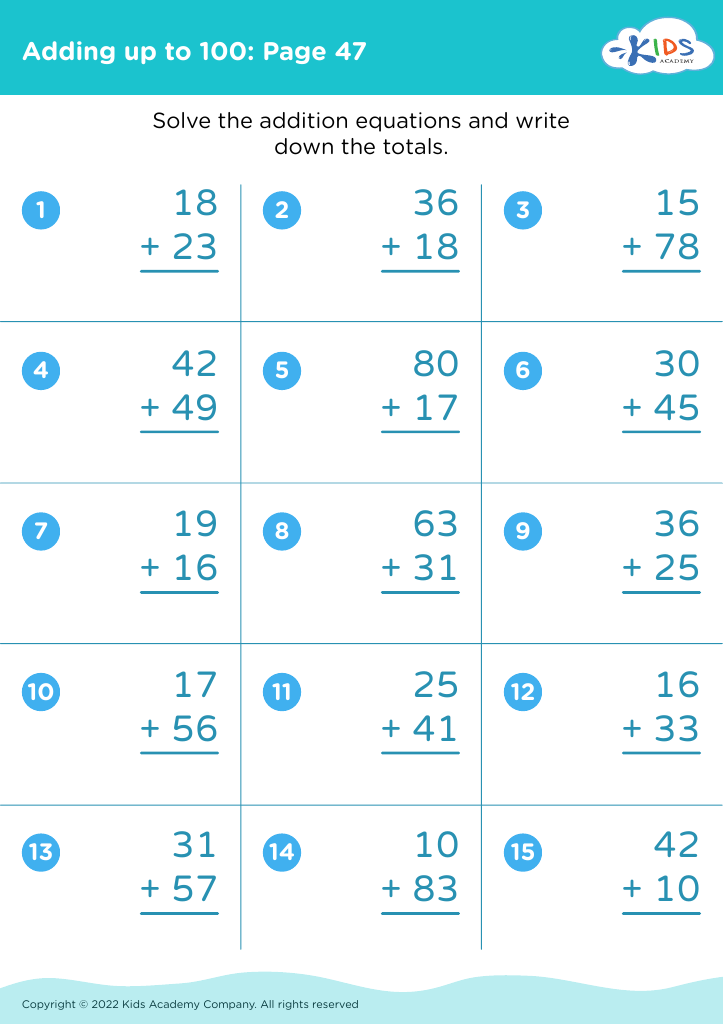
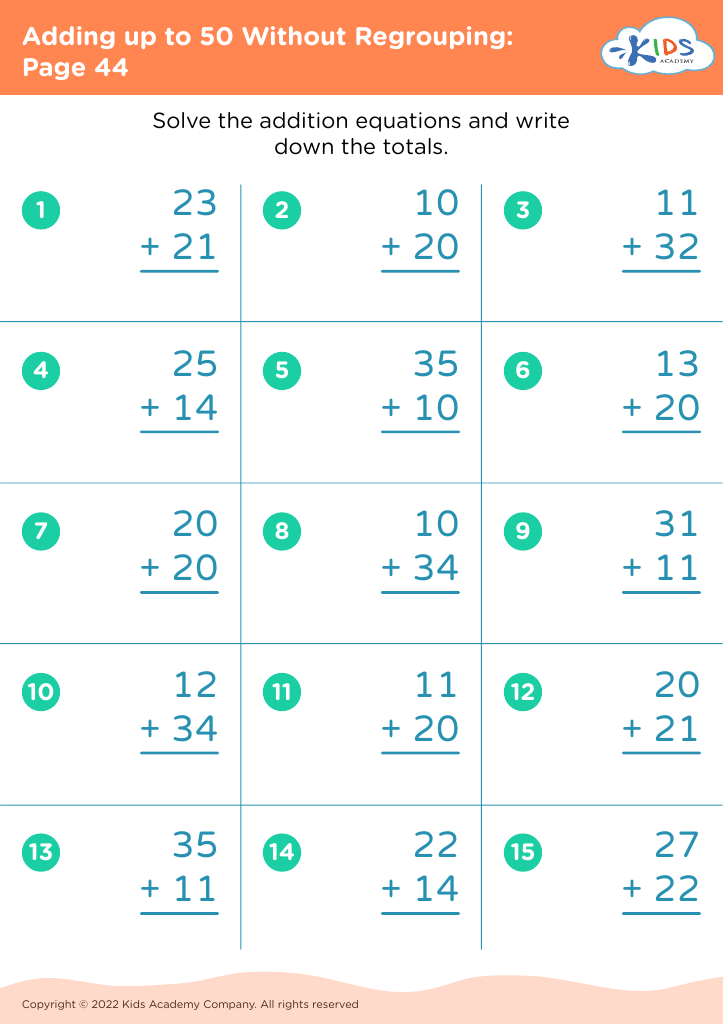
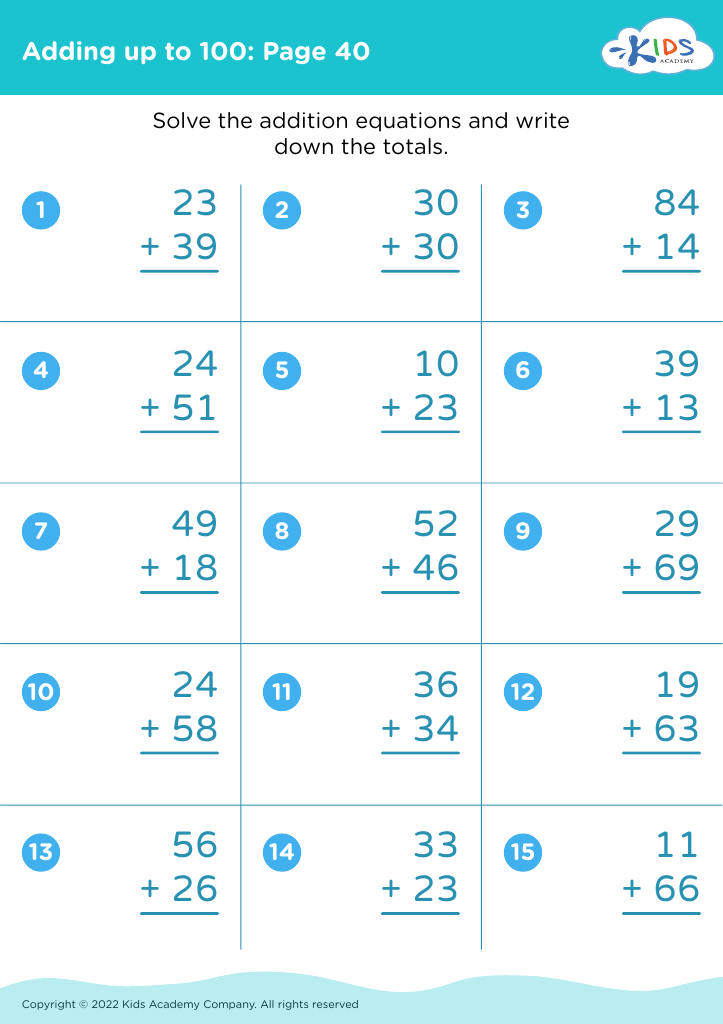
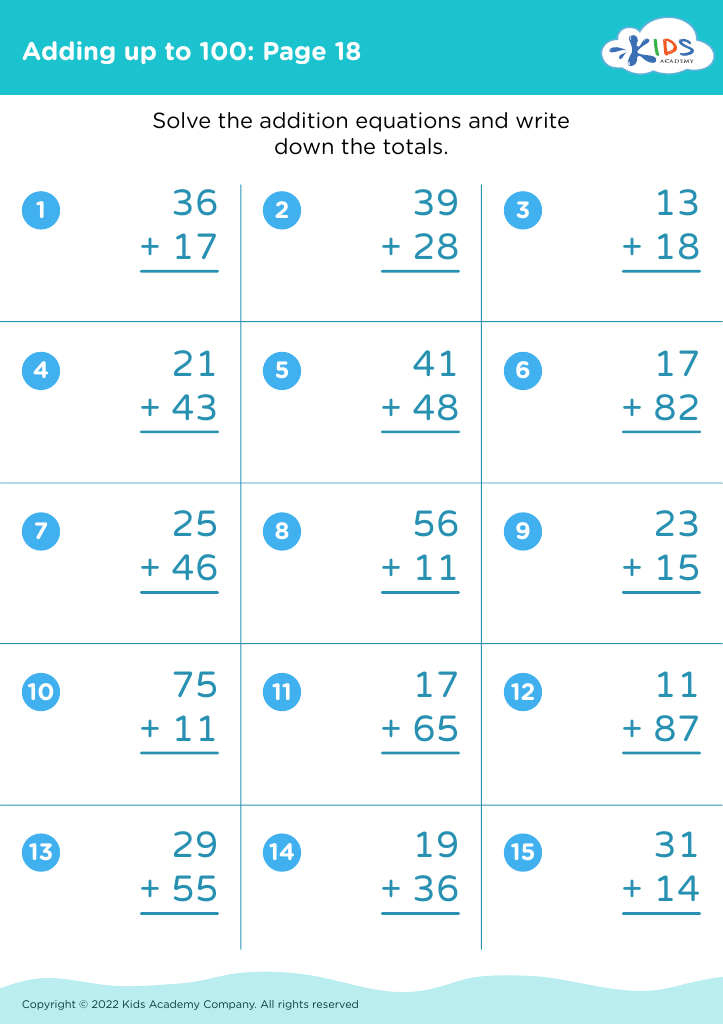
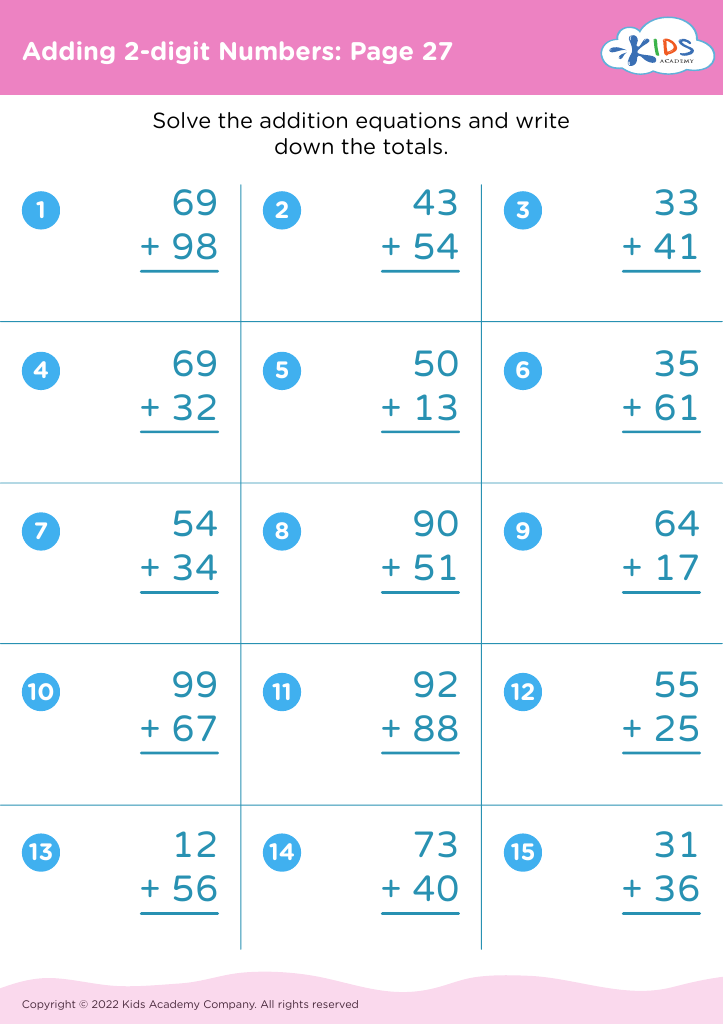








Enhancing number recognition and addition skills for children aged 6-9 is crucial for several reasons. First, this age group forms the foundation for mathematical understanding, and proficient number recognition enables children to identify and manipulate numbers confidently. This skill serves as a building block for more complex concepts, promoting a mathematical mindset that encourages problem-solving and critical thinking.
Secondly, strong number recognition paired with addition skills also fosters a child's ability to engage with mathematical language and symbols, which is essential for effective communication in both academic and real-life situations. This ability helps children understand math-based word problems and apply addition in practical contexts, such as shopping or sharing items.
Additionally, robust number recognition and addition skills contribute to a child's overall confidence in their abilities. When children master these foundational concepts, they often experience improved self-esteem and a positive attitude toward learning, laying the groundwork for lifelong learning habits.
Lastly, strong mathematical skills can lead to better academic performance across subjects, as math is intertwined with disciplines like science and technology. Thus, supporting children's mastery of number recognition and addition during these formative years is vital for their future success in school and beyond.








