Fraction Addition Addition Worksheets for Ages 6-9
14 filtered results
-
From - To
Enhance your child's math skills with our engaging Fraction Addition Worksheets, designed specifically for ages 6-9! These worksheets make learning fractions fun and accessible, helping young learners grasp the concept of adding fractions with like and unlike denominators. Each activity is age-appropriate, using colorful illustrations and interactive exercises to captivate children's attention. Parents and educators can easily incorporate these resources into their lessons, promoting a strong math foundation. With progressive difficulty levels, kids will build confidence as they practice combining fractions in a variety of contexts. Visit our site to download your free worksheets today and watch your child excel in math!
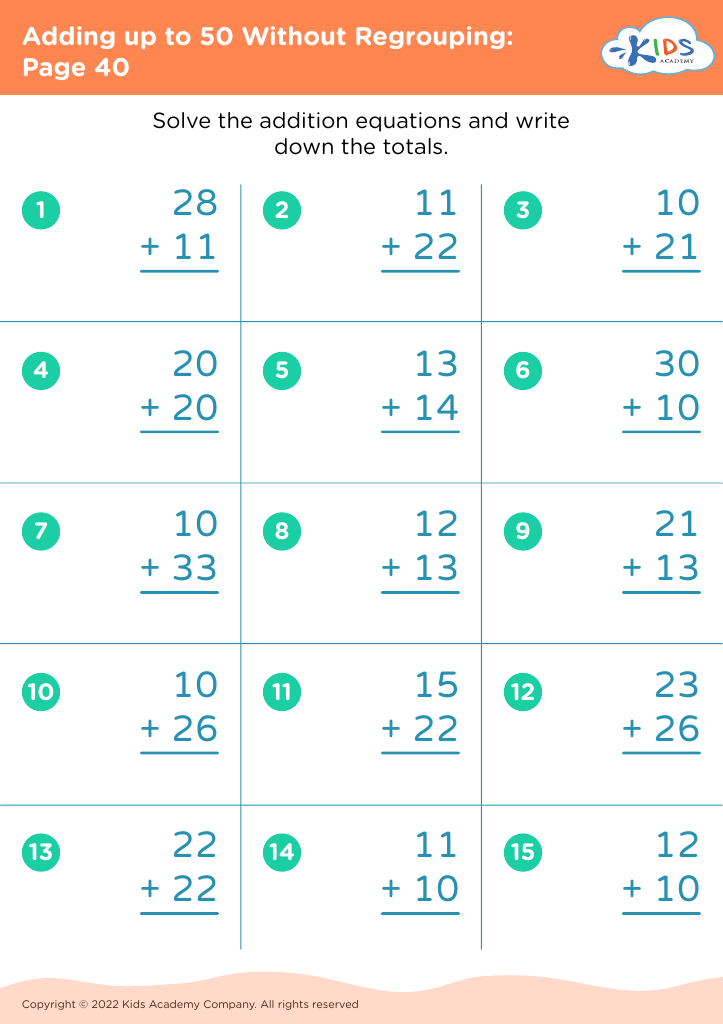
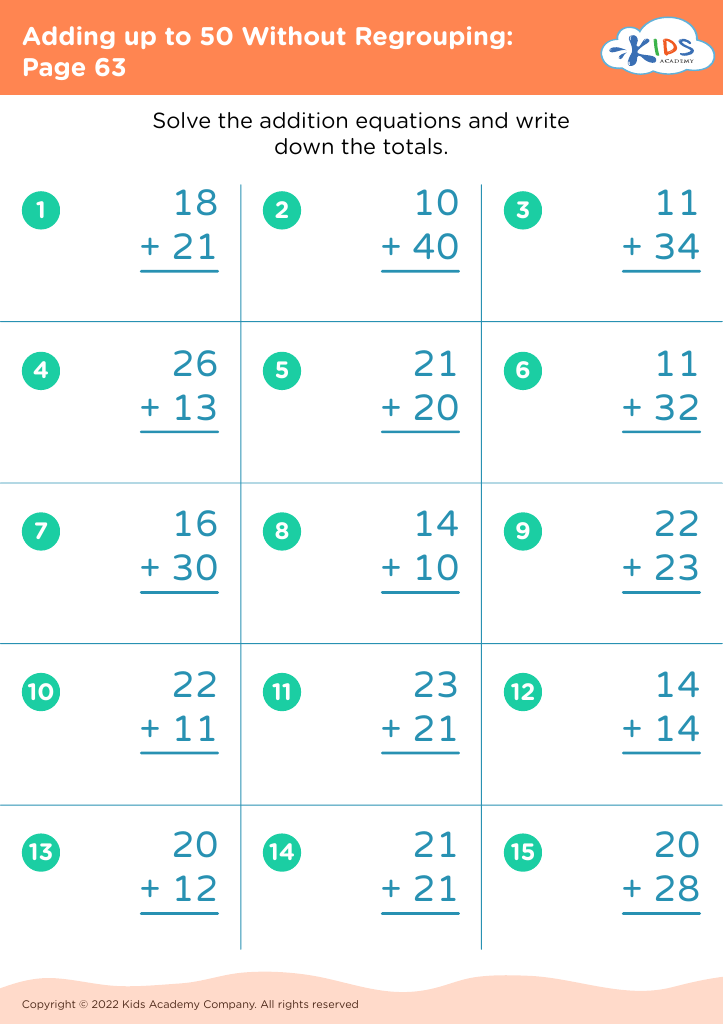
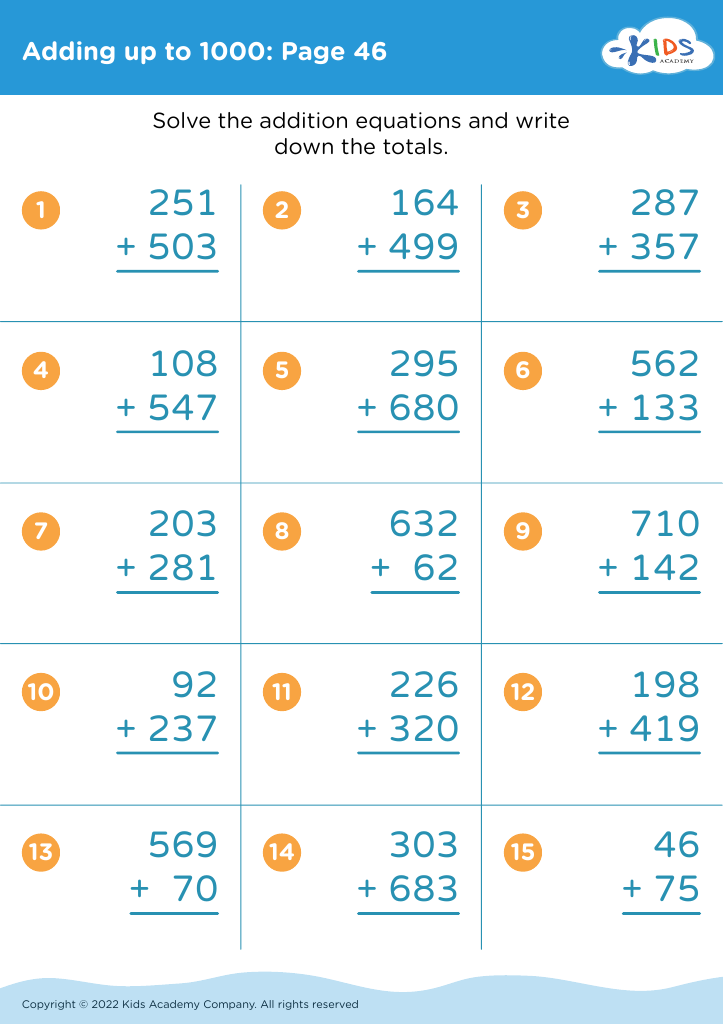
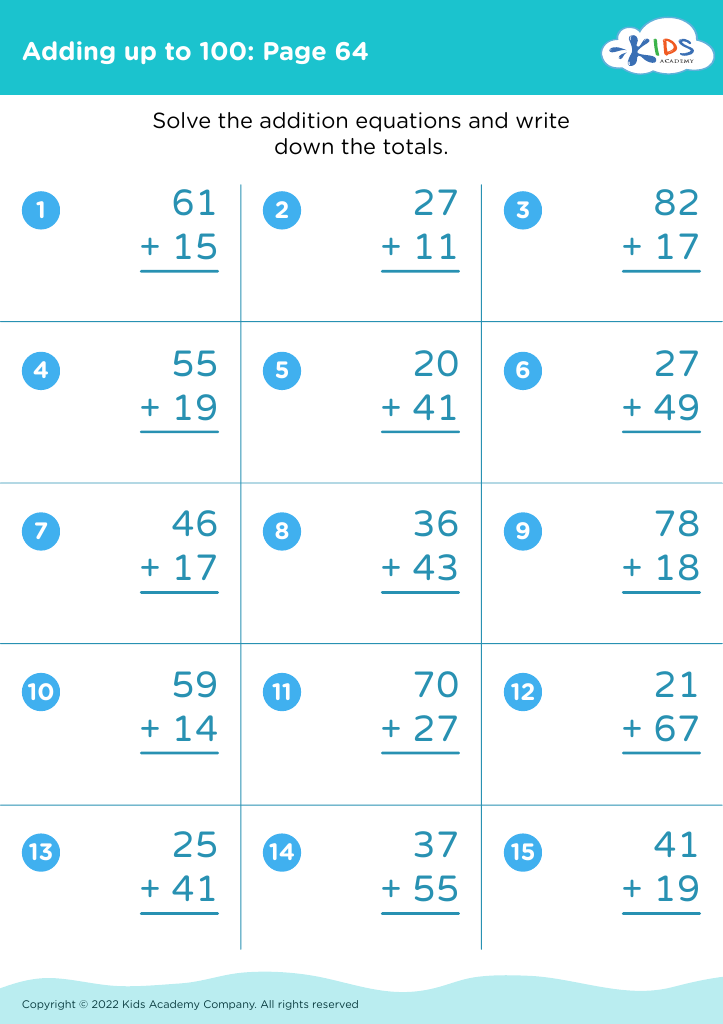
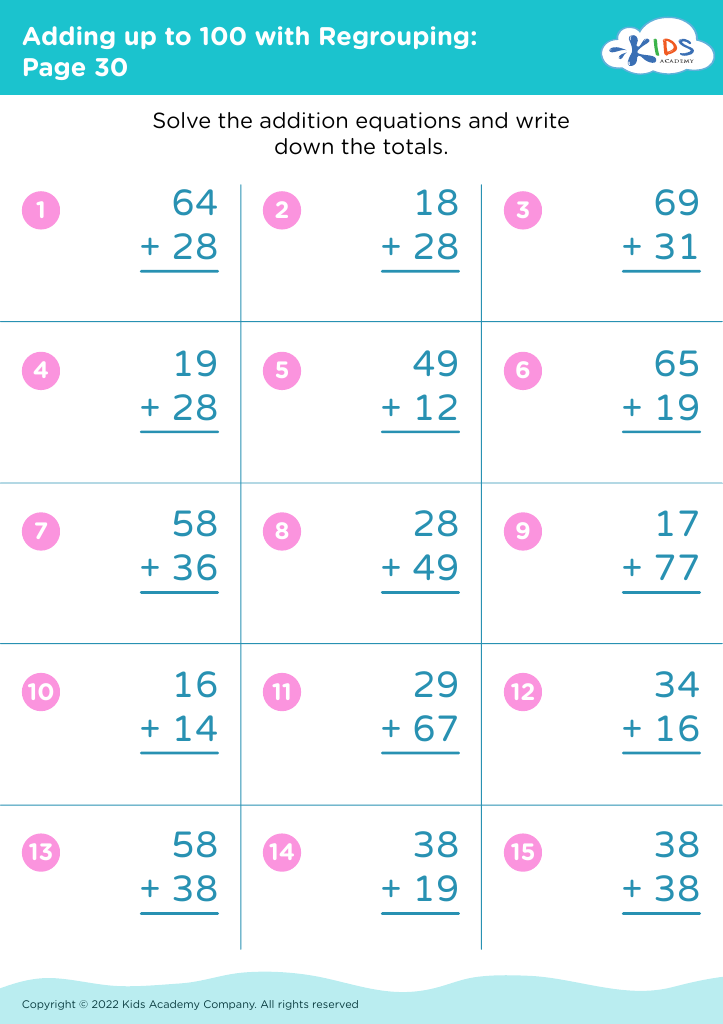
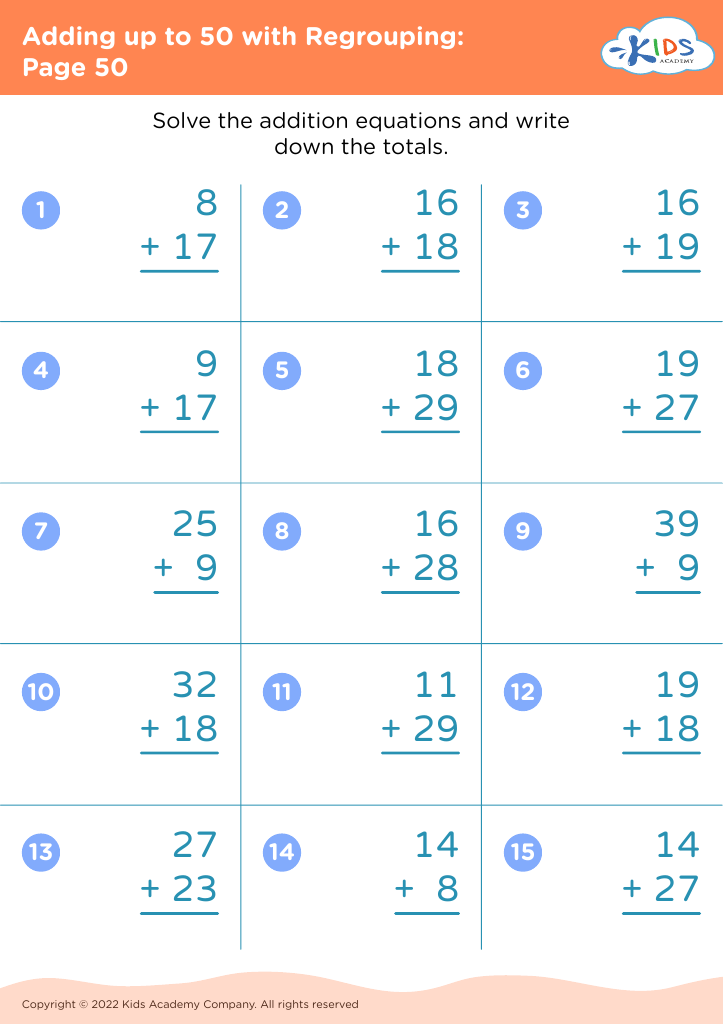
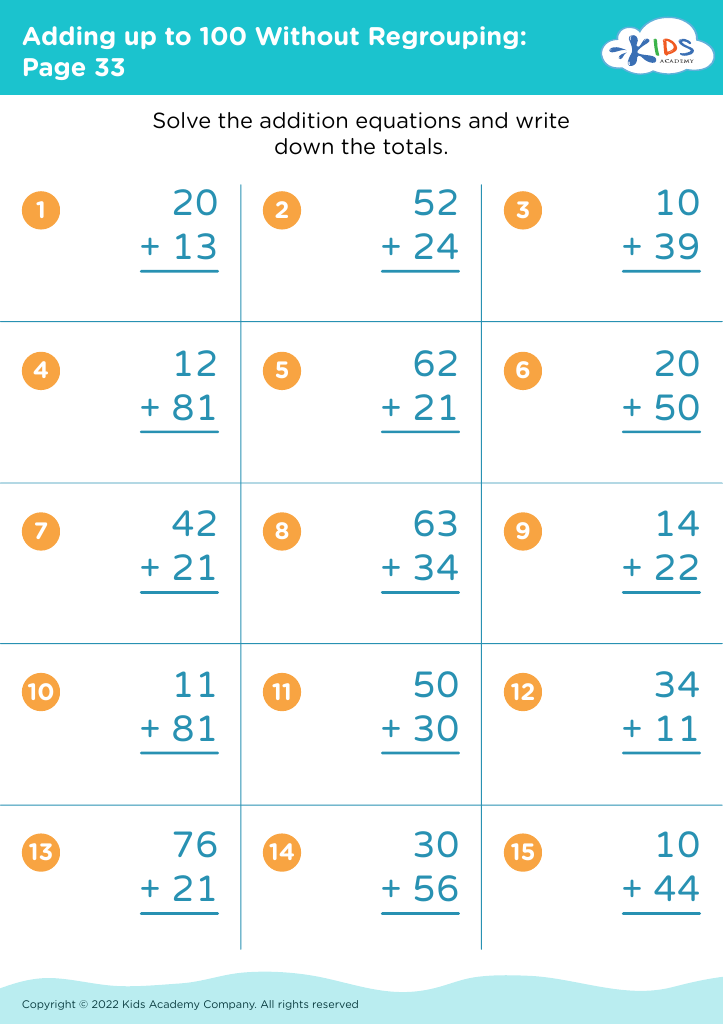
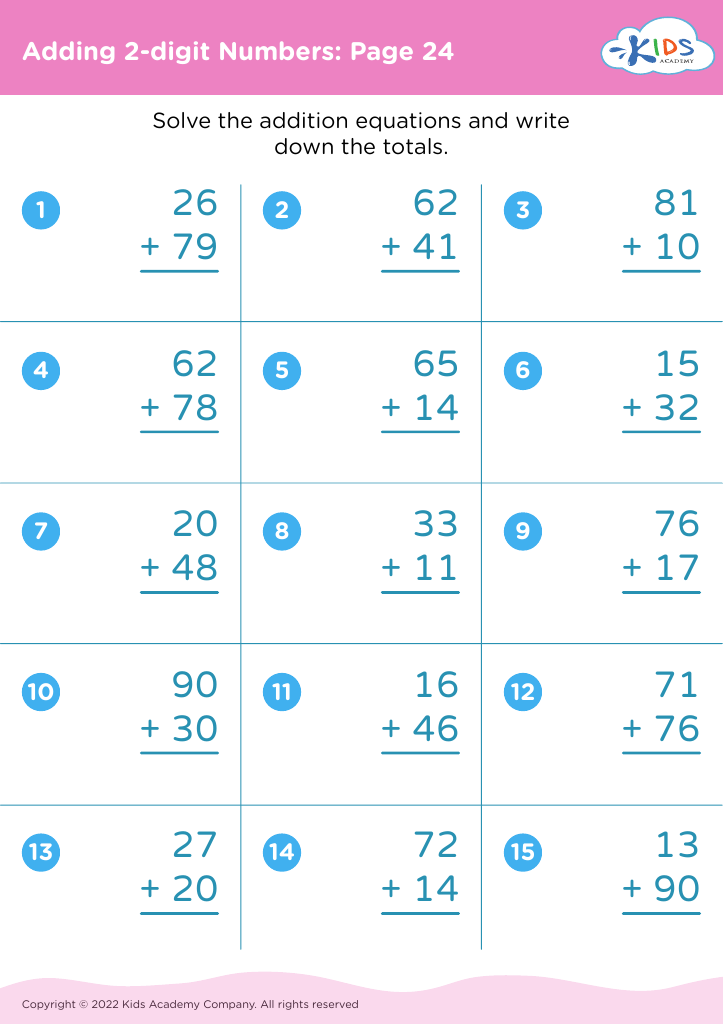
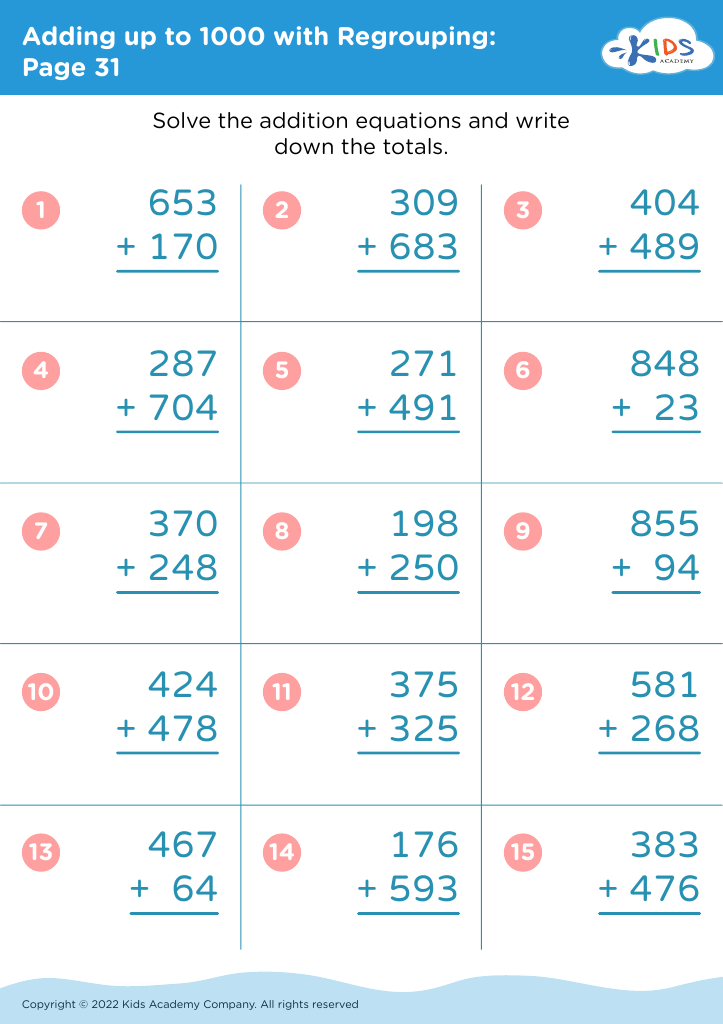
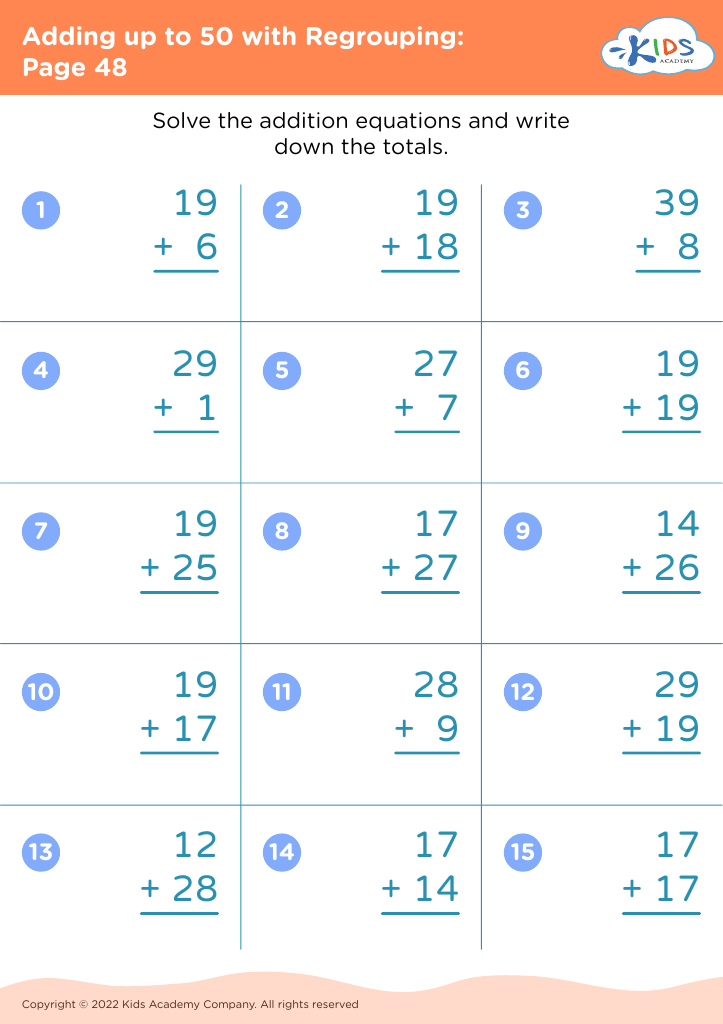
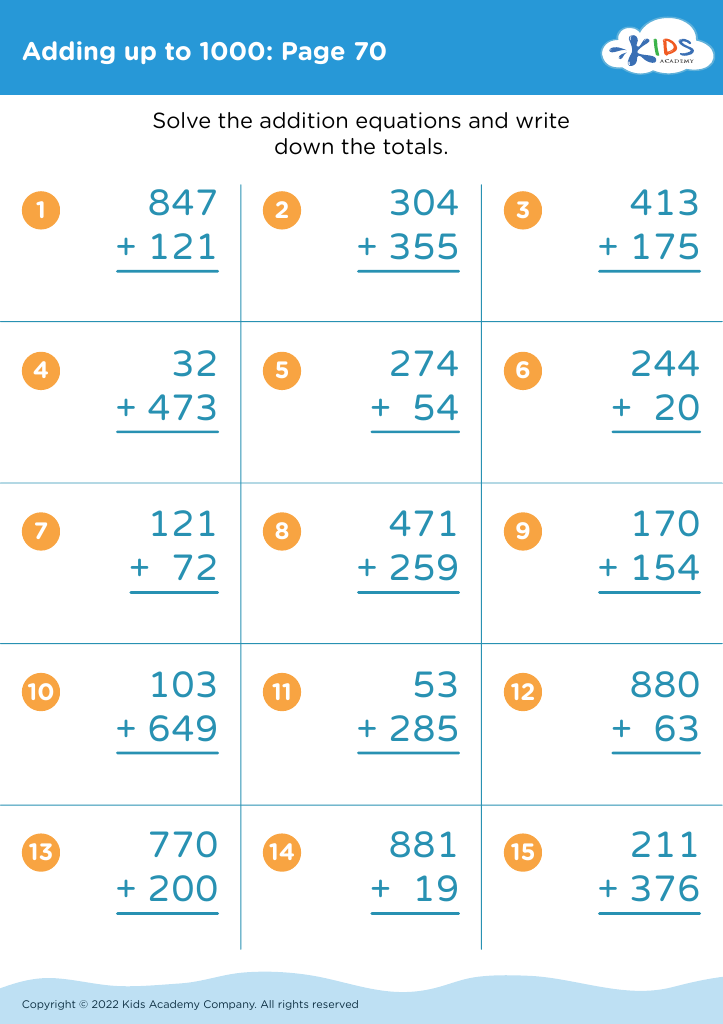
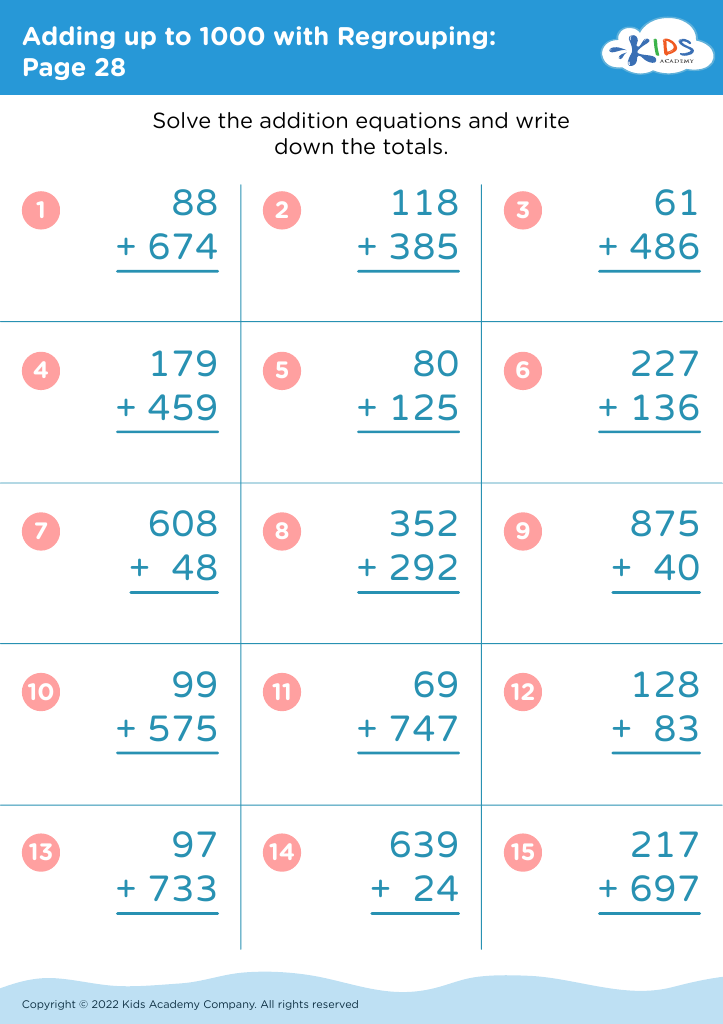


.jpg)





Parents and teachers should care about fractional addition for children aged 6-9 because it lays a critical foundation for mathematical understanding and confidence. At this age, students are transitioning from basic arithmetic to more complex concepts, and grasping fractions is essential for future success in math.
Understanding fractions promotes logical thinking and helps children develop problem-solving skills as they learn to manipulate parts of a whole. This not only aids in academic success but also fosters a growth mindset. When children practice fraction addition, they learn the importance of finding common denominators, which enhances their abilities in reasoning and comparison, two essential skills as they progress in mathematics.
Moreover, fractions are pervasive in everyday life—cooking, sharing, measuring—and by familiarizing children with these concepts early on, parents and teachers prepare them for real-world applications. Encouraging positive attitudes towards math through fun, engaging fraction activities can create lifelong learners. By emphasizing fraction addition and seeking to understand this concept through collaborative and interactive methods, adults can significantly influence a child’s numerical literacy and build a solid foundation for more advanced mathematical principles in the future.








