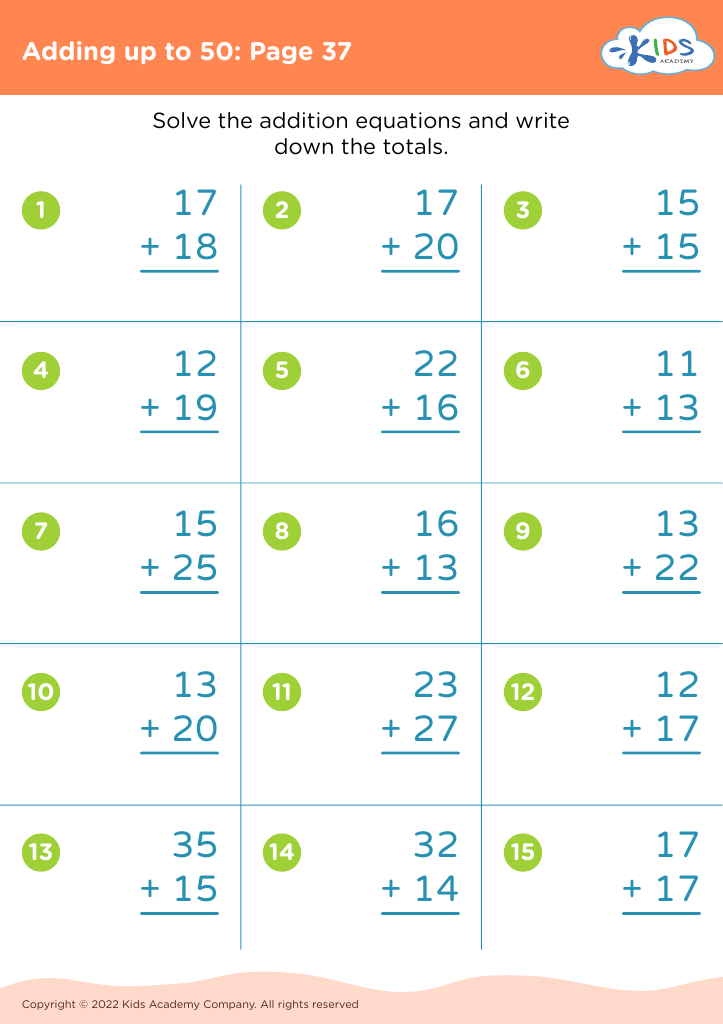
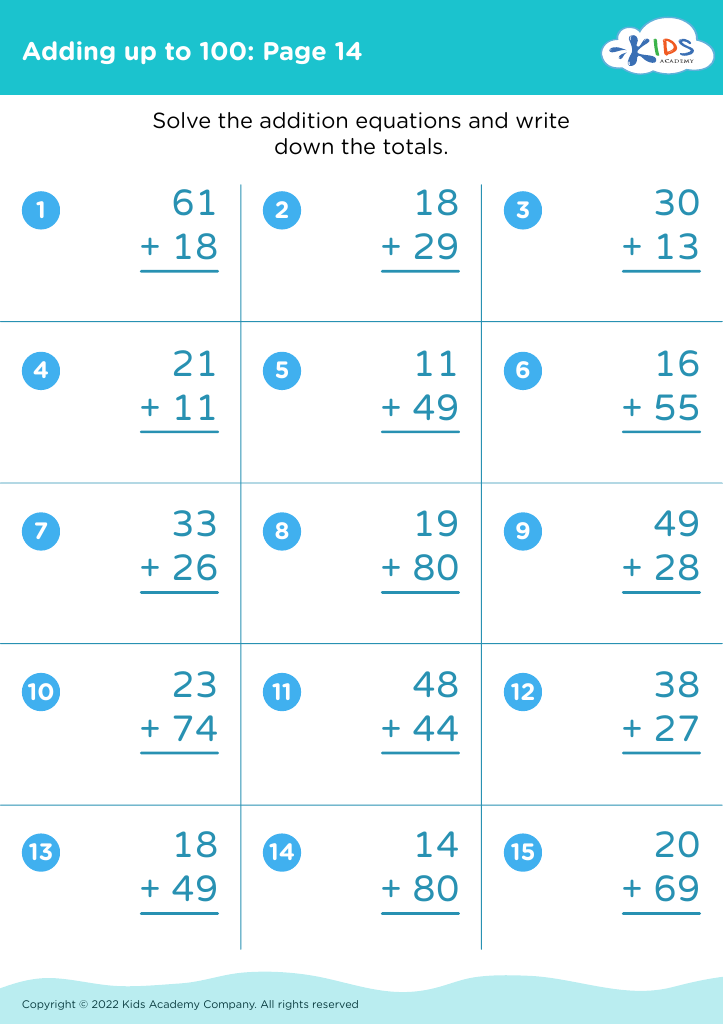
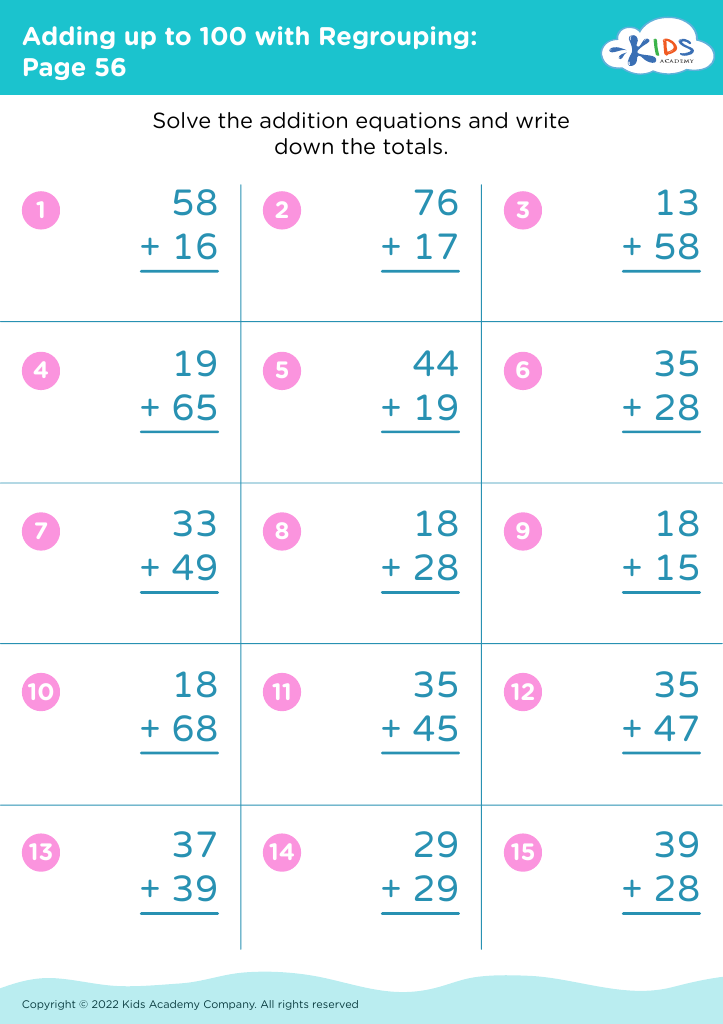
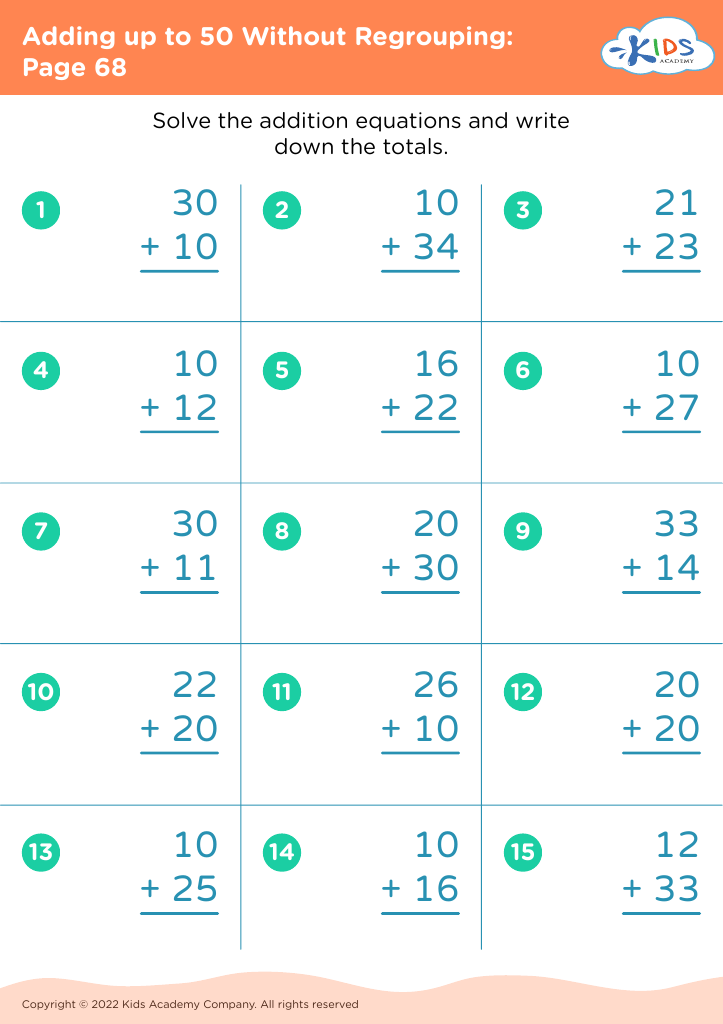








Recognizing shapes and understanding addition are crucial skills for children aged 6-9, as they lay the foundation for more complex mathematical concepts and critical thinking abilities. Parents and teachers should prioritize these skills because they are interconnected; recognizing shapes enhances spatial awareness that is vital for problem-solving in mathematics.
At this age, children are beginning to understand the relationship between numbers, and addition is one of the first operations they learn. Tackling addition with a focus on shapes allows children to visualize mathematical problems, making it more engaging and relatable. For instance, identifying shapes in everyday objects can turn a math lesson into an interactive exploration, fostering curiosity and enthusiasm for learning.
Moreover, these skills contribute to cognitive development, as recognizing patterns and sorting shapes aids in abstract reasoning. This is essential not only for mathematics but also for skills in science, art, and everyday decision-making. Furthermore, building a solid foundation in these areas supports children's self-esteem and confidence. When parents and teachers actively support shape recognition and addition, they encourage a lifelong interest in math, enhancing overall academic success and problem-solving capabilities in various life situations.








