Comparing quantities Comparing Numbers Worksheets for Ages 6-9
3 filtered results
-
From - To
Explore our engaging "Comparing Quantities and Numbers Worksheets" designed specifically for children aged 6-9! These worksheets provide a fun and interactive way for young learners to develop essential math skills by comparing numbers and quantities. With a variety of exercises, including visual aids, number lines, and practical scenarios, kids will gain confidence in distinguishing greater, lesser, or equal values. Perfect for home or classroom use, our resources promote critical thinking and mathematical reasoning. Download our worksheets today to make learning enjoyable and effective, ensuring your child masters the foundational concepts of comparing quantities in a fun and engaging way!
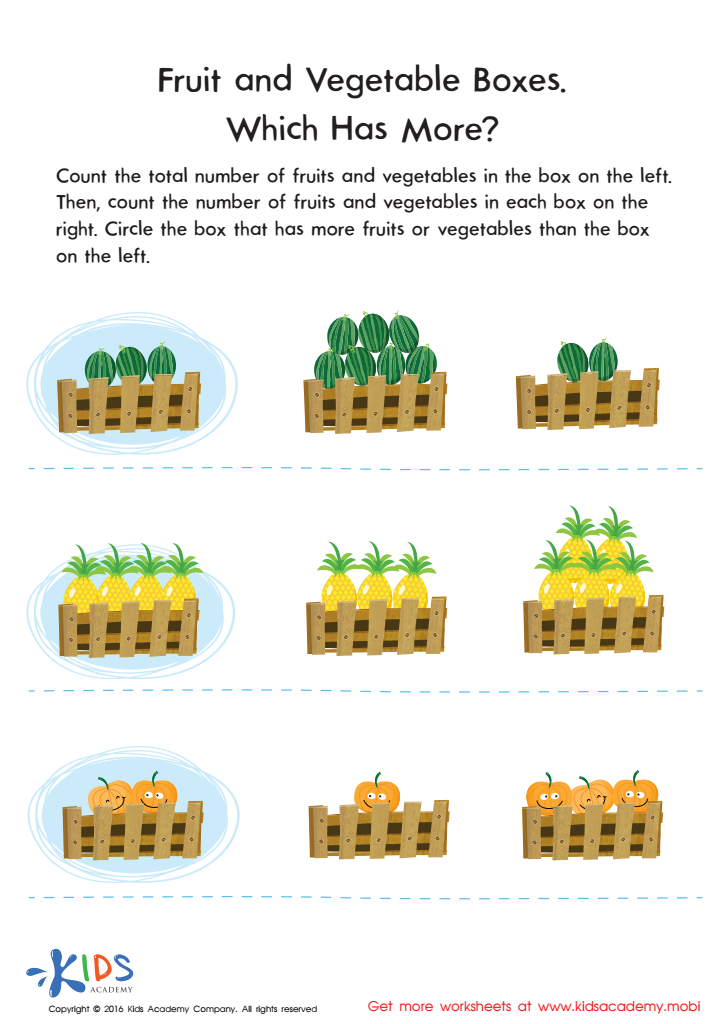
Which Has More? Size Worksheet
 Assign to My Students
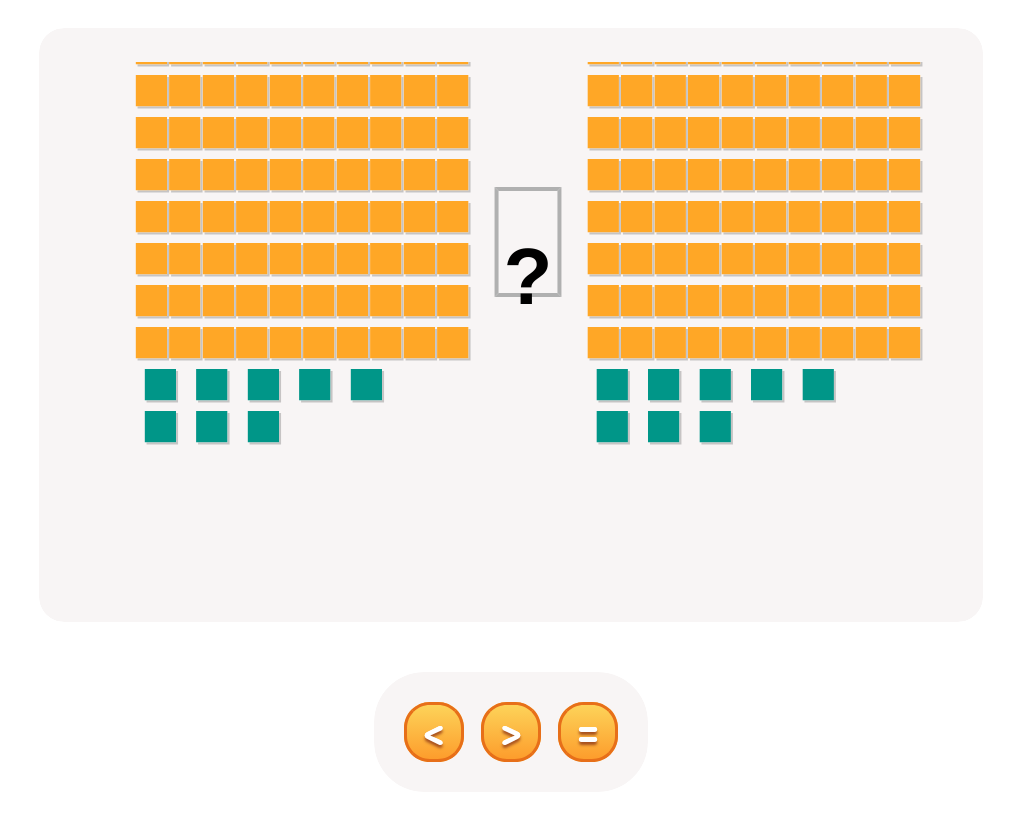

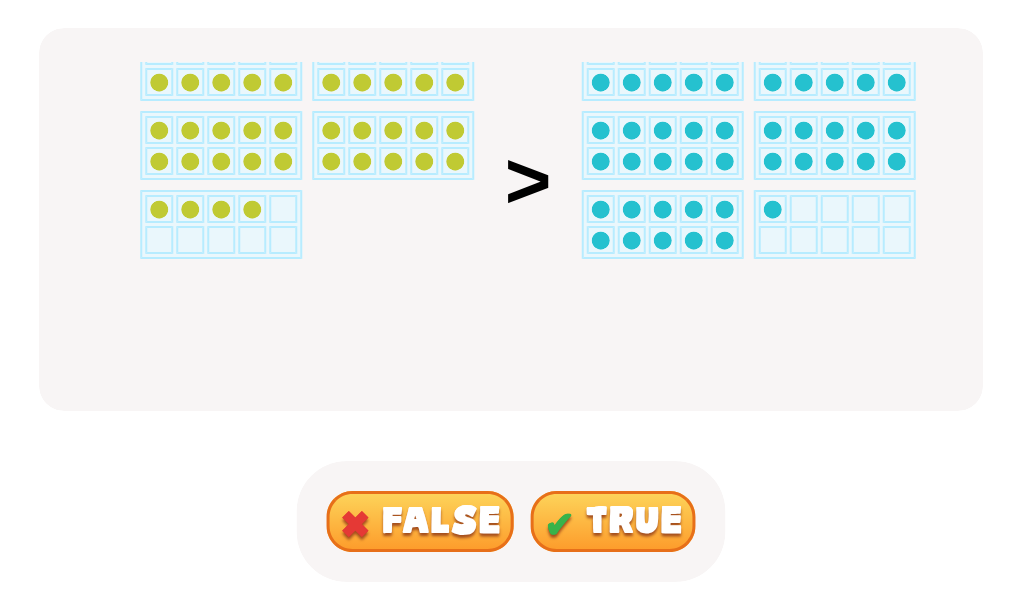
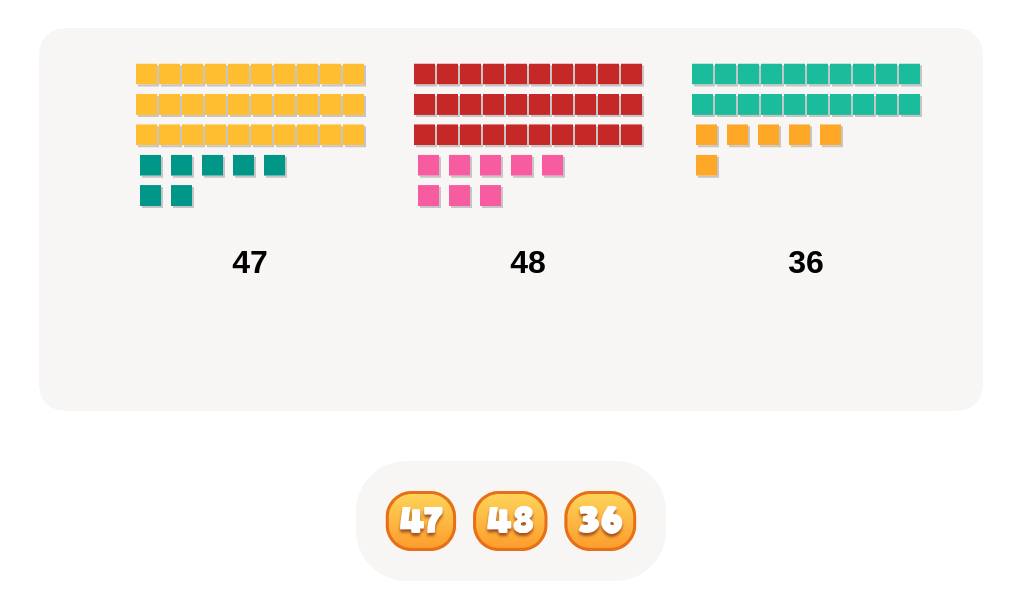
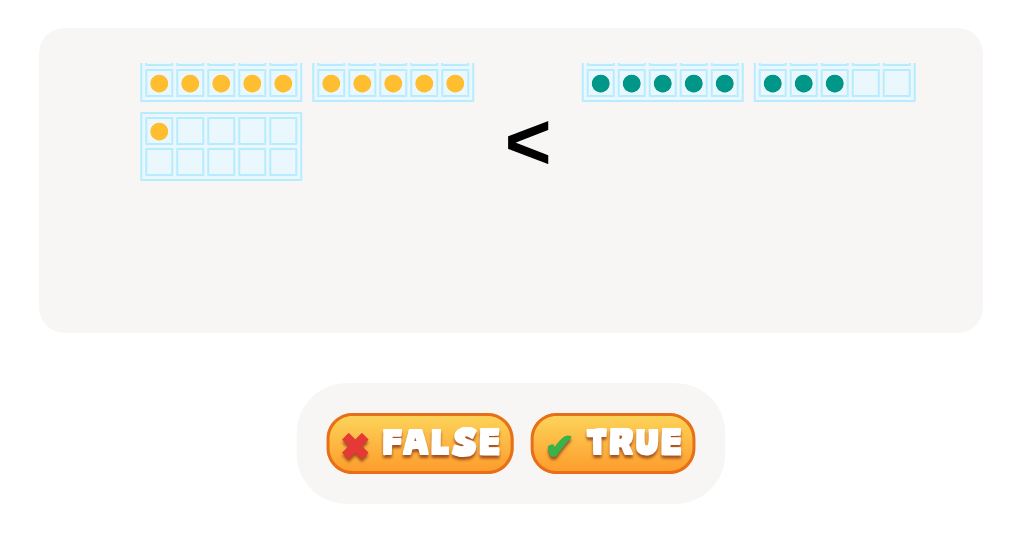
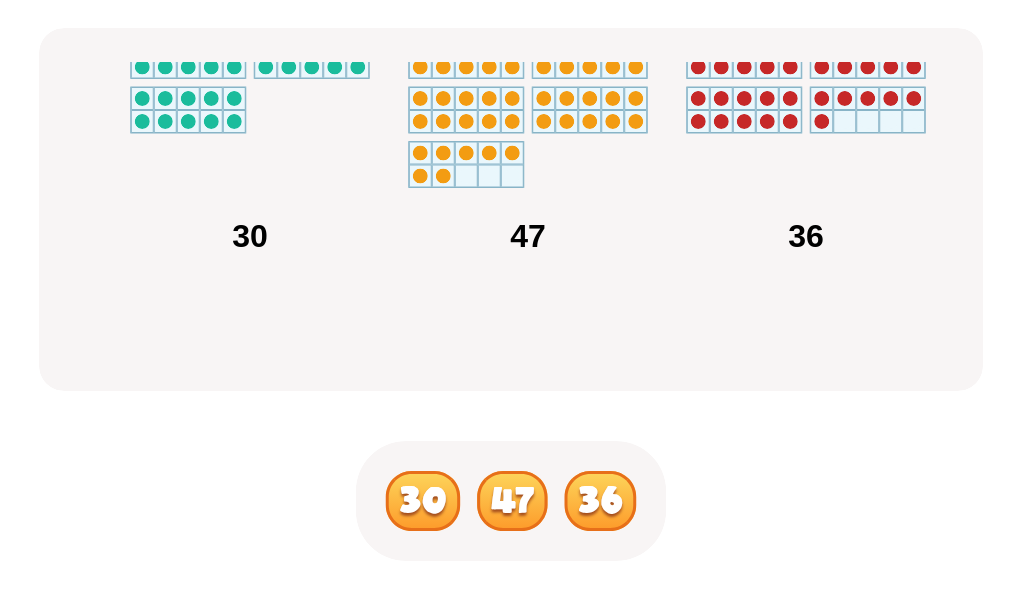
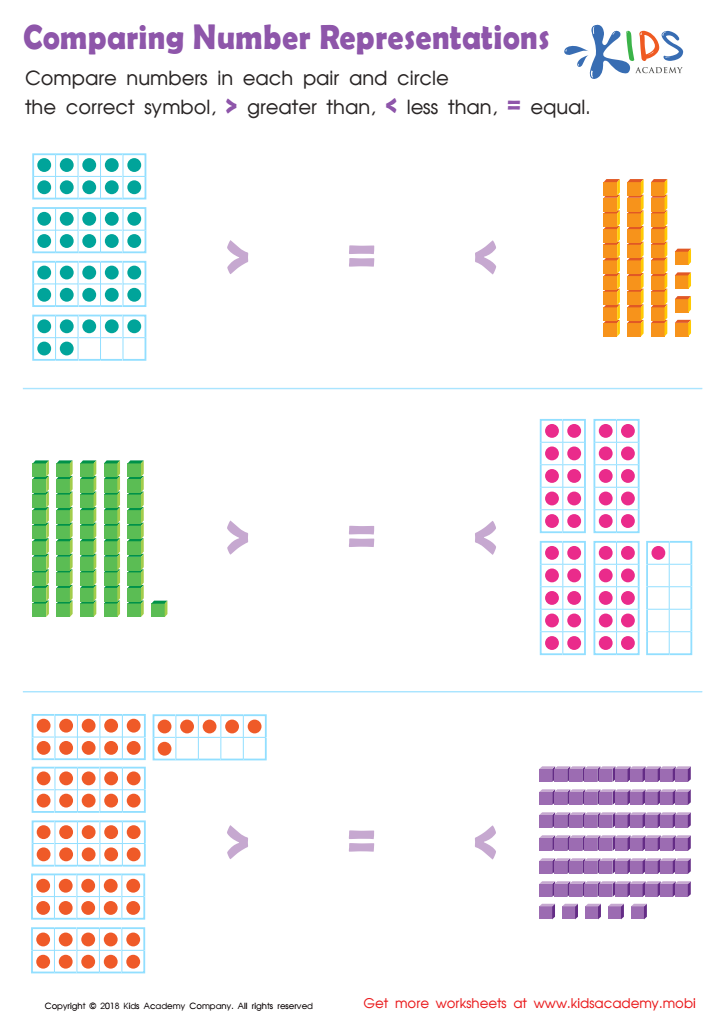
Comparing Number Representations Worksheet
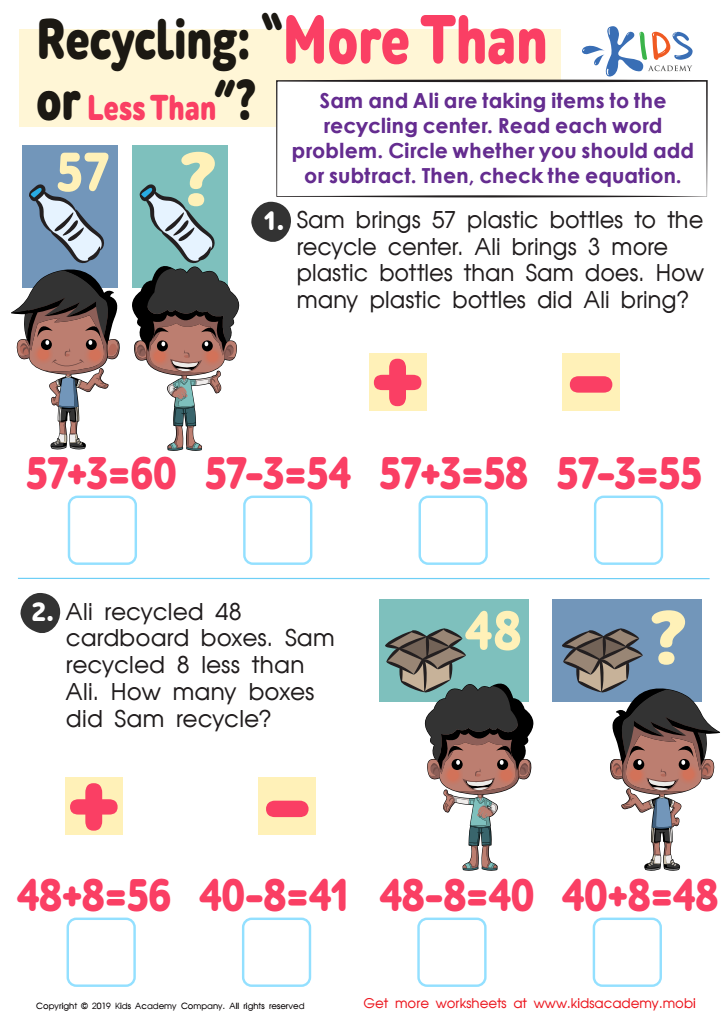
Recycling - More or Less Worksheet








Comparing quantities and numbers is a fundamental skill for children aged 6-9, influencing their overall mathematical understanding and development. Parents and teachers should care about this concept for several reasons.
Firstly, comparing quantities lays the groundwork for essential mathematical operations such as addition, subtraction, multiplication, and division. When children understand how to compare numbers, they can make sense of size relationships, which is crucial when solving problems and making calculations in more complex math later on.
Secondly, this skill promotes critical thinking and problem-solving abilities. By engaging in activities that involve comparing quantities, children learn to analyze information, reason logically, and draw conclusions. These skills extend beyond math, enhancing their abilities in fields like science and literacy.
Moreover, fostering a strong understanding of comparisons cultivates confidence in young learners. When students grasp the concept of greater than, less than, or equal to, they can approach new mathematical challenges with self-assurance.
Lastly, engaging parents in the process helps create a supportive home learning environment, reinforcing lessons learned in school and demonstrating the relevance of mathematics in everyday life. Overall, prioritizing the comparison of quantities and numbers benefits children's educational trajectories, laying a solid foundation for lifelong learning.