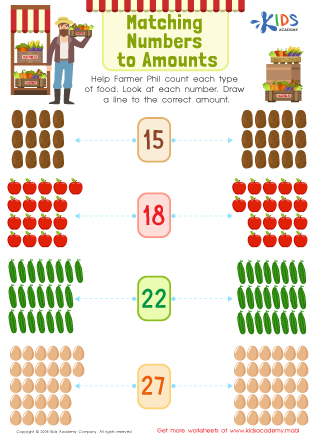
Number comparison Comparing Numbers Worksheets for Ages 6-9
5 filtered results
Difficulty Level
Grade
Age
-
From - To
Subject
Activity
Standards
Discover our engaging "Number Comparison Worksheets" designed for children aged 6-9. These worksheets focus on developing essential math skills by helping young learners compare numbers using greater than, less than, and equal to symbols. Through fun exercises and colorful illustrations, children will enhance their understanding of number values, build confidence in their math abilities, and sharpen their critical thinking skills. Perfect for classroom use or at-home practice, our worksheets align with educational standards and cater to various learning styles. Let your child explore the world of numbers with our interactive and effective resources, ensuring a solid math foundation for their future!
Favorites
With answer key
Interactive
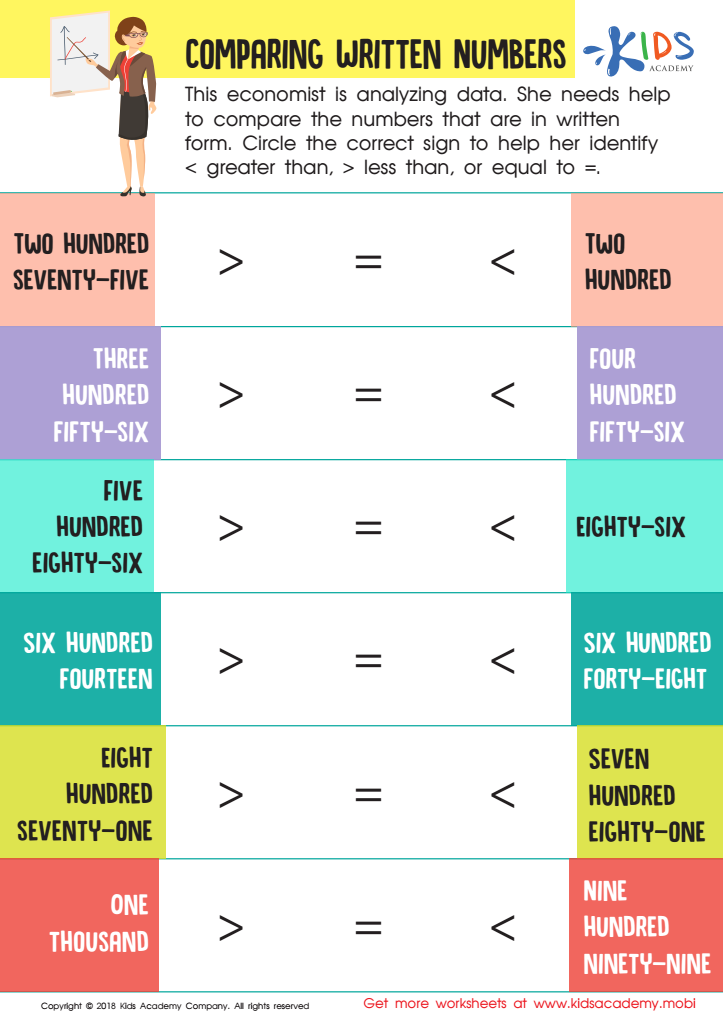
Comparing Written Numbers Worksheet
Children need to grasp that numbers come in different forms. This exciting PDF provides practice for comparing values written as words. Young economists can analyze the number pairs, then circle the sign (<, =, or >) to make comparisons true.
 Assign to My Students
Comparing Written Numbers Worksheet
Worksheet
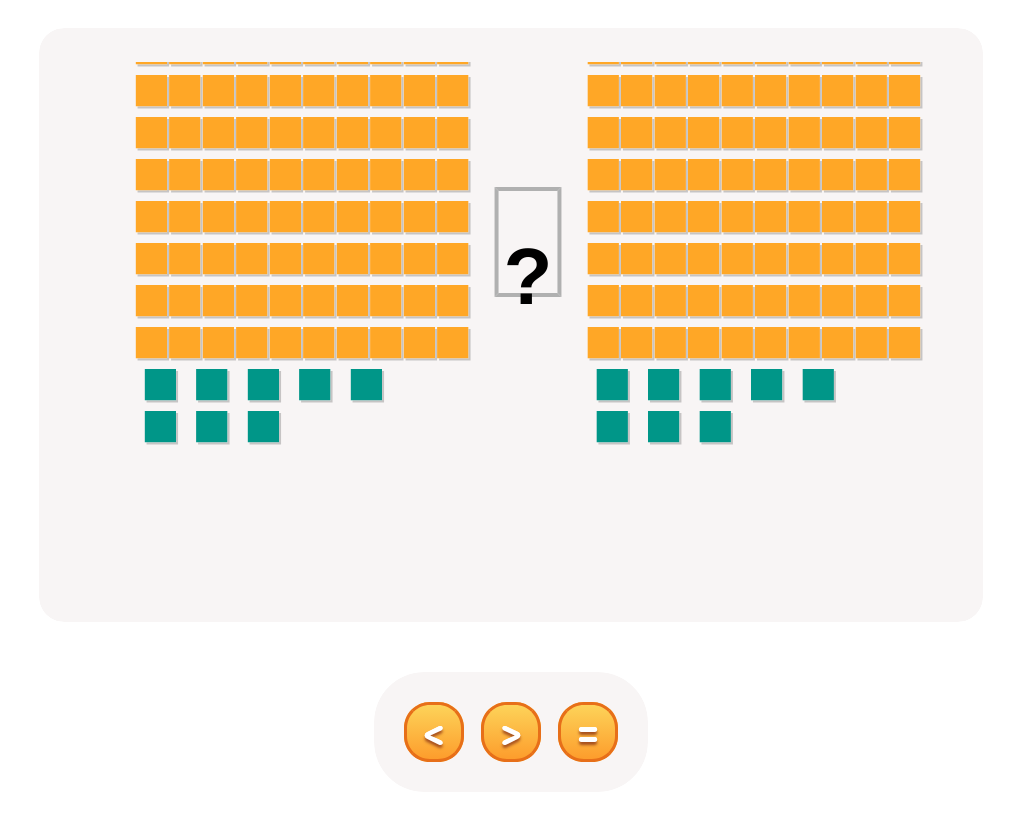

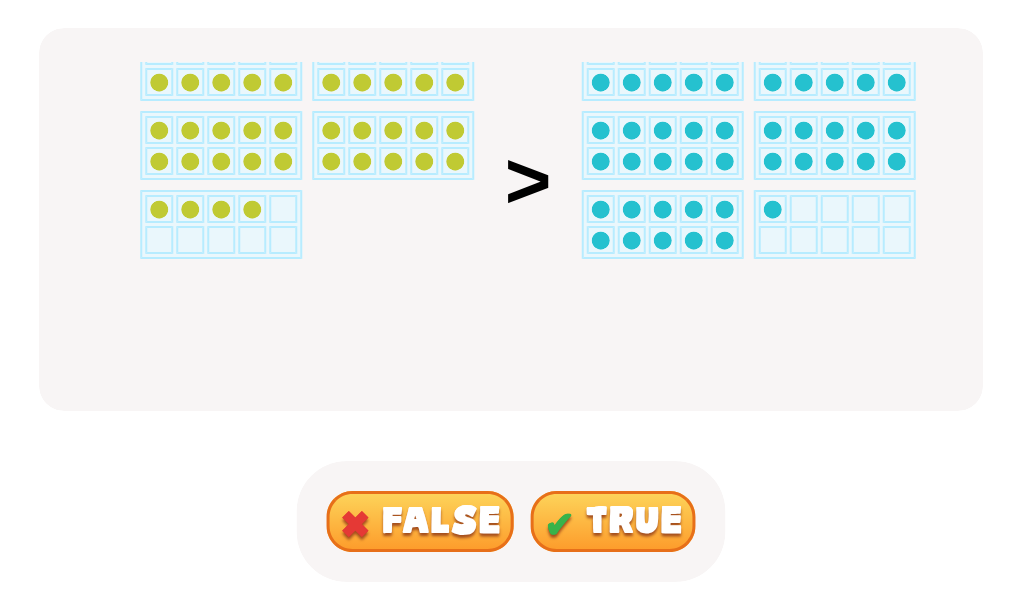
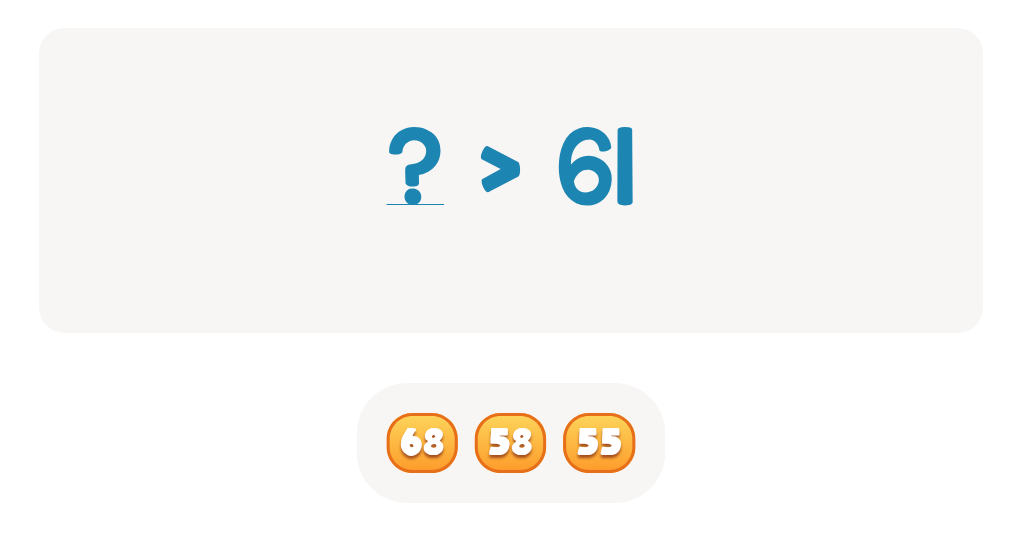
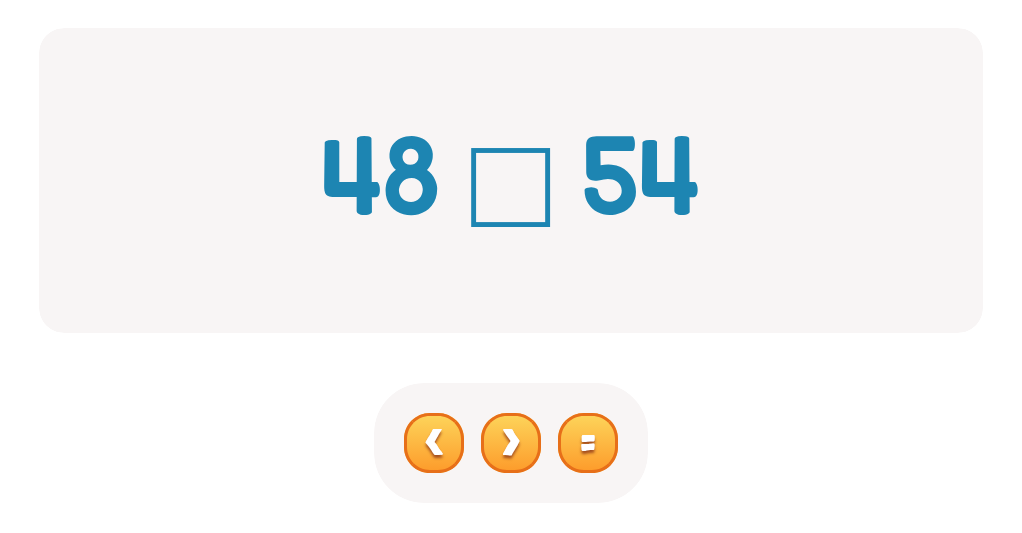
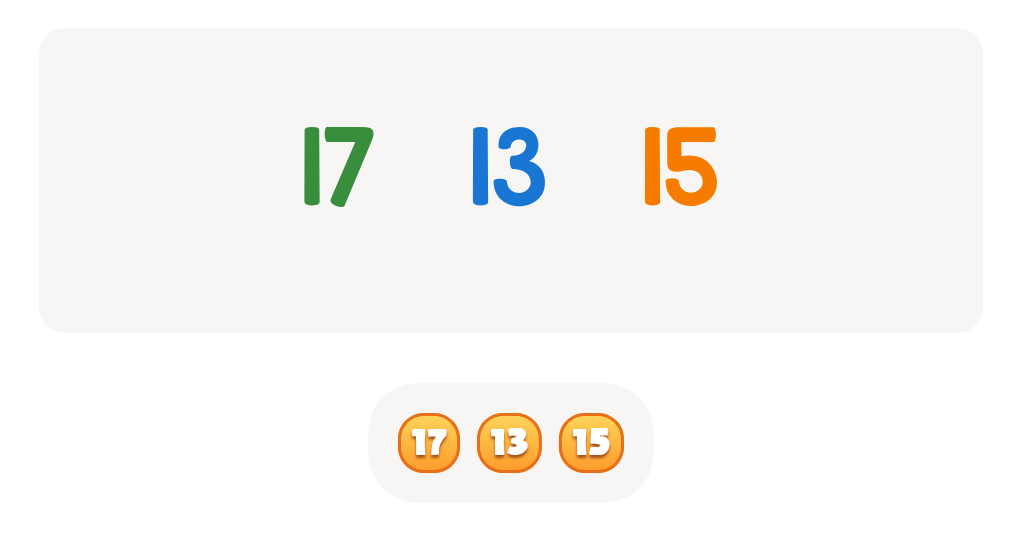
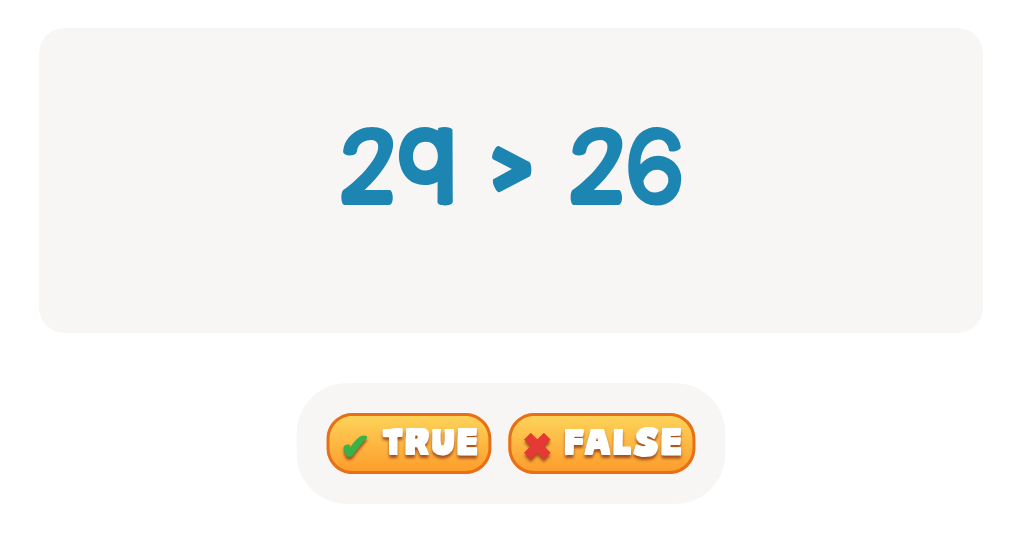
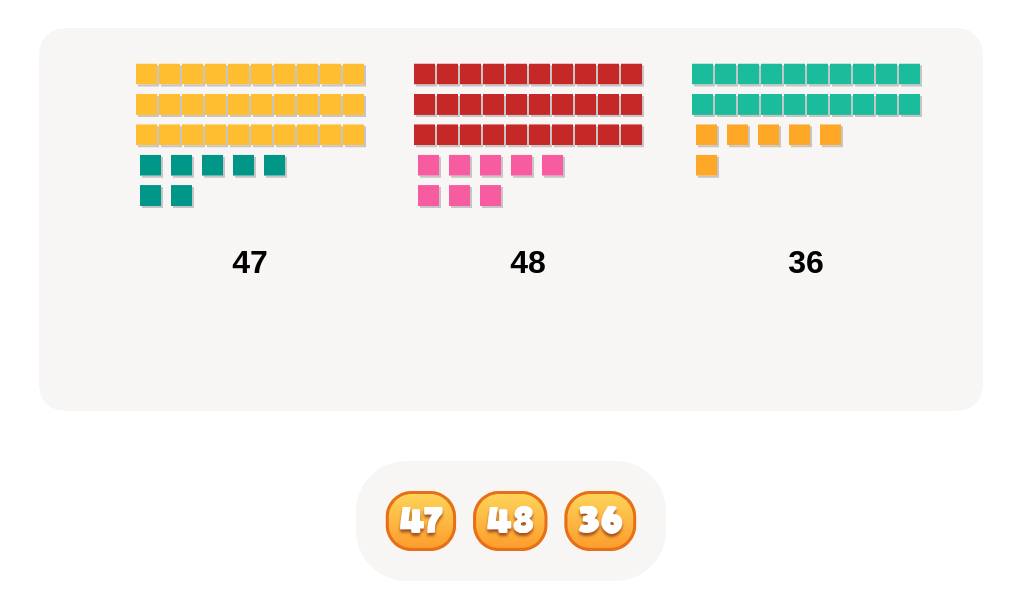
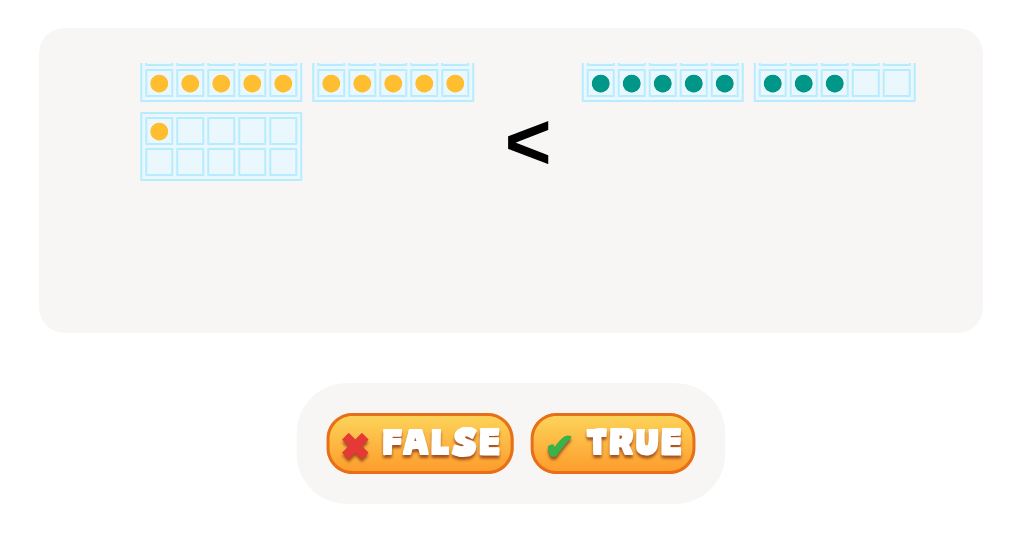
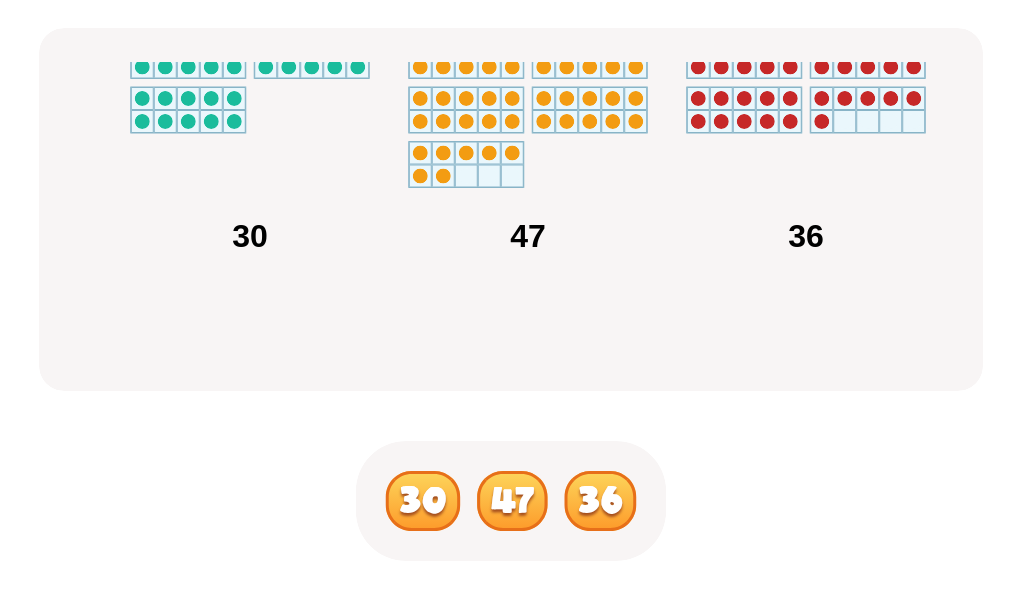
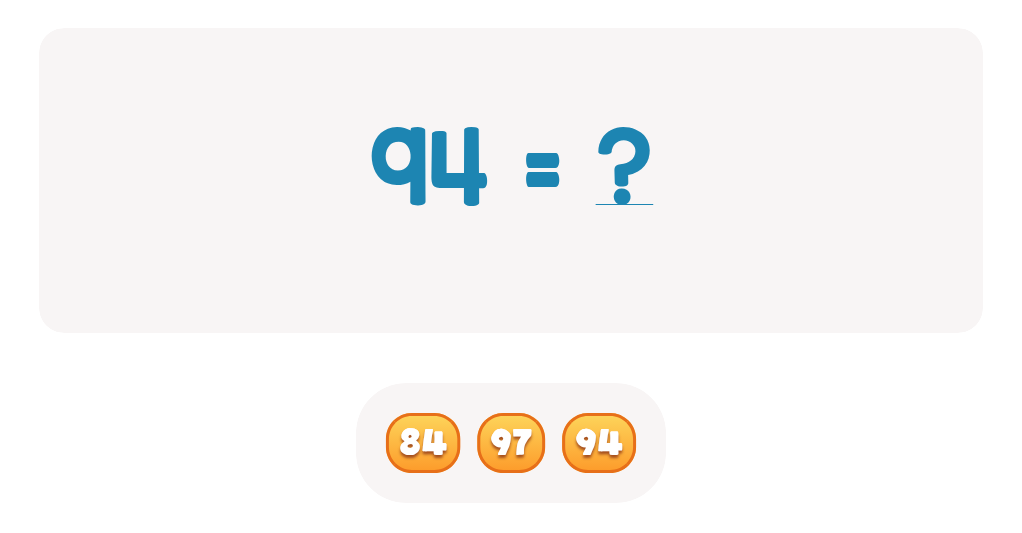
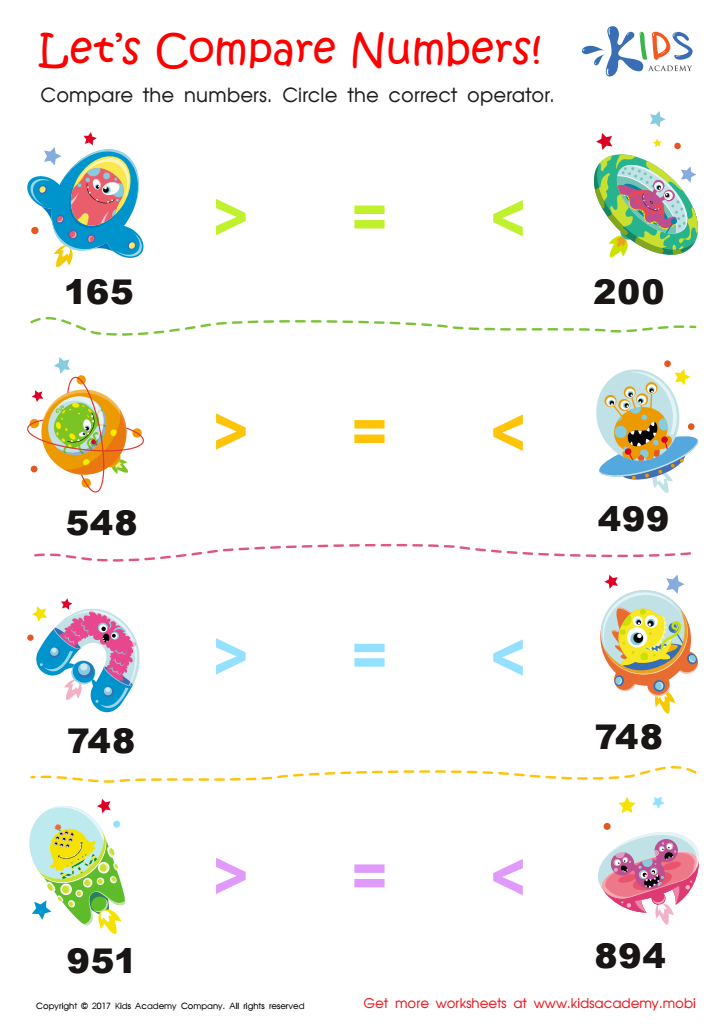
Comparing Numbers Worksheet for 2nd Grade
Alien friends are back to help your child learn to compare numbers using >, < and = symbols. This 2nd grade worksheet will challenge them with larger numbers!
Comparing Numbers Worksheet for 2nd Grade
Worksheet
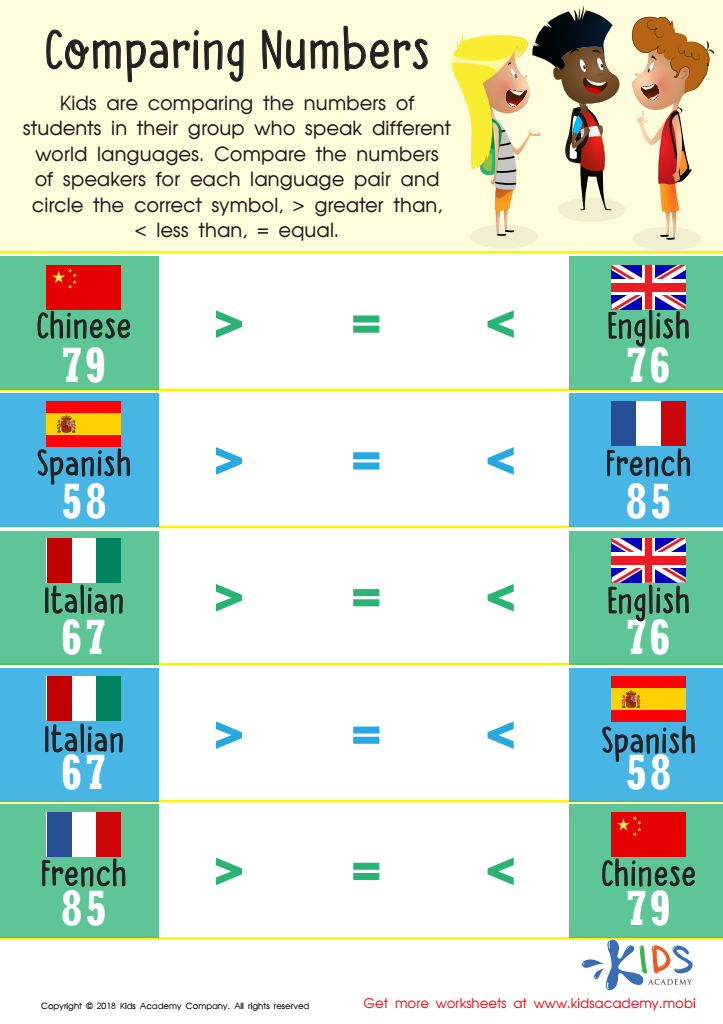
Comparing Numbers Worksheet for 1st Grade
Children can build number sense by exploring the relationship between numbers. This worksheet uses bright international flags to compare numerical groups. Kids will love the cheerful colors and flags from different countries. It encourages them to compare numbers and reinforces their number sense with tens and ones place values.
Comparing Numbers Worksheet for 1st Grade
Worksheet
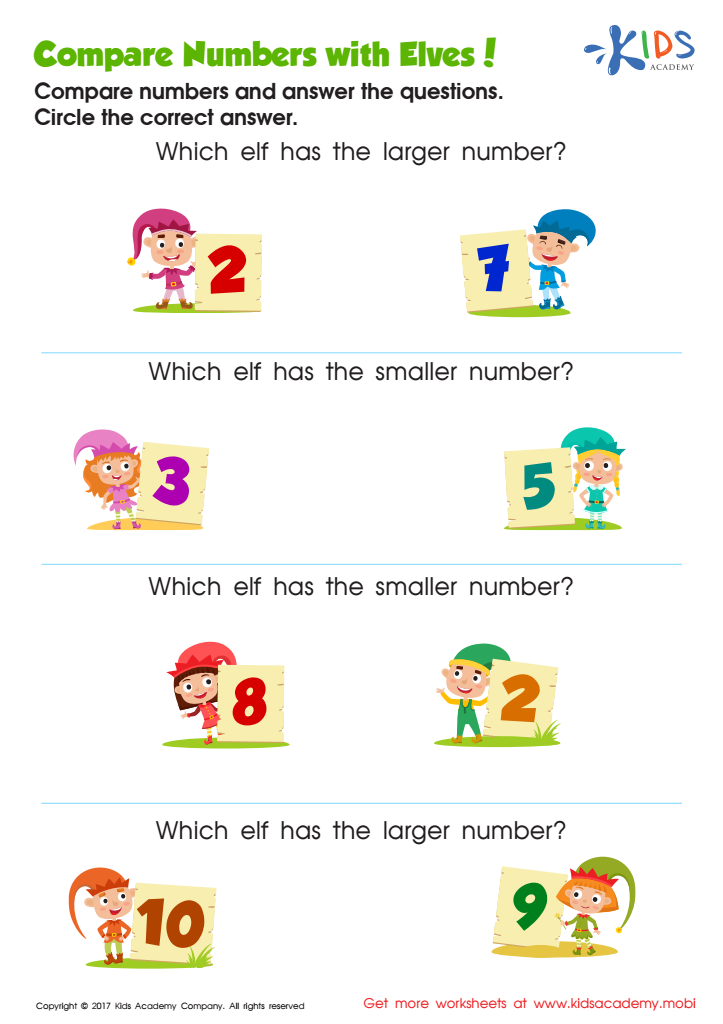
Comparing Numbers Worksheet for Kindergarten
Your child will love helping Santa's elves compare numbers with this fun worksheet for kindergarten! They must determine which number is bigger or smaller then circle the answer. It's a great activity for Christmas or any time!
Comparing Numbers Worksheet for Kindergarten
Worksheet
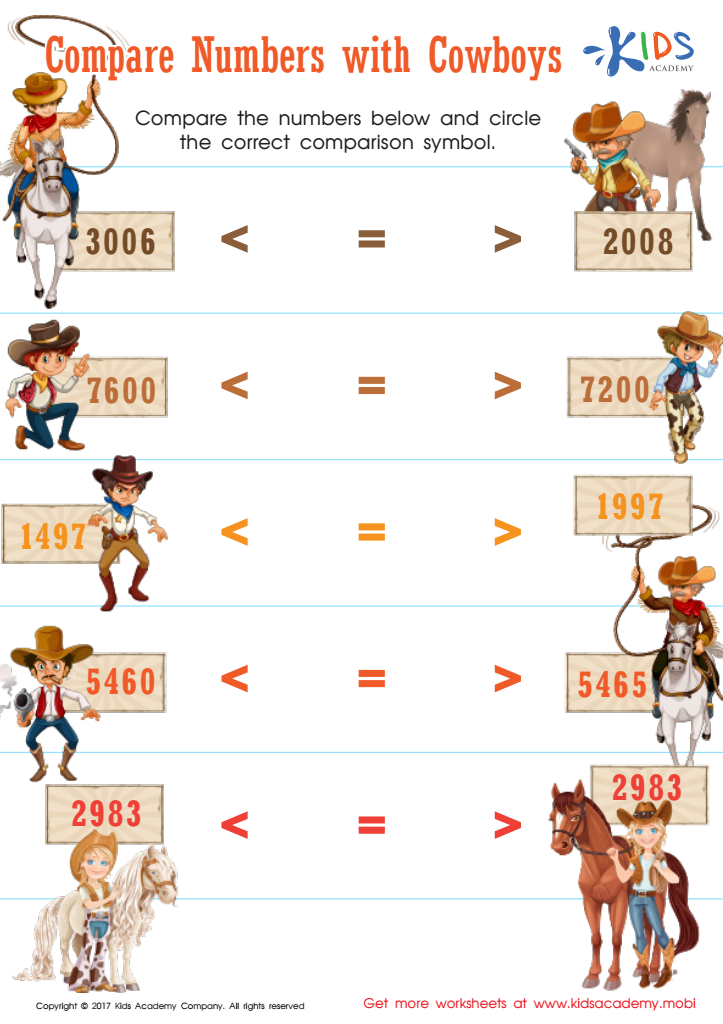
Compare Numbers Worksheet for 3rd Grade
Time to get a roundup on big numbers! Help your 3rd grader practice comparing thousands with this compare numbers worksheet. They'll use >, <, and = symbols for tricky numbers. Jump in and join the cowboys!
Compare Numbers Worksheet for 3rd Grade
Worksheet
Join Kids Academy for Free
Who is primarily going to use this learning content?








Understanding number comparison is essential for children aged 6-9 as it lays the foundation for their mathematical literacy and critical thinking skills. At this stage, children are developing their number sense, learning to recognize the relationships between different numbers, and understanding concepts like greater than, less than, and equal to.
For parents and teachers, promoting number comparison fosters a strong mathematical framework that will benefit children in future arithmetic operations such as addition, subtraction, multiplication, and division. It also enhances problem-solving skills by encouraging children to evaluate quantities, make decisions, and logically reason through numerical relationships.
Moreover, learning to compare numbers helps children develop an understanding of place value and ordering, which can boost confidence and competence in tackling more complex math concepts later on. Engaging with number comparison can also present opportunities for reinforcement in everyday situations — such as comparing prices during shopping — enriching a child's learning experience.
Ultimately, nurturing these skills not only supports academic success but also equips children with valuable analytical abilities that apply to real-world scenarios, helping them to become informed decision-makers as they grow. By prioritizing number comparison, parents and teachers can instill a solid mathematical foundation that paves the way for lifelong learning.