Alphabet Recognition Math Worksheets for Ages 6-9
5 filtered results
-
From - To
Boost your child's literacy skills with our engaging Alphabet Recognition Math Worksheets designed for ages 6-9! These colorful, interactive resources combine alphabet recognition and fundamental math concepts to create a fun learning experience. Children will practice identifying letters while solving simple math problems, enhancing both their reading and numerical skills. Our worksheets are tailored to meet the educational needs of young learners and can be easily used at home or in the classroom. With a variety of activities, your child will build confidence as they master the alphabet while exploring early math concepts. Join us in fostering a love for learning today!
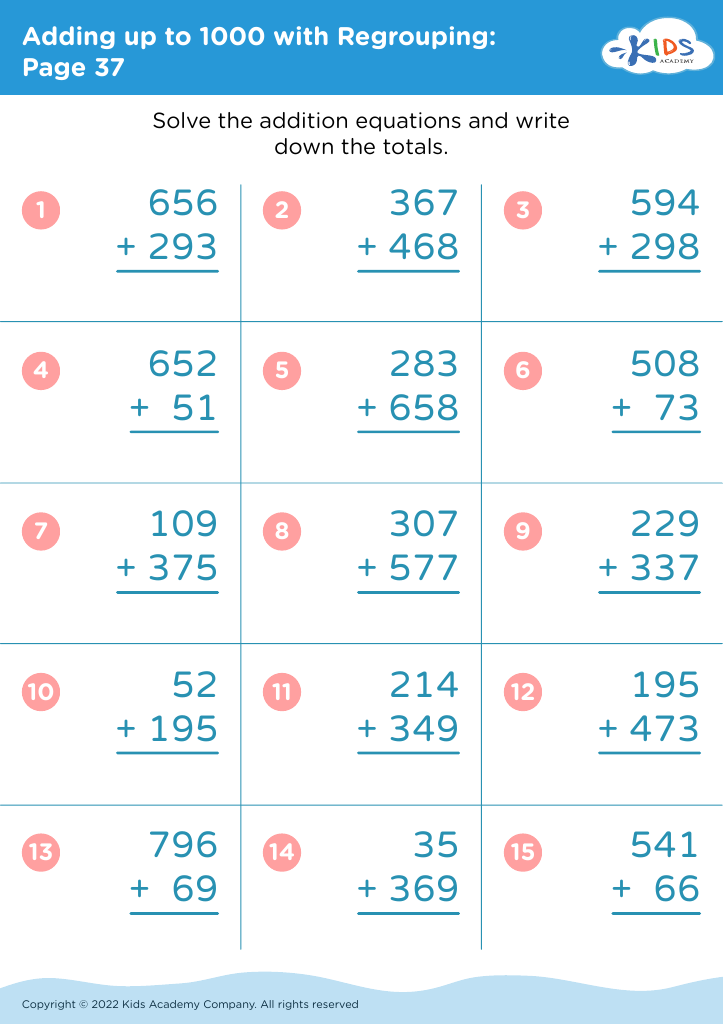
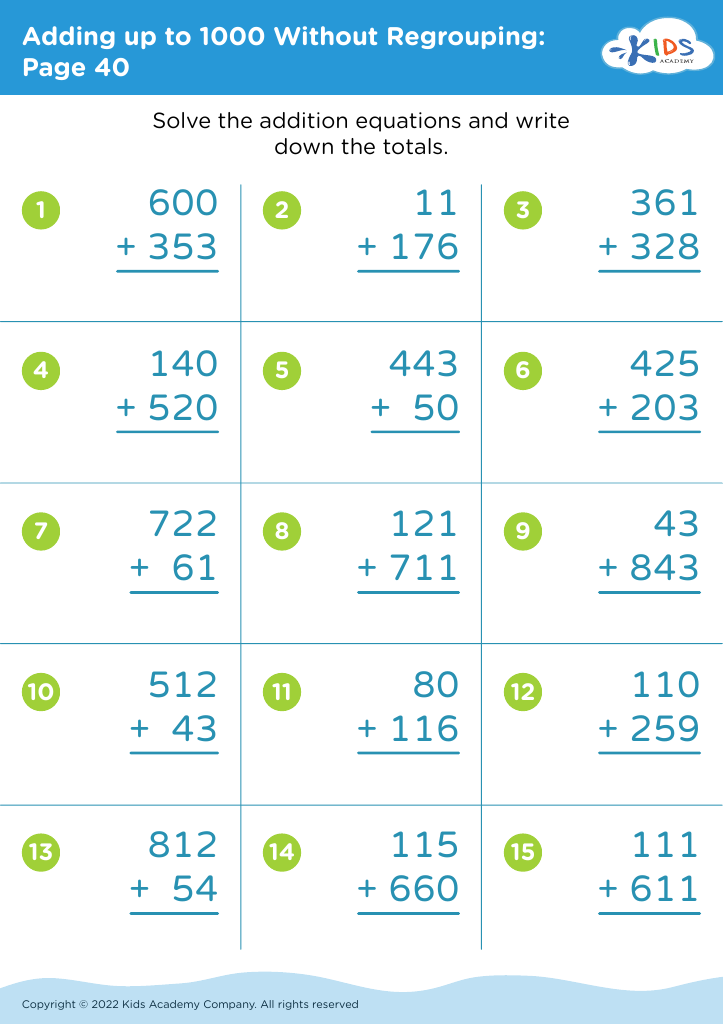
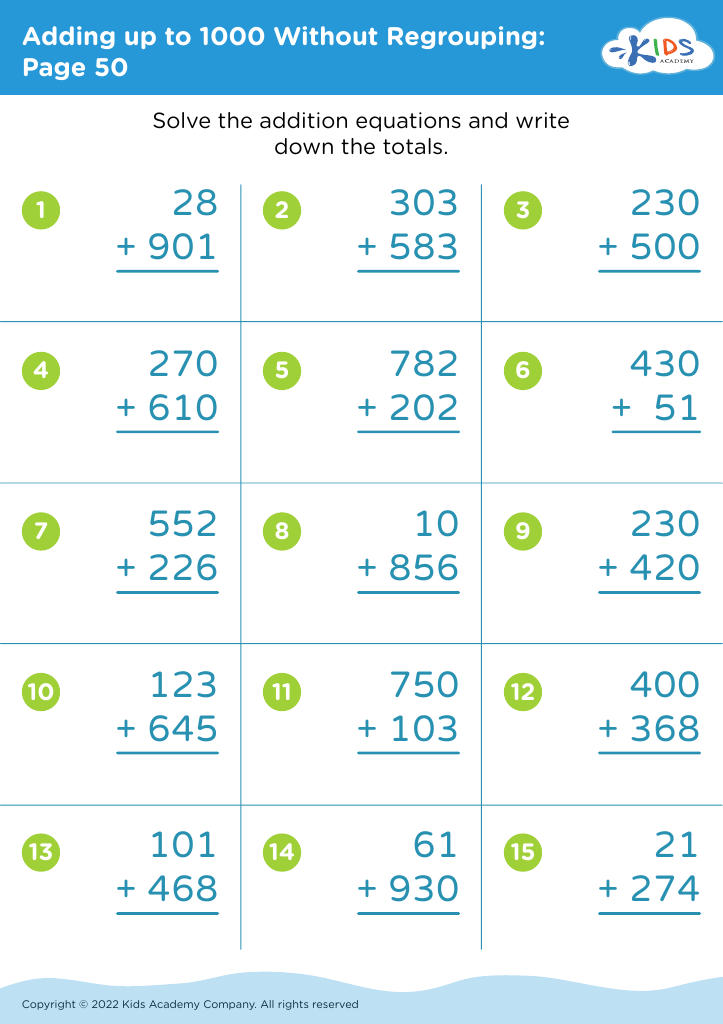
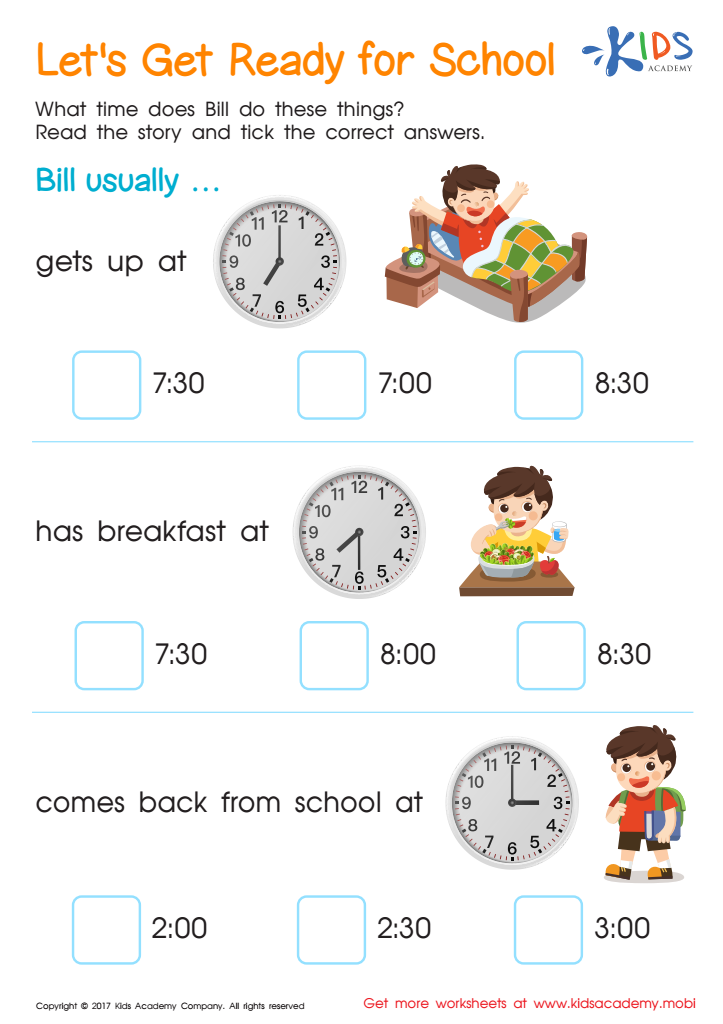
Lets Get Ready For School Time Printable
 Assign to My Students


%20(1).jpg)
.jpg)




Alphabet recognition is a foundational skill that plays a crucial role in early literacy development for children aged 6 to 9. Parents and teachers should prioritize this skill because it directly influences a child's ability to read and write. Mastering letter recognition enables children to decode words, which is essential for literacy. Understanding that letters represent sounds helps them develop phonemic awareness, leading to better spelling and vocabulary.
Additionally, through identifying letters, children enhance their cognitive skills, such as memory and categorization, which are vital for academic success in subjects beyond reading. Proficiency in alphabet recognition is a strong predictor of desirable outcomes in reading comprehension and overall academic performance.
Moreover, this skill fosters confidence and motivation in a child's learning journey. When children feel competent in recognizing letters, they are more likely to engage actively in learning activities and take risks in trying new concepts.
Lastly, supporting alphabet recognition can empower parents and teachers to nurture a child's love for reading by providing strategies to enhance engagement in literacy. This can positively shape their attitudes towards education and help lay the foundation for lifelong learning. Ultimately, focusing on alphabet recognition during these formative years is essential for building essential literacy skills.








