Basic Math Skills Math Worksheets for Ages 6-9 - Page 7
148 filtered results
-
From - To
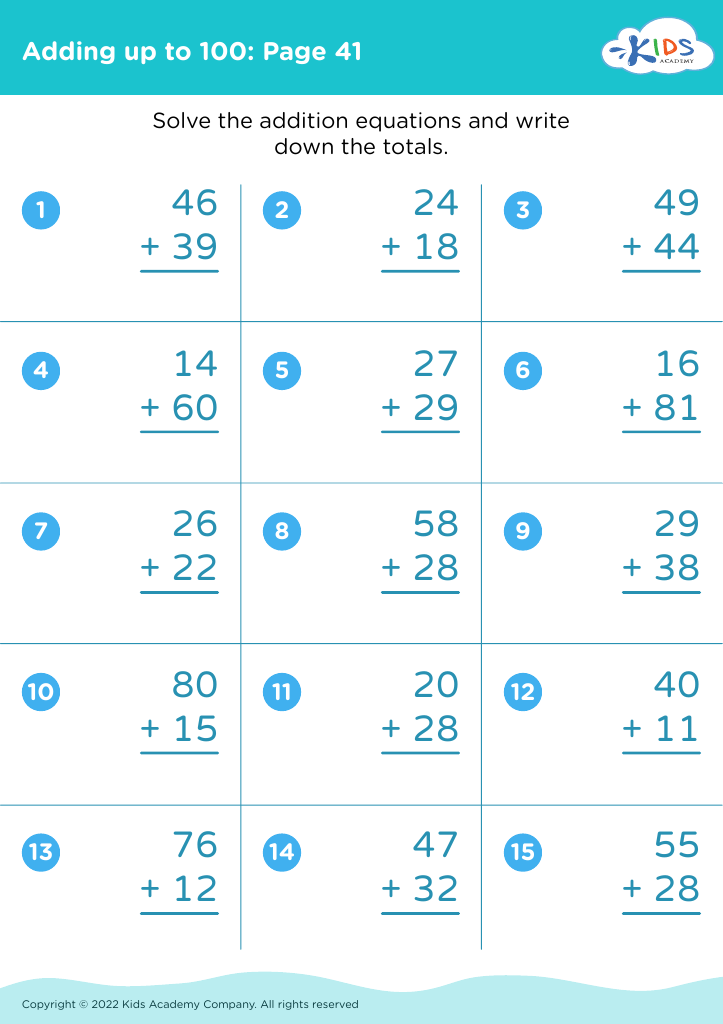
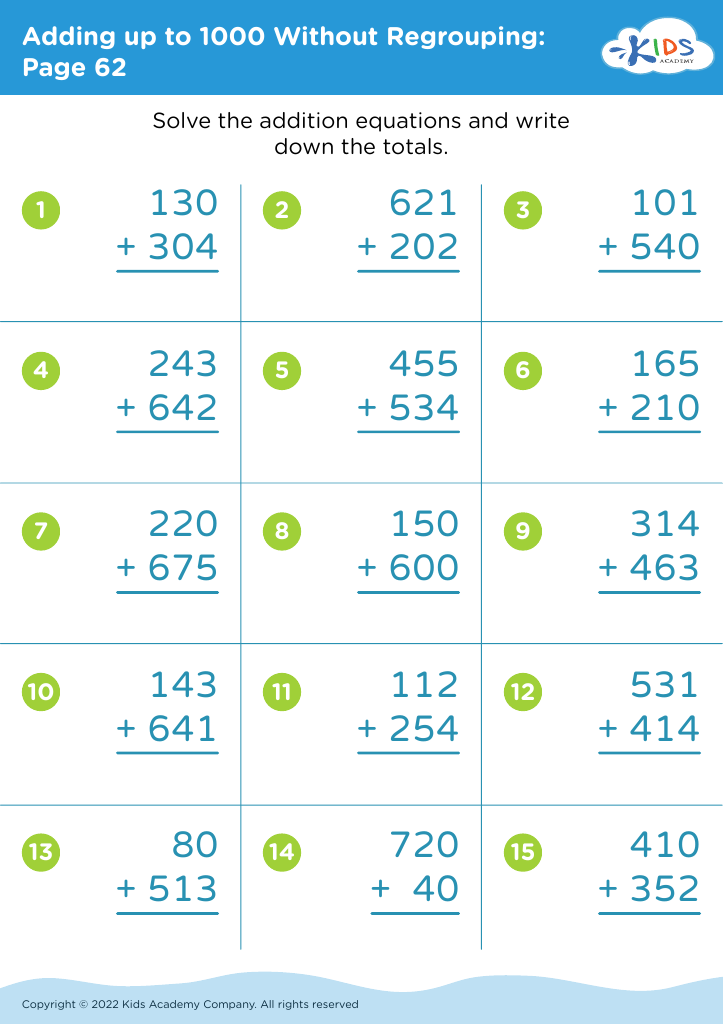
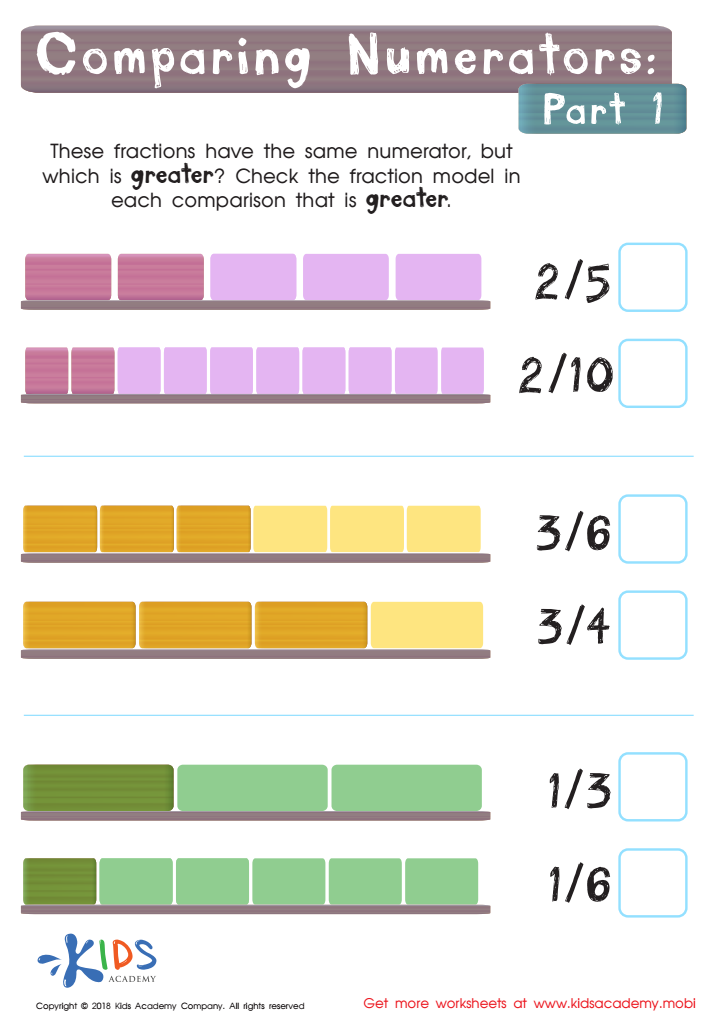
Comparing Numerators Part 1 Worksheet
 Assign to My Students
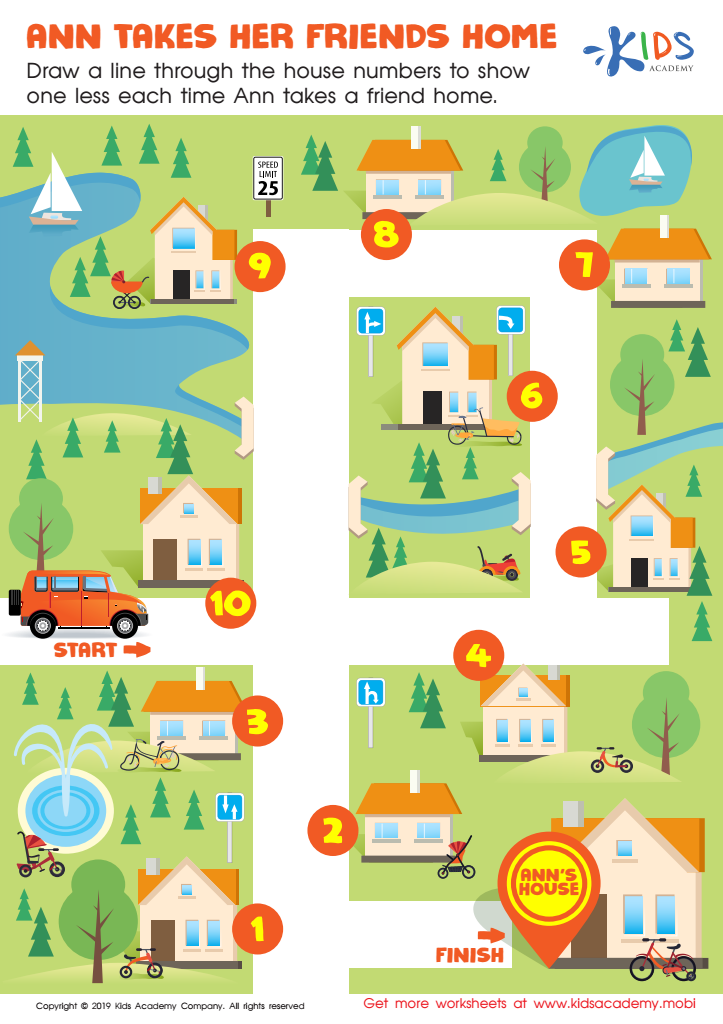
Ann Takes her Friends Home Worksheet








Basic math skills are essential for children ages 6-9 as they establish the foundation for future learning and daily life applications. During these formative years, children are naturally curious, and developing math proficiency enhances their problem-solving and critical thinking abilities. Early math skills, such as addition, subtraction, and understanding shapes and patterns, contribute to cognitive development and help foster confidence in their abilities.
Parents and teachers should prioritize math education as it impacts academic success across various subjects. Mathematics is integral to science, economics, and technology; thus, a strong foundation in math can lead to more opportunities later in life. Additionally, basic math skills aid children in making sense of the world around them, enabling them to measure ingredients for recipes, manage money, and understand time.
Furthermore, engaging children in math through games and everyday activities cultivates a positive attitude toward learning, making it less intimidating. By actively supporting a strong math foundation, parents and teachers ensure children develop critical skills and perseverance, preparing them for the challenges they will inevitably face in academics and beyond. Ultimately, investing in basic math skills equips children with tools essential for future success and achievement.








