Comprehension improvement Math Worksheets for Ages 6-9
3 filtered results
-
From - To
Boost your child's math comprehension with our engaging worksheets designed for ages 6-9. These comprehensive resources focus on enhancing critical thinking and problem-solving skills through fun and interactive exercises. Each worksheet presents age-appropriate challenges that encourage students to practice essential mathematical concepts while developing their understanding of word problems and data interpretation. Our engaging designs and varied activities keep children motivated and excited about learning math. Plus, they're perfect for both classroom use and at-home study, making them a versatile tool for any young learner. Start helping your child become a confident math thinker today!
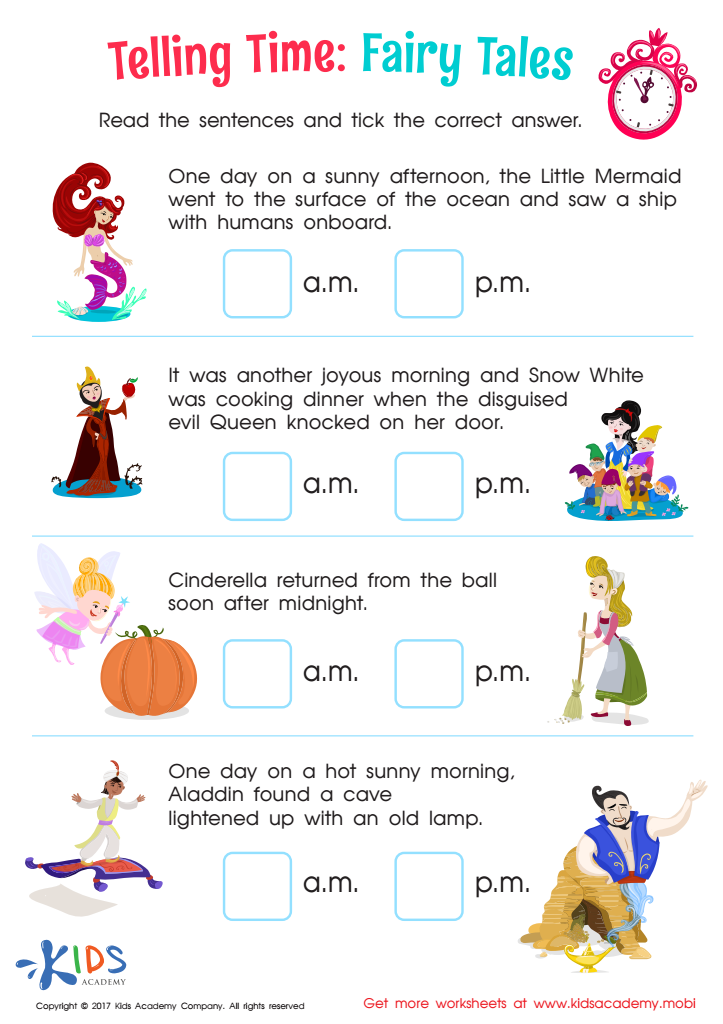
Telling Time: Fairy Tales Worksheet
 Assign to My Students
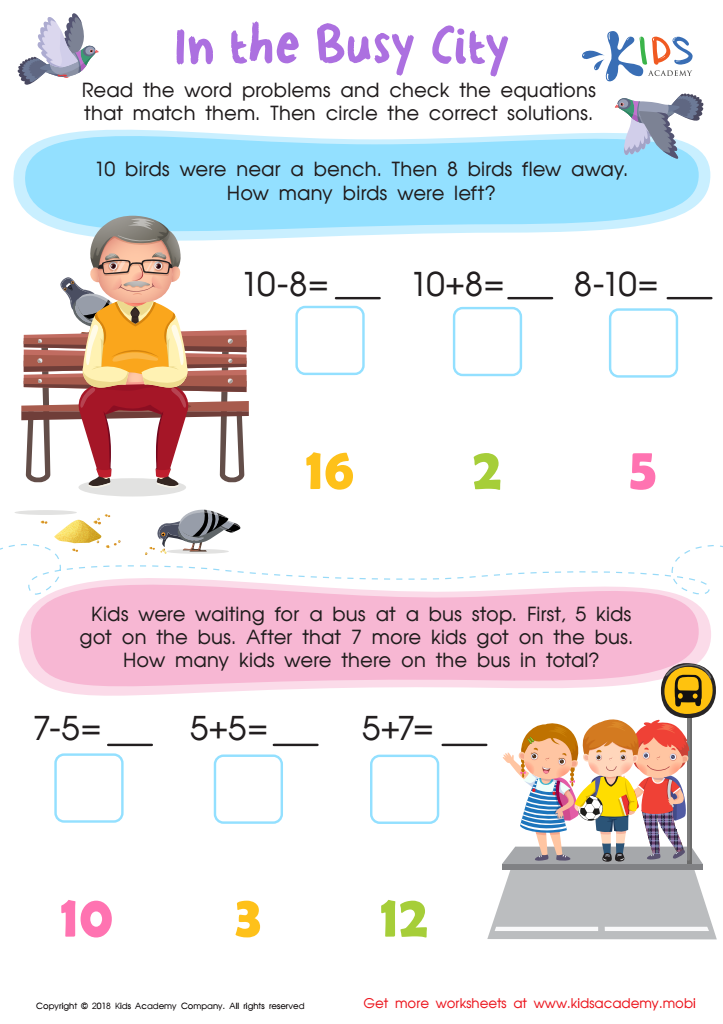
In the Busy City Word Problems Worksheet
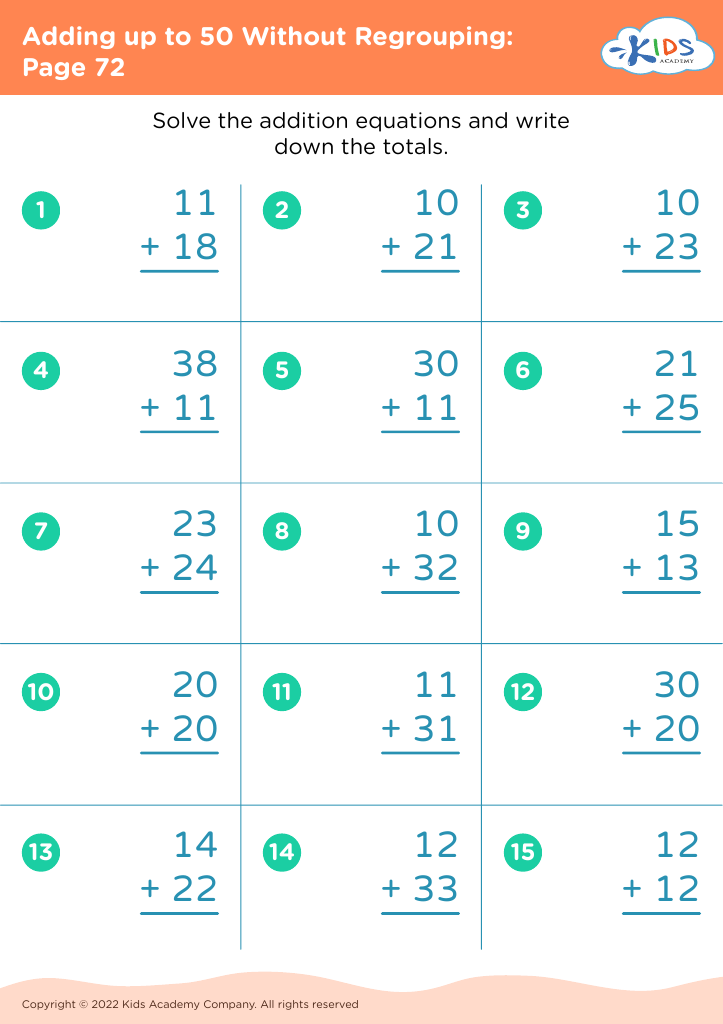







Comprehension improvement in math for children aged 6-9 is crucial for several reasons. At this stage, children develop foundational skills that will serve them throughout their academic lives. Enhancing mathematical comprehension helps young learners not only understand mathematical concepts but also apply them in real-world scenarios. When children grasp the "why" behind mathematical operations—such as addition or subtraction—they are more likely to solve problems confidently and creatively.
Furthermore, strong math comprehension supports critical thinking and promotes a positive attitude toward the subject. Children who understand the logic behind math are less likely to experience math anxiety and more likely to engage with the material, leading to better performance and greater interest in STEM fields as they grow older.
Additionally, early mathematical comprehension plays a vital role in literacy development. Numerical literacy is increasingly relevant in our data-driven world, and children who excel in understanding math concepts often improve their verbal reasoning skills as they articulate their thought processes.
As parents and teachers, fostering math comprehension helps build resilient learners who are prepared for future academic challenges. Investing in this foundational skill set ensures that children become adept at navigating both everyday situations and complex problem-solving as they advance in their education.








