Enhancing observation skills Math Worksheets for Ages 6-9
9 filtered results
-
From - To
Enhancing observation skills is crucial for young minds, and our math worksheets for ages 6-9 offer the perfect solution. These engaging, fun, and interactive worksheets are specifically designed to sharpen observation abilities while reinforcing essential math concepts. Each activity encourages children to identify patterns, differences, and relationships within numbers and shapes, promoting critical thinking and problem-solving skills. Tailored for early learners, our worksheets help build a strong mathematical foundation through stimulating exercises that captivate and challenge young learners. Ideal for use at home or in the classroom, these printable worksheets support developmental and educational growth in a comprehensive approach. Explore more benefits today!
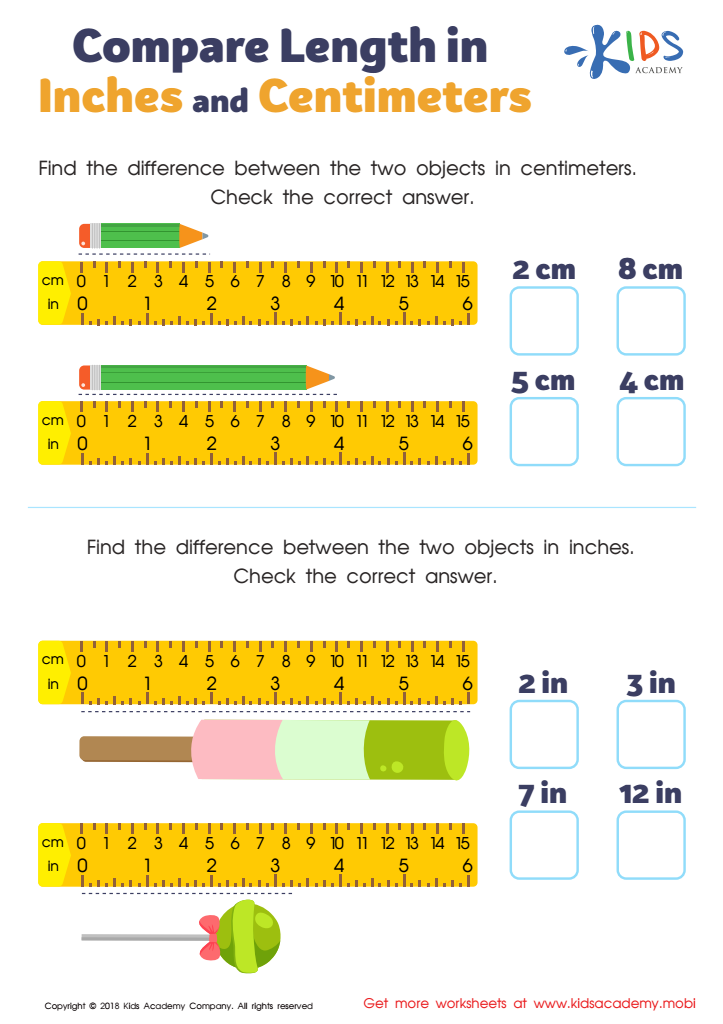
Compare Length in Inches and Centimeters Worksheet
 Assign to My Students
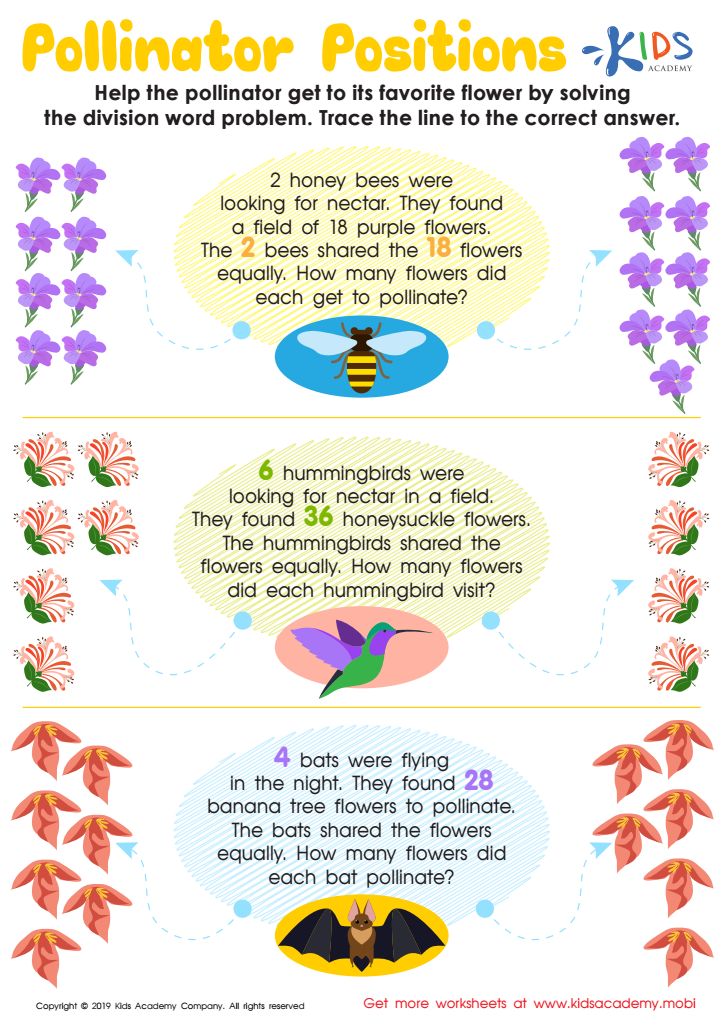
Pollinator Positions Worksheet
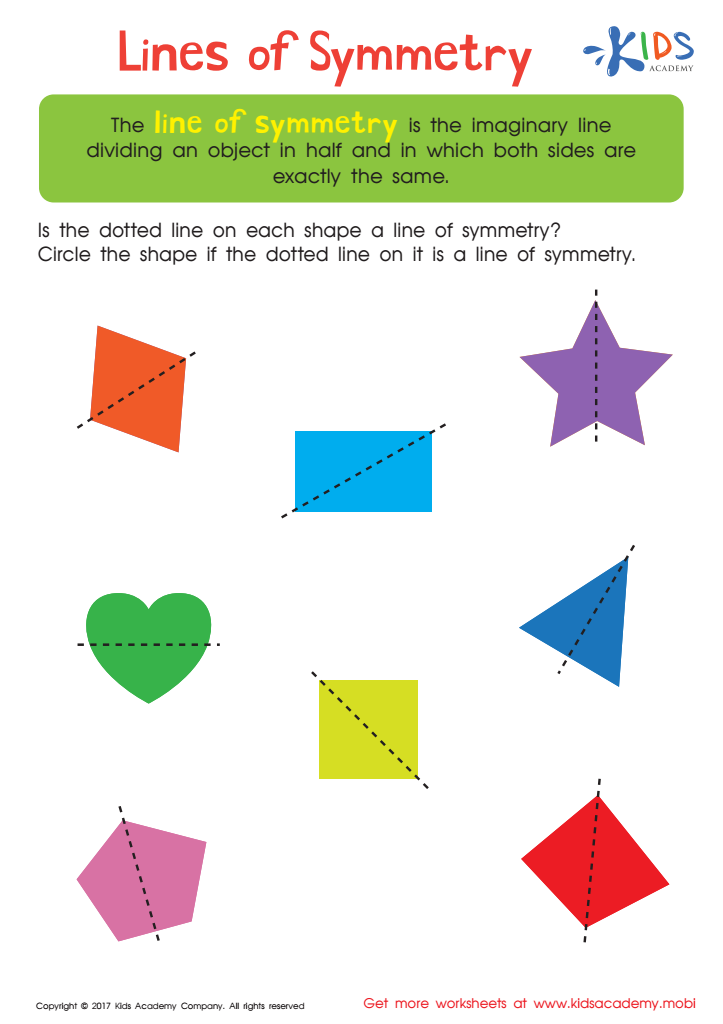
Lines of Symmetry Printable
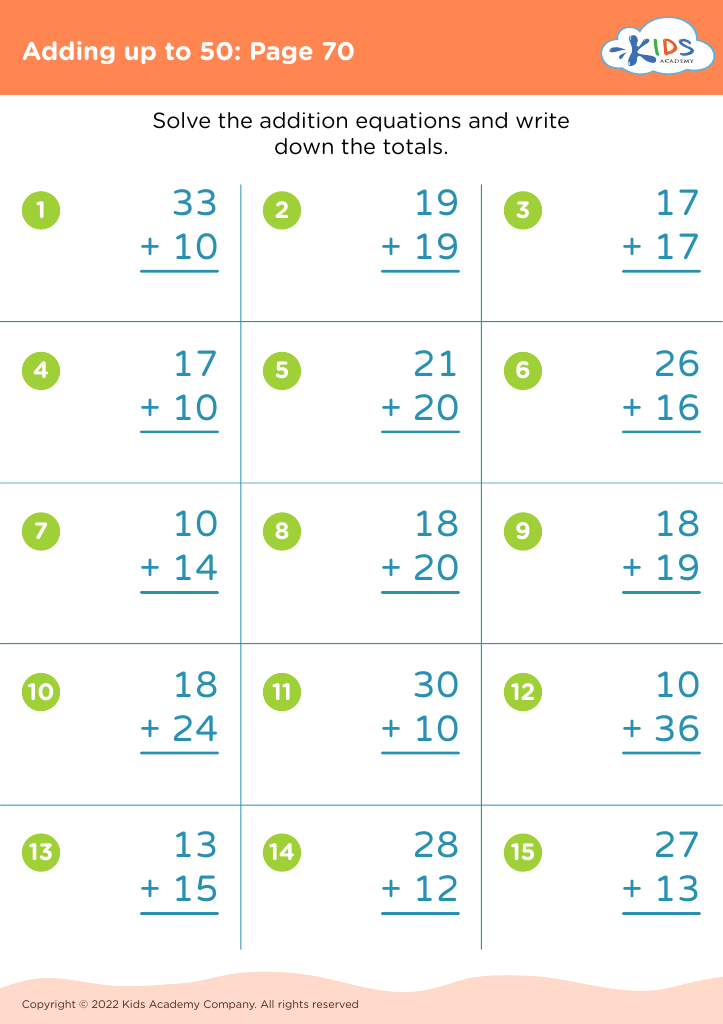
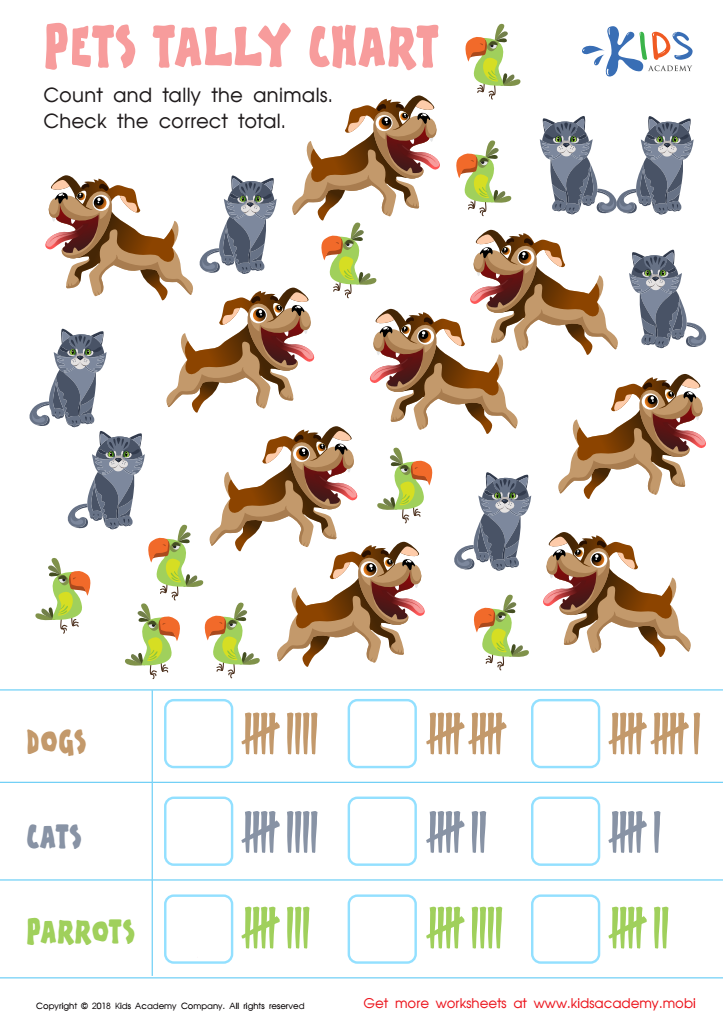
Pets Tally Chart Worksheet
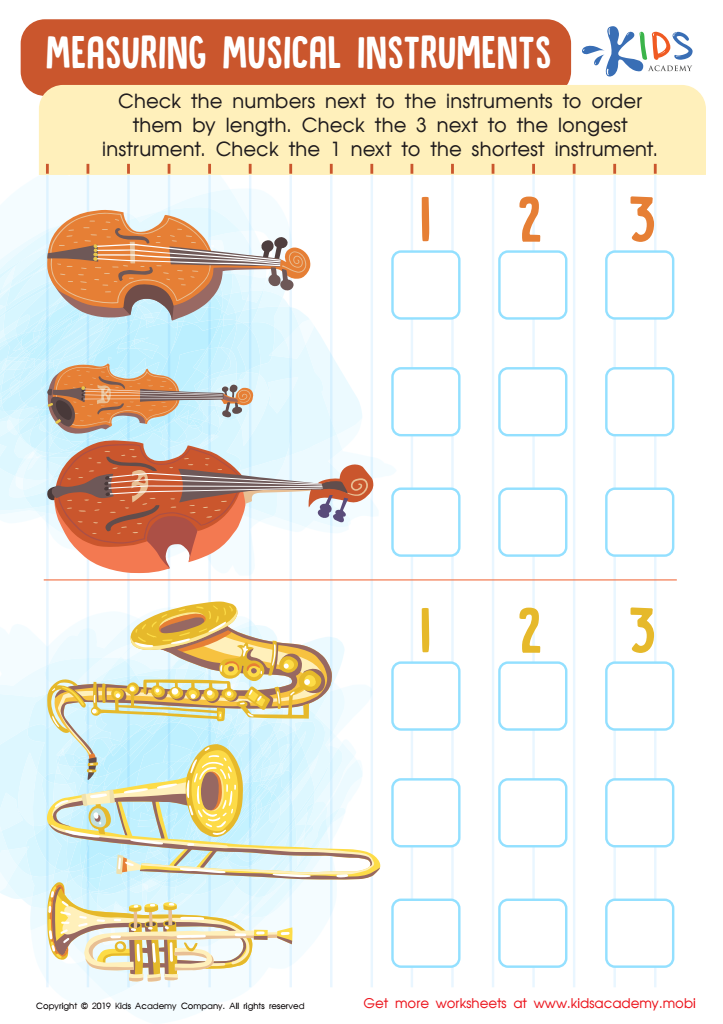
Measuring Musical Instruments Worksheet
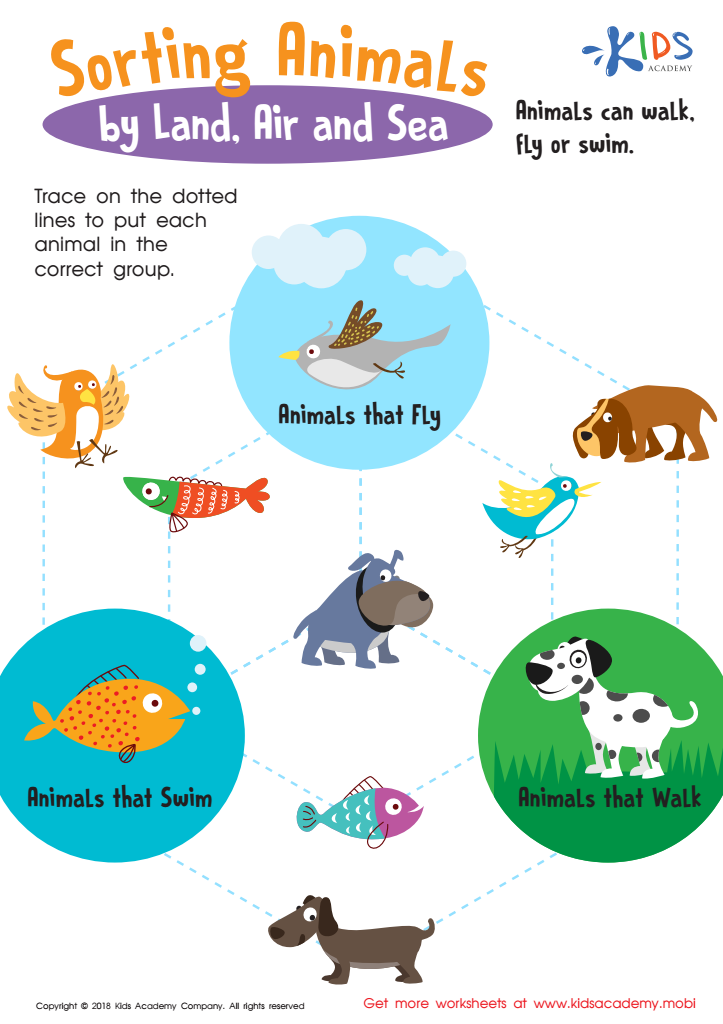
Sorting Animals by Land, Air and Sea Worksheet
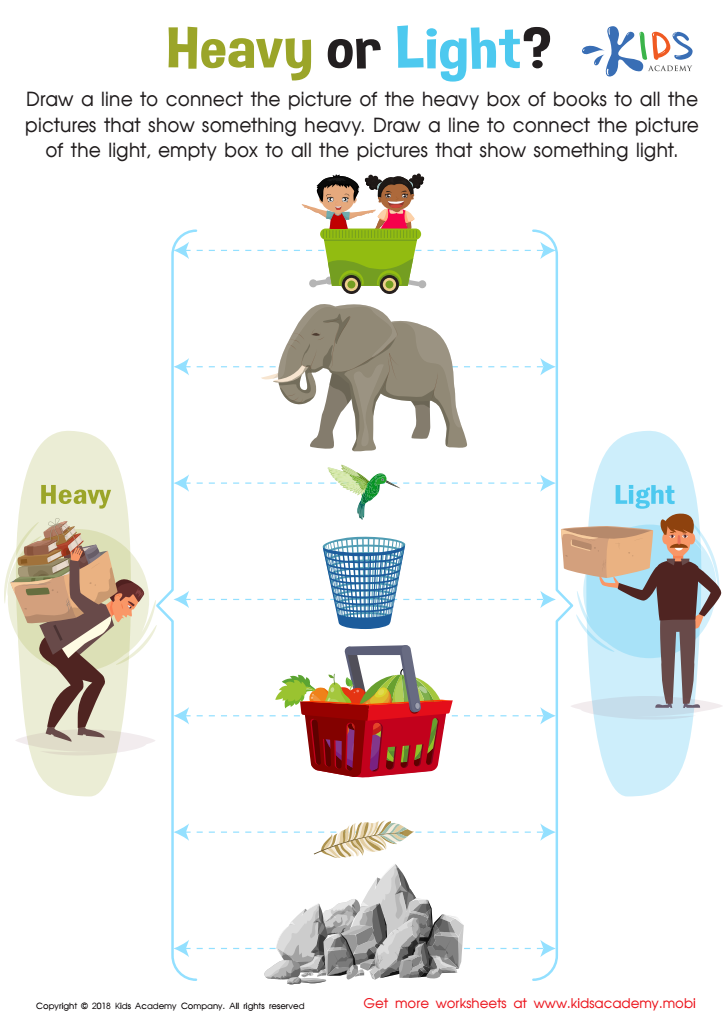
Heavy or Light? Worksheet








Enhancing observational skills in math for children aged 6-9 is vitally important, as it lays the groundwork for a strong mathematical foundation. At this formative age, kids develop critical thinking abilities and cognitive skills that will influence their long-term educational success. When children become adept at observing details, patterns, and relationships in their environment, they can translate these skills into problem-solving capabilities in math.
Observational skills help young learners identify, compare, and categorize objects, fostering a deeper understanding of mathematical concepts such as geometry, measurement, and data analysis. For example, recognizing patterns and sequences is crucial for developing number sense and grasping more complex mathematical operations later on. Additionally, honing these skills encourages curiosity and a proactive learning attitude, essential traits for lifelong education.
Both parents and teachers play an essential role in nurturing these skills. Through activities like counting objects, exploring shapes around them, or even daily tasks like cooking, children can practice and improve their observational skills.
Ultimately, strong observational abilities in math help children build confidence, enhance problem-solving accuracy, and foster enthusiasm for learning, setting them up for both immediate and future academic achievements.








