Handwriting Skills Math Worksheets for Ages 6-9
6 filtered results
-
From - To
Unlock your child's potential with our Handwriting Skills Math Worksheets, designed specifically for ages 6-9. These engaging worksheets combine essential handwriting practice with fundamental math concepts, making learning both fun and effective! Your child will enhance their fine motor skills while practicing letters and numbers related to math, fostering confidence in writing and computation. Our user-friendly, printable worksheets cater to various learning styles and feature vibrant visuals to keep your little one motivated. Whether at home or in the classroom, these resources are perfect for reinforcing skills key to academic success. Start building a strong handwriting foundation today!
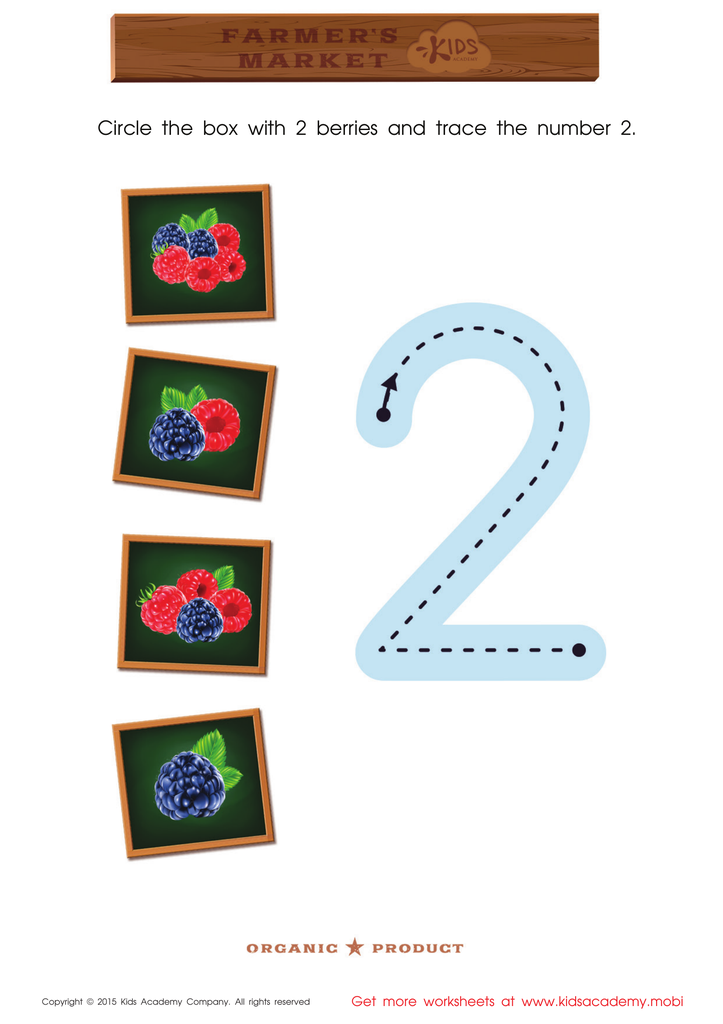
Count the Berries and Trace the Number 2 Printable
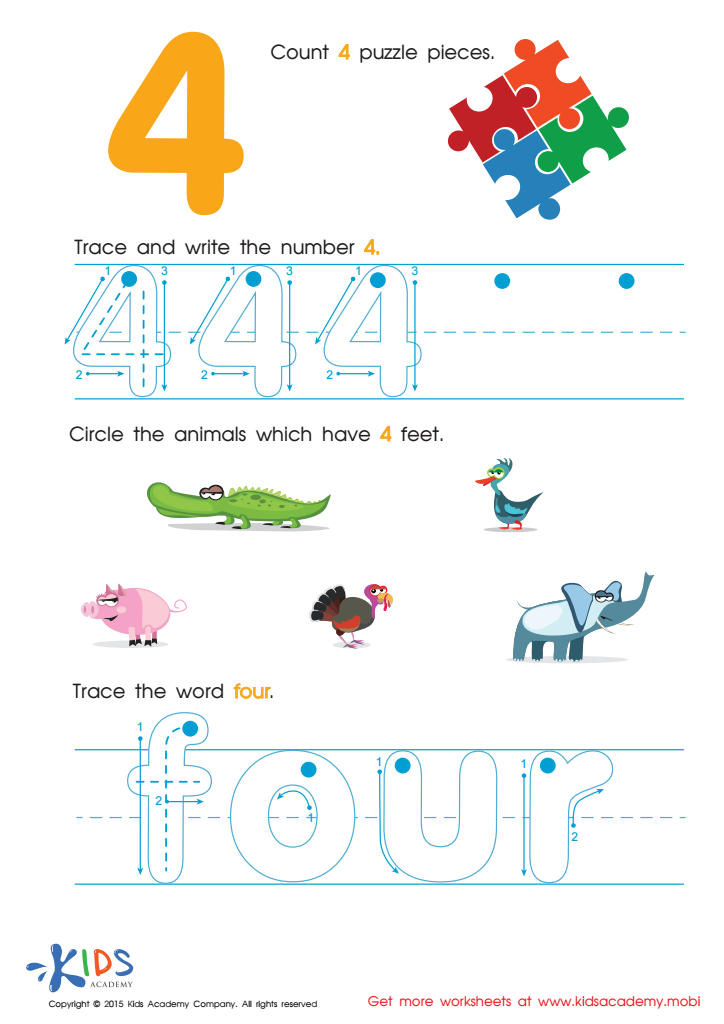
Teaching Children to Write Number 4 Worksheet
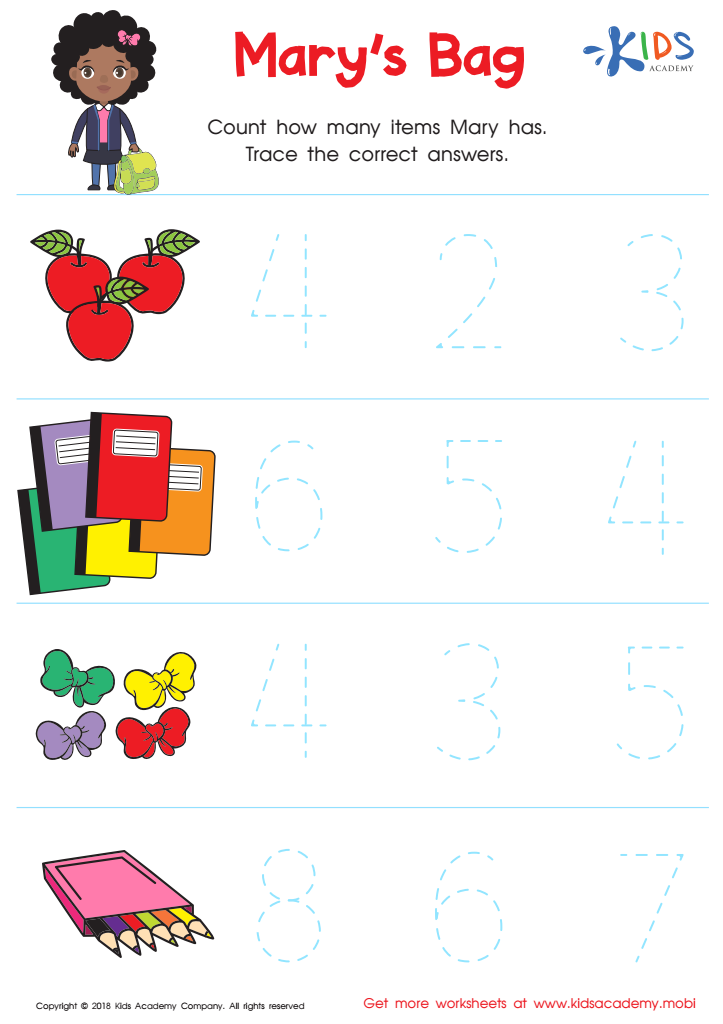
Kindergarten Number Tracing: Mary's Bag Worksheet
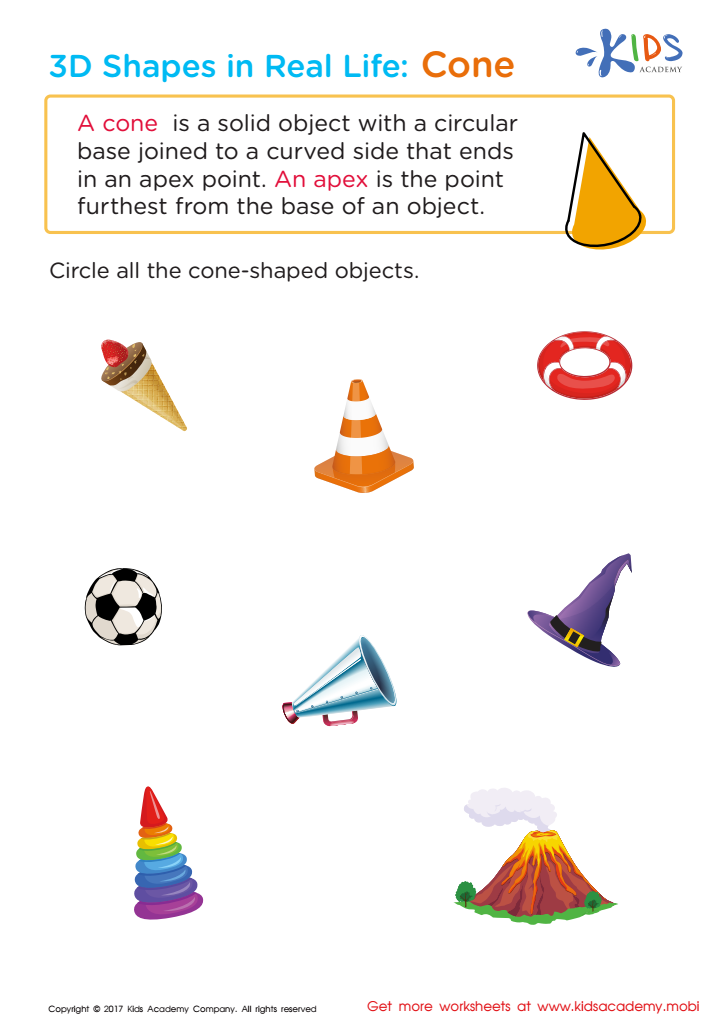
Shapes in Real Life: Cone Worksheet
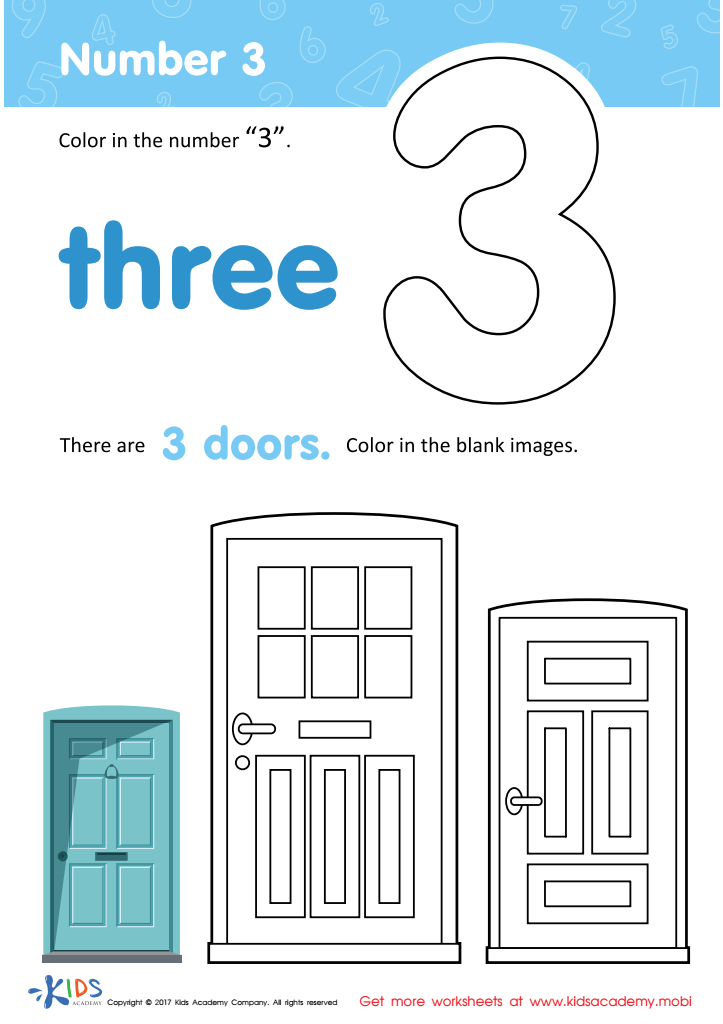
Number 3 Worksheet
 Assign to My Students
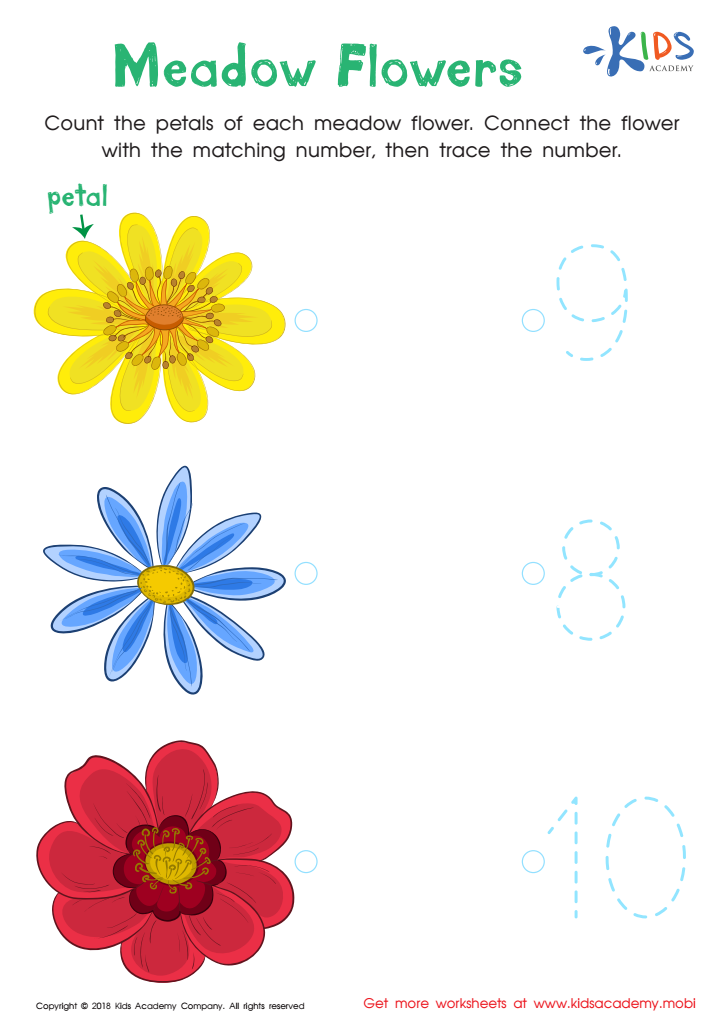
Kindergarten Number Tracing: Medow Flowers Worksheet








Handwriting skills play a crucial role in a child's overall development, particularly for those aged 6-9, while engaging in math activities. At this stage, children are not just learning numbers and equations but also honing their fine motor skills through the act of writing. Clear and legible handwriting enhances a child's ability to express their mathematical understanding and problem-solving processes on paper.
When children write their solutions, they engage in cognitive processing, which reinforces their comprehension and retention of mathematical concepts. Neat handwriting reduces frustration during homework and tests, allowing young learners to focus on understanding math rather than struggling to decipher their own notes.
Furthermore, good handwriting promotes a sense of responsibility and pride in their work, which is fundamental for building self-esteem. Teachers and parents who emphasize handwriting skills encourage a holistic approach to education, integrating both fine motor and cognitive skills in learning.
In an increasingly digital world, proficient handwriting remains essential, as it is still necessary for note-taking and written communication. By fostering this skill during a formative age, caregivers set children up for academic success in both math and beyond. Thus, prioritizing handwriting skills is vital for developing confident, capable learners.








