Letter recognition Math Worksheets for Ages 6-9
5 filtered results
-
From - To
Discover our engaging Letter Recognition Math Worksheets designed for ages 6-9! Blending foundational mathematics and letter recognition skills, these worksheets make learning fun and effective. Perfect for young learners, they provide interactive activities like tracing, matching, and identifying letters and numbers. Every worksheet is crafted to boost confidence and enhance critical thinking. Ideal for both classroom and at-home practice, our collection supports your child's educational journey through playful and motivating exercises. Foster a love for learning with our expertly designed resources and watch your little learners thrive as they master essential skills!
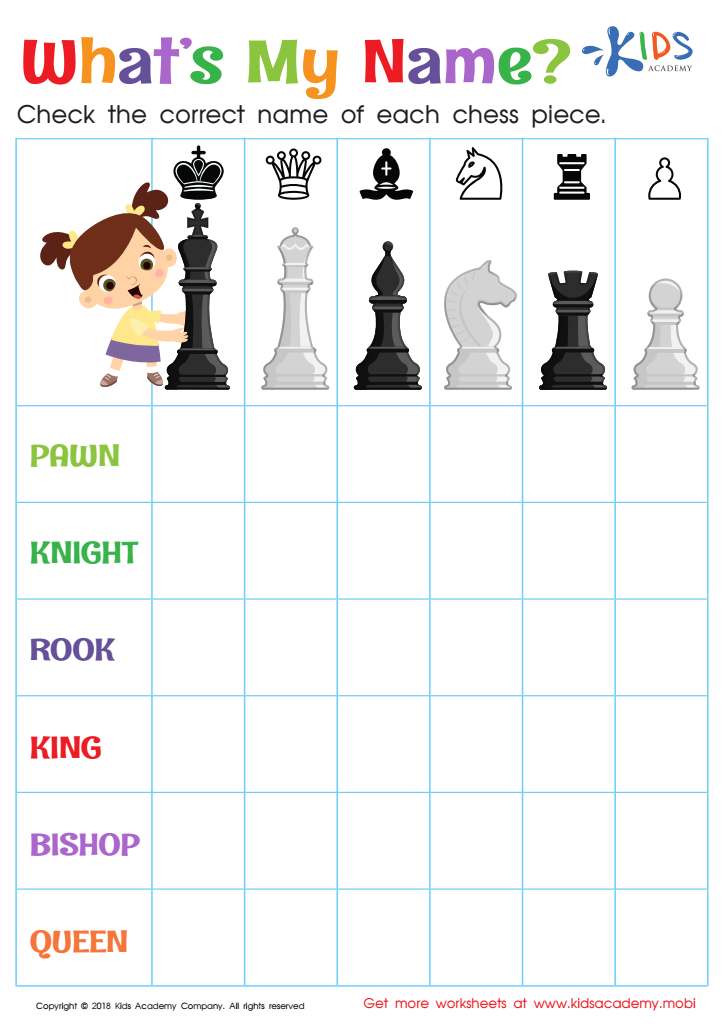
What's My Name? Worksheet
 Assign to My Students
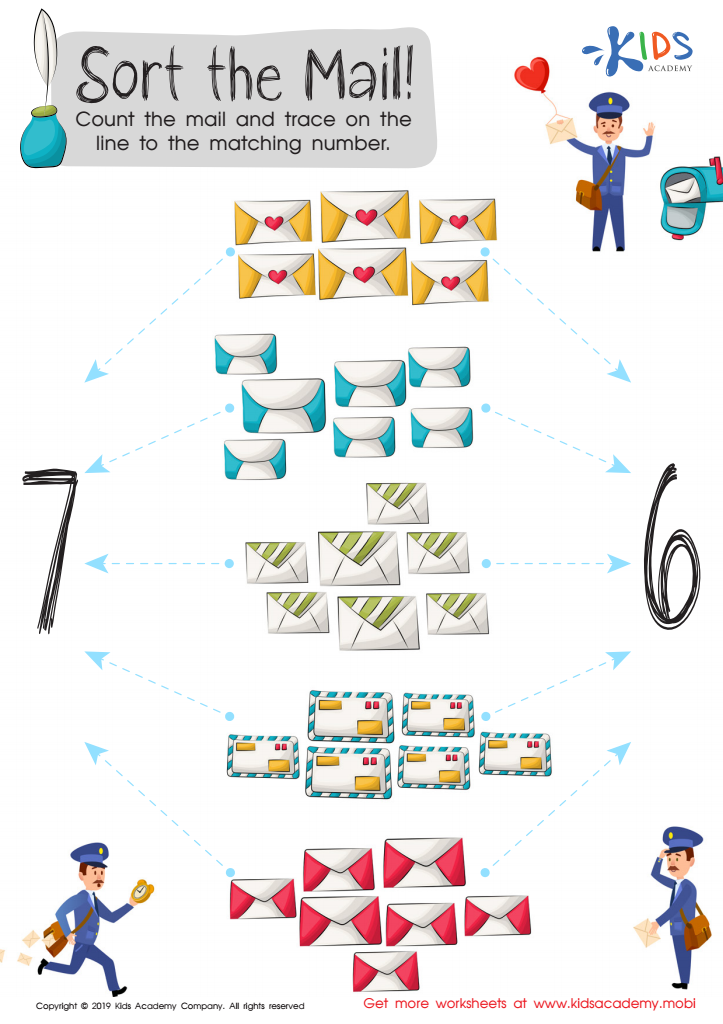
Sort the Mail Worksheet







Letter and number recognition for children ages 6-9 forms the bedrock of literacy and numeracy skills, crucial for their long-term academic success. During these formative years, the brain is highly receptive to learning, making it essential to establish strong foundational skills.
Letter recognition is the stepping stone to reading and writing. Children who readily identify letters can swiftly progress to decoding words, enriching their vocabulary and enhancing comprehension. Phonemic awareness—recognizing that letters correspond to sounds—emerges, enabling fluent reading and effective communication.
Simultaneously, number recognition plays a pivotal role in early mathematics education. Mastering numbers allows children to engage in fundamental operations like addition and subtraction, paving the way for more complex concepts like multiplication and division. Number recognition also underpins logical reasoning and problem-solving abilities—skills vital not only in mathematics but in everyday life.
Investing in letter and number recognition during these critical growth years can foster a love for reading and mathematics, cultivate self-confidence, and facilitate smoother transitions to more advanced topics. Parents and teachers serve as vital guides. Supporting and nurturing these skills can ensure that children are well-equipped to excel academically and beyond. Ignoring these foundational skills risks future struggles in school, diminished confidence, and missed opportunities for intellectual growth.








