Mathematics skills Math Worksheets for Ages 6-9
3 filtered results
-
From - To
Unlock your child's potential with our engaging Mathematics skills worksheets designed for ages 6-9. These printable resources offer a fun and interactive way for young learners to develop essential math skills, including addition, subtraction, multiplication, division, and problem-solving techniques. Tailored to align with educational standards, our worksheets provide a balanced mix of challenges to enhance critical thinking and boost confidence. Whether you're reinforcing classroom learning or reviewing at home, these worksheets create an enjoyable learning experience. Explore and download today to help your child build a strong foundation in mathematics for a successful future!
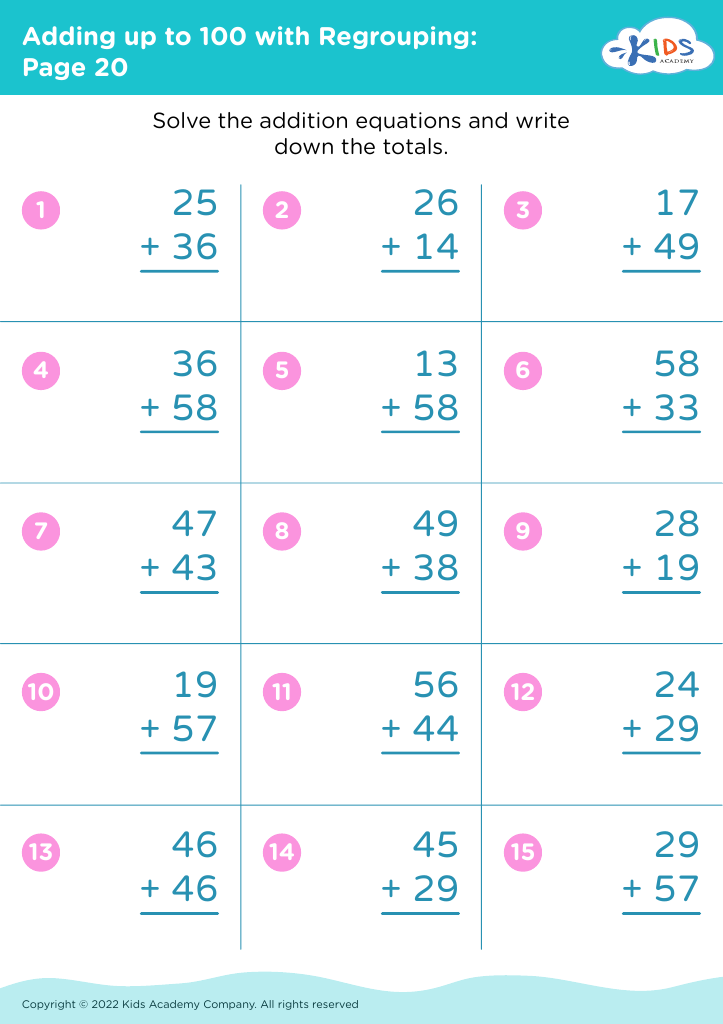
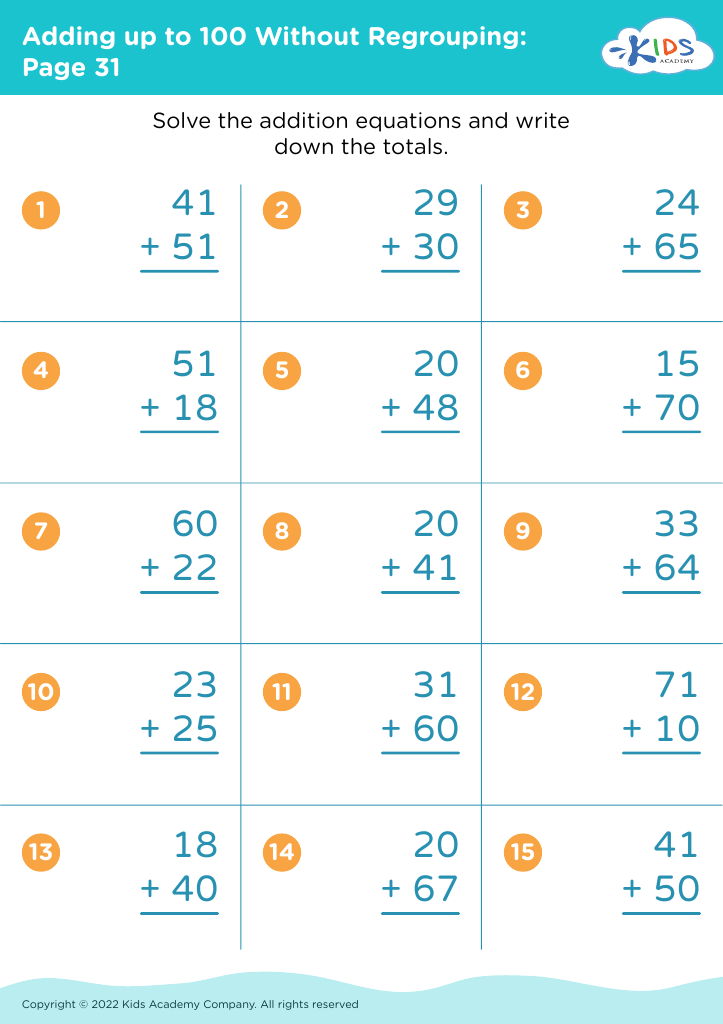
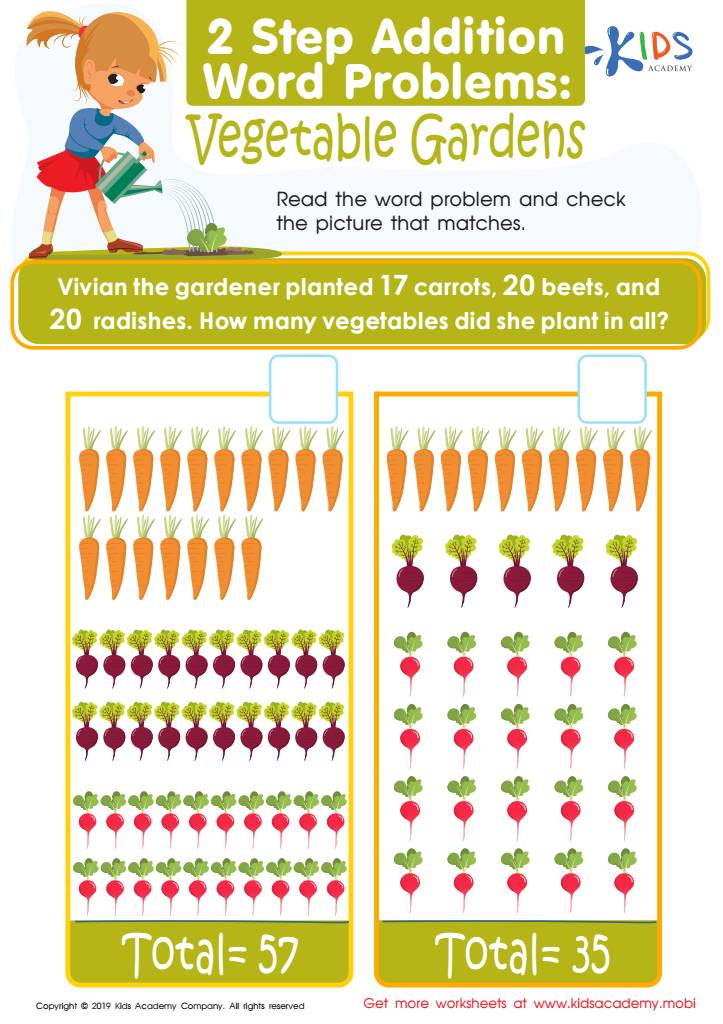
Vegetable Gardens Worksheet
 Assign to My Students








Mathematics skills for children ages 6-9 form a critical foundation for their future learning and daily life. During these formative years, children develop essential concepts such as addition, subtraction, multiplication, and division. Mastering these skills enhances their problem-solving abilities, logical thinking, and analytical skills, which are invaluable not just in math, but across all disciplines.
Moreover, strong math skills encourage confidence and resilience in learners. When children tackle math challenges and succeed, they build self-esteem and a growth mindset which they carry into other subjects. Additionally, mathematics is intricately woven into everyday life—whether it involves budgeting, cooking, or even playing games, understanding math can improve decision-making and critical thinking skills.
For parents and teachers, fostering these skills early sets a trajectory for academic success, as approximately 90% of future academic achievement hinges on mastering early math concepts. Furthermore, collaboration between home and school in nurturing these abilities can create a supportive environment that stimulates interest in math, reducing anxiety and fostering a love for learning. By prioritizing math skills during these pivotal years, parents and teachers lay the groundwork for children's future educational experiences and overall life skills, helping them thrive both academically and personally.








