Spelling practice Math Worksheets for Ages 6-9
8 filtered results
-
From - To
Explore our engaging Spelling Practice Math Worksheets designed for children aged 6-9. These worksheets seamlessly combine essential spelling skills with math concepts, making learning fun and interactive. Target key vocabulary and enhance your child's mathematical understanding through creative exercises that challenge and inspire. Our printable resources include a variety of activities, from word puzzles to fun sentences, that promote language development alongside numerical proficiency. Perfect for home or classroom use, these worksheets support young learners as they build confidence in both spelling and math. Equip your child with the tools they need to succeed while enjoying the process of learning!
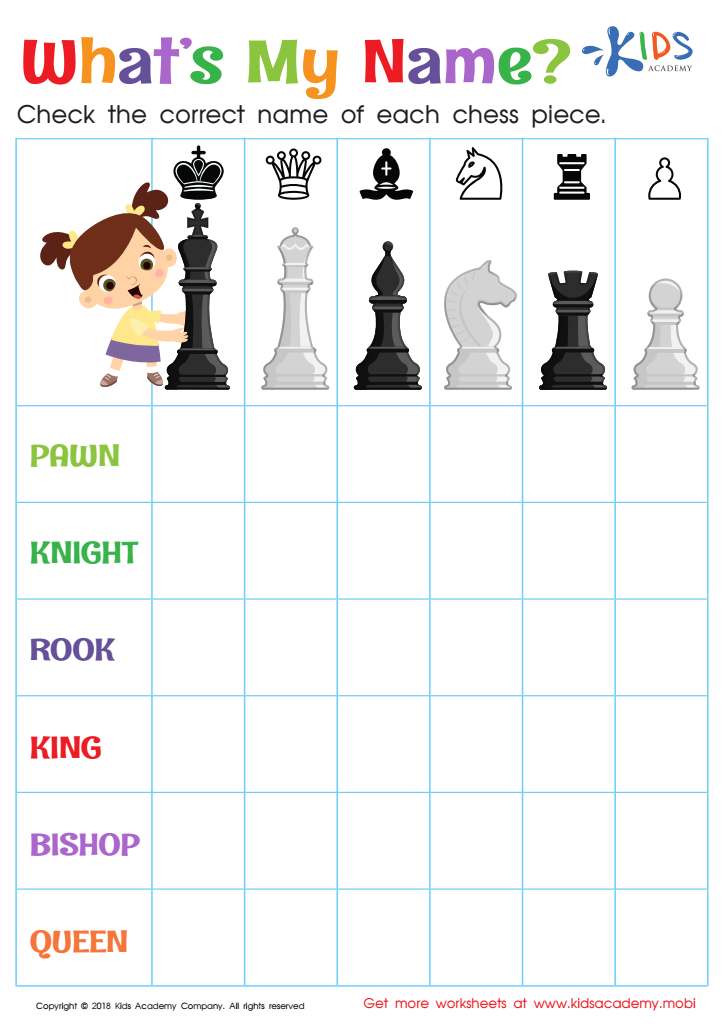
What's My Name? Worksheet
 Assign to My Students
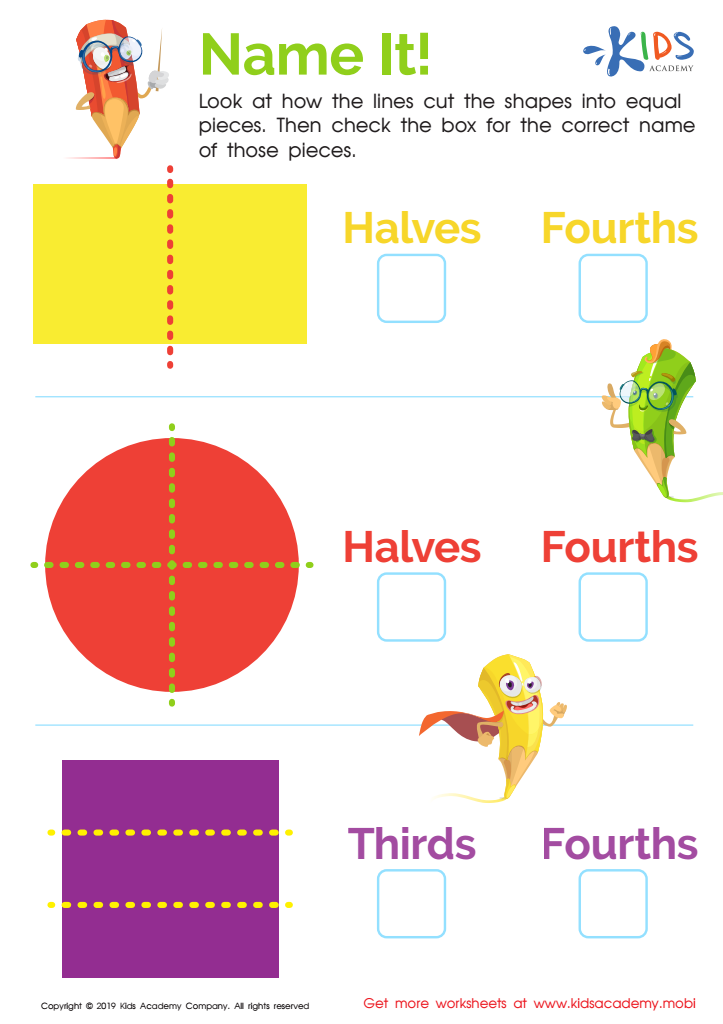
Name It! Worksheet
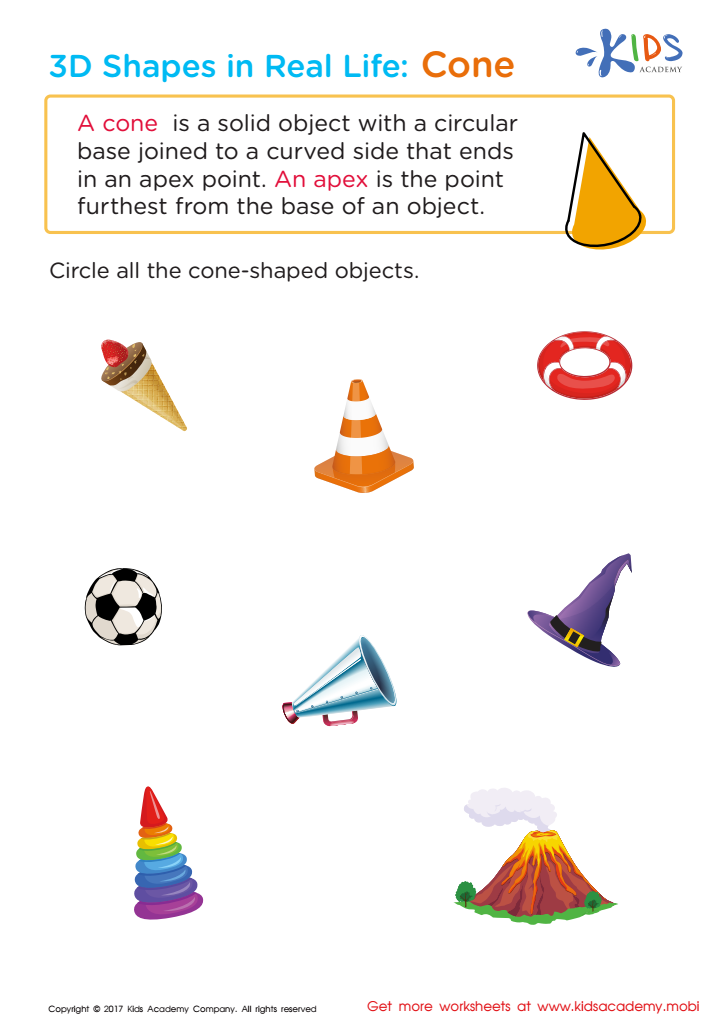
Shapes in Real Life: Cone Worksheet
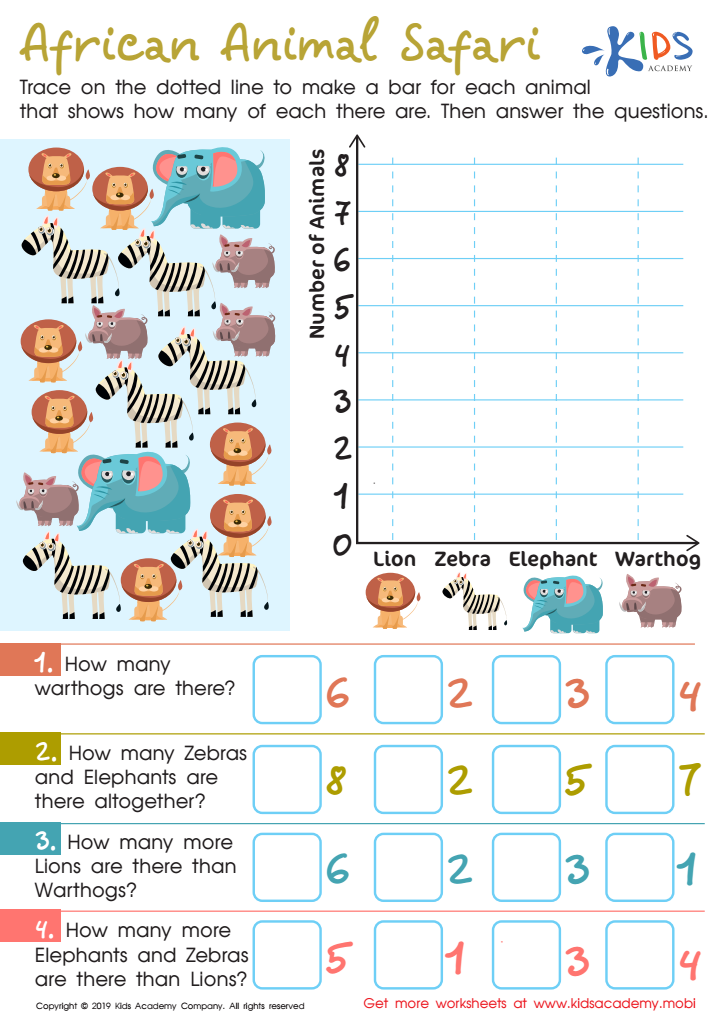
African Animal Safari Worksheet



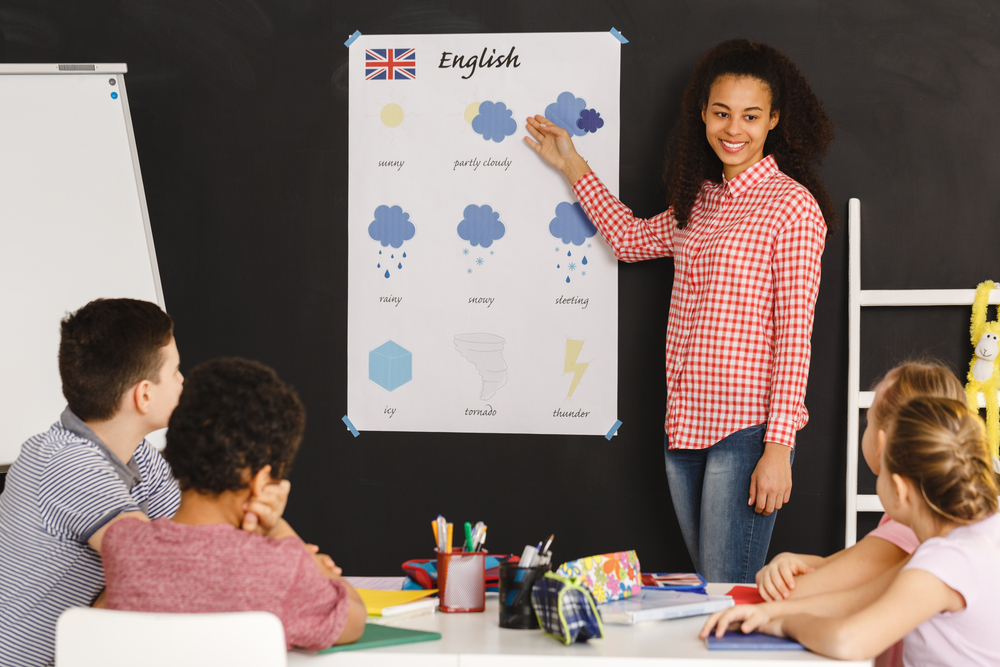




Spelling practice in the context of math for children ages 6-9 is crucial for several reasons. Firstly, young learners develop foundational language skills that complement their mathematical understanding. Mastering the spelling of math-related terms—such as "add," "subtract," "equals," and "sum"—enables students to clearly articulate mathematical ideas and processes. This dual focus not only helps with comprehension but also boosts their confidence in both subjects.
Additionally, improving spelling skills enhances a child's ability to follow written instructions in math problems, as many concepts require precise terminology. Misunderstanding a term can lead to mistakes in problem-solving and math applications. Integrating spelling practice into math helps reinforce vocabulary and aids memory retention, making it easier for students to link new knowledge to what they already know.
Moreover, effective spelling and language skills contribute directly to overall communication abilities, paving the way for stronger analytical thinking and reasoning skills in math. Parents and teachers should prioritize this integration to foster holistic development, equipping children with vital literacy skills that will support their continued academic growth and increase their chances of future success in various subjects. Ultimately, connecting spelling and math enriches learning experiences and lays a strong foundation for critical thinking.








