Understanding number sequences Math Worksheets for Ages 6-9
7 filtered results
-
From - To
Dive into the fun world of number sequences with our engaging Math Worksheets designed for ages 6-9! These worksheets are specifically tailored to help young learners grasp the concept of patterns and sequences in numbers. Engaging exercises include identifying, extending, and creating number sequences, promoting critical thinking and boosting confidence in math skills. Ideal for home practice or classroom learning, these resources create a supportive environment for developing essential numerical understanding. Let your child explore various activities that foster excitement in math while strengthening their foundational skills. Download our worksheets today and watch your budding mathematician thrive!
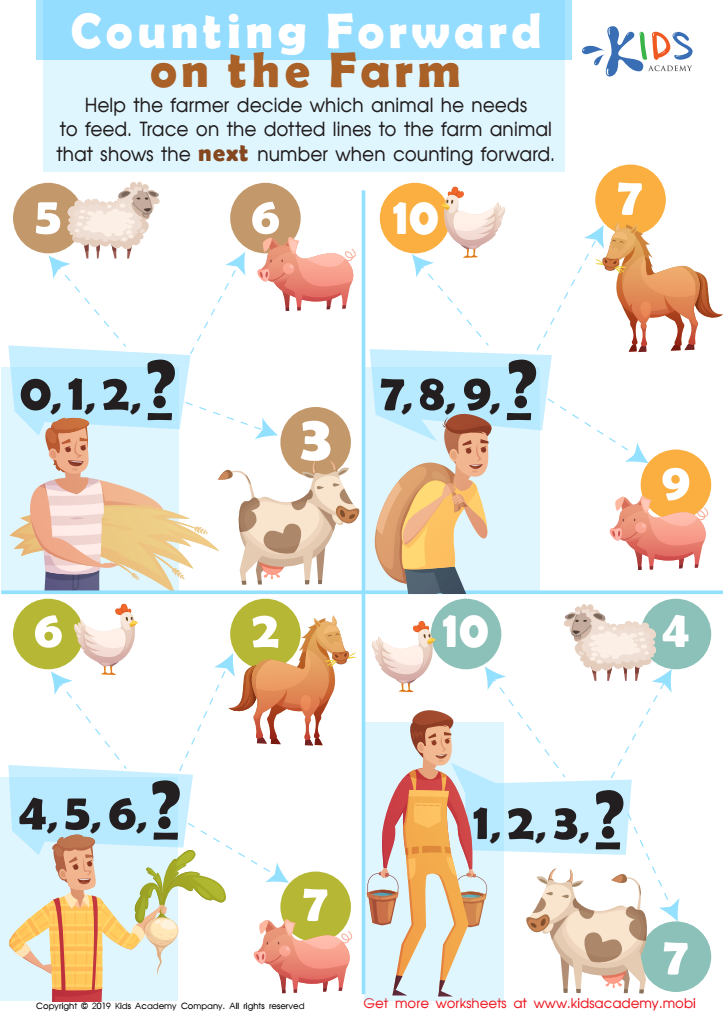
Counting Forward On the Farm Worksheet
 Assign to My Students
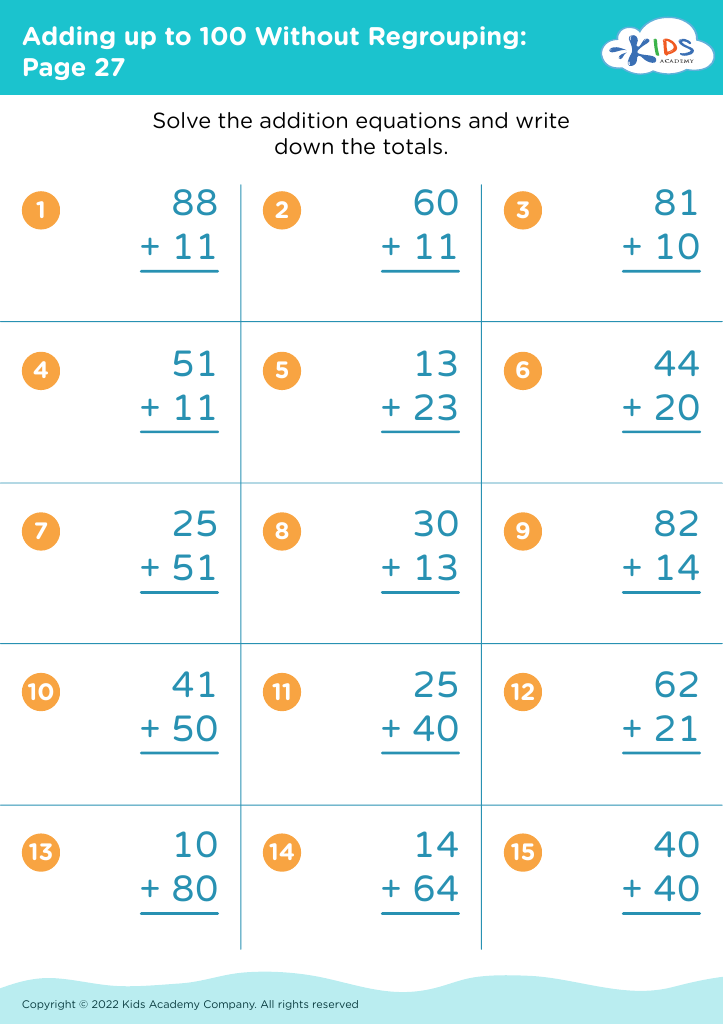
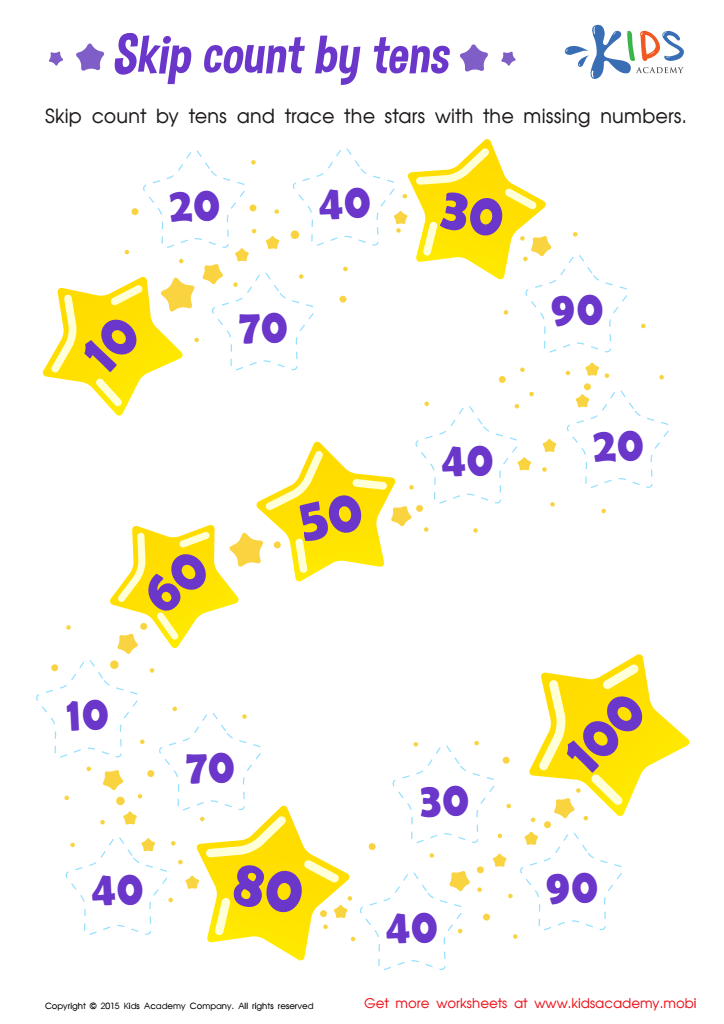
Learn dozens: Skip Count by Tens Printable
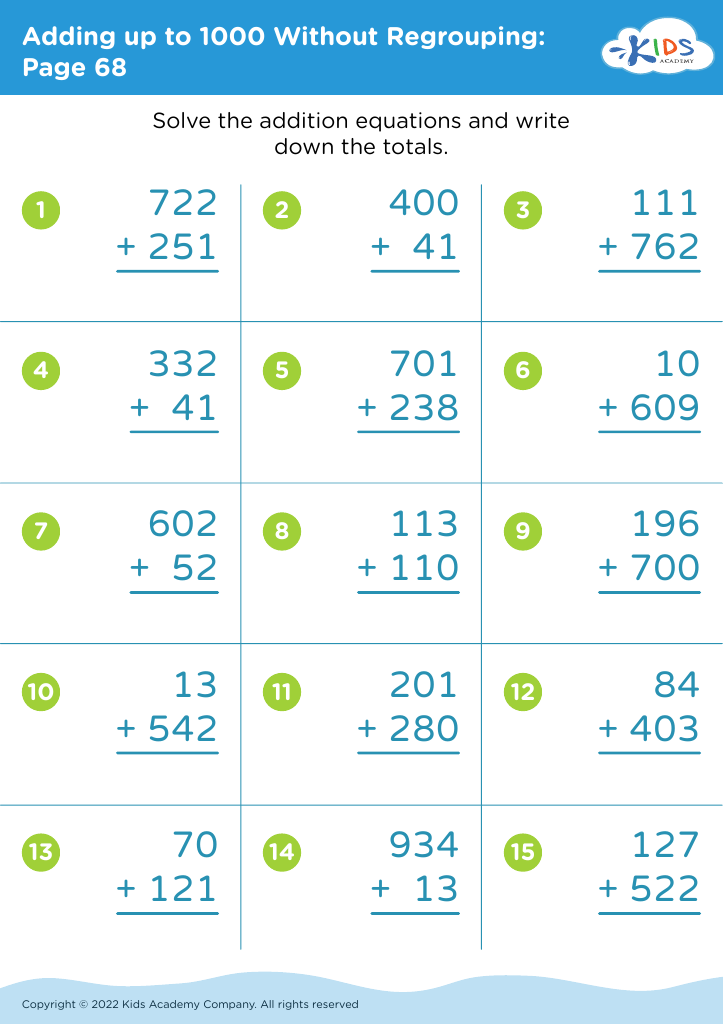
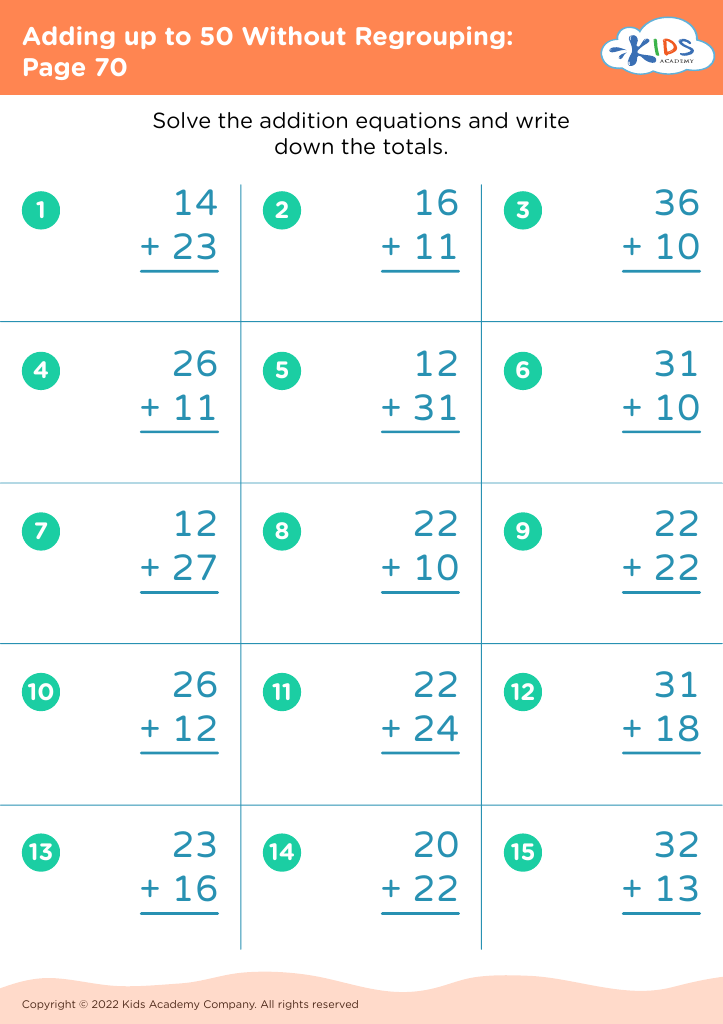
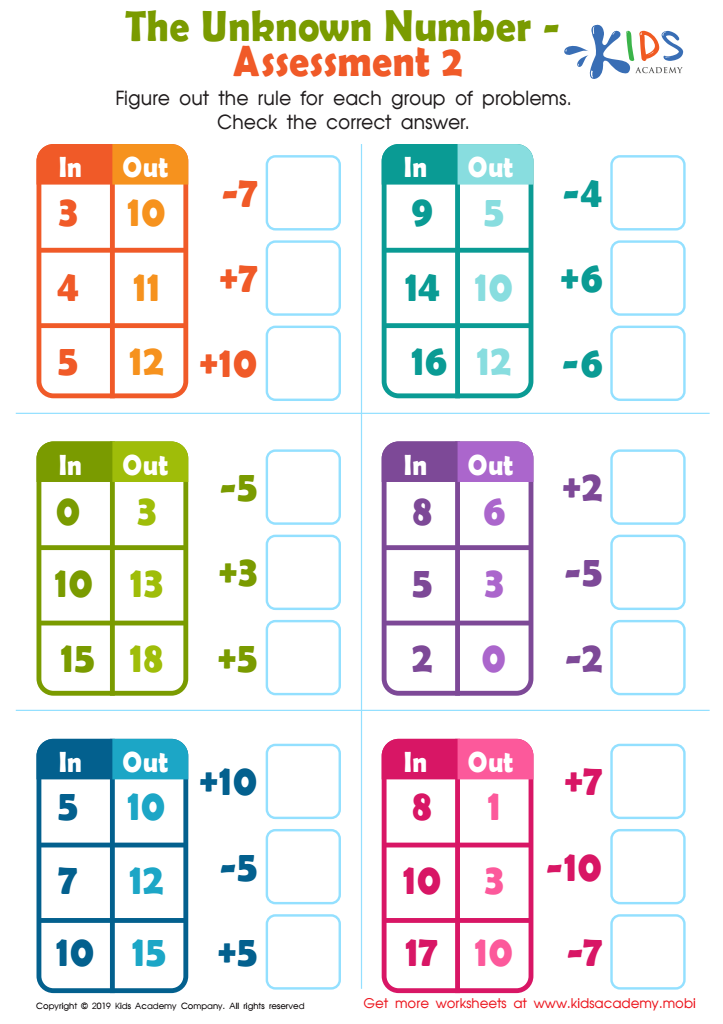
The Unknown Number - Assessment 2 Worksheet
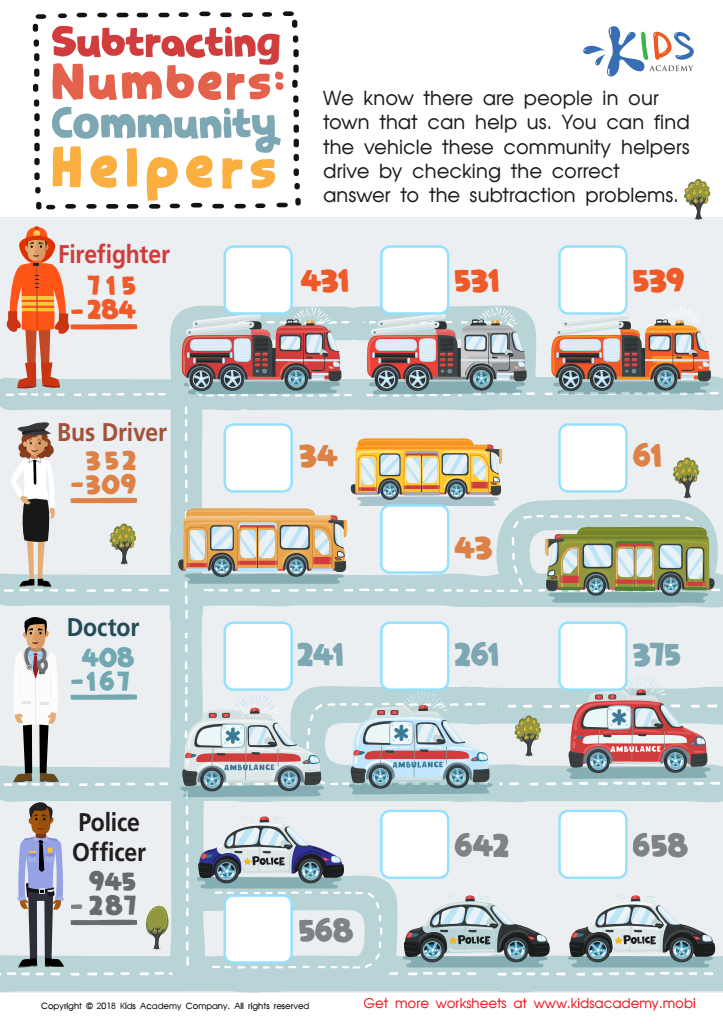
Subtracting Numbers: Community Helpers Worksheet


.jpg)




Understanding number sequences is vital for children aged 6-9, as it lays the foundation for advanced mathematical concepts and critical thinking skills. At this developmental stage, children are naturally curious and eager to recognize patterns, making it the perfect time to cultivate their mathematical understanding. Number sequences help children grasp essential concepts such as addition, subtraction, and even multiplication.
Teachers and parents should care about teaching number sequences because recognizing and working with these sequences enhances a child's data interpretation abilities and logical reasoning skills. It directly supports problem-solving approaches and allows children to predict future numbers based on established patterns, fostering cognitive flexibility.
Moreover, familiarity with number sequences promotes numeric fluency, helping children become confident and competent in mathematics. As they learn to recognize sequences, they also develop a deeper understanding of place value, skip counting, and basic calculations, which form the building blocks for more complex math operations.
Encouraging an understanding of number sequences opens doors to various disciplines, not just math, enhancing overall cognitive development and preparing children for future learning challenges across subjects, making it essential for parents and educators to emphasize this area in their teaching efforts.








