Logical thinking development Measurement Worksheets for Ages 6-9
3 filtered results
-
From - To
Enhance your child's logical thinking skills with our engaging Measurement Worksheets, specifically designed for ages 6-9. These worksheets provide fun and interactive activities focused on measurement concepts, helping young learners develop critical thinking and reasoning abilities. Through diverse exercises, children will practice comparing sizes, understanding units of measurement, and applying these concepts in real-world scenarios. Our materials promote creativity and problem-solving, ensuring a well-rounded approach to learning. Ideal for homeschooling or classroom use, these worksheets make learning math enjoyable and effective. Empower your child with essential skills that lay the foundation for future academic success in math and beyond!
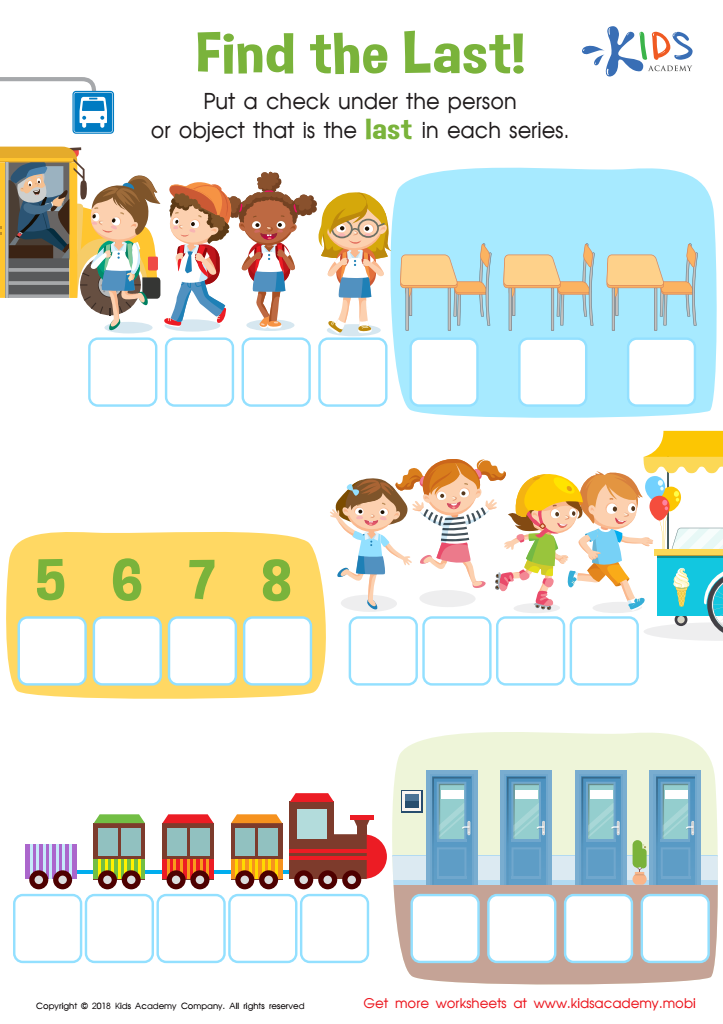
Find the Last! Worksheet
 Assign to My Students
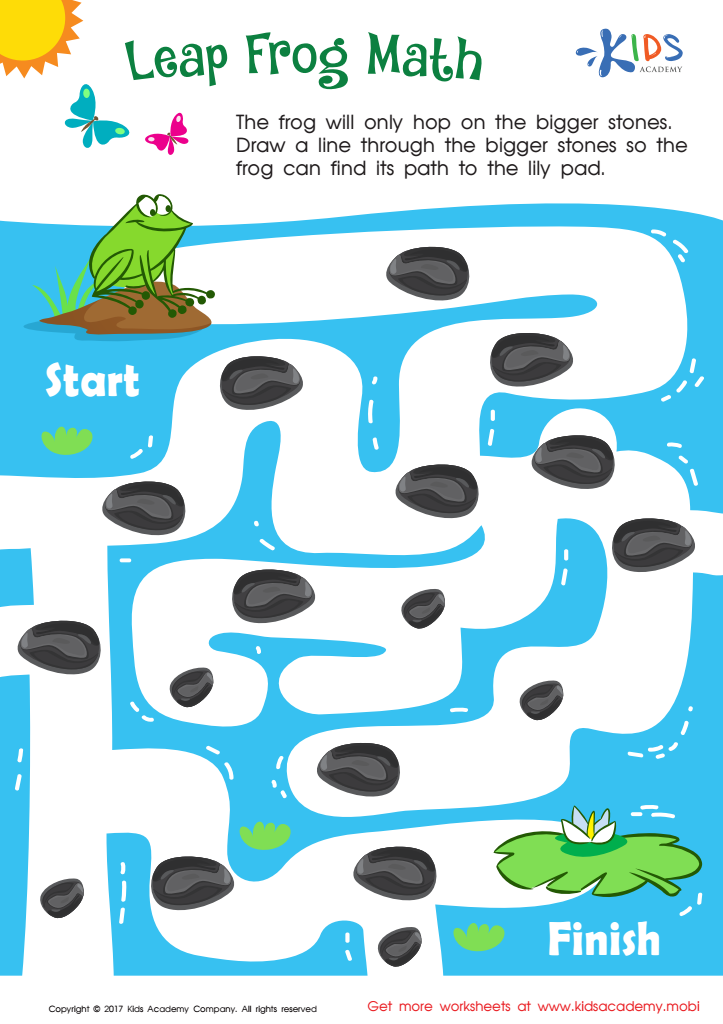
Math Puzzle Worksheet
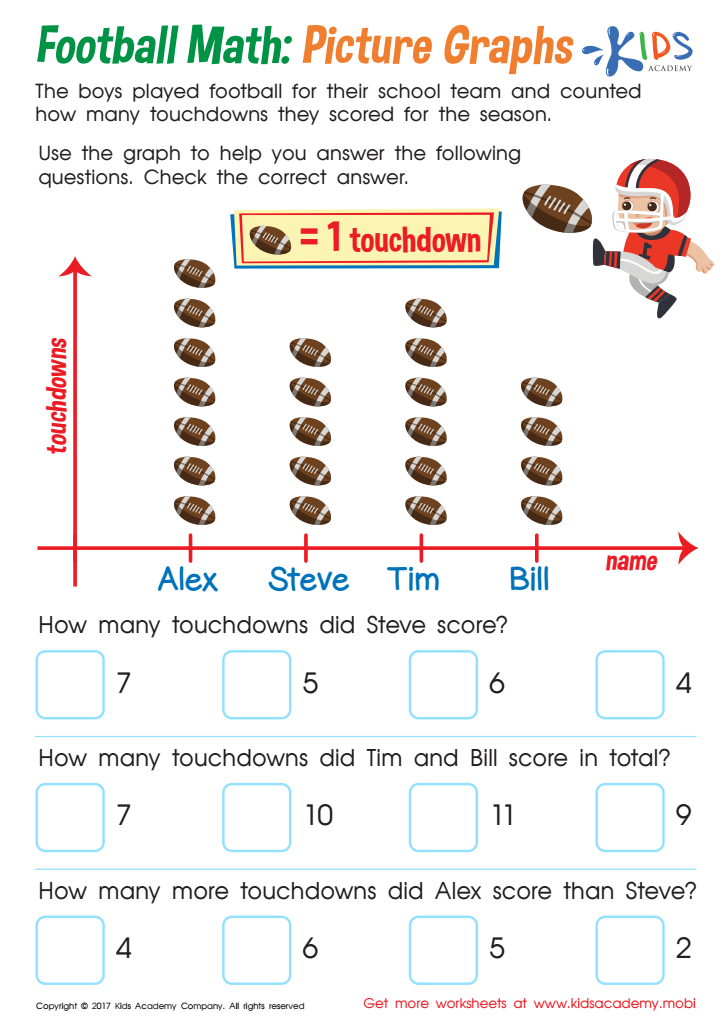
Football Math Worksheet








Logical thinking development in children aged 6-9 is crucial for their cognitive growth and future success. At this age, children's brains are particularly receptive to learning skills that form the foundation of problem-solving and critical thinking. Measuring their progress in logical thinking helps parents and teachers understand each child's abilities, identify areas needing improvement, and tailor educational strategies accordingly.
Logical thinking skills empower children to analyze situations, make connections, and draw reasoned conclusions. These skills not only underpin math and science education but also enhance their understanding of complex social environments, influencing decision-making and interpersonal relationships. By fostering logical thinking, educators and parents help children develop resilience against challenges, as they learn to approach problems systematically.
Furthermore, assessing logical thinking provides insight into a child's readiness for future learning opportunities. Early intervention, when trends are identified, can lead to tailored support that prevents learning gaps. Overall, nurturing logical thinking from a young age lays the groundwork for academic success and lifelong learning. It enriches a child's ability to navigate their world, reinforcing their confidence and competence in various aspects of life—a starting point for becoming thoughtful, informed adults.








