Number identification Numbers 0–10 Worksheets for Ages 6-9
3 filtered results
-
From - To
Welcome to our Number Identification Worksheets for ages 6-9, specially designed to help young learners master the basics of numbers 0-10. Our engaging, printable worksheets provide a fun and interactive way for children to practice recognizing, identifying, and writing numbers. Each worksheet features vibrant visuals and age-appropriate activities that promote effective learning while keeping kids entertained. This resource supports foundational math skills essential for early education, boosting confidence and comprehension. Whether at home or in the classroom, our worksheets offer the perfect blend of creativity and education, making number learning an enjoyable experience for your little ones!
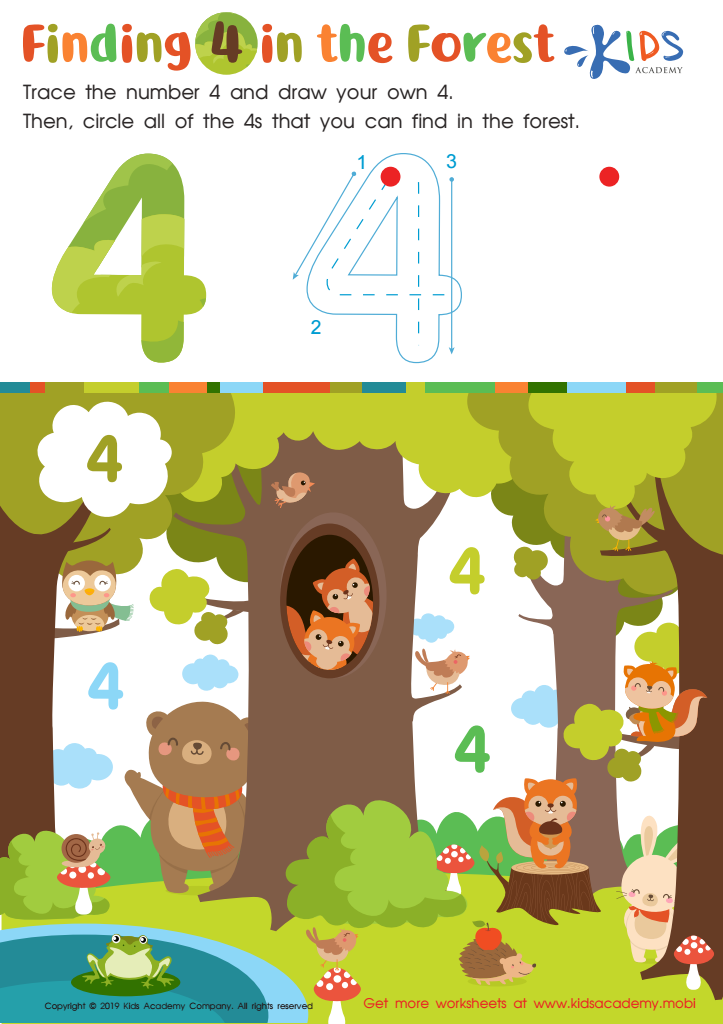
Finding 4 in the Forest Worksheet
 Assign to My Students
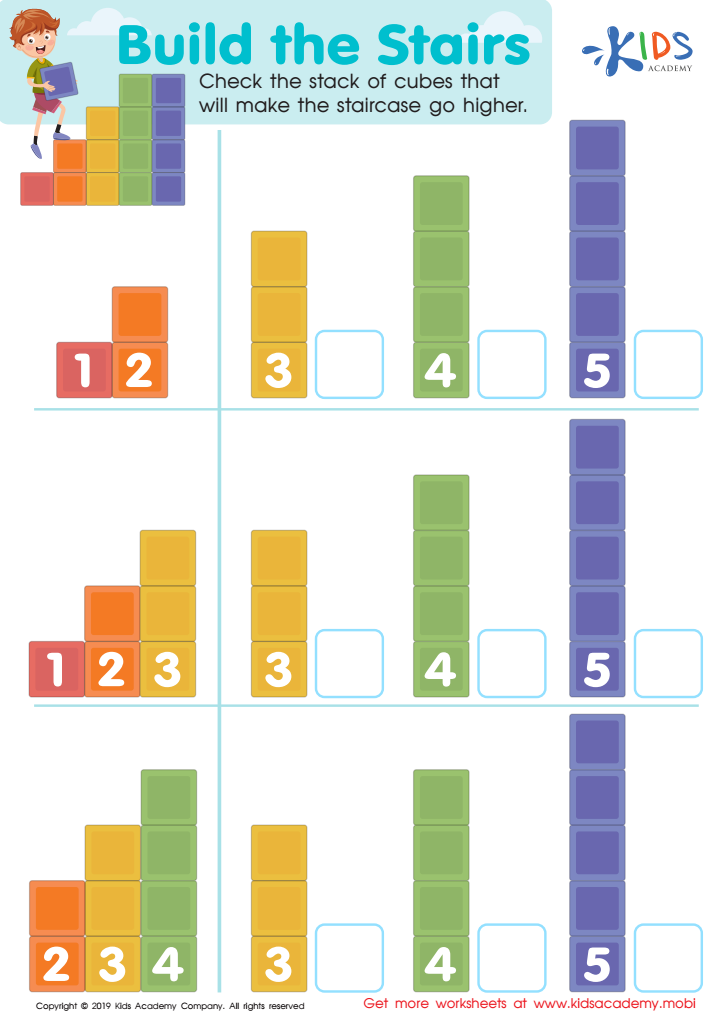
Build the Stairs Worksheet
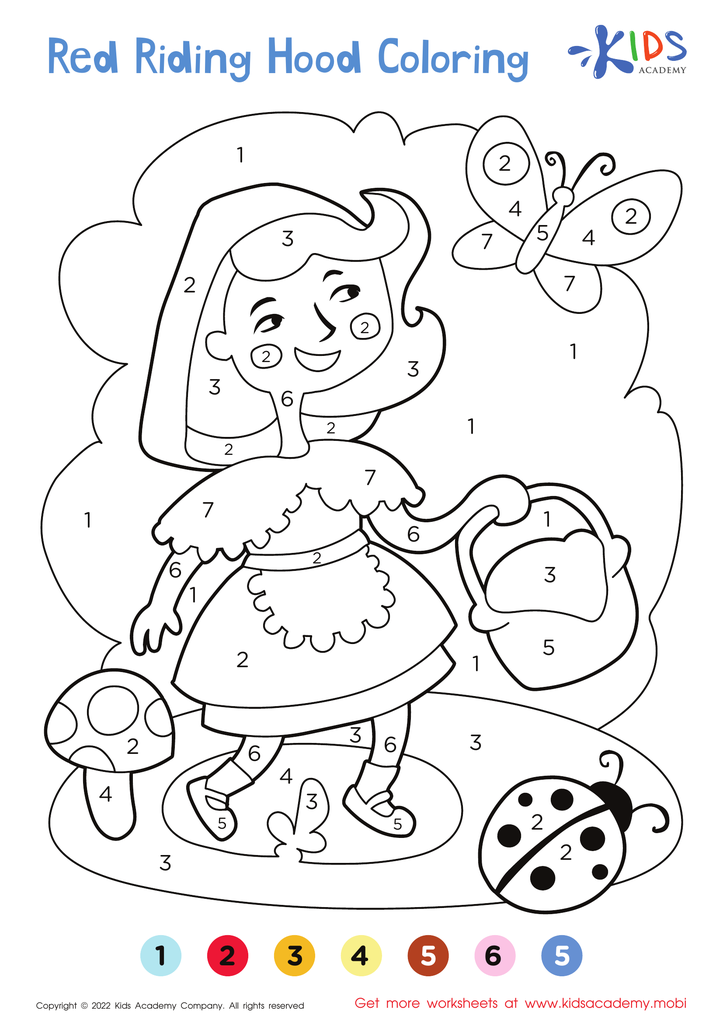
Little Red Riding Hood – Coloring by Numbers








Number identification from 0 to 10 is a foundational skill for children ages 6-9, making it essential for both parents and teachers. Understanding numbers serves as the building block for more complex mathematical concepts. Mastery of this skill develops early numerical fluency, which is vital for a child’s academic journey, influencing their confidence and interest in subjects like math.
Early identification encourages cognitive development, as children learn to recognize quantities and develop one-to-one correspondence. This skill is not just about memorization; it fosters critical thinking, problem-solving, and logical reasoning as they learn to categorize and compare numbers.
For parents, taking an active role in reinforcing number identification at home can enhance their child's learning experience. Simple activities, like counting objects or playing number games, make the process enjoyable and relatable, reinforcing knowledge through practical application.
Teachers play a crucial role by incorporating varied instructional techniques and hands-on activities in their classrooms. Engaging learning environments prompt collaboration and active participation, making numbers tangible and relevant.
Overall, focusing on number identification empowers children with confident mathematical foundations, setting the stage for lifelong learning and success in various academic endeavors. This foundational skill should be a priority for both parents and educators alike.








