Shape Recognition Numbers up to 100 Worksheets for Ages 6-9
3 filtered results
-
From - To
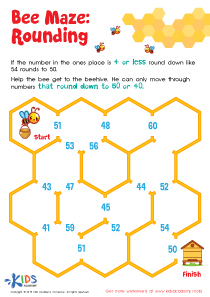
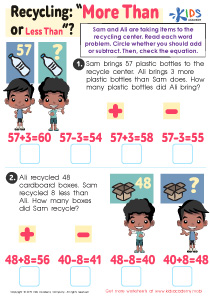
Introducing our "Shape Recognition Numbers up to 100 Worksheets for Ages 6-9"! Perfectly designed for young learners, these engaging worksheets seamlessly combine math skills with fun shape identification exercises. Children will enjoy searching for numbers within various shapes, enhancing their understanding of numbers up to 100 while developing essential cognitive skills. Ideal for classroom use or at-home practice, these resources boost confidence and ensure foundational math skills. As kids identify and trace shapes and numbers, they improve their fine motor skills and number recognition. Make learning enjoyable and effective with our expertly crafted worksheets!
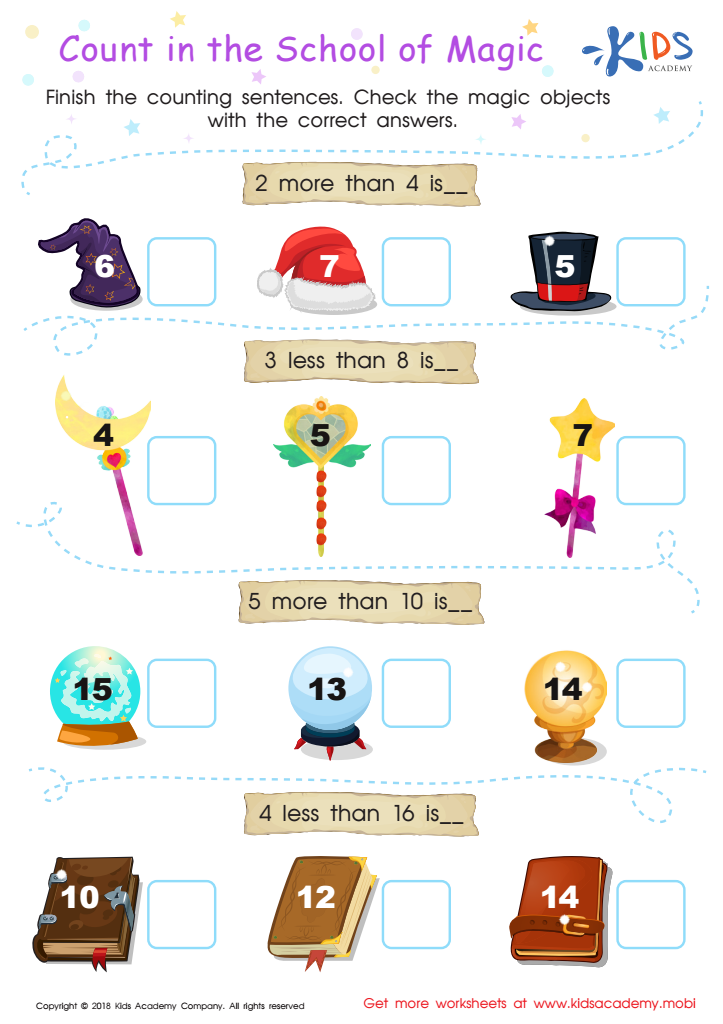
Count in the School of Magic Worksheet
 Assign to My Students
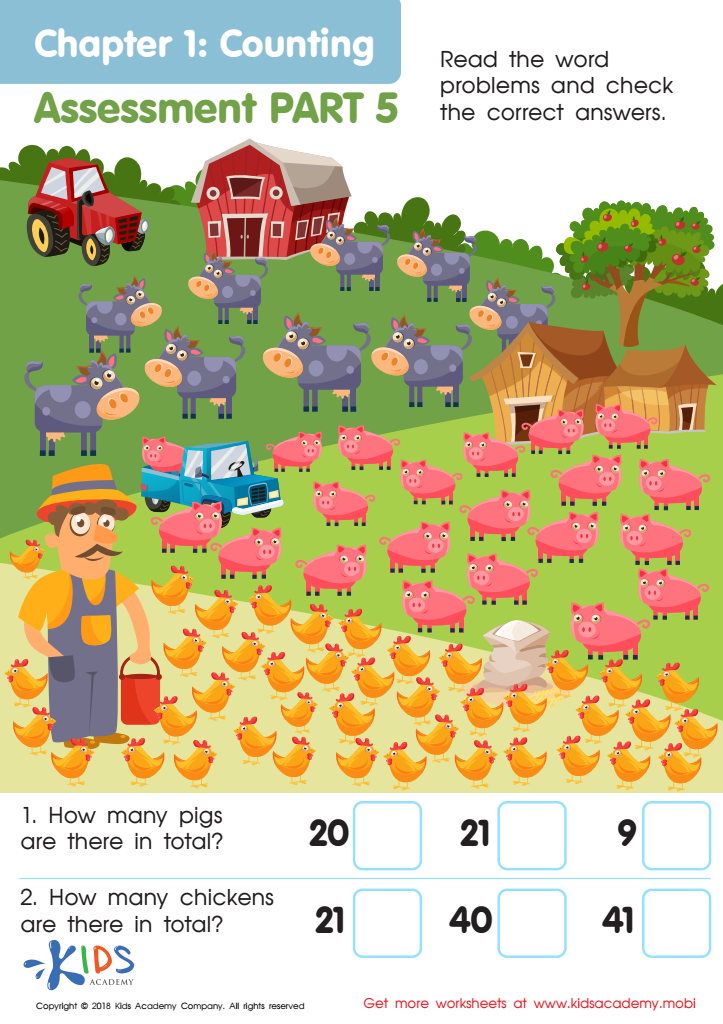
Counting: Assessment 5 Worksheet
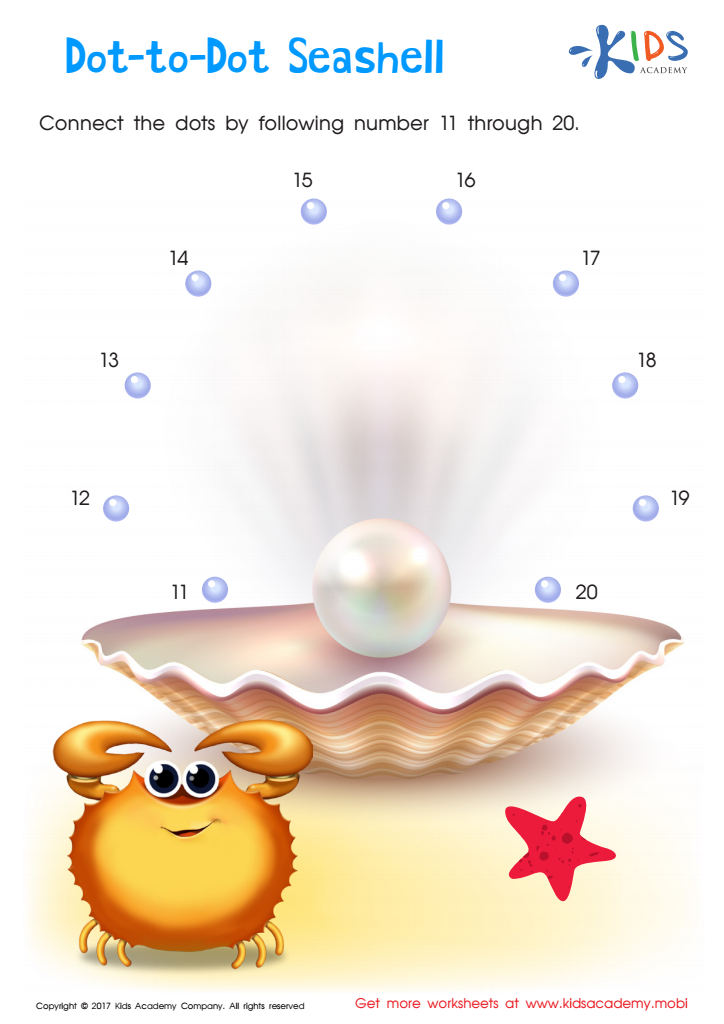
Ordering 11–20: Dot–to–dot Seashell Printable








Shape recognition involving numbers up to 100 is crucial for children aged 6-9 as it establishes foundational math skills and enhances cognitive development. At this age, children transition from recognizing basic shapes and numbers to understanding more complex numerical concepts. Recognizing shapes of numbers up to 100 helps in visual and spatial reasoning, which is vital for grasping more advanced mathematical operations such as addition, subtraction, multiplication, and division.
Integrating shape recognition with numbers aids in memory retention. For instance, a child can remember the number '8' better if they link it with its circular shape or visualize the two loops stacked. Such visual associations make learning more engaging and intuitive. Additionally, learning numbers through shape recognition helps sharpen visual discrimination skills, enabling children to notice patterns, similarities, and differences more effectively.
Parents and teachers should also recognize that mastering these skills fosters a positive attitude towards mathematics. Early proficiency in number recognition instills confidence and reduces math anxiety, laying a strong foundation for future academic success. Engaging young learners with interactive exercises that merge shapes and numbers supports their overall cognitive development and provides a fun yet educational experience, perfectly balancing play and learning. By prioritizing shape recognition numbers up to 100, educators and parents play a pivotal role in shaping a child's mathematical aptitude and critical thinking abilities.