Analytical thinking Building Vocabulary Worksheets for Ages 6-9
4 filtered results
-
From - To
Enhance your child's vocabulary and critical thinking skills with our "Analytical Thinking Building Vocabulary Worksheets" for ages 6-9. Carefully crafted to challenge young minds, these worksheets encourage analytical thought while expanding essential vocabulary. Featuring engaging activities such as word searches, matching exercises, and context-based word problems, each worksheet aims to make learning both fun and educational. Ideal for classroom or at-home use, these resources support literacy development and foster cognitive growth. Set your child on a path to academic success with our expertly designed worksheets that make vocabulary building an exciting adventure. Visit Kid’s Academy today to explore more!
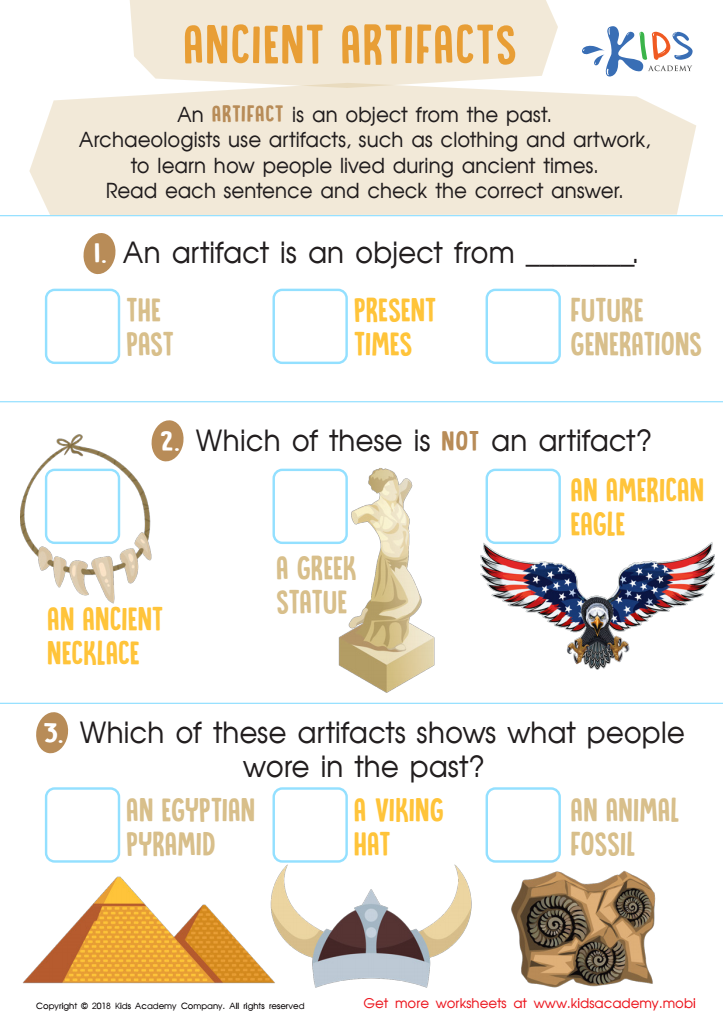
Ancient Artifacts Worksheet
 Assign to My Students











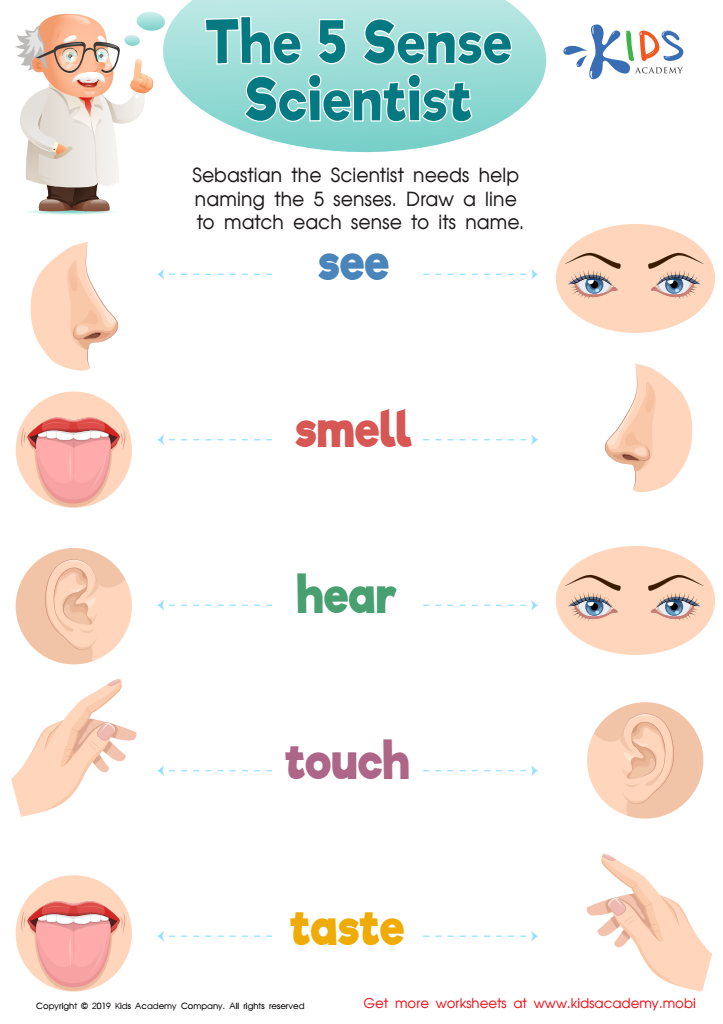
The 5 Sense Scientist Worksheet
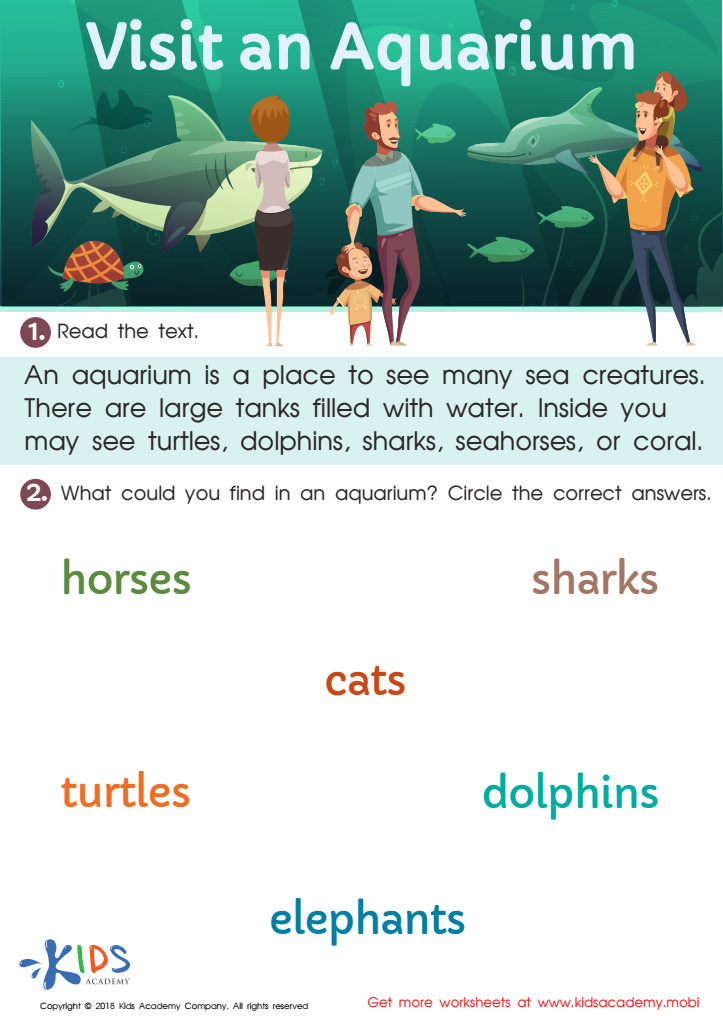
Visit an Aquarium Worksheet








Analytical thinking and vocabulary development are fundamental facets of cognitive growth for children aged 6-9, setting a strong foundation for academic success and lifelong learning. Cultivating analytical thinking at this age equips children with the skills to solve problems, make informed decisions, and understand complex concepts. It encourages children to question, compare, and analyze information, fostering their ability to think critically and independently. These skills are invaluable across all subjects, promoting better comprehension and academic performance.
Simultaneously, building a robust vocabulary enhances communication skills and reading comprehension. A rich vocabulary allows children to express themselves more clearly and understand others effectively. It aids in grasping the meaning of texts, following instructions, and engaging in classroom discussions. This dynamic combination of analytical thinking and an extensive vocabulary not only boosts academic achievement but also builds children's confidence in their intellectual abilities.
Parents and teachers play a vital role in this developmental phase by providing engaging and challenging activities that stimulate analytical processes and language skills, such as puzzles, open-ended questions, reading diverse books, and encouraging discussions. Prioritizing these skills creates a nurturing educational environment that will benefit children throughout their academic journey and beyond.








