
Basic Addition Skills Building Vocabulary Worksheets for Ages 6-9
6 filtered results
Difficulty Level
Grade
Age
-
From - To
Subject
Activity
Standards
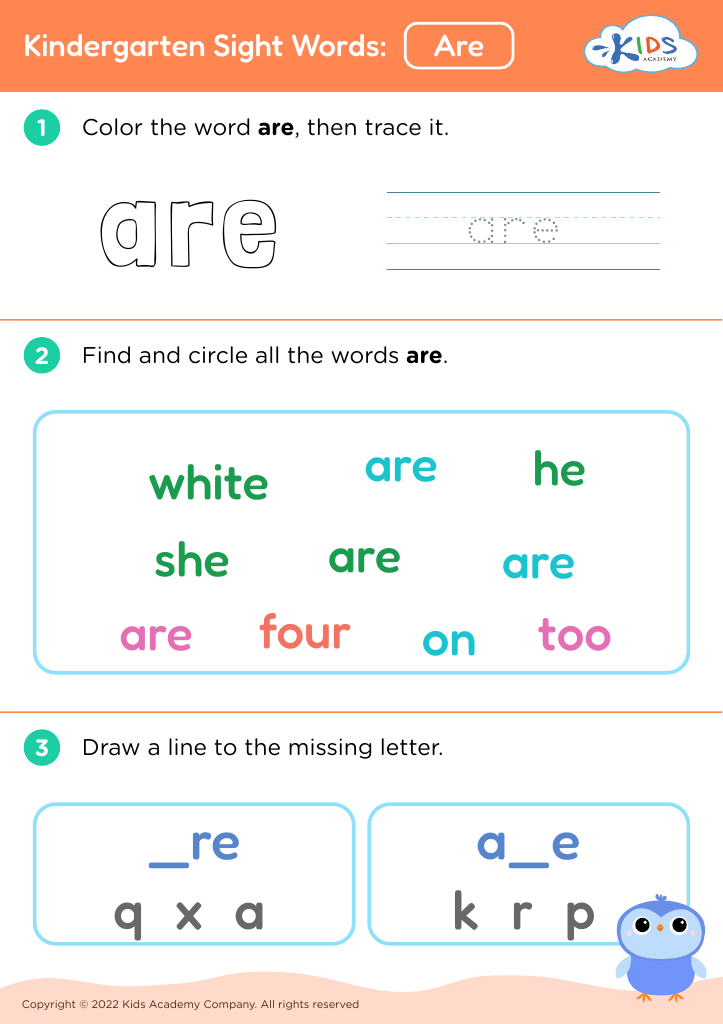
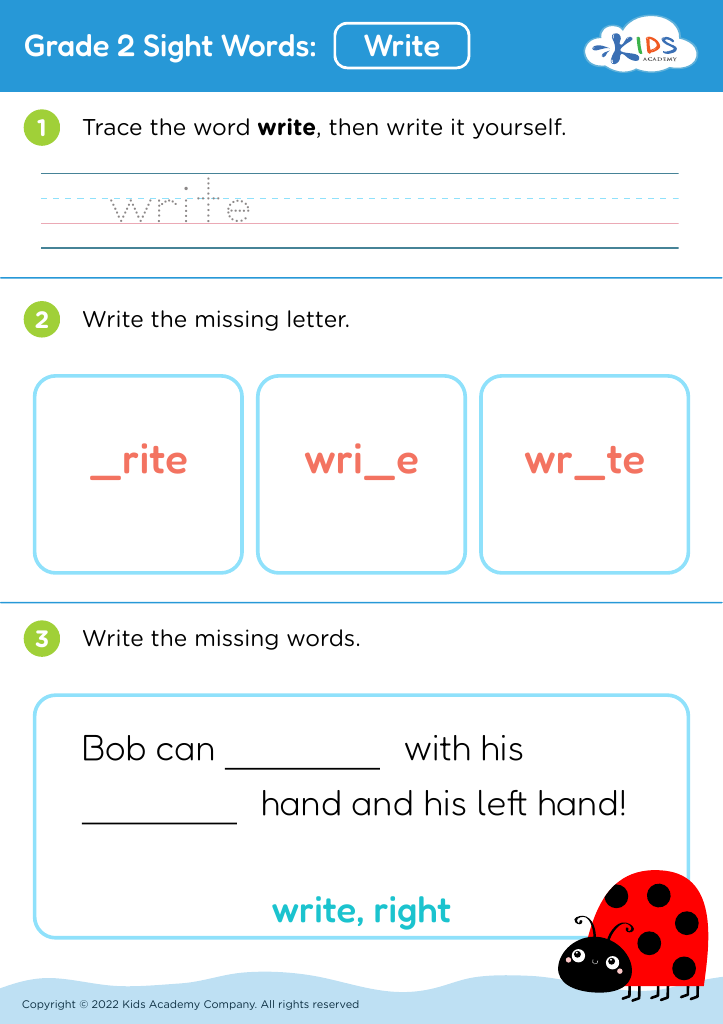
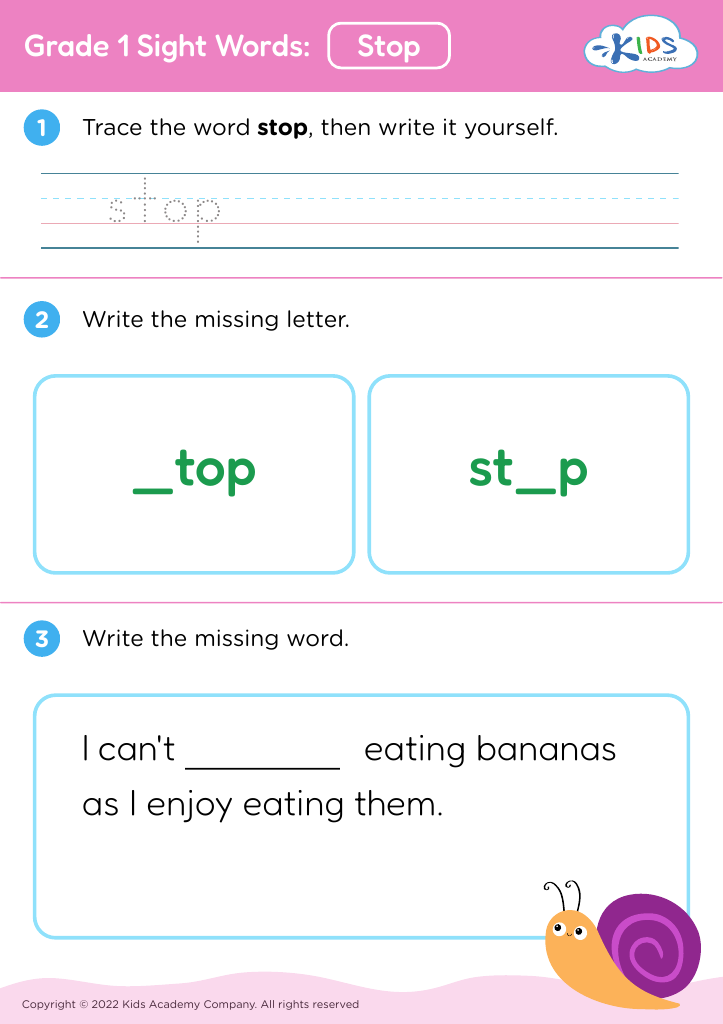
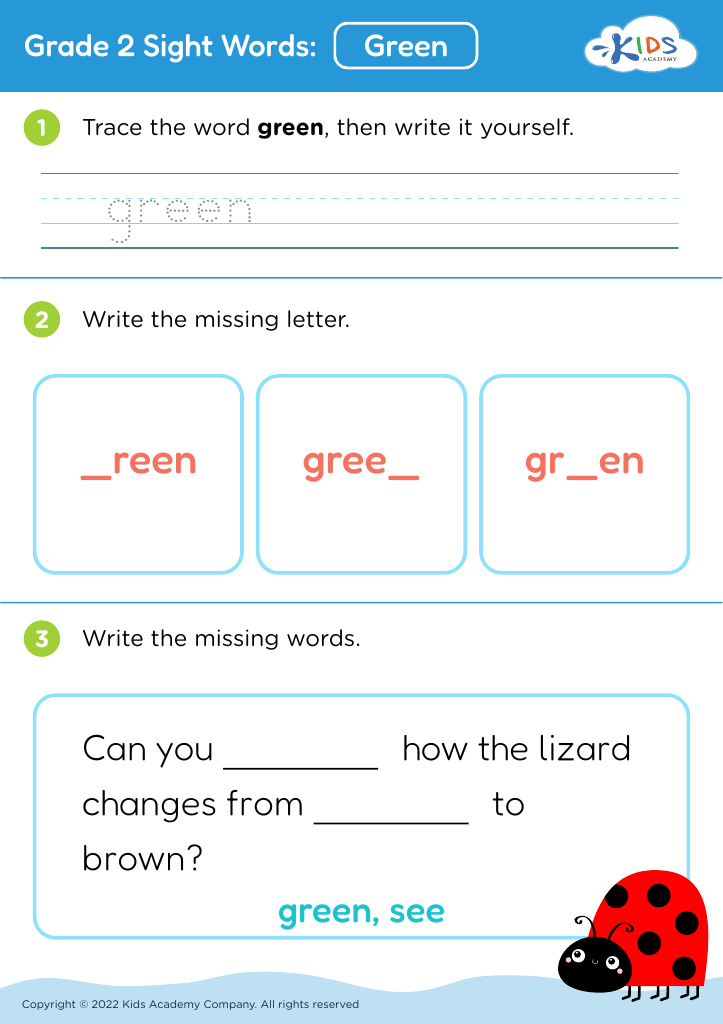
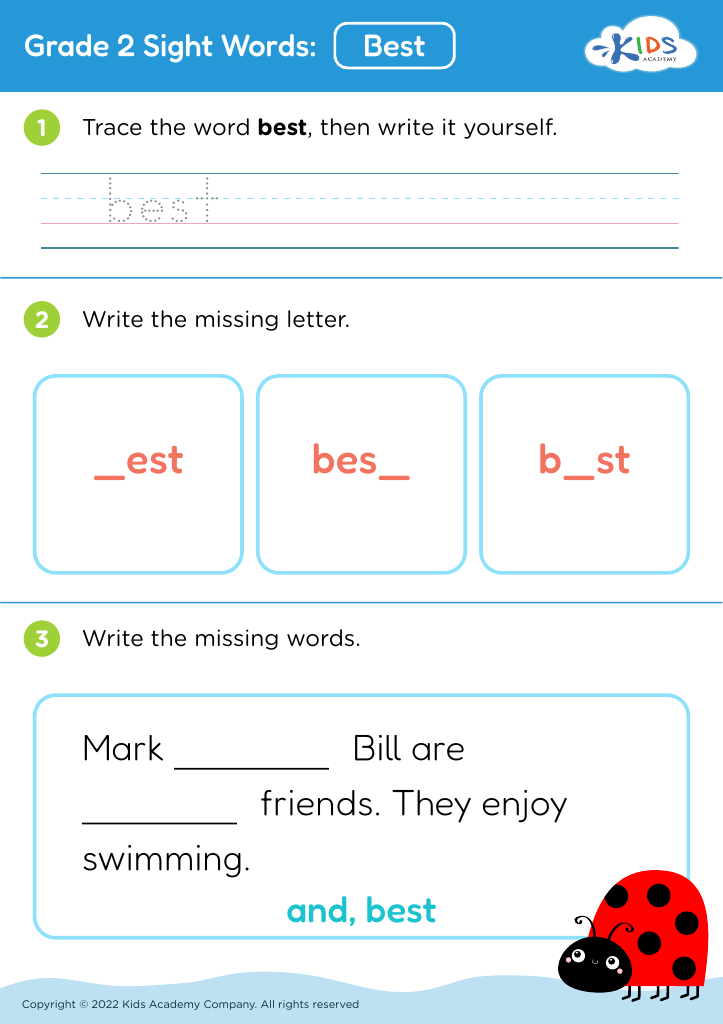
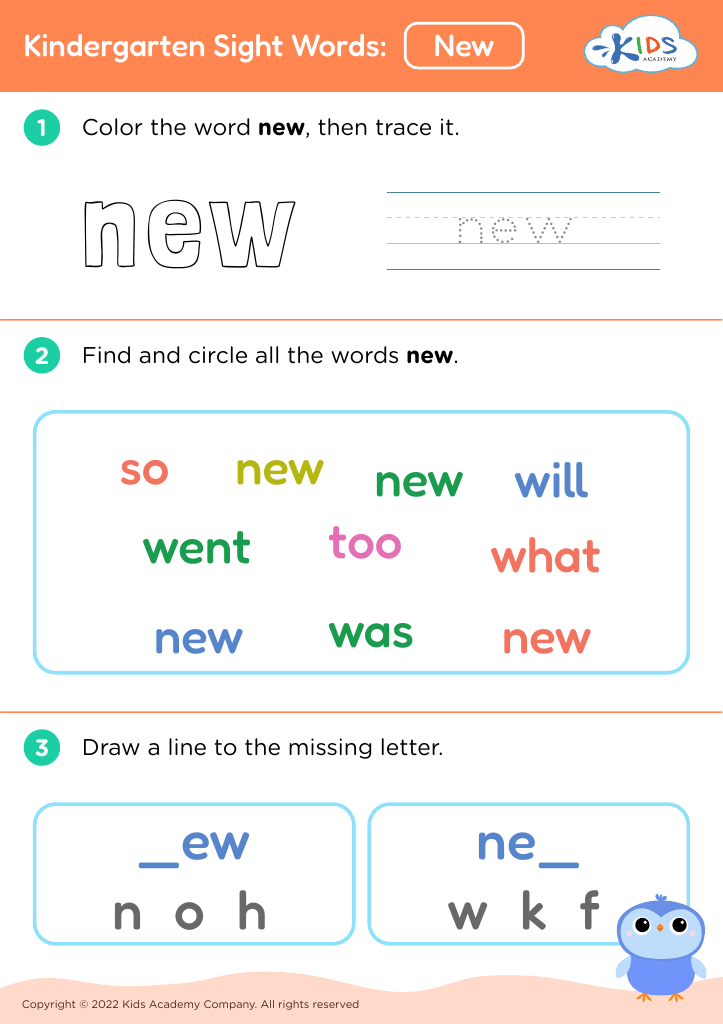
Enhance your child's learning with our Basic Addition Skills Building Vocabulary Worksheets tailored for ages 6-9! These engaging worksheets combine fundamental math concepts with vocabulary building, making learning fun and interactive. Designed to improve addition skills, they feature a variety of exercises that reinforce numbers, symbols, and essential terms related to addition. Perfect for supplementing classroom learning or at-home practice, these worksheets help kids develop both their math abilities and language skills simultaneously. With clear instructions and colorful illustrations, students will stay motivated while mastering addition. Download now and watch your child's confidence grow in both math and vocabulary!
Favorites
With answer key
Interactive











Join Kids Academy for Free
Who is primarily going to use this learning content?






.jpg)

Parents and teachers should prioritize building vocabulary related to basic addition skills for children ages 6-9 for several reasons. First, language plays a crucial role in a child's ability to grasp mathematical concepts. A strong vocabulary allows children to understand instructions, word problems, and mathematical terms, making it easier for them to engage with addition tasks. For example, terms like "sum," "total," or "grouping" clarify the operations involved in addition, fostering better comprehension.
Furthermore, building vocabulary enhances cognitive development and promotes critical thinking. When children are familiar with mathematical language, they can articulate their thought processes, ask questions, and collaborate effectively during problem-solving activities. This engagement supports a deeper understanding of math concepts.
Additionally, a solid foundation in addition vocabulary contributes to overall academic success. As students progress in their education, the ability to comprehend and use mathematical terms becomes increasingly integral in higher-level math studies and other subjects. By fostering a rich vocabulary around addition, parents and teachers equip children not just for math, but for lifelong learning, encouraging confidence and curiosity in tackling complex problems throughout their educational journeys. Investing in vocabulary development ultimately supports children's holistic growth and their preparation for future academic challenges.








