Critical Thinking Building Vocabulary Worksheets for Ages 6-9
17 filtered results
-
From - To
Enhance your child's language skills with our "Critical Thinking Building Vocabulary Worksheets for Ages 6-9." Designed specifically for young learners, these engaging worksheets promote vocabulary expansion while sharpening critical thinking abilities. Our resources combine fun activities and stimulating challenges, helping kids improve their reading comprehension and problem-solving strategies. Each worksheet encourages independent learning, curiosity, and a lifelong love for words across various exciting topics. Perfect for both classroom use and at-home practice, our curriculum-aligned materials support progressive learning, making vocabulary practice enjoyable and effective for children aged 6-9. Boost your child's linguistic confidence today!
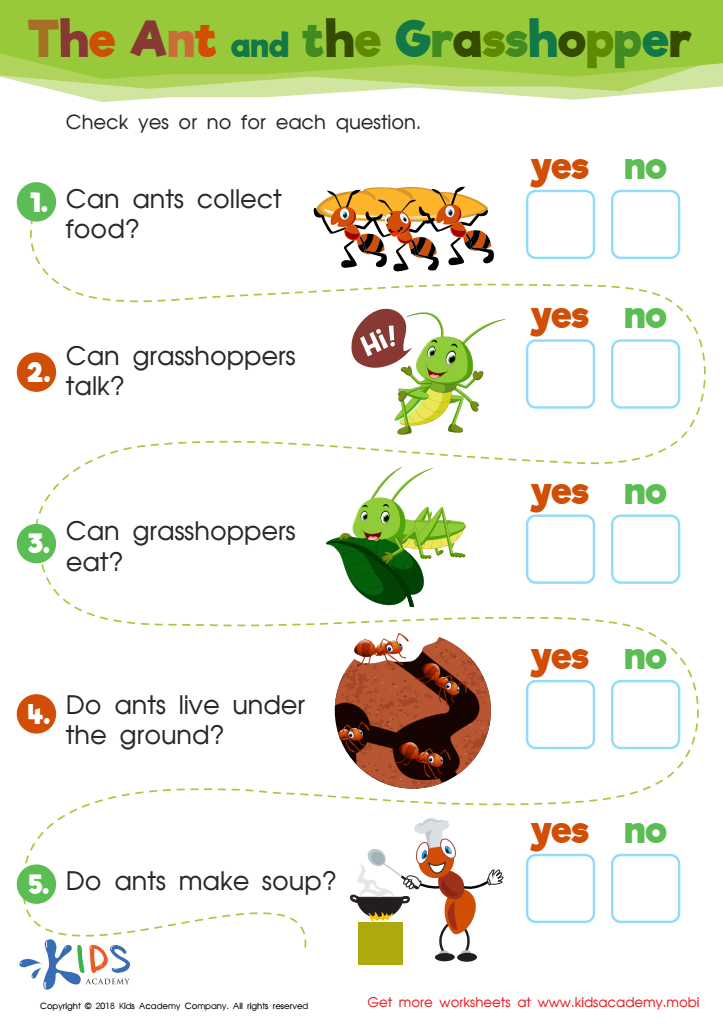
The Ant and The Grasshopper Worksheet
 Assign to My Students












Native American Word Search Printable
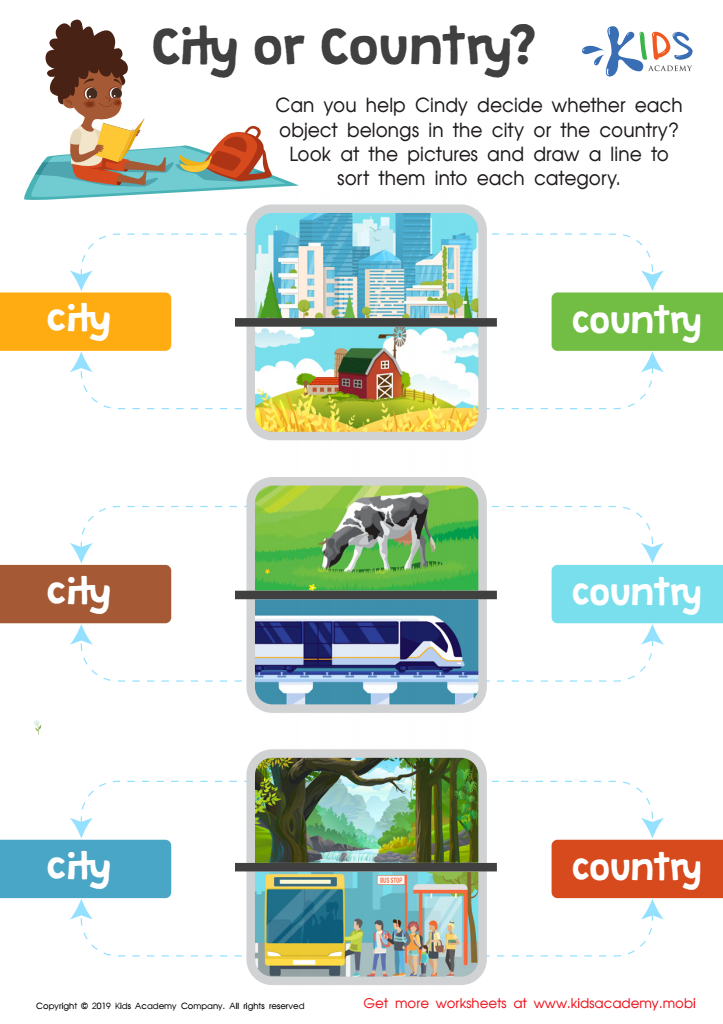
City or Country? Worksheet
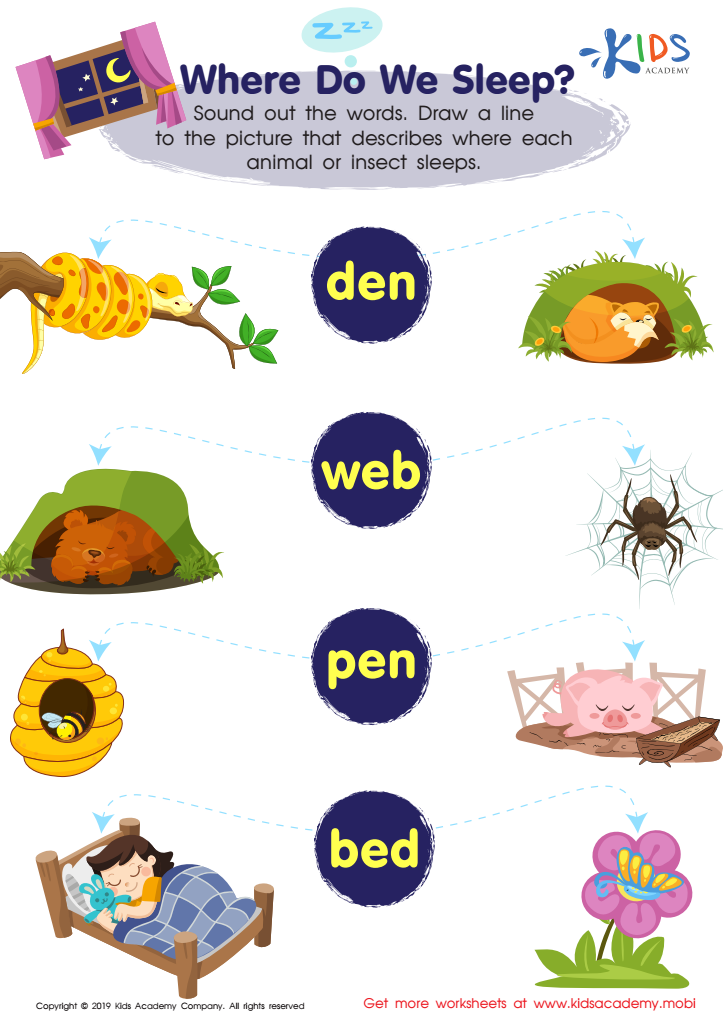
Where Do We Sleep Worksheet
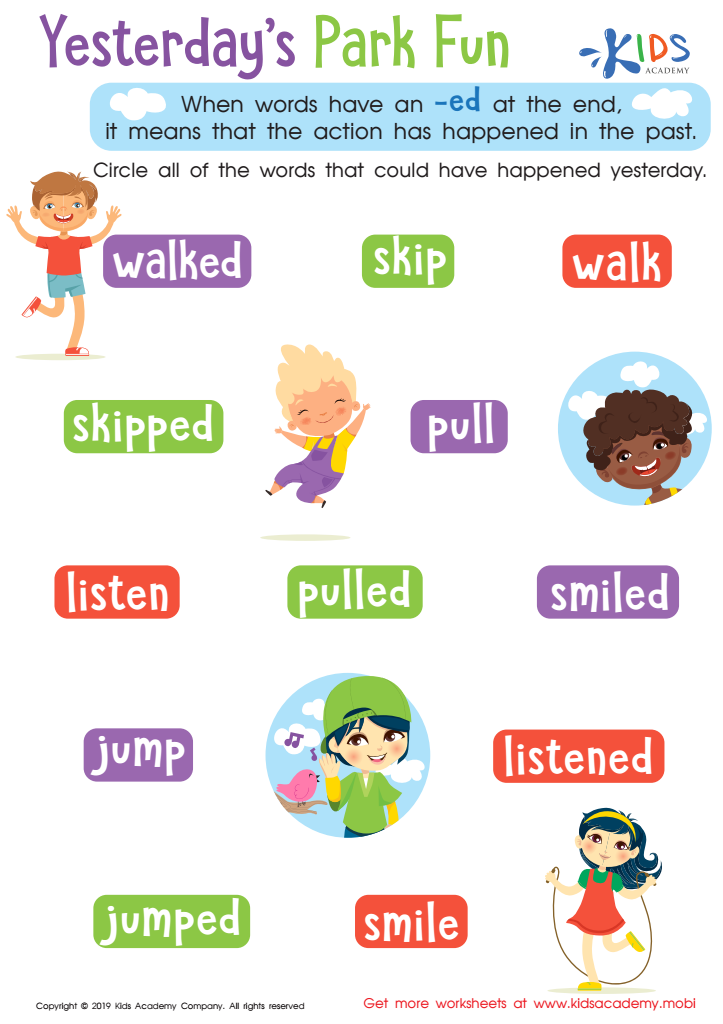
Yesterday's Park Fun Worksheet
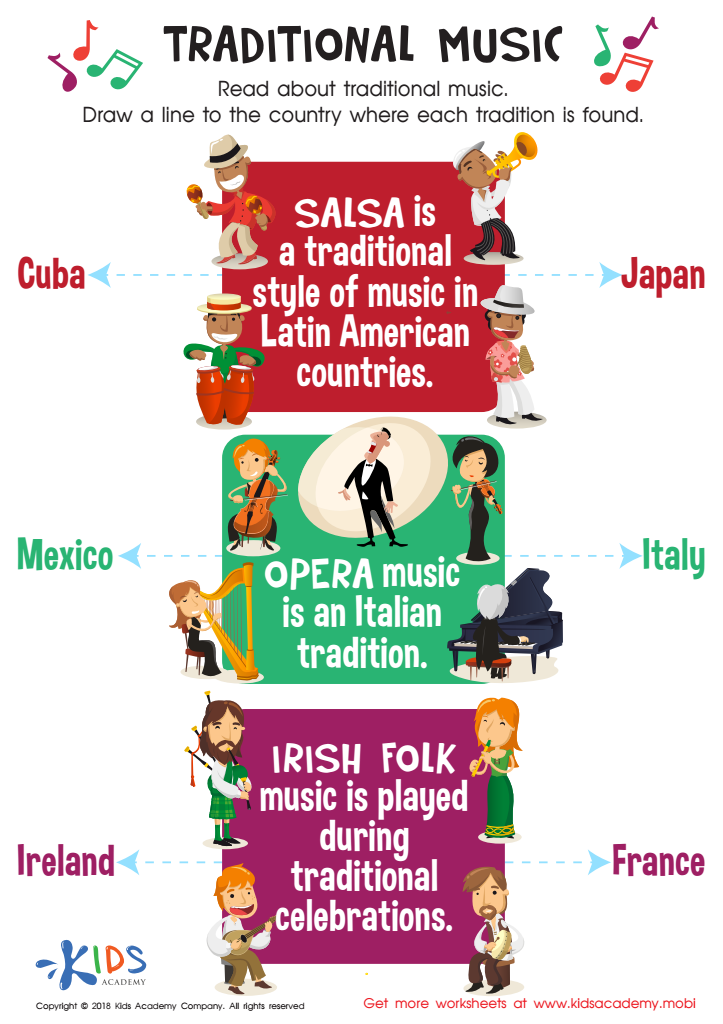
Traditional Music Worksheet
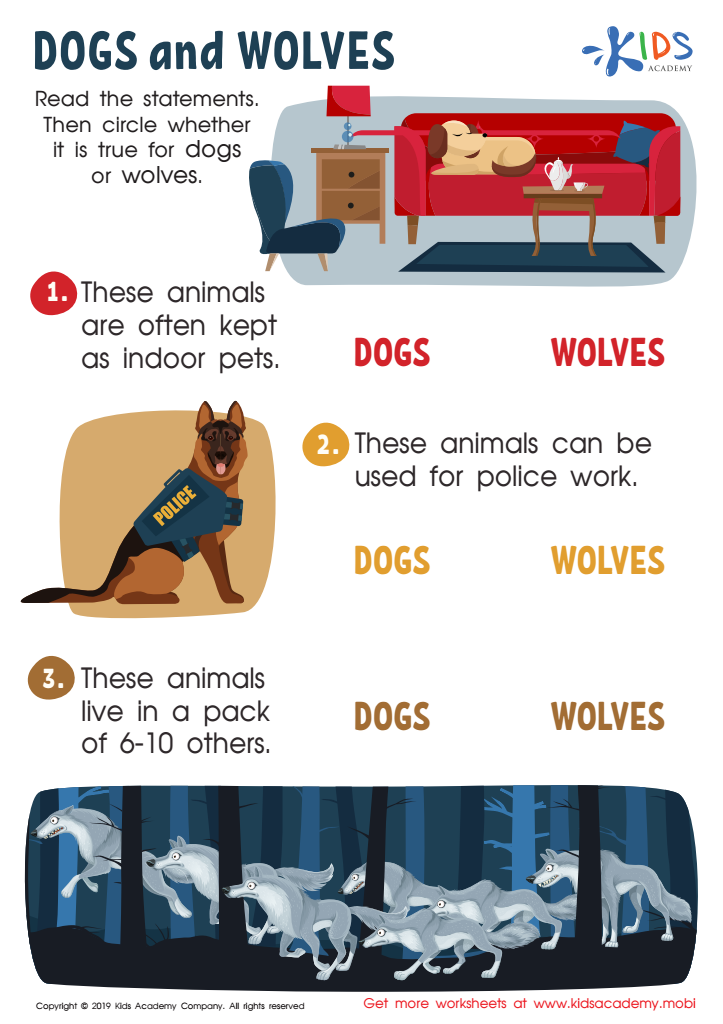
Dogs and Wolves Worksheet
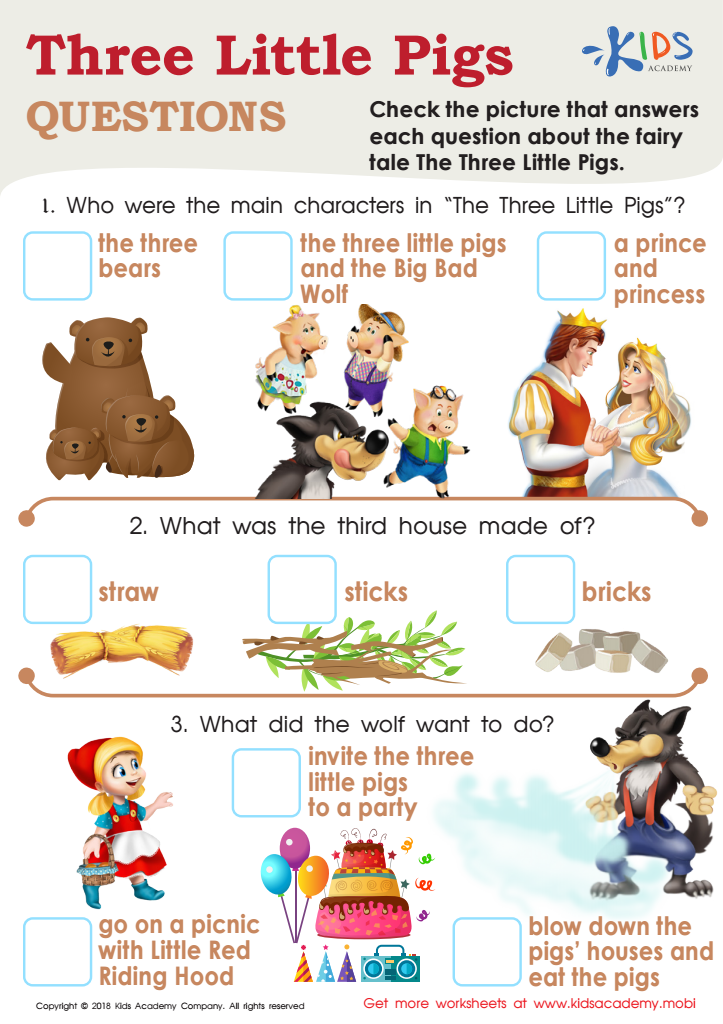
Three Little Pigs Questions Worksheet
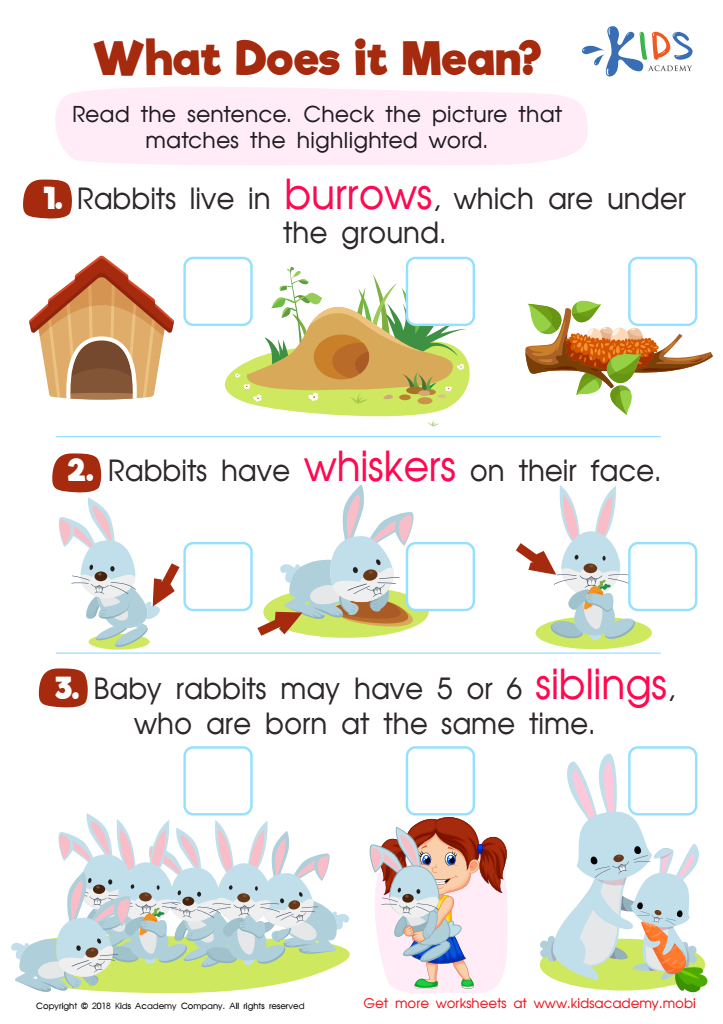
What Does It Mean? Worksheet
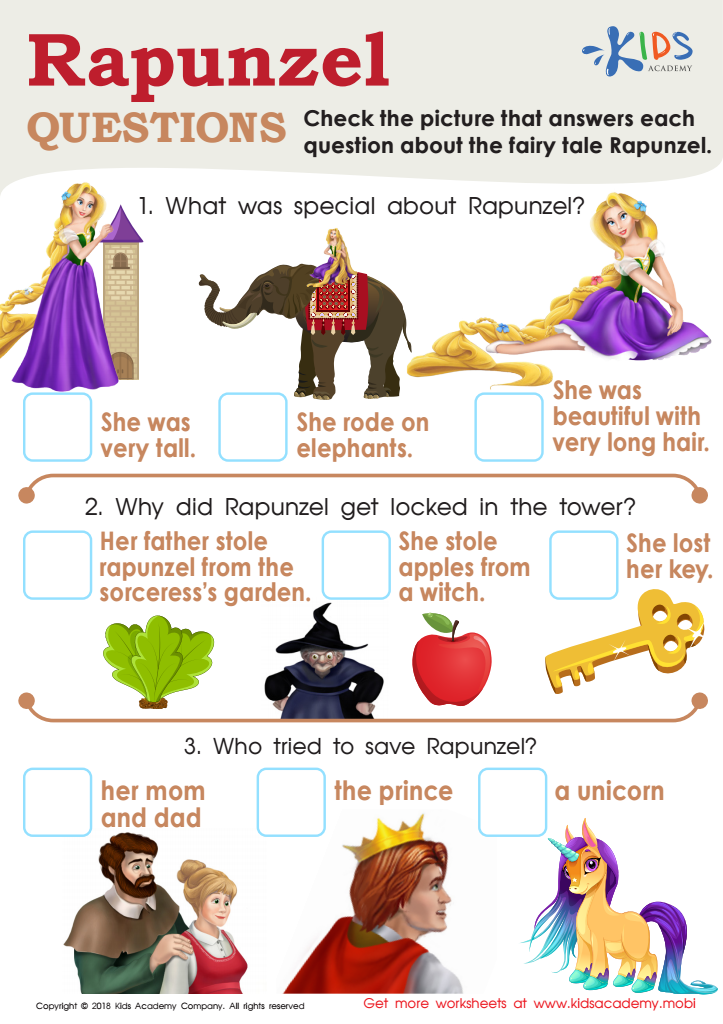
Rapunzel Questions Worksheet
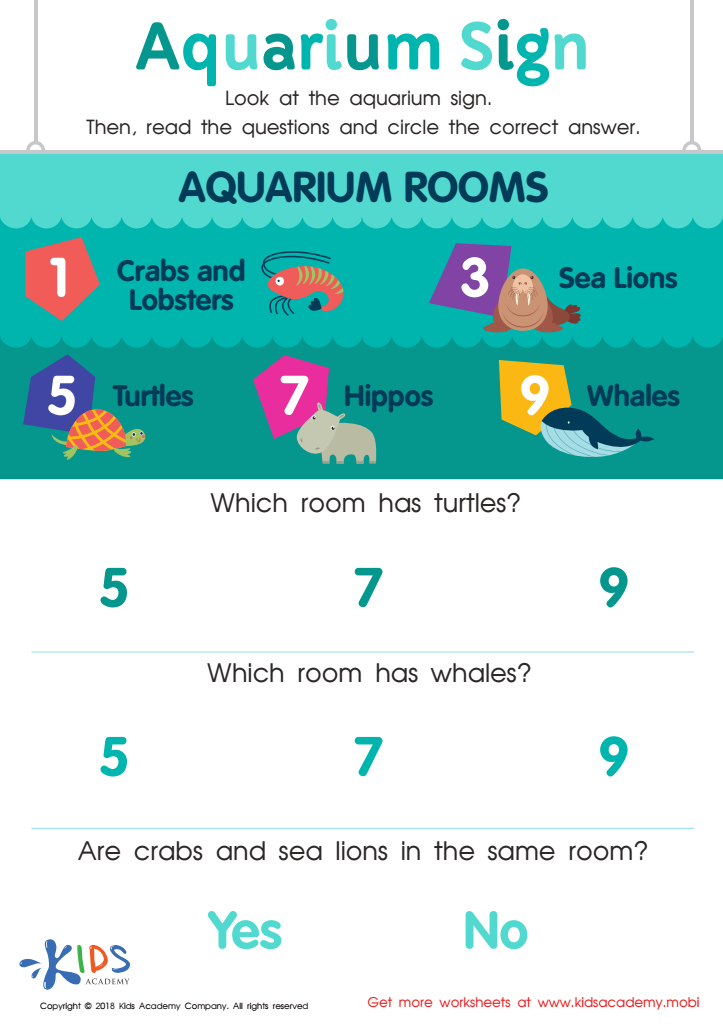
Assessment: Aquarium Sign Worksheet
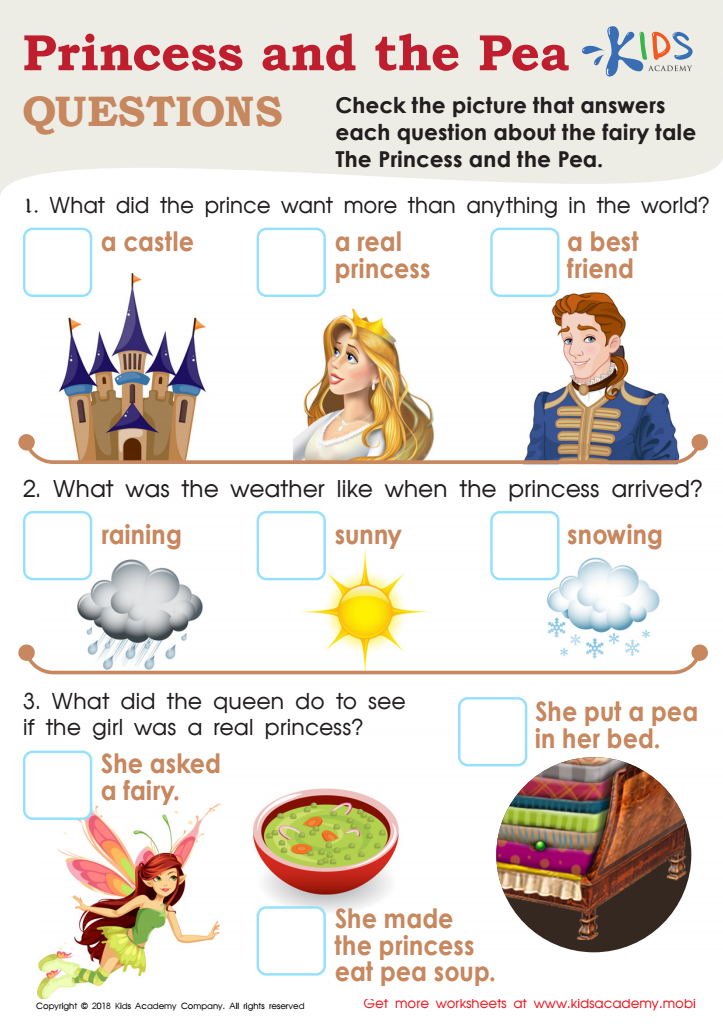
Princess and the Pea Questions Worksheet
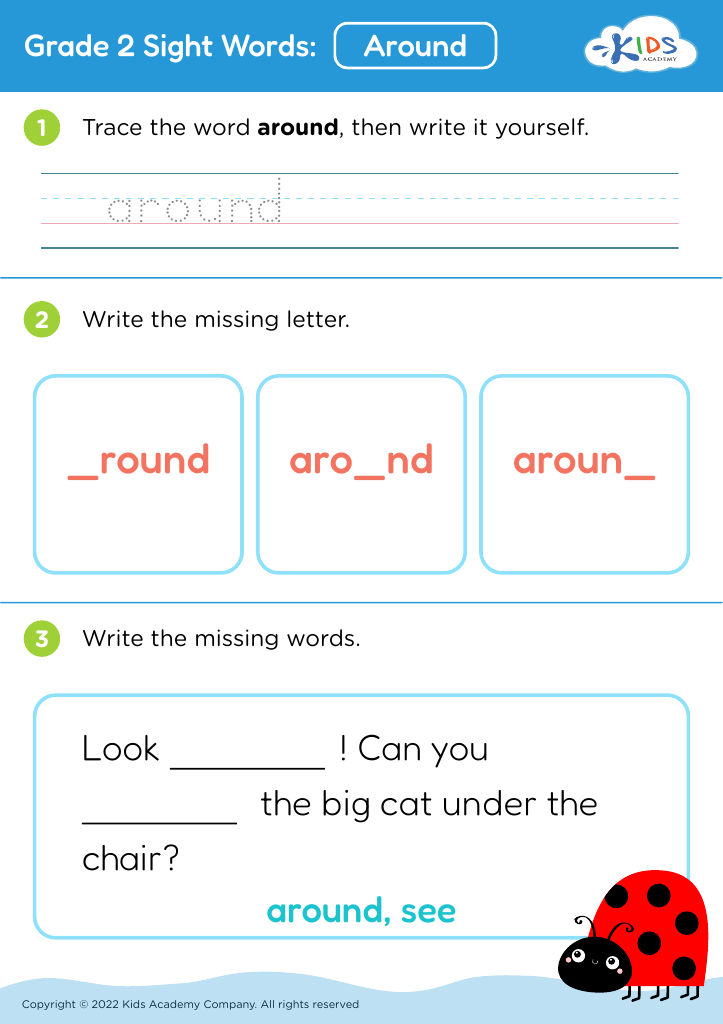
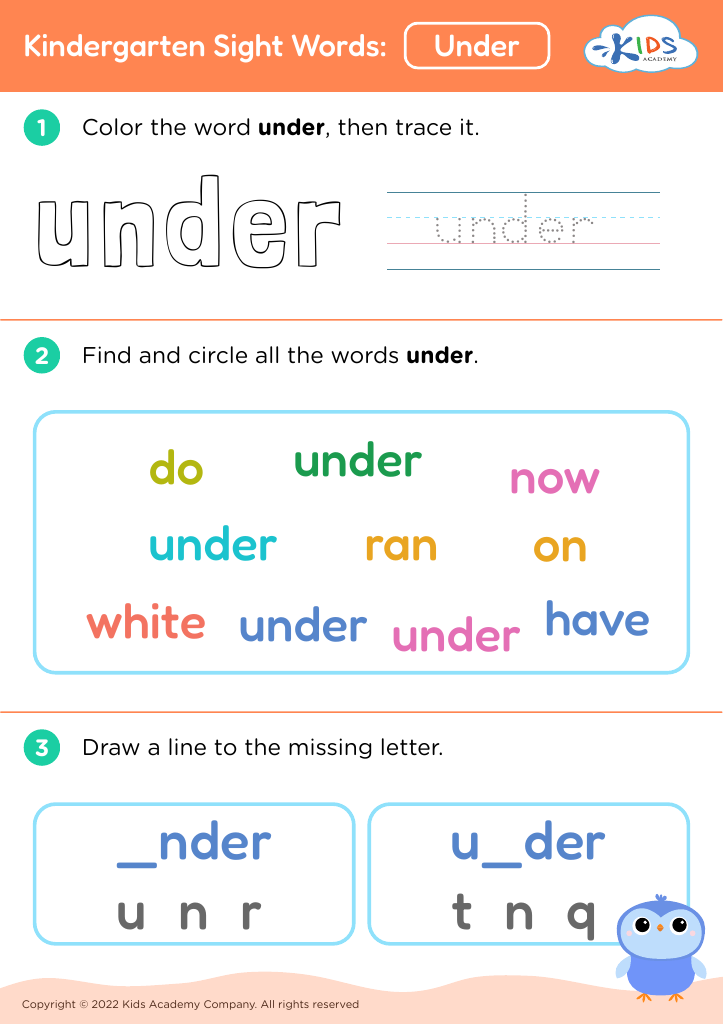
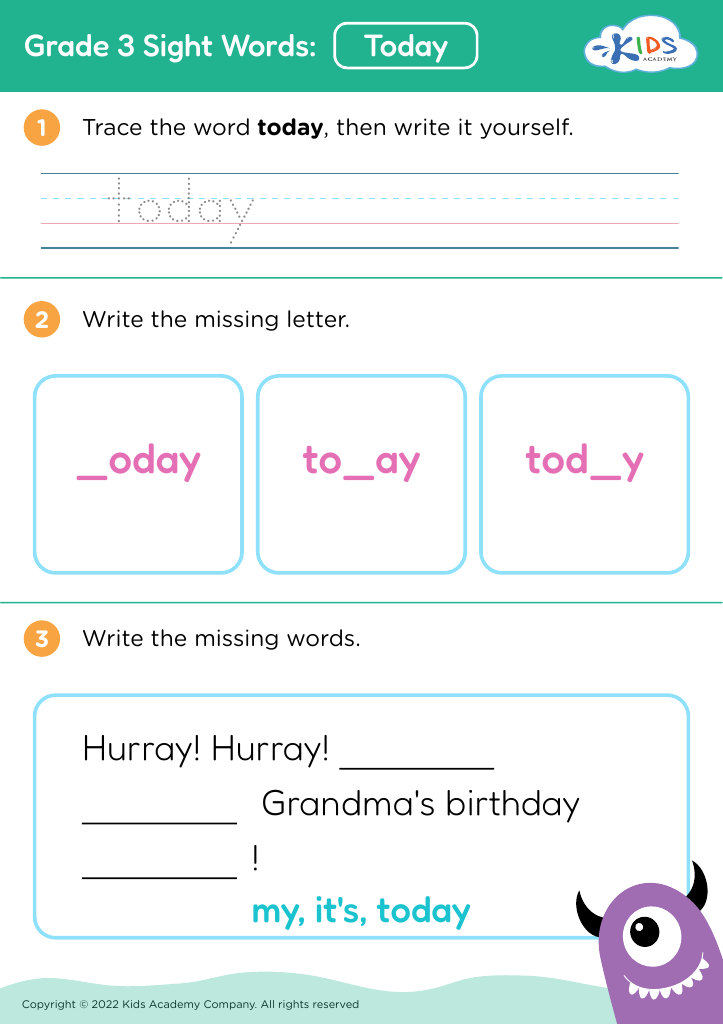
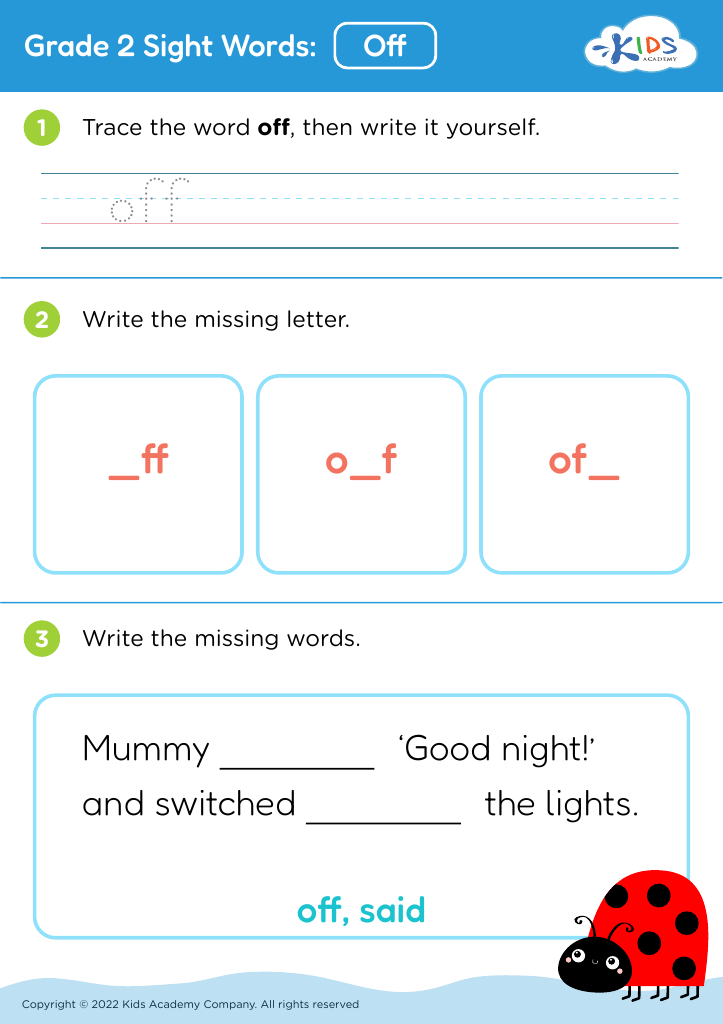
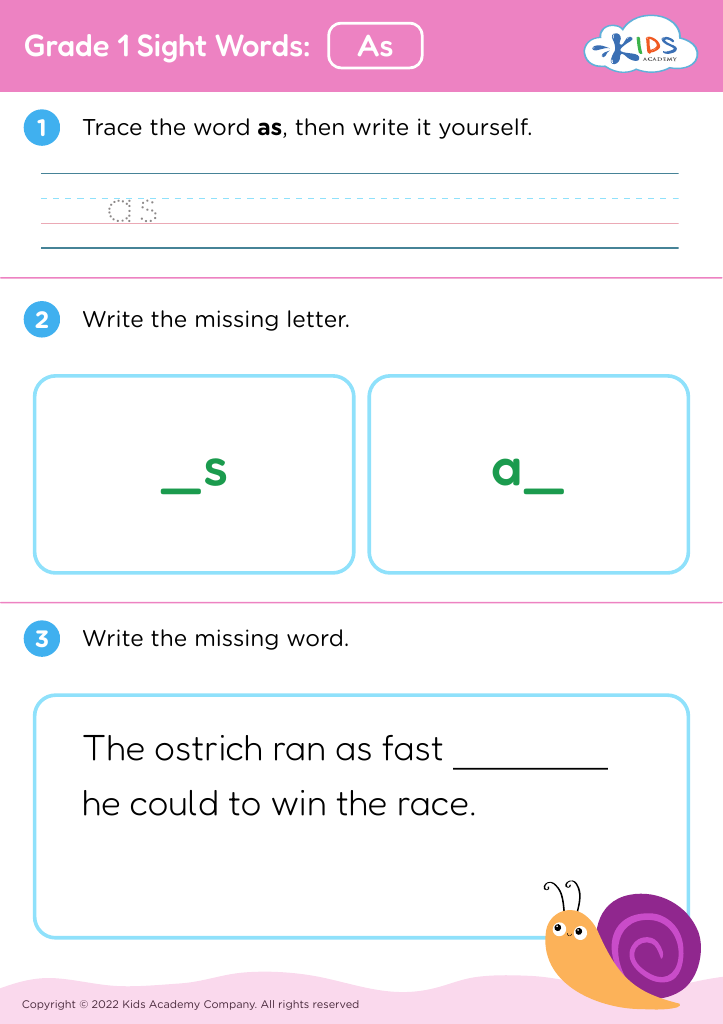








Developing critical thinking and building vocabulary for children ages 6-9 is crucial for several reasons. At this developmental stage, children are highly receptive to learning new concepts and language structures. Critical thinking enables them to analyze, evaluate, and apply information, which are foundational skills for problem-solving and decision-making. By engaging in activities that promote critical thinking, children learn to question assumptions, understand different perspectives, and construct logical arguments.
Vocabulary is the building block of literacy, comprehension, and communication. A rich vocabulary helps children express their thoughts and ideas more clearly and accurately. It also improves their ability to understand and process spoken and written information. With a strong vocabulary, children are better prepared to succeed academically, as they can comprehend complex texts, follow instructions accurately, and participate actively in discussions.
Moreover, integrating these skills fosters social-emotional development. Children learn to articulate their feelings and navigate social interactions more effectively, enhancing their empathy and cooperation with peers.
Parents and teachers play a pivotal role in nurturing these skills through dialogic reading, questioning techniques, and interactive discussions. Creating a language-rich environment, filled with books, conversations, and thought-provoking activities, empowers children to become confident, independent learners who can think critically about the world around them.








