Enhance vocabulary skills Building Vocabulary Worksheets for Ages 6-9
3 filtered results
-
From - To
Enhance vocabulary skills with our engaging Building Vocabulary Worksheets designed specifically for ages 6-9. These interactive resources promote language development through fun activities that foster word recognition and understanding. Our worksheets incorporate colorful visuals and captivating exercises to keep young learners motivated. Children will explore synonyms, antonyms, and context clues, building a robust vocabulary foundation essential for effective communication and reading fluency. Tailored to align with educational standards, our materials support classroom learning and at-home practice. Empower your child’s language skills today and inspire a lifelong love for reading and words with our hands-on vocabulary-building activities!
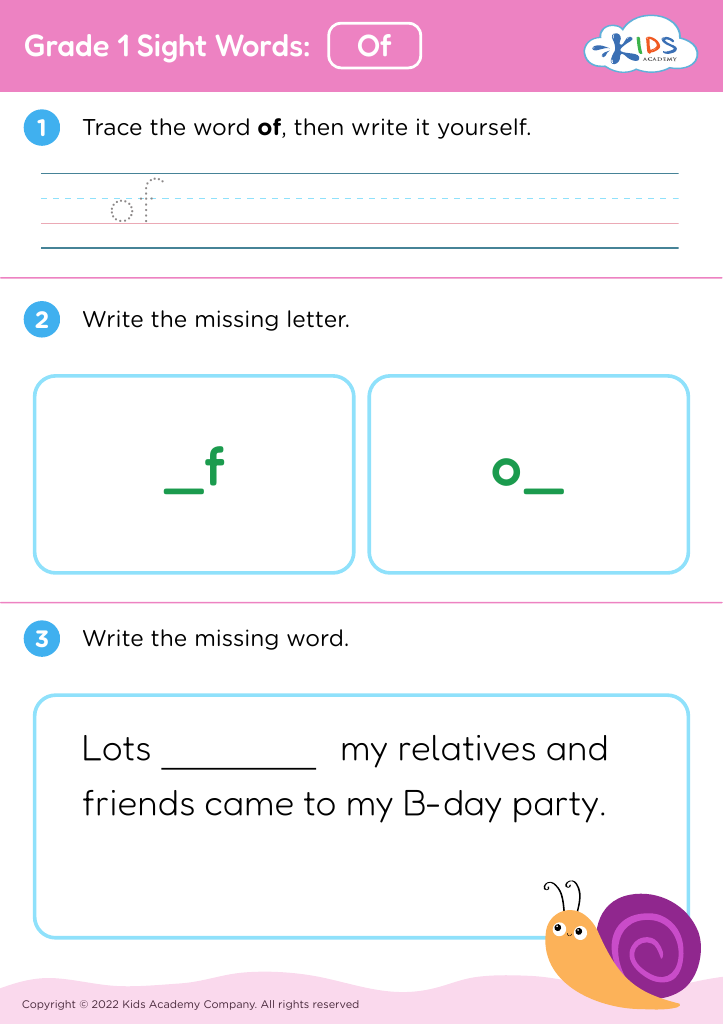











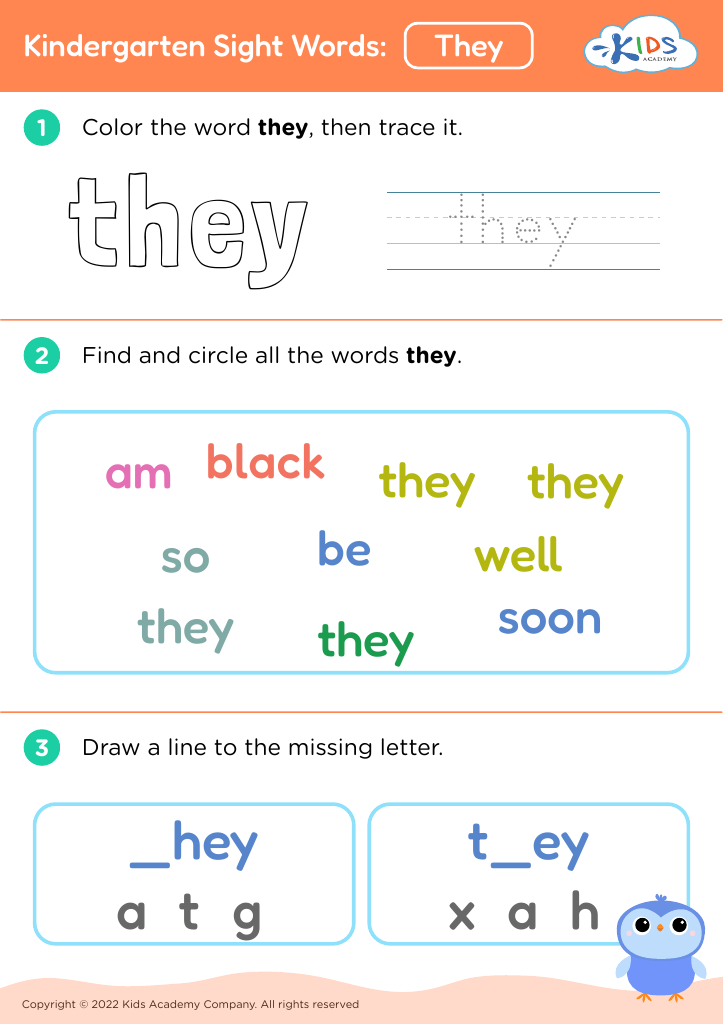
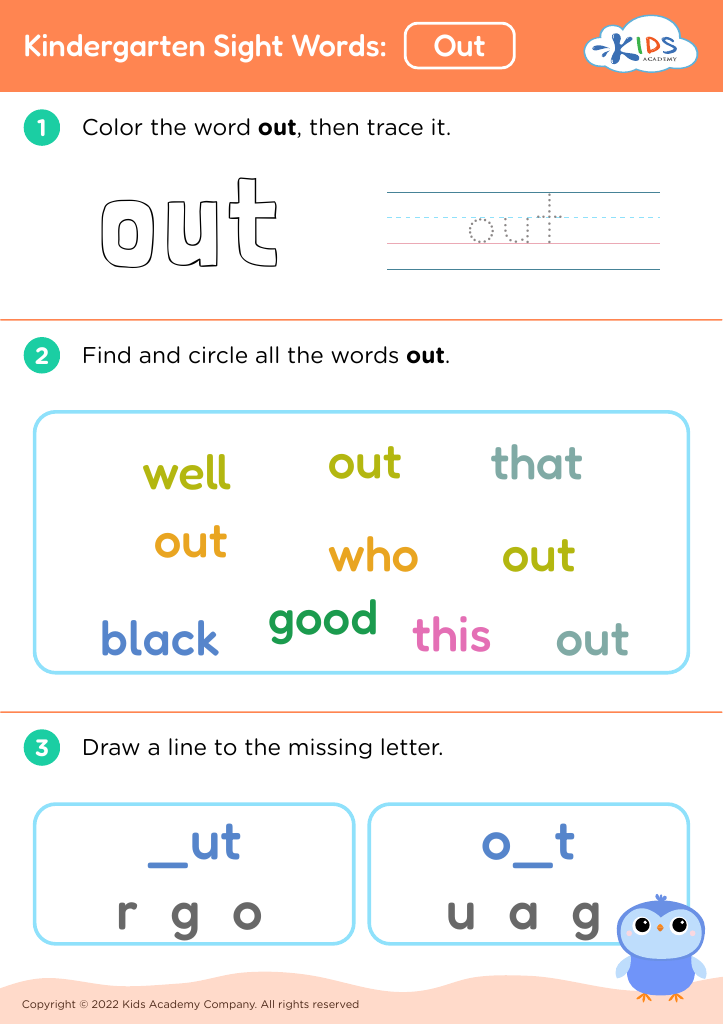





.jpg)


Enhancing vocabulary skills for children ages 6-9 is crucial for their linguistic development and overall academic success. At this stage, children are expanding their understanding of language, and a robust vocabulary is fundamental for effective communication, reading comprehension, and critical thinking.
Firstly, a rich vocabulary allows children to express themselves more clearly, helping them articulate their thoughts, feelings, and ideas. This, in turn, boosts their self-confidence in both social interactions and classroom discussions. Secondly, as children begin to encounter more complex texts, a strong vocabulary improves their reading comprehension. Understanding new words enables them to grasp the context and main ideas, fostering a love for reading that can last a lifetime.
Additionally, vocabulary skills support learning across all subjects. For example, in math, terms like "sum" or "difference" are integral to understanding concepts. Moreover, children with strong vocabulary skills tend to perform better academically, as they can follow instructions and engage with material more effectively.
Thus, parents and teachers should prioritize building vocabulary as a foundational skill, recognizing its long-term benefits in helping children succeed academically and socially. Techniques such as reading together, engaging in discussions, and introducing new words play a significant role in this developmental phase, ultimately enhancing a child's overall educational journey.








