Numerical problem solving Building Vocabulary Worksheets for Ages 6-9
3 filtered results
-
From - To
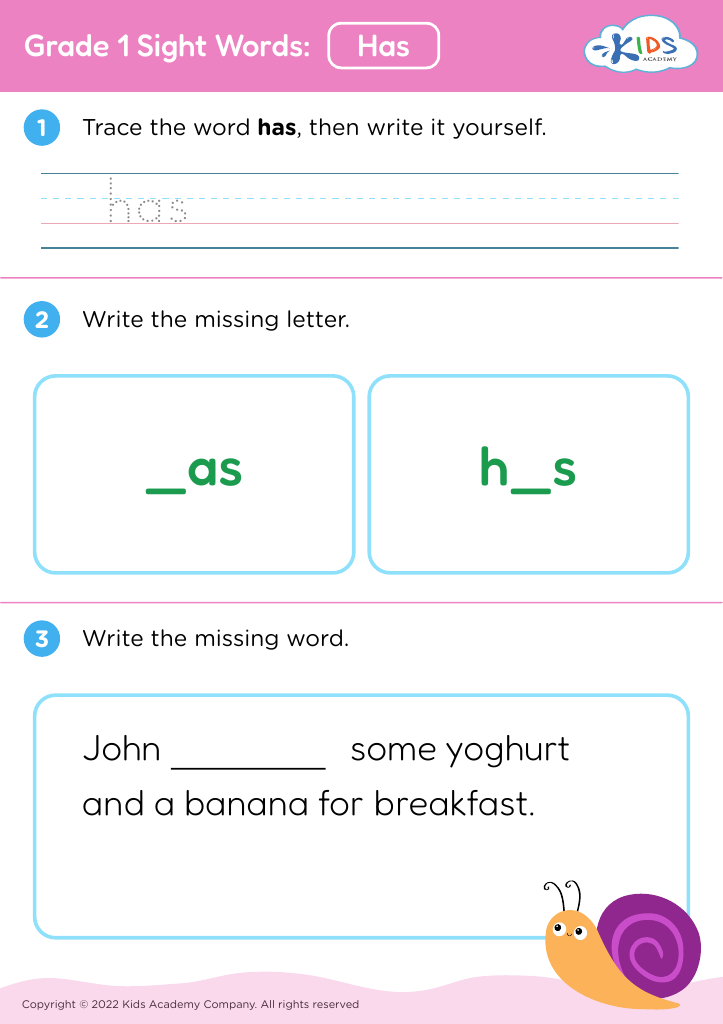
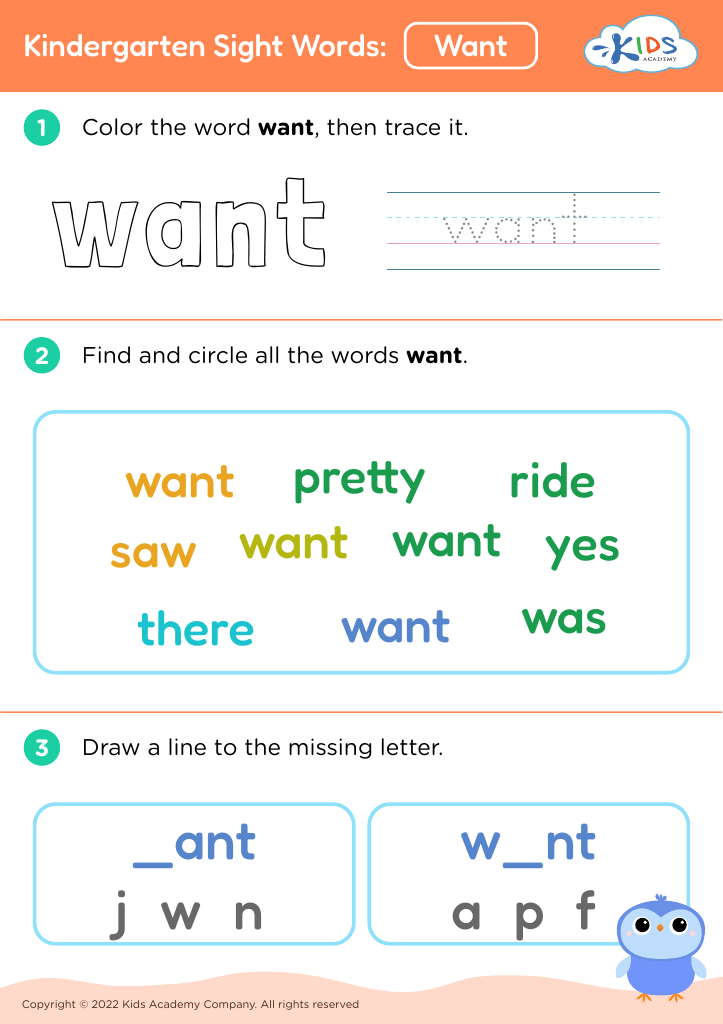
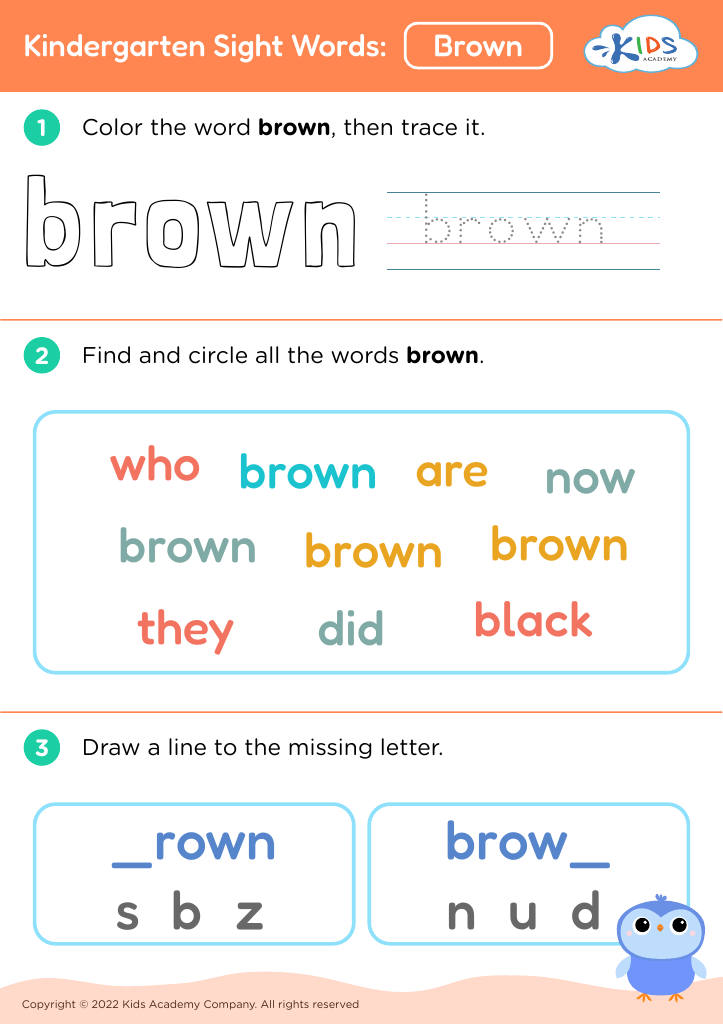
Discover our engaging Numerical Problem-Solving Building Vocabulary Worksheets for ages 6-9, designed to enhance both math and reading skills. These carefully crafted worksheets not only develop problem-solving abilities and critical thinking but also expand children's vocabulary in a fun and interactive way. Each activity combines mathematical challenges with vocabulary questions, ensuring comprehensive learning. Perfect for classroom use or at-home practice, these worksheets support the development of foundational skills crucial for academic success. Help your child excel in their early years by integrating these educational resources into their daily routine. Explore our collection and watch young learners thrive!



















Numerical problem solving and building vocabulary are pivotal for children aged 6-9, laying the groundwork as they transition from concrete to more abstract thinking. Firstly, proficiency in numerical problem solving enhances critical thinking and analytical skills. At this developmental stage, children are naturally inquisitive and are developing their ability to reason and solve problems. Mastery of these skills fosters confidence in approaching increasingly complex academic challenges, shaping a positive attitude toward learning.
Secondly, this period is crucial for language acquisition and expanding vocabulary. A strong vocabulary is not only vital for effective communication but also enhances reading comprehension and academic success. Rich and varied language exposure aids children in understanding and expressing complex ideas, crucial for all subjects including mathematics, science, and social studies.
In summary, focusing on these areas equips children with essential tools to thrive academically and socially. Adequate support in numeracy and vocabulary cultivation broadens their intellectual horizons and prepares them for a future of lifelong learning.Engaging and differentiated teaching strategies can make learning these skills enjoyable, ensuring a firm foundation that will benefit children well beyond their early years in school, influencing their educational trajectory and personal growth.








