Phonics practice Building Vocabulary Worksheets for Ages 6-9
5 filtered results
-
From - To
Enhance your child's vocabulary with our engaging Phonics Practice Building Vocabulary Worksheets designed for ages 6-9. These educational tools make learning fun by combining reading and phonics skills, helping young learners master word recognition, pronunciation, and spelling. Each worksheet is thoughtfully crafted to boost confidence and stimulate a love for reading through interactive activities and exercises. Perfect for classrooms and home learning, our worksheets cater to various skill levels, ensuring a progressive development of vocabulary. Give your child the foundation they need for literacy success with our expertly designed phonics practice worksheets!
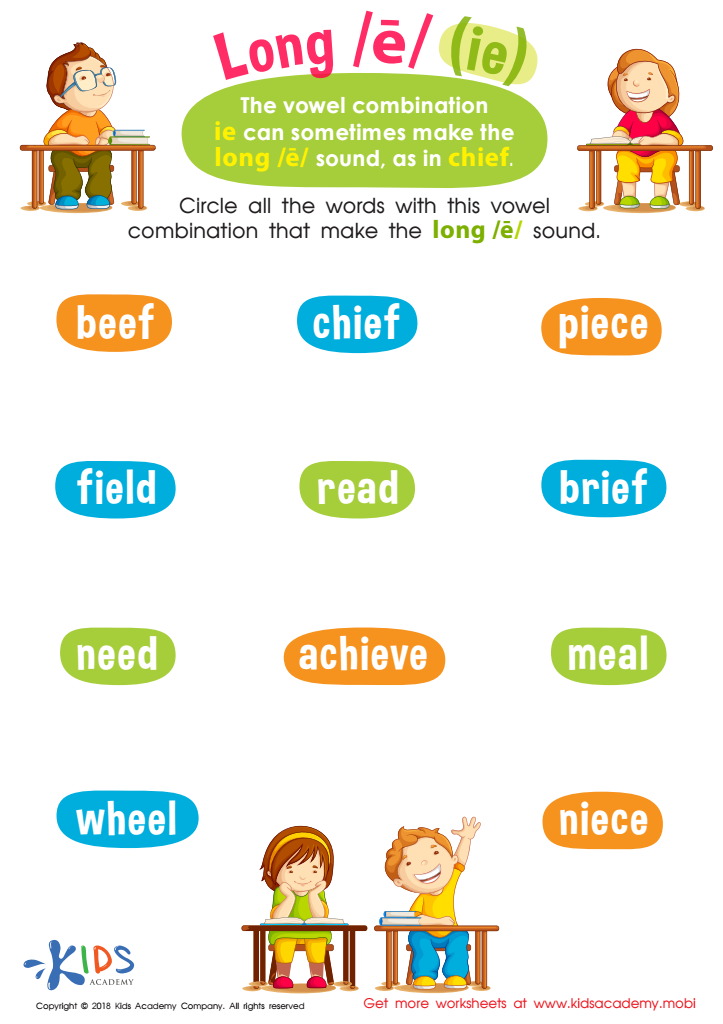
Reading: Long E and IE Worksheet
 Assign to My Students











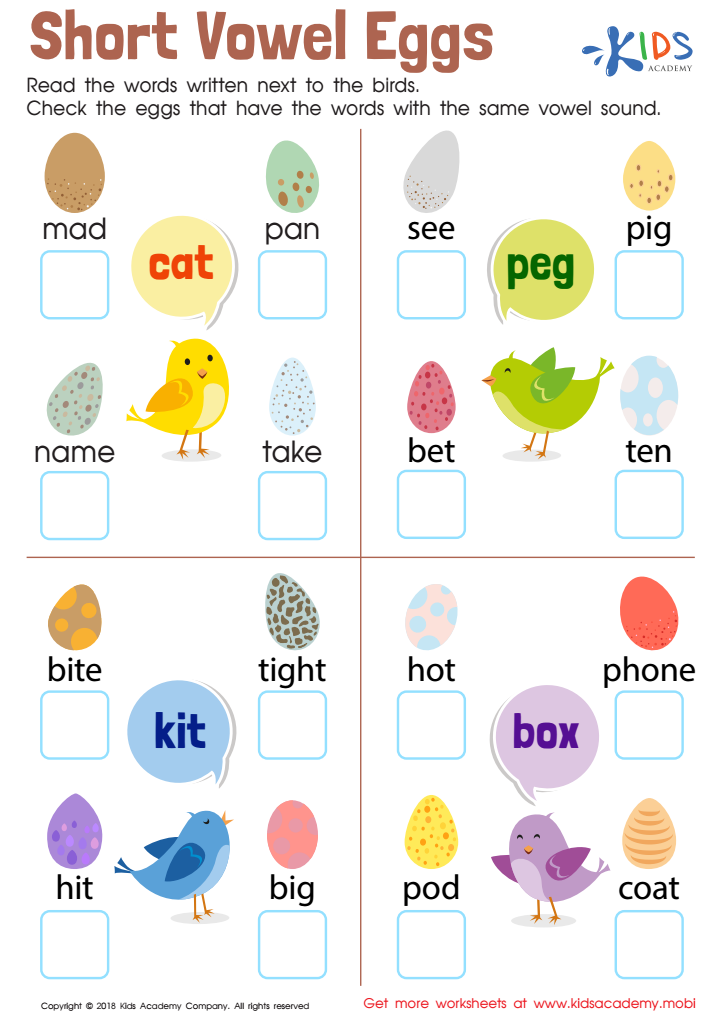
Short Vowel Eggs Worksheet
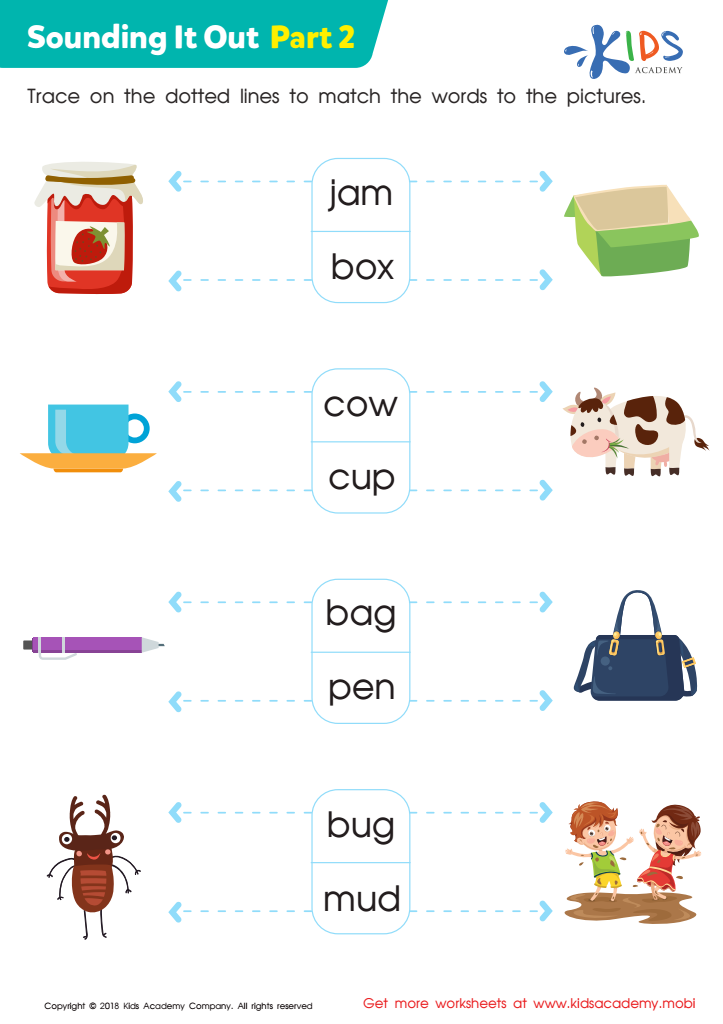
Sounding it Out: Part 2 Worksheet
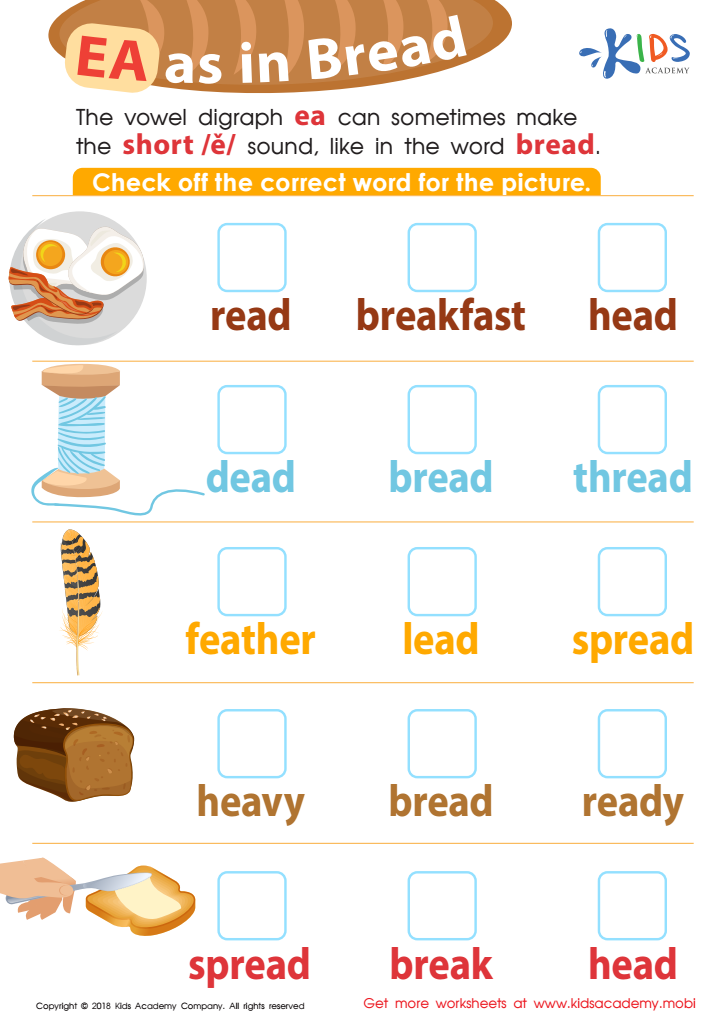
Reading: EA as in Bread Worksheet
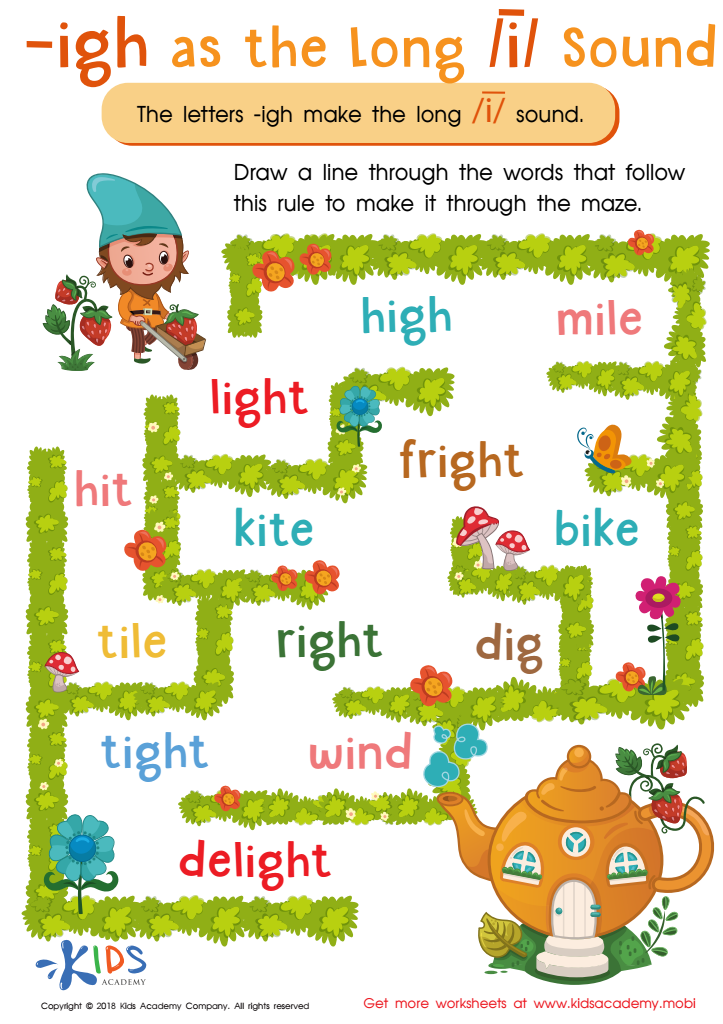
Reading: IGH as Long I Worksheet








Phonics practice and building vocabulary are essential for children aged 6-9 as they lay the foundation for effective reading and writing skills, which are crucial for academic success and future opportunities. During these formative years, children's brains are exceptionally receptive to language development. Phonics, the relationship between letters and their sounds, enables children to decode unfamiliar words, enhancing their reading abilities. This skill not only boosts reading fluency but also augments comprehension, ensuring that children understand what they read.
Simultaneously, expanding vocabulary is equally important as it empowers children to express themselves more clearly and confidently. A rich vocabulary aids in better understanding of diverse reading materials and fosters more sophisticated writing skills. With a wide range of words at their disposal, children can engage in more detailed and creative expression. Moreover, early vocabulary growth is strongly linked to academic achievement; children who enter school with limited vocabularies are at a greater risk of falling behind their peers.
Incorporating playful and engaging phonics practice along with intentional vocabulary building activities can make learning enjoyable and effective. Parents and teachers, through mindful support and structured practice, can nurture children's enthusiasm for reading and learning, setting them up for lifelong success.








