Understanding context Building Vocabulary Worksheets for Ages 6-9
4 filtered results
-
From - To
Enhance your child’s vocabulary skills with our "Understanding Context Building Vocabulary Worksheets" designed for ages 6-9. These expertly-crafted worksheets focus on teaching young learners how to infer the meaning of new words through contextual clues. By engaging with fun and interactive exercises, children will not only expand their word bank but also improve their reading comprehension and analytical thinking. Ideal for early graders, these worksheets provide a solid foundation in vocabulary building that is crucial for academic success. Fuel your child’s curiosity and language abilities with our meticulously designed learning resources.
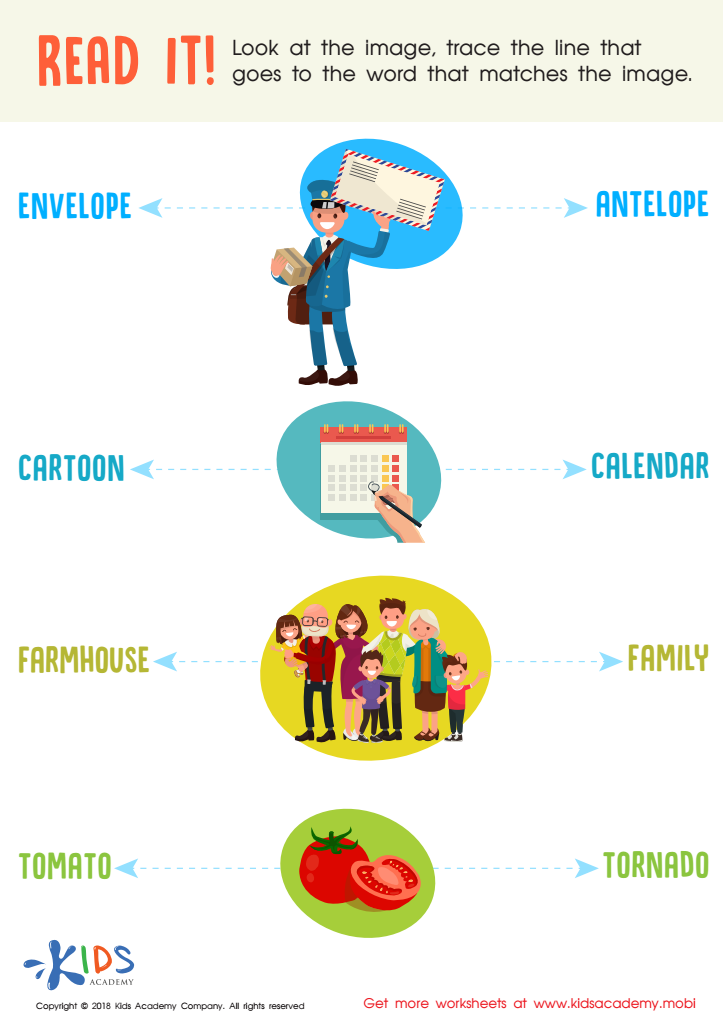
Read It! Worksheet
 Assign to My Students











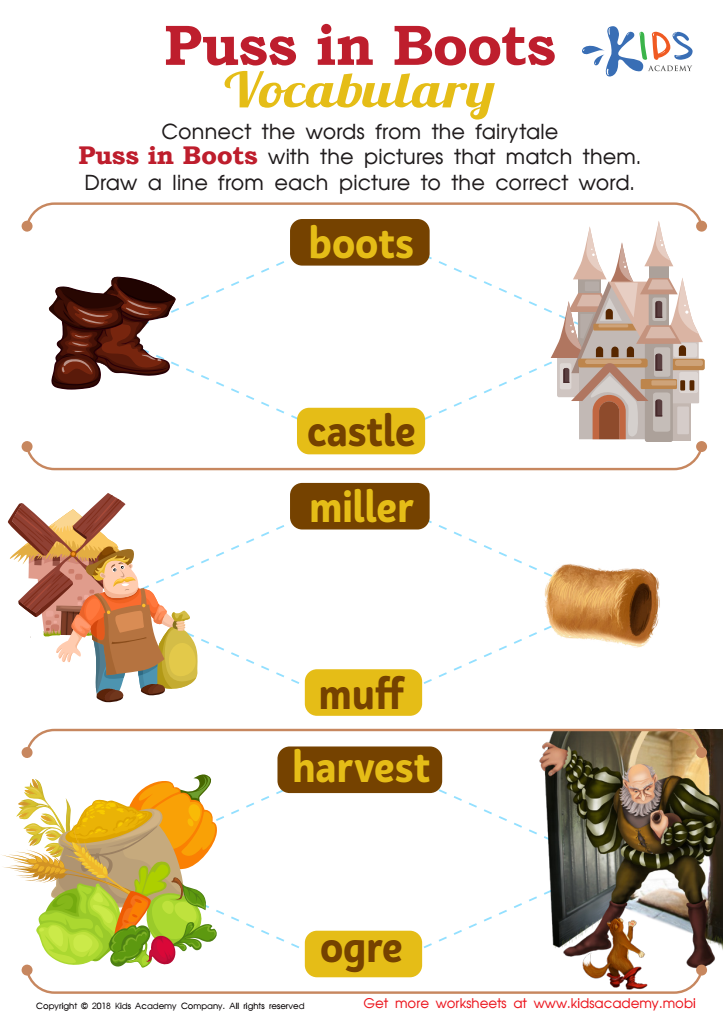
Puss in Boots Vocabulary Worksheet
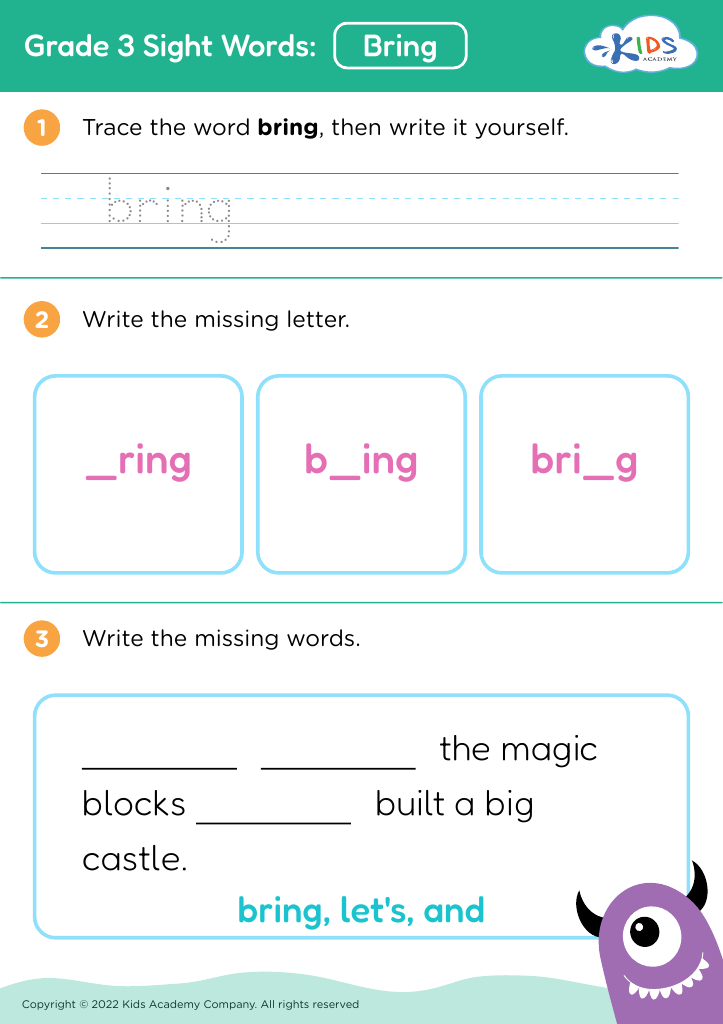
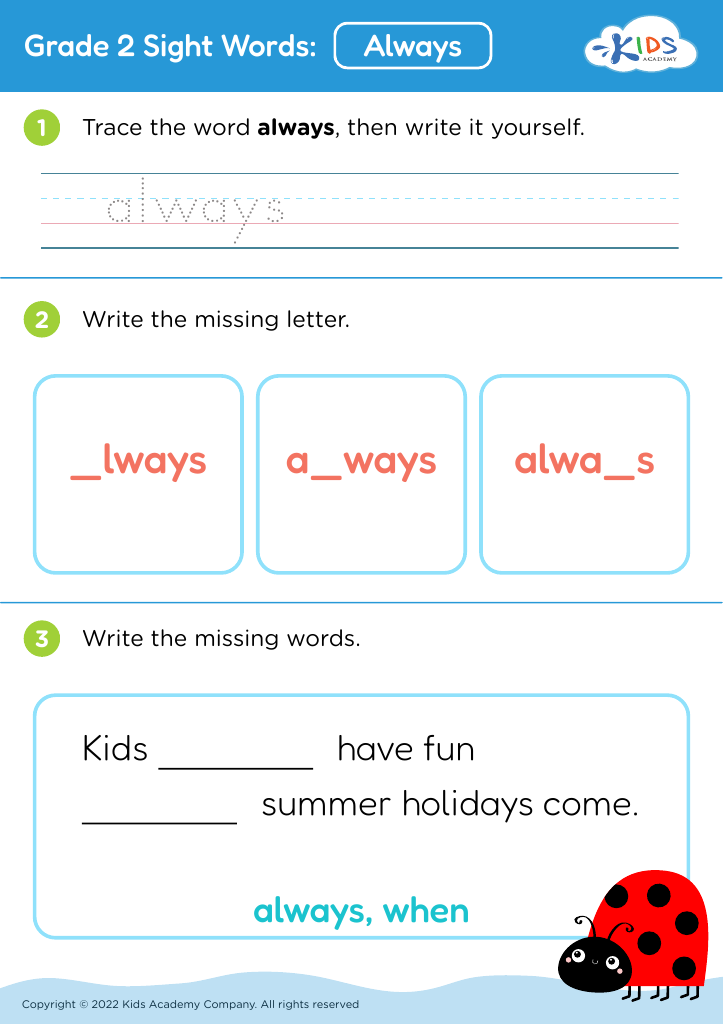





.jpg)


Understanding context and building vocabulary are critical components in the development of children aged 6-9, forming the foundation for academic achievement and effective communication.
At this age, children are navigating more complex social environments and engaging with varied reading materials. Context helps them grasp the deeper meaning of new words and ideas, enhancing comprehension. For instance, understanding the story's theme when reading helps children anticipate and infer meanings, making the learning process more dynamic and engaging.
Building vocabulary, meanwhile, is key to expressive and receptive language skills. A rich vocabulary allows children to articulate thoughts more clearly and understand others better. When children encounter new vocabulary within meaningful contexts, such as in stories or conversations, they are more likely to remember and use these words appropriately.
Research shows that a strong vocabulary is linked to higher reading comprehension and overall academic success. It enables children to follow instructions accurately and express themselves convincingly in both spoken and written forms. Moreover, a broad vocabulary boosts confidence and encourages curiosity, driving a lifelong love of learning.
Educators and parents play crucial roles in this process by providing rich language experiences, engaging storytelling, and opportunities for conversations. By prioritizing context and vocabulary development, they set children on a path to both academic and personal long-term success.








