
Understanding patterns Building Vocabulary Worksheets for Ages 6-9
5 filtered results
Difficulty Level
Grade
Age
-
From - To
Subject
Activity
Standards
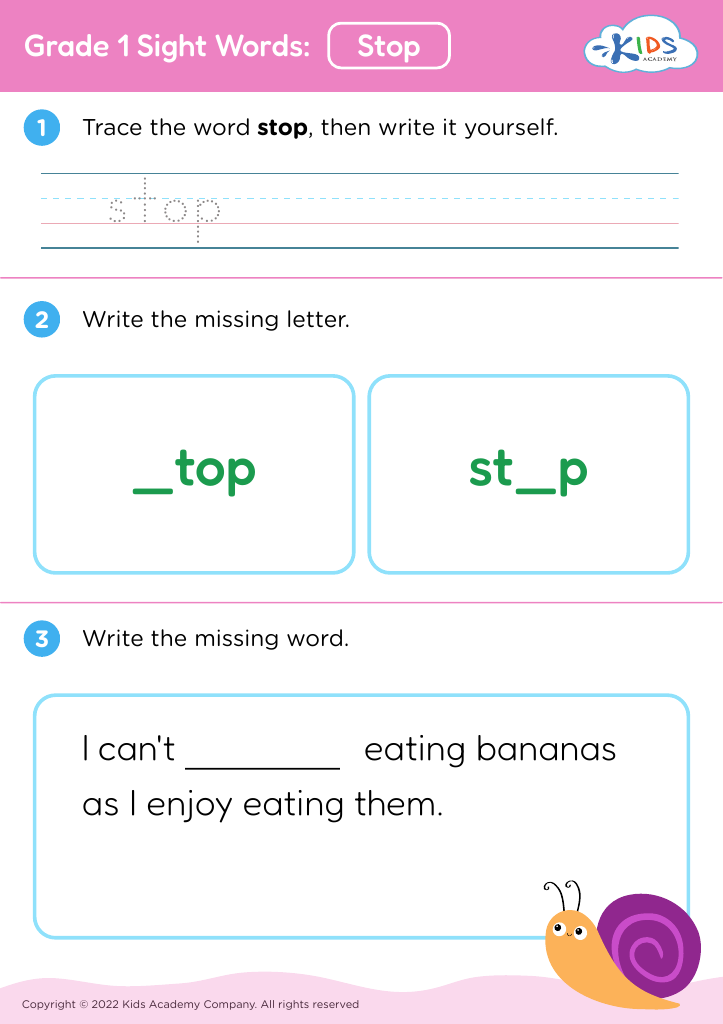
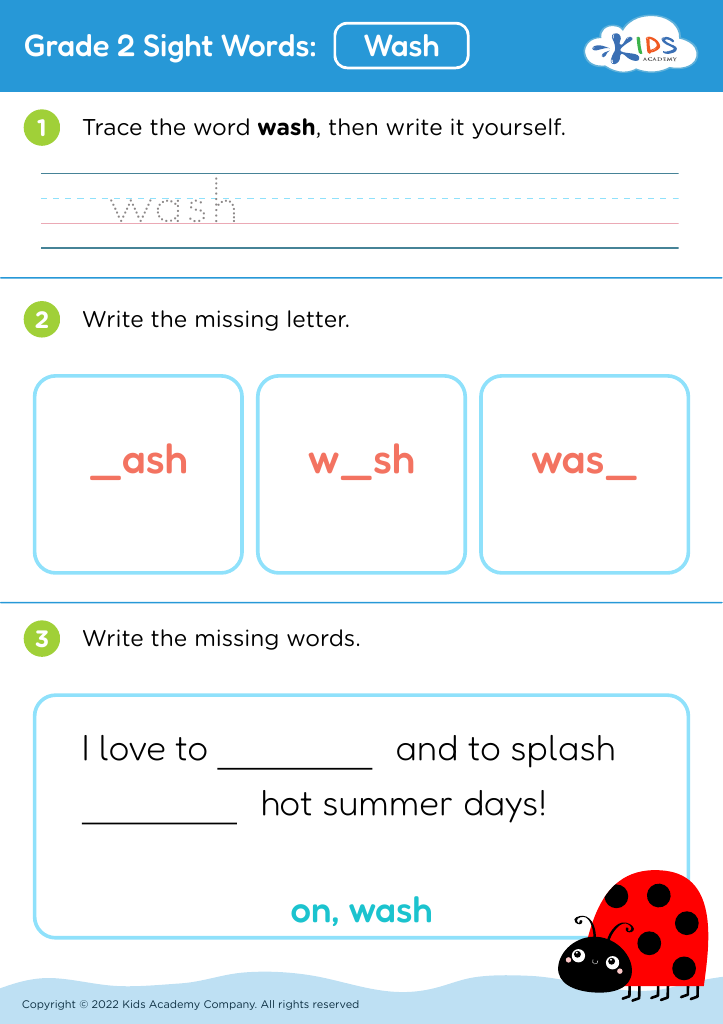
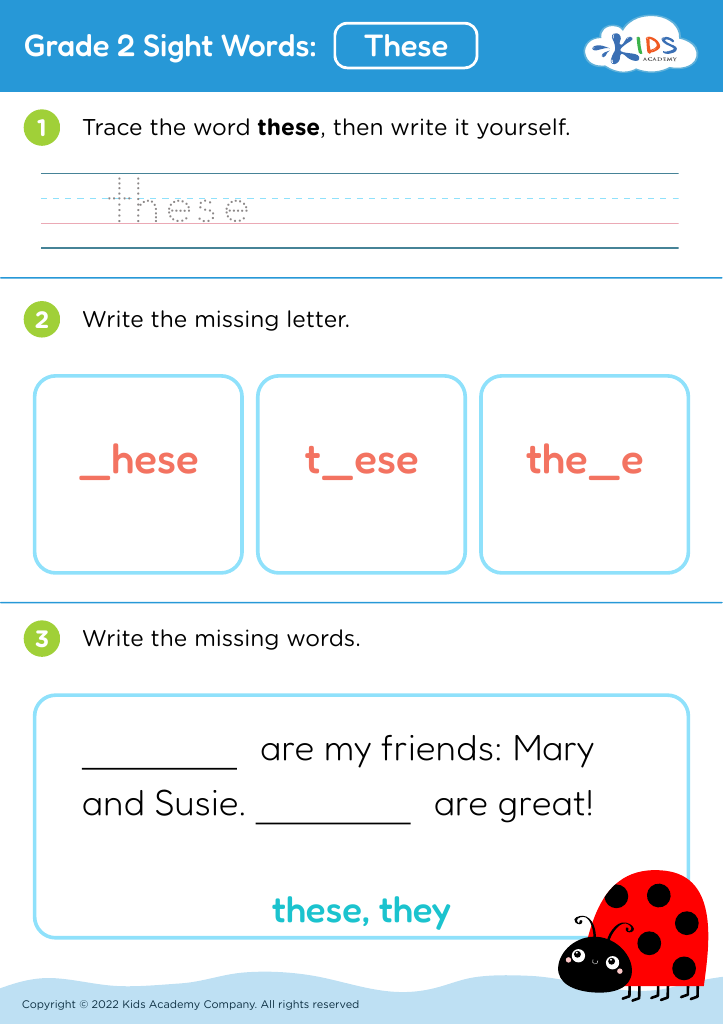
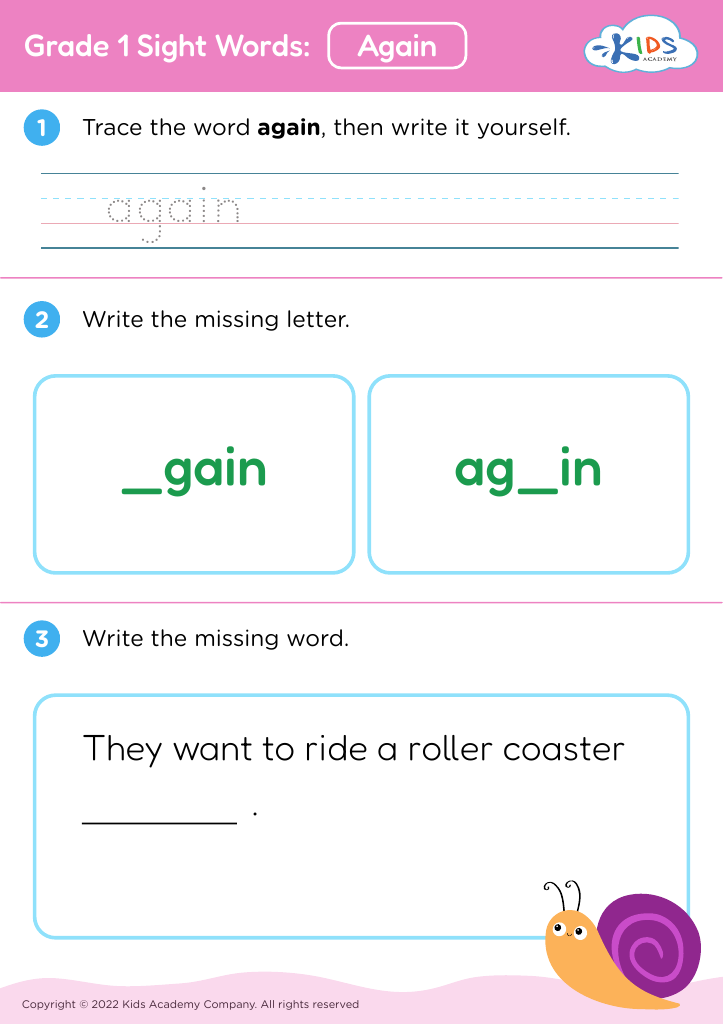
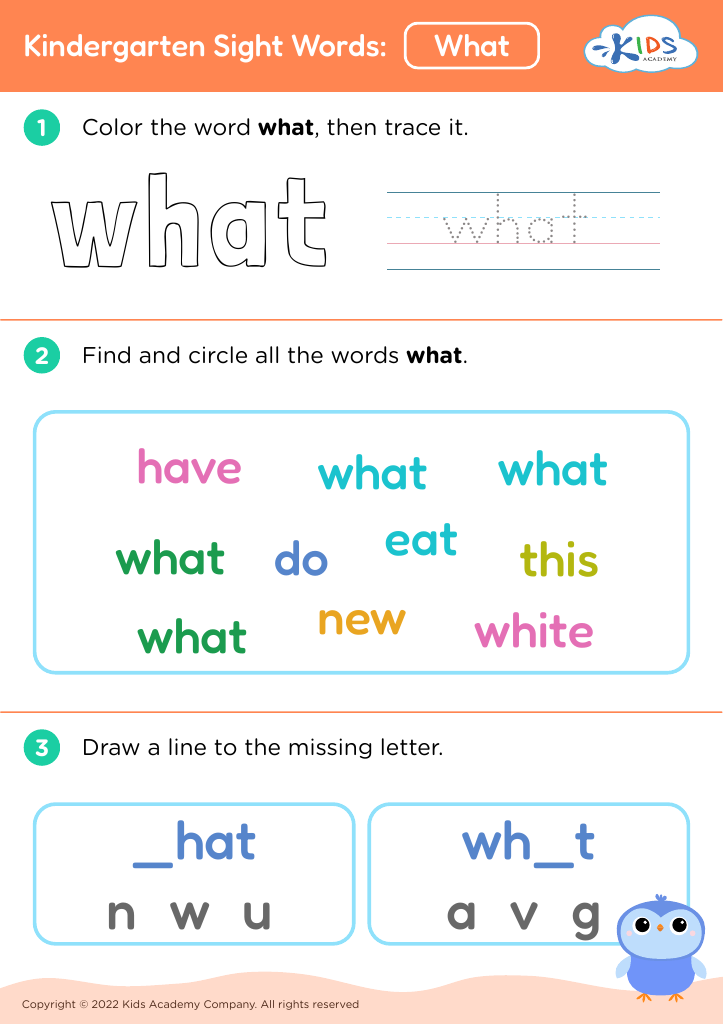
Discover our "Understanding Patterns Building Vocabulary Worksheets" designed for children aged 6-9! These engaging and interactive worksheets enhance vocabulary skills through the exploration of patterns in language. With colorful visuals and age-appropriate exercises, our resources encourage young learners to recognize and form patterns, increasing their linguistic confidence. Activities include identifying word families, rhyming words, and sentence structure, fostering a deeper understanding of vocabulary in a fun, relatable way. Perfect for teachers and parents alike, these worksheets make vocabulary building an enjoyable adventure. Help your kids succeed in literacy with our comprehensive, skill-promoting materials! Explore the world of words today!
Favorites
With answer key
Interactive











Join Kids Academy for Free
Who is primarily going to use this learning content?








Understanding patterns and building vocabulary are crucial components of early education for children aged 6-9. Parents and teachers should care about these skills because they serve as the foundation for critical thinking and effective communication, essential tools for lifelong learning.
Patterns help children recognize relationships and predict outcomes, fostering problem-solving abilities in mathematics and science. They learn to identify repeated elements in various contexts, which enhances cognitive functions and prepares them for more complex concepts in later grades.
Simultaneously, vocabulary development enriches a child’s ability to express thoughts and feelings. A robust vocabulary enhances reading comprehension and assists children in articulating ideas clearly. As they encounter new words, they not only expand their language skills but also their understanding of diverse perspectives and cultures, which is vital in our interconnected world.
Together, these skills create a solid framework for academic success and social interaction. When children can identify patterns and communicate effectively, they build confidence in their abilities, making learning more enjoyable and less intimidating. Therefore, fostering these skills at an early age is essential for laying the groundwork for future educational achievements and overall personal growth.








