Visual interpretation Building Vocabulary Worksheets for Ages 6-9
3 filtered results
-
From - To
Enhance your child's vocabulary with our engaging Visual Interpretation Building Vocabulary Worksheets, designed specifically for ages 6-9. These worksheets utilize vibrant imagery and context clues to help young learners develop literacy skills and boost their language comprehension. Perfect for at-home learning or classroom activities, these worksheets promote critical thinking and strengthen visual literacy. By interpreting pictures and associating words with visual cues, children will expand their vocabulary in a fun and interactive way. Unlock your child's potential as they explore a variety of themes through our thought-provoking exercises. Encourage a lifelong love for learning with our well-crafted vocabulary worksheets today!
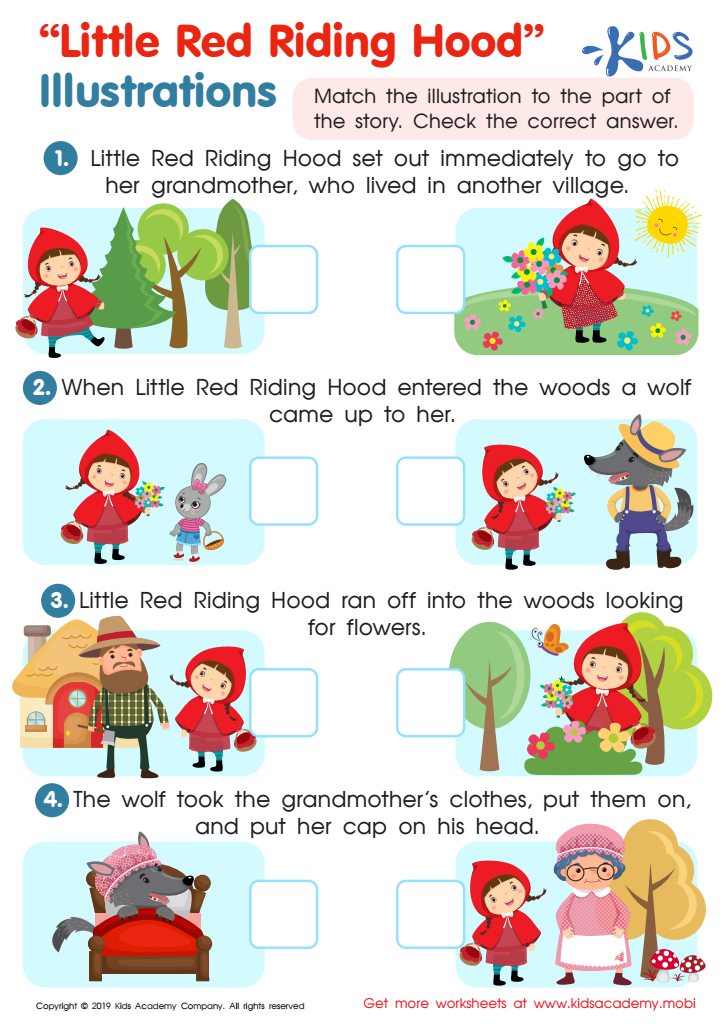
Little Red Riding Hood: Illustrations Worksheet
 Assign to My Students











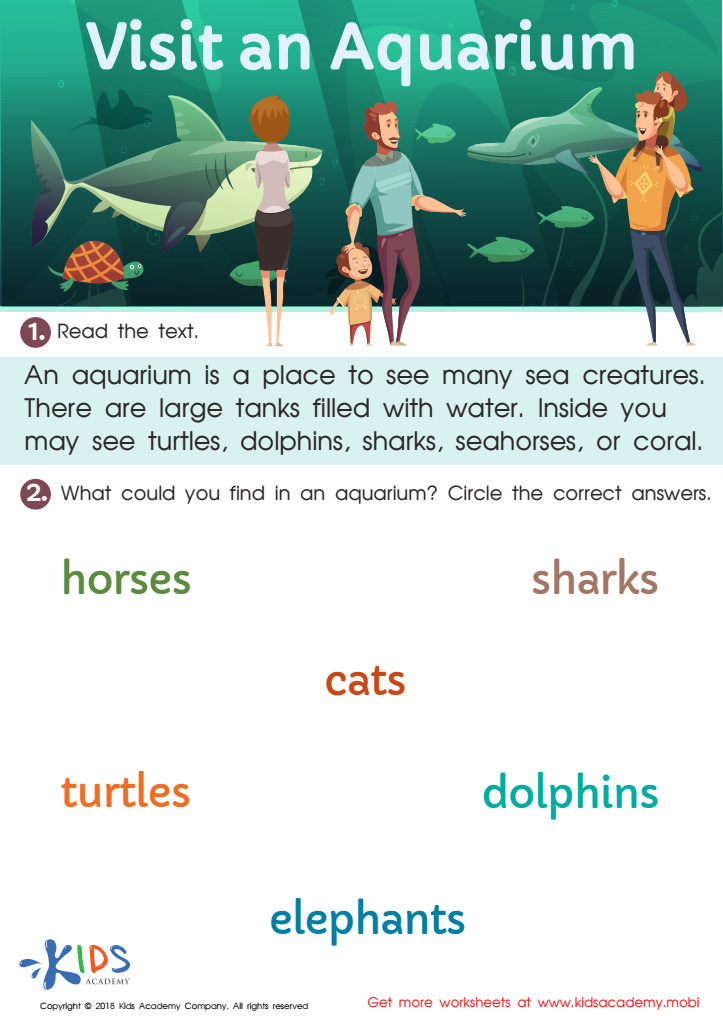
Visit an Aquarium Worksheet
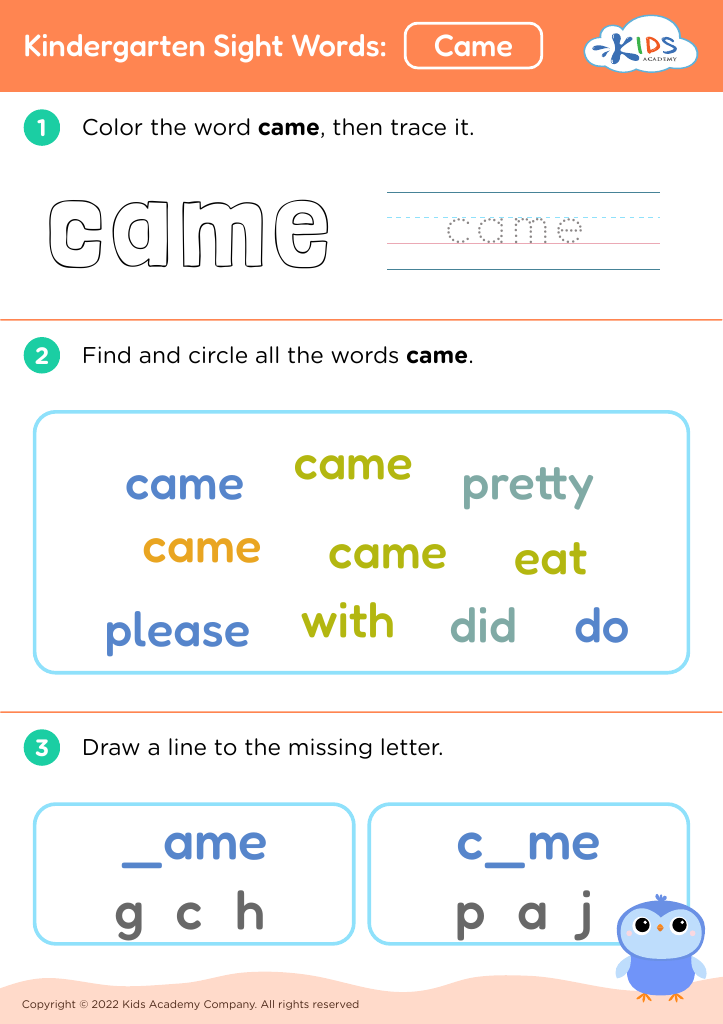








Visual interpretation and vocabulary building are critical components of literacy development for children aged 6-9. At this stage, children are actively engaged in expanding their understanding of language and concepts. Visual interpretation helps them connect words to real-world images, enhancing comprehension and retention. For instance, when they encounter a new word, associating it with a picture can help solidify its meaning, making learning more interactive and engaging. This multi-sensory approach promotes cognitive development, as children learn to analyze and draw conclusions from what they see.
Furthermore, building a rich vocabulary equips children with the tools they need to express themselves effectively. A strong vocabulary enhances their reading comprehension, enabling them to tackle more complex texts as they progress in their education. Teachers and parents can cultivate this skill through activities like reading visual storybooks, engaging in discussions about illustrations, and encouraging creative projects where children depict new words.
Additionally, a well-developed vocabulary is linked to academic success, providing children with the confidence to participate in classroom discussions and collaborative settings. Hence, prioritizing visual interpretation and vocabulary building nurtures not just language skills but also critical thinking, creativity, and overall emotional expression in young learners.








