Color recognition Sight Words Worksheets for Ages 6-9
4 filtered results
Difficulty Level
Grade
Age
-
From - To
Subject
Activity
Standards
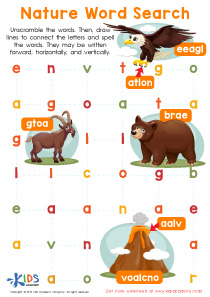
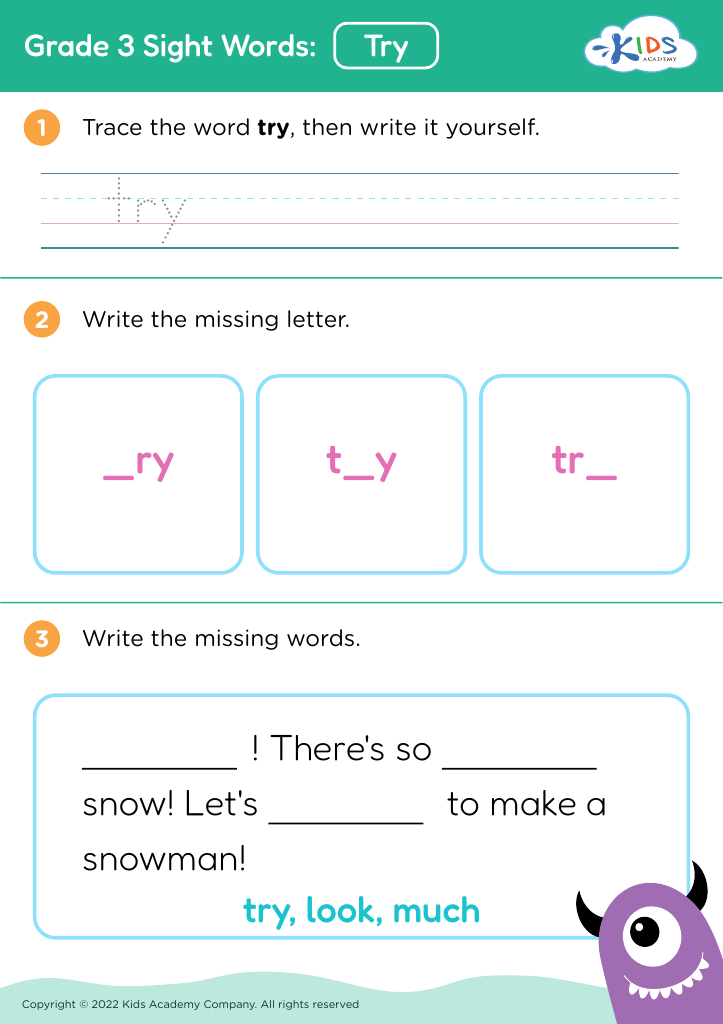
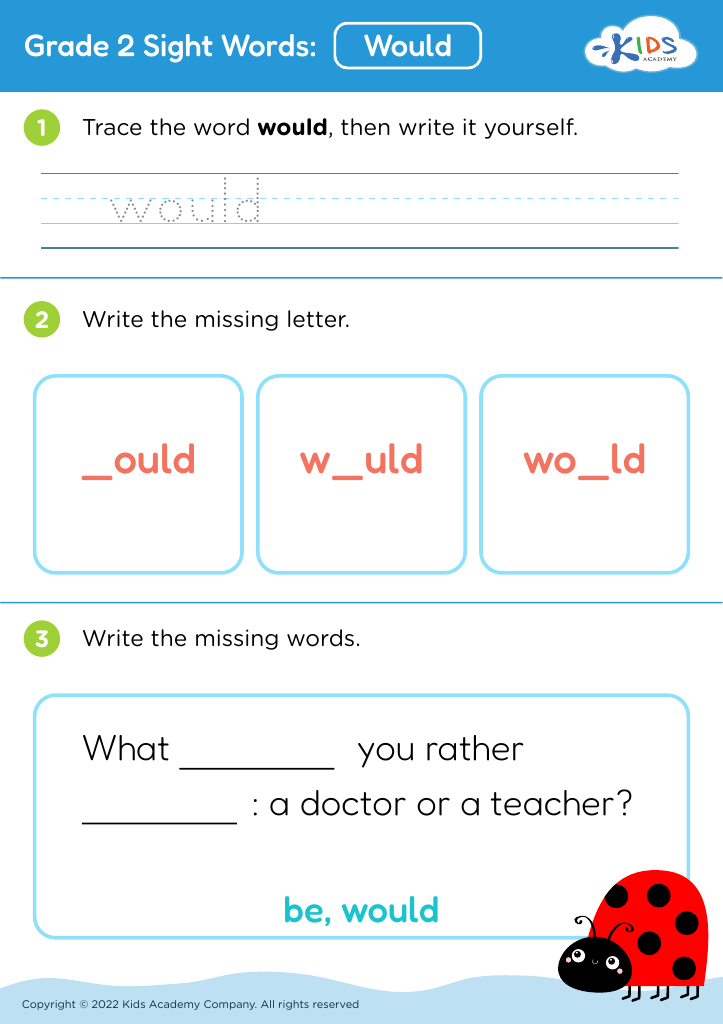
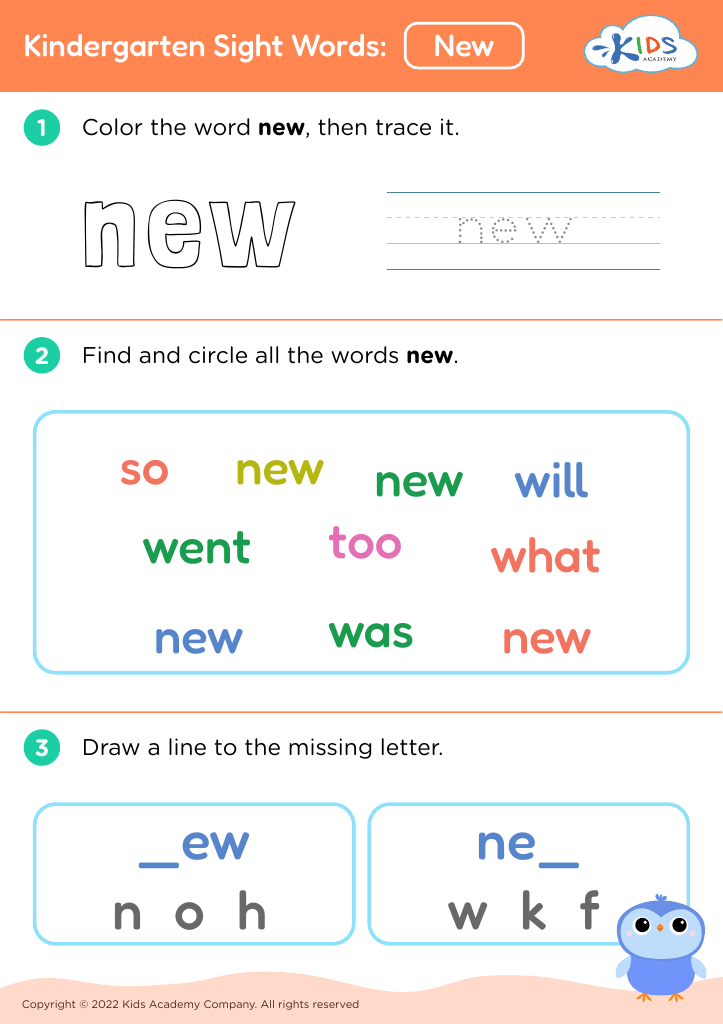
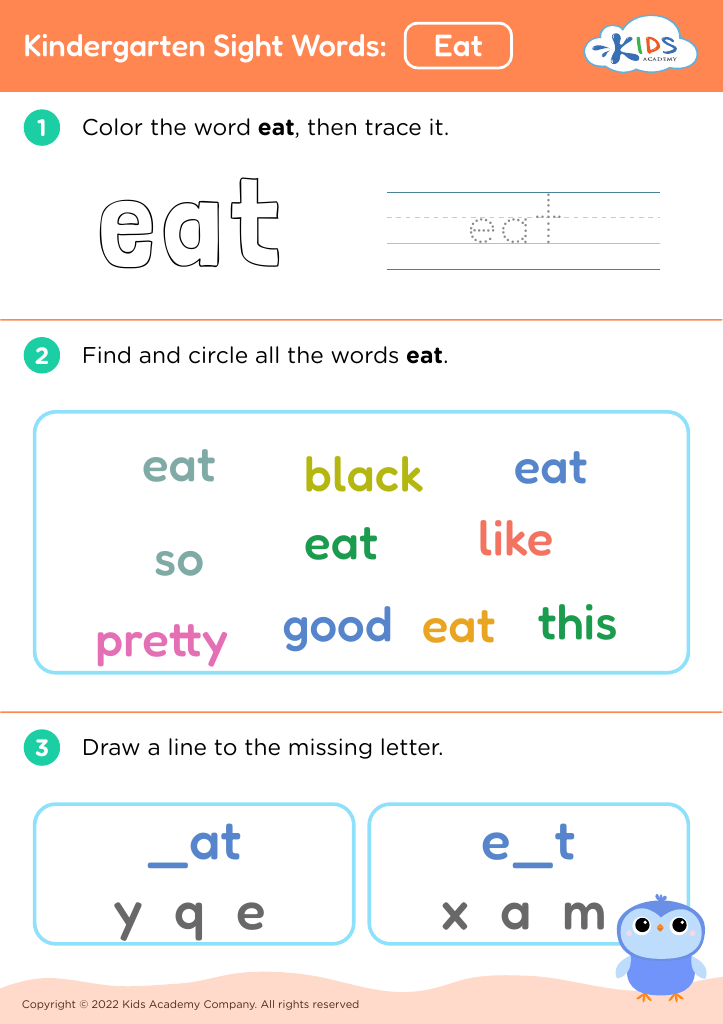
Discover our engaging Color Recognition Sight Words Worksheets designed for children ages 6-9! These interactive resources combine essential sight word learning with vibrant color recognition exercises, making reading fun and memorable. Each worksheet features captivating illustrations that help young learners identify and master key sight words while developing their color recognition skills. Perfect for home or classroom use, our worksheets encourage creativity and reinforce foundational literacy concepts. With various activities tailored for different skill levels, kids can enhance their reading abilities in a playful and colorful way. Explore our collection and watch your child's confidence in reading grow!
Favorites
With answer key
Interactive







Join Kids Academy for Free
Who is primarily going to use this learning content?








Color recognition and sight words are foundational elements in early literacy development for ages 6-9. For parents and teachers, understanding the significance of these elements is crucial in fostering children’s reading skills and overall learning.
Color recognition enhances a child's ability to associate words with meanings and contexts. It aids children in identifying different words on the page and helps them remember language details while reading. Teaching kids to link colors with certain emotions or settings can make reading more engaging and appealing.
Sight words, or high-frequency words often found in texts, are essential for fluent reading. Familiarity with these words allows children to read more quickly and accurately, boosting their confidence and enthusiasm toward reading. A strong grasp of sight words reduces the cognitive load during reading, enabling children to focus on comprehension rather than decoding.
Moreover, playful learning approaches that incorporate both color recognition and sight words—such as using colorful flashcards or interactive games—can lead to richer, more enjoyable learning experiences. Overall, prioritizing these skills equips young learners with the tools necessary for academic success and a lifelong love for reading. By advocating for these practices, parents and teachers play a critical role in nurturing confident, competent readers.