Identifying shapes Sight Words Worksheets for Ages 6-9
8 filtered results
-
From - To
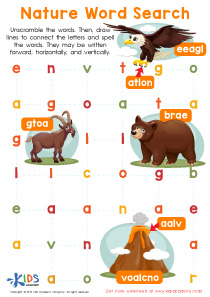
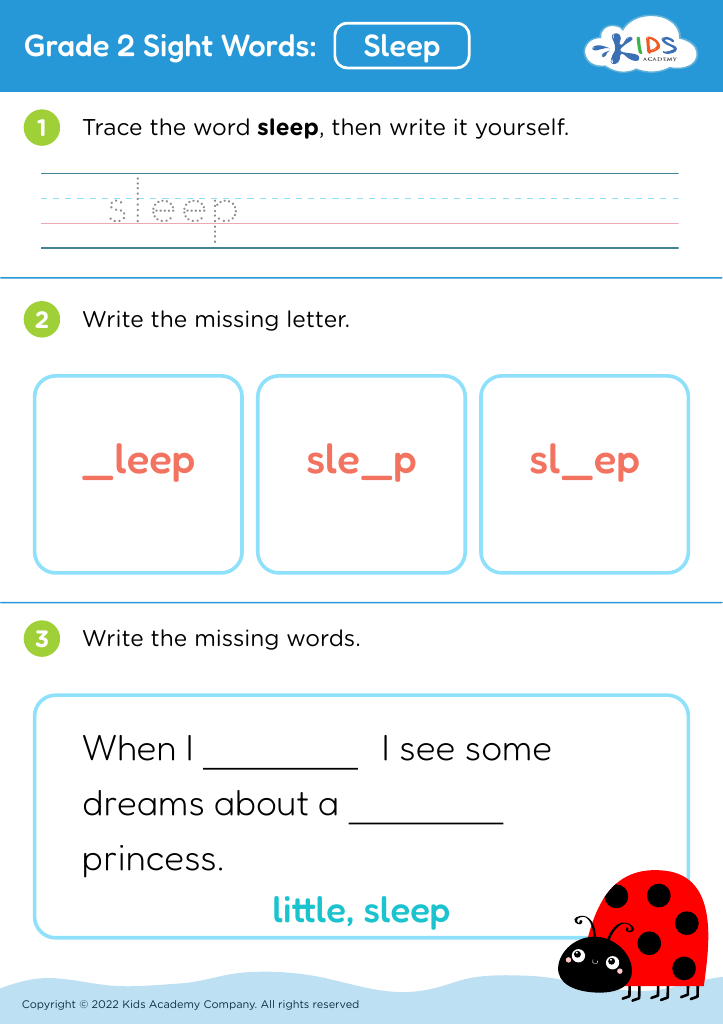
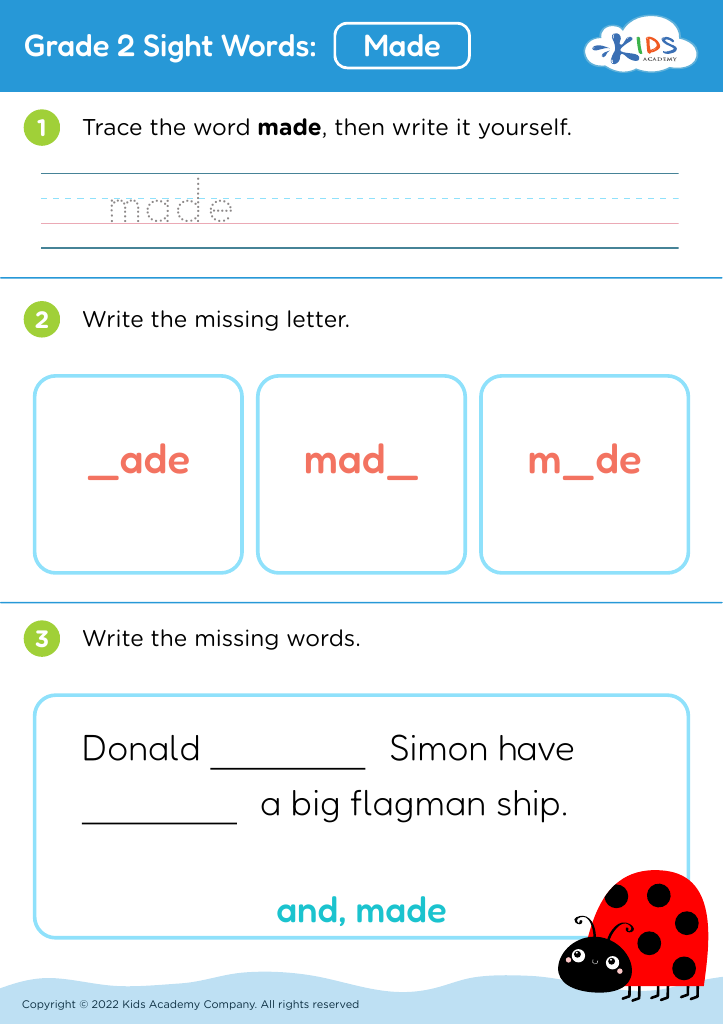
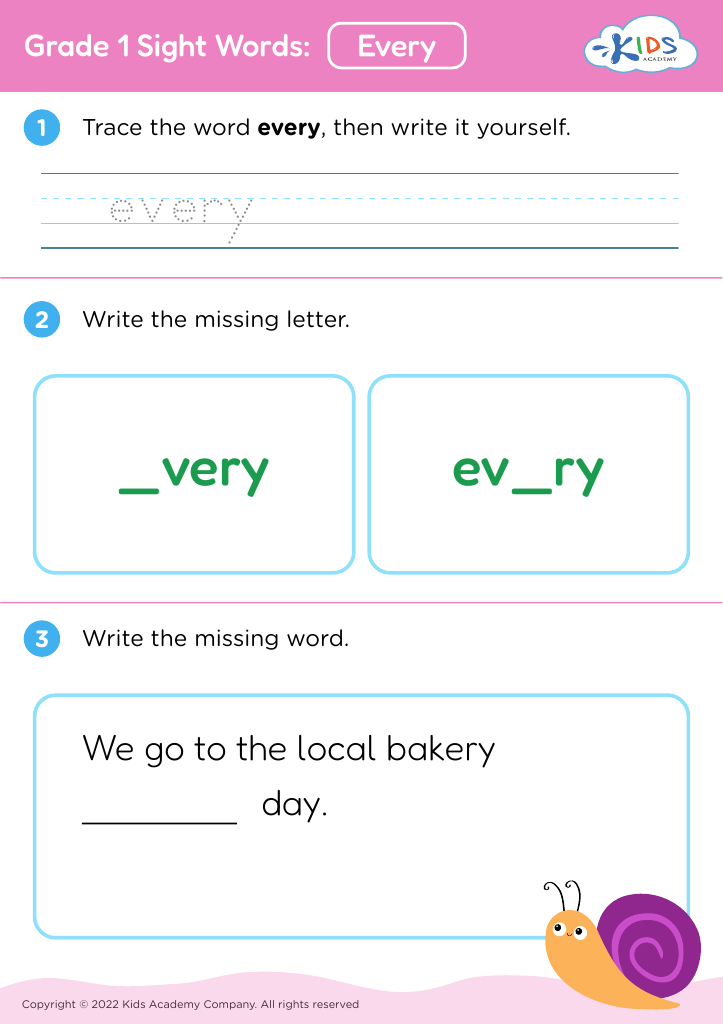
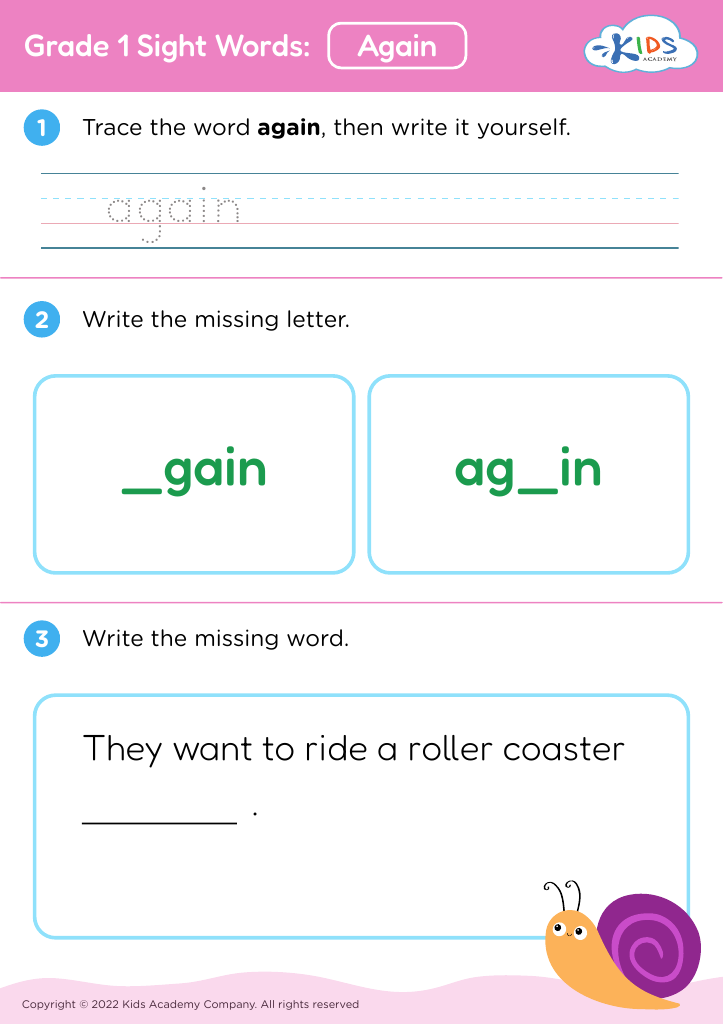
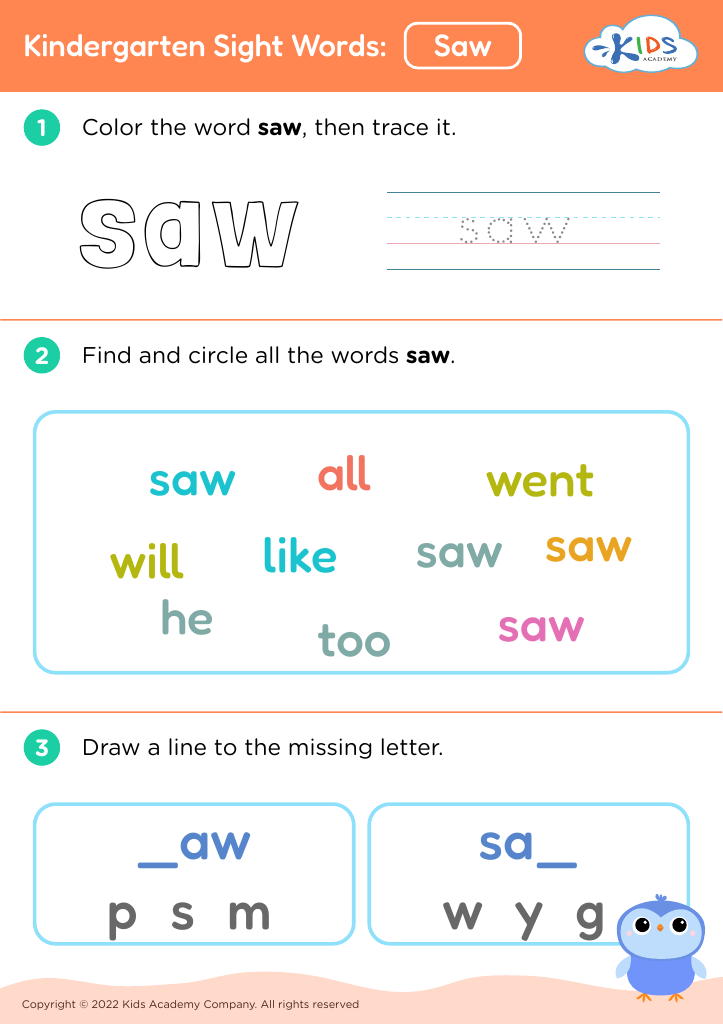
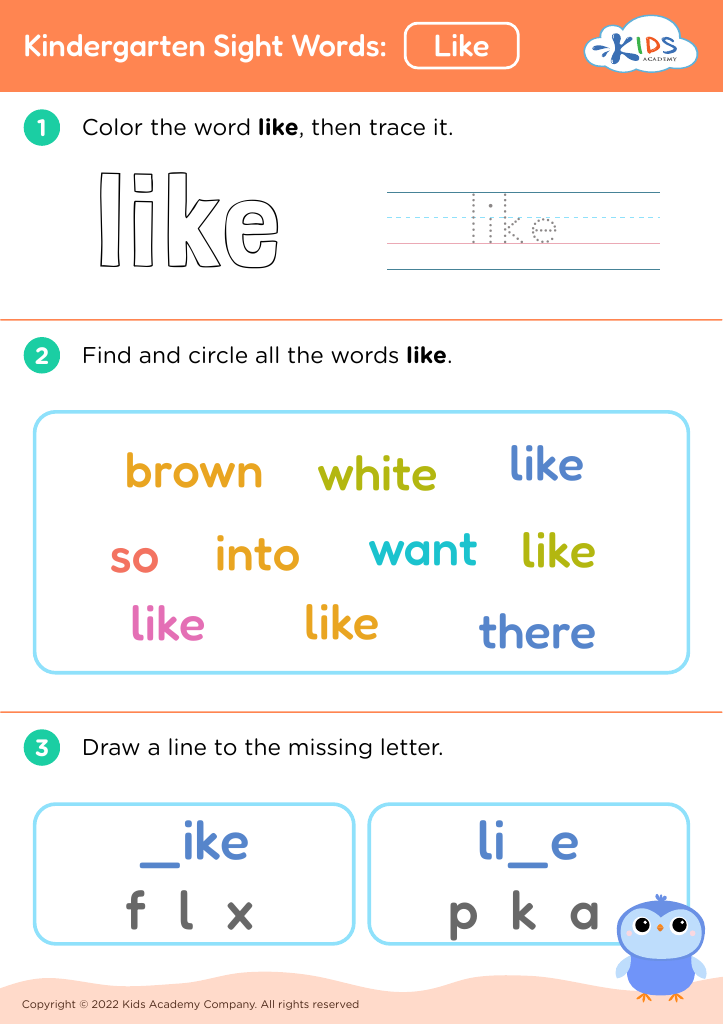
Explore our engaging "Identifying Shapes Sight Words Worksheets" designed specifically for kids aged 6-9! These worksheets aim to enhance children's reading and mathematics skills by combining shape recognition with sight word practice. Young learners will enjoy activities that not only familiarize them with basic shapes like circles, squares, and triangles but also reinforce essential sight words in fun, creative ways. Each worksheet fosters critical thinking and helps develop fine motor skills, making learning both enjoyable and effective. Perfect for classroom settings or at-home use, our resources support a well-rounded educational experience. Watch your child boost confidence while mastering shapes and words!
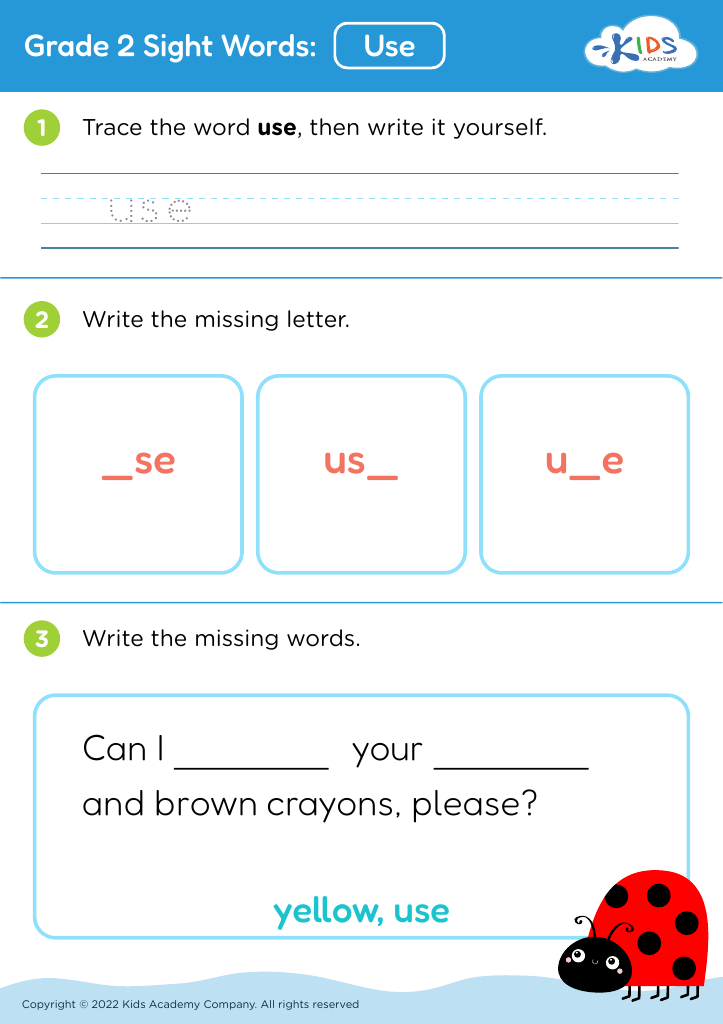





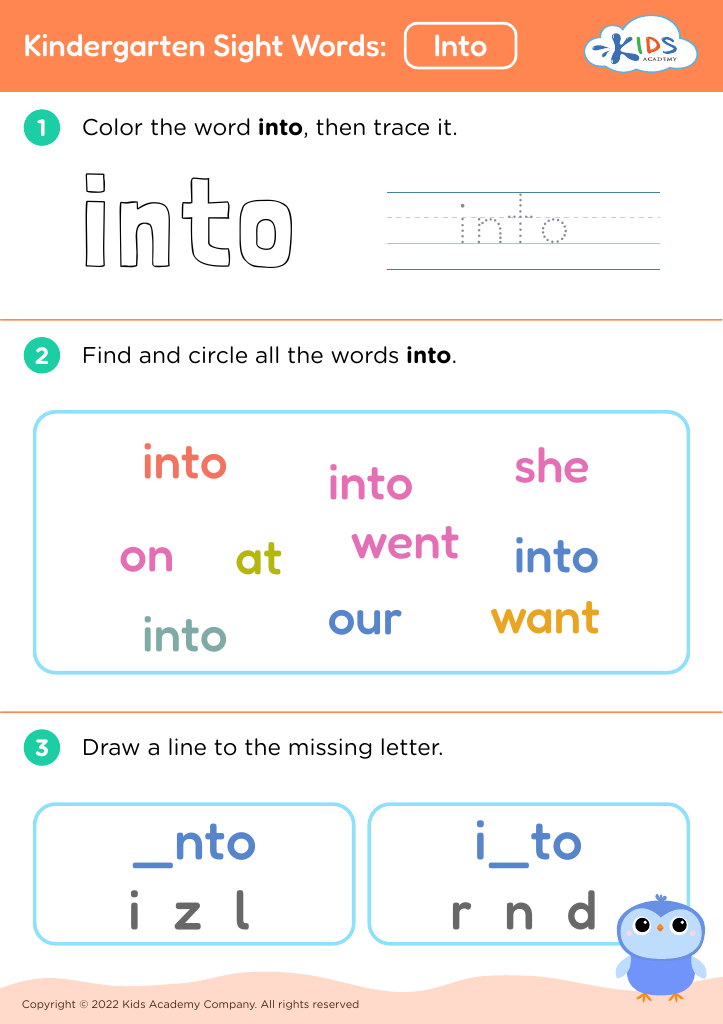








Identifying shapes and sight words is crucial for young learners aged 6-9, as these foundational skills play a significant role in their overall cognitive development and literacy. Recognizing shapes helps children understand basic geometric concepts, aiding in problem-solving skills and critical thinking. This capability supports their abilities in subjects like math and science, where understanding spatial relationships is essential.
Additionally, sight words are integral to early reading proficiency. By recognizing these high-frequency words instantly, children can focus their cognitive energy on comprehending the text rather than deciphering individual words. This fluency builds their confidence and fosters a love for reading, essential for lifelong learning.
Parents and teachers must advocate for these skills by incorporating fun and engaging practices in daily learning—such as shape scavenger hunts, puzzles, and reading simple storybooks. These activities not only reinforce the concepts but also create a positive and supportive learning environment.
Ultimately, the ability to identify shapes and sight words lays the groundwork for future academic success, making it vital for caregivers and educators to prioritize and nurture these skills during these formative years. Recognizing their importance is the first step to empowering children in their educational journey.