Improve vocabulary Sight Words Worksheets for Ages 6-9
3 filtered results
-
From - To
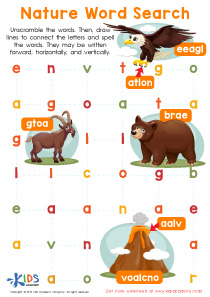
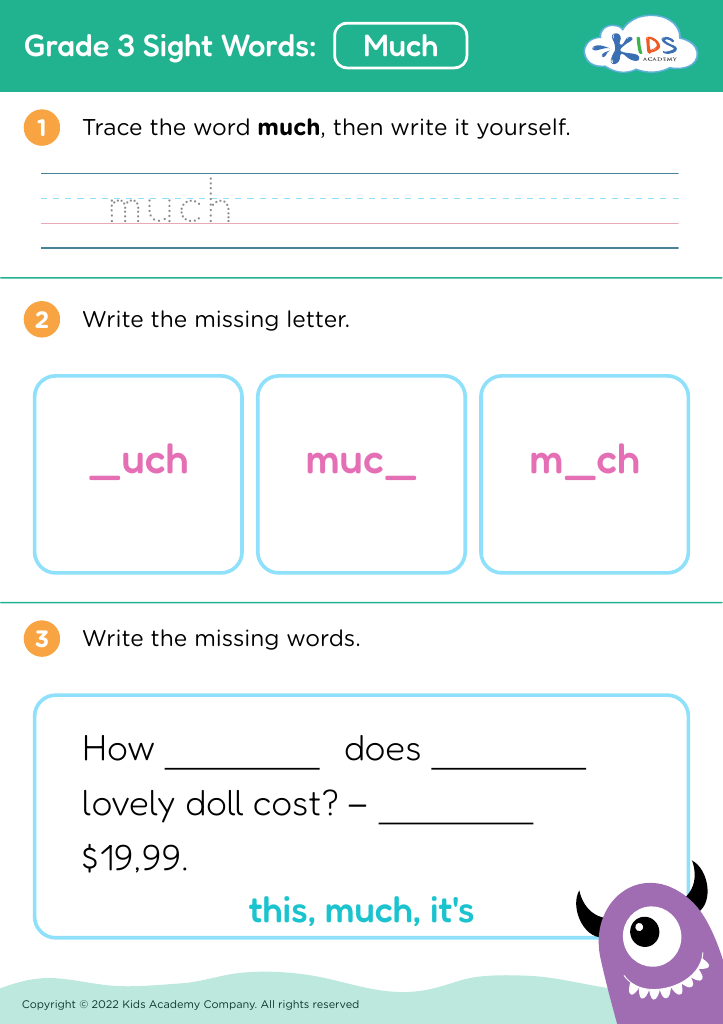
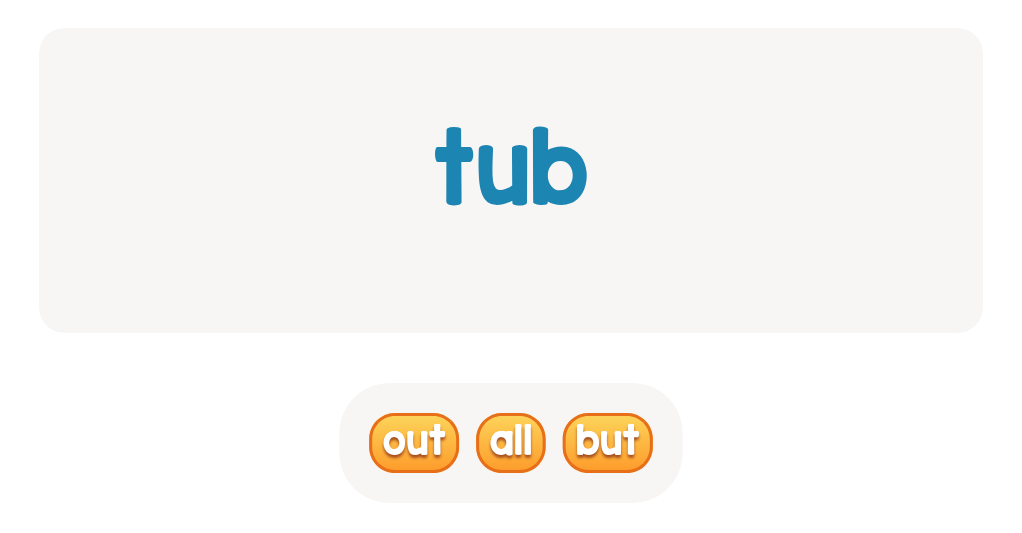
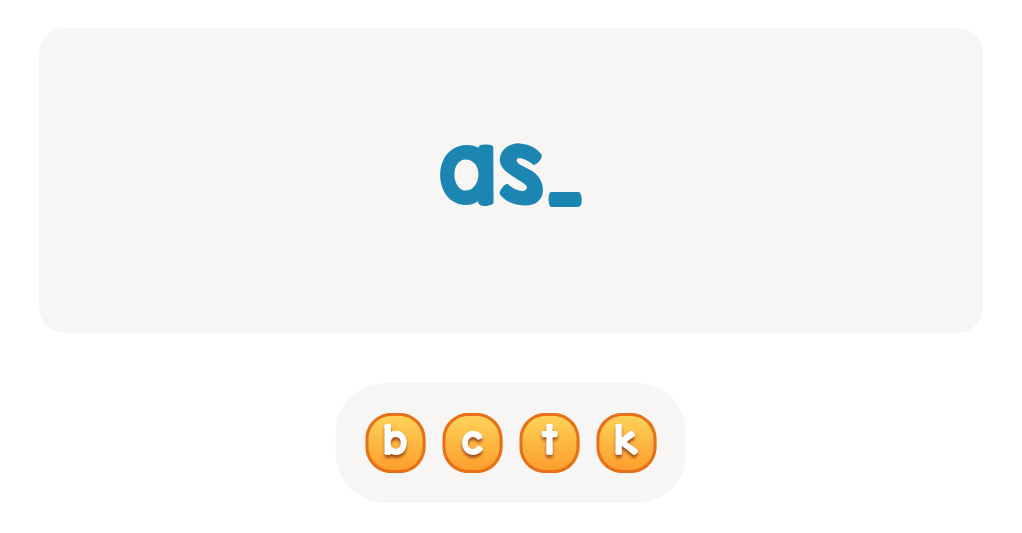
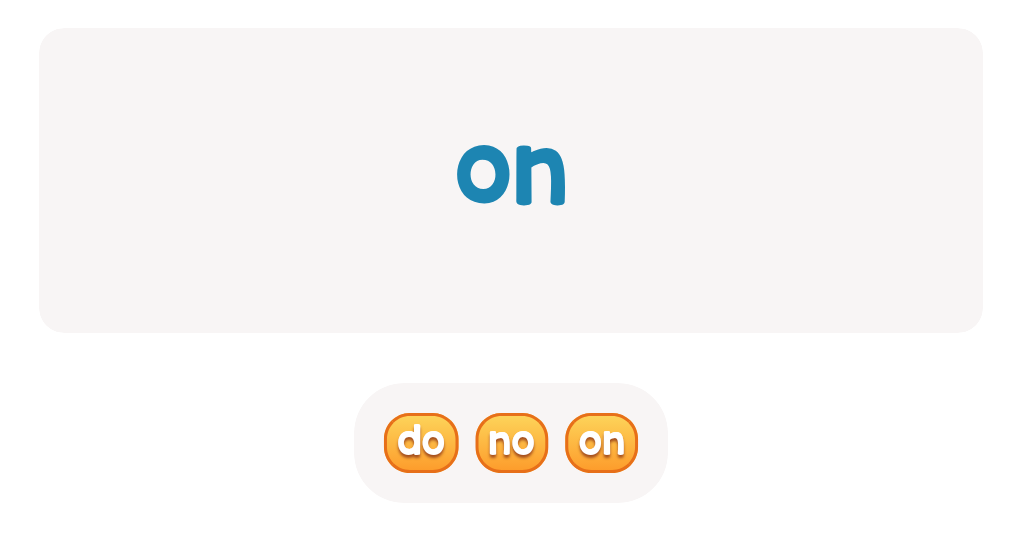
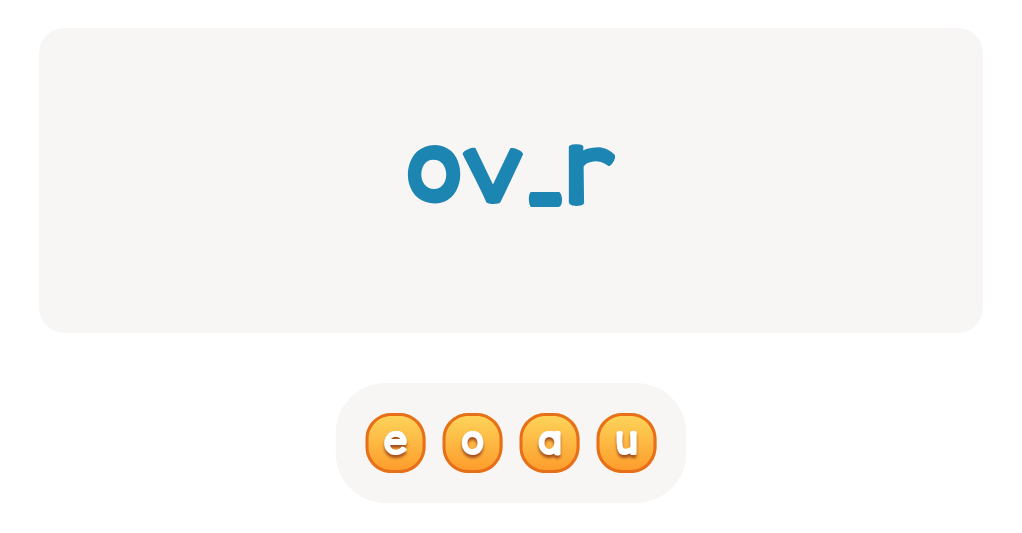
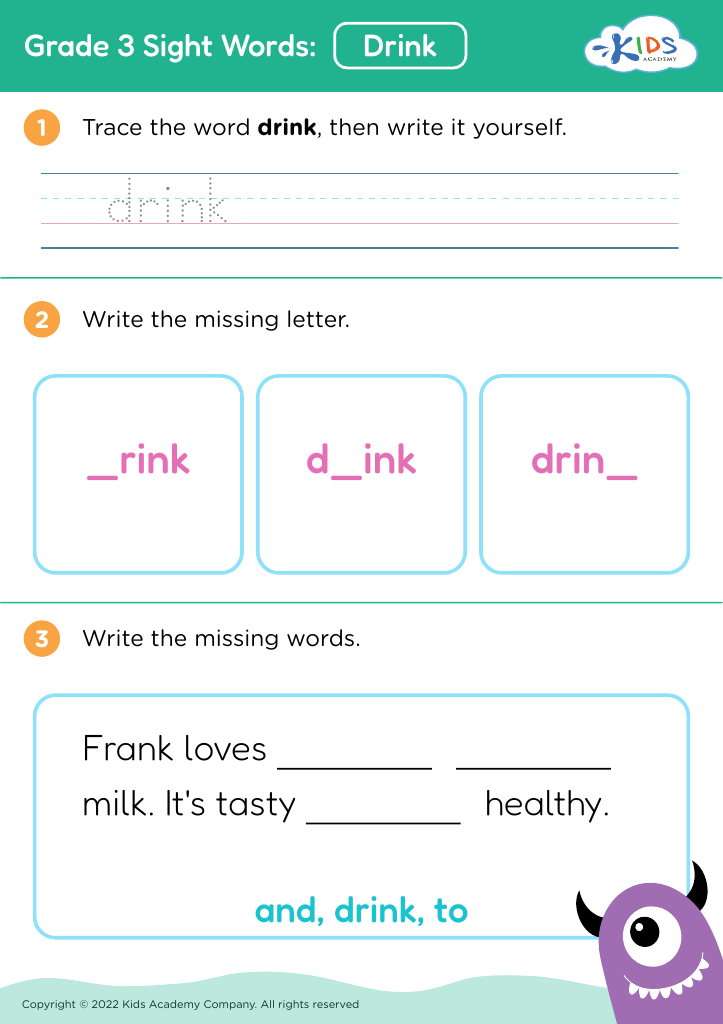
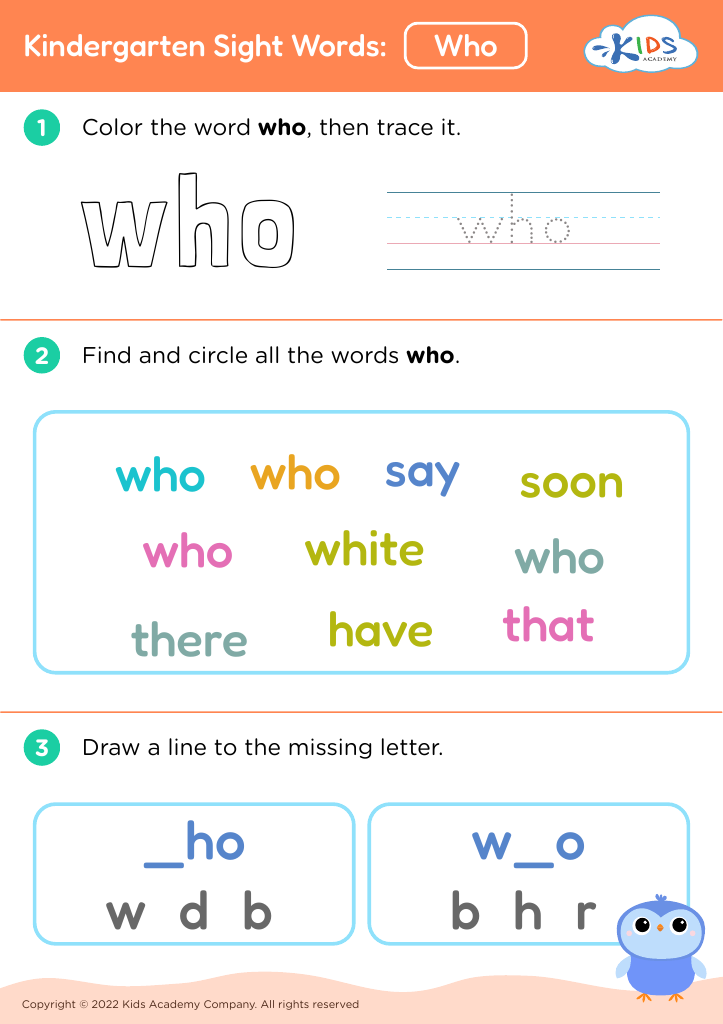
Enhance your child's vocabulary with our engaging Improve Vocabulary Sight Words Worksheets designed for ages 6-9. These carefully crafted worksheets focus on commonly used sight words, essential for early reading development. By combining interactive exercises with effective repetition, our resources help young learners recognize and understand key vocabulary effortlessly. Perfect for home or classroom use, these worksheets foster reading confidence and fluency. Join today to unlock your child's potential and make vocabulary building a fun, rewarding experience! Access our free, printable worksheets to give your child the best start in their reading journey.






.jpg)




Improving vocabulary and mastering sight words for children aged 6-9 is foundational for their overall literacy development. This age range is critical because children transition from learning to read to reading to learn. A robust vocabulary enhances comprehension and makes reading more enjoyable and engaging, fostering a love of literature from an early age. Sight words, which are frequently used words that children are encouraged to recognize on sight, like "the," "and," or "but," constitute a significant percentage of the text young readers encounter. Knowing these words by sight allows children to read more smoothly and focus their cognitive efforts on decoding more challenging words and understanding the content.
For parents, supporting sight word acquisition and vocabulary expansion can directly contribute to their child’s academic success and amplify their ability to communicate effectively. Engaging in activities such as reading aloud, practicing flashcards, or interactive games can make a huge difference. Teachers, on the other hand, can create a more inclusive classroom environment by incorporating sight word-based learning centers, peer collaboration, and differentiated instruction. Thus, by prioritizing vocabulary and sight words, parents and teachers ensure children build strong reading foundations, which are essential for critical thinking, academic achievement, and lifelong learning.