Understanding patterns Sight Words Worksheets for Ages 6-9
5 filtered results
-
From - To
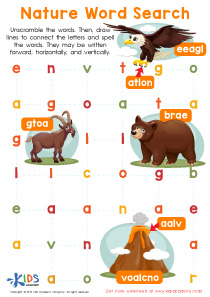
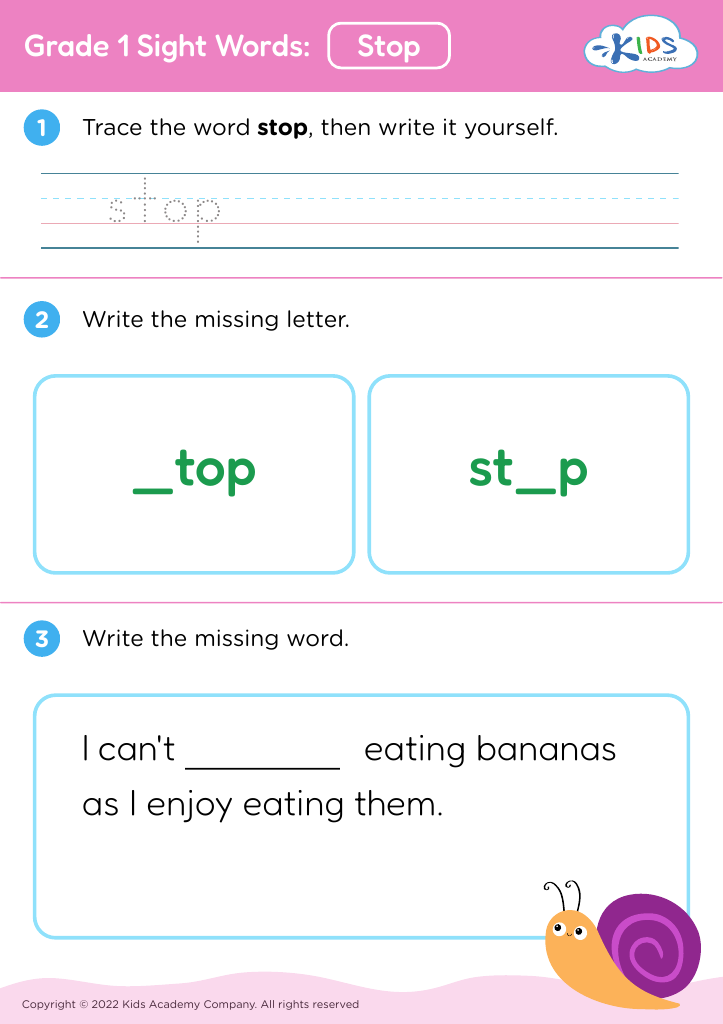
Discover our "Understanding Patterns Sight Words Worksheets," specially designed for kids ages 6-9. These engaging resources help young learners identify and comprehend sight word patterns, enhancing their reading fluency and confidence. Through a variety of interactive activities, including tracing, matching, and sentence formation, students will develop essential literacy skills in a fun, approachable manner. Our worksheets encourage critical thinking while fostering a love for reading. Perfect for classroom use or at-home learning, these materials align with educational standards to ensure your child's success. Boost your child's reading journey today with our thoughtfully crafted worksheets!






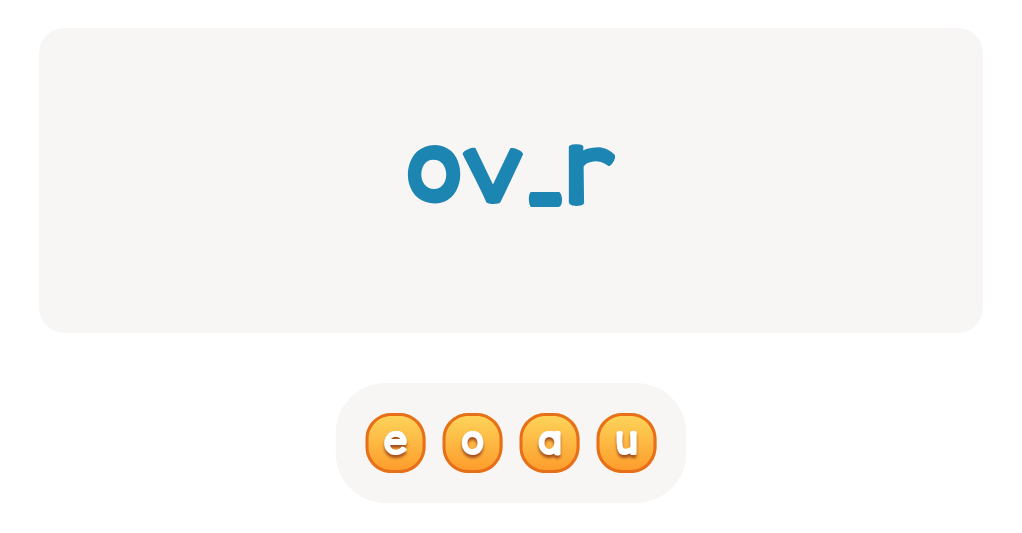
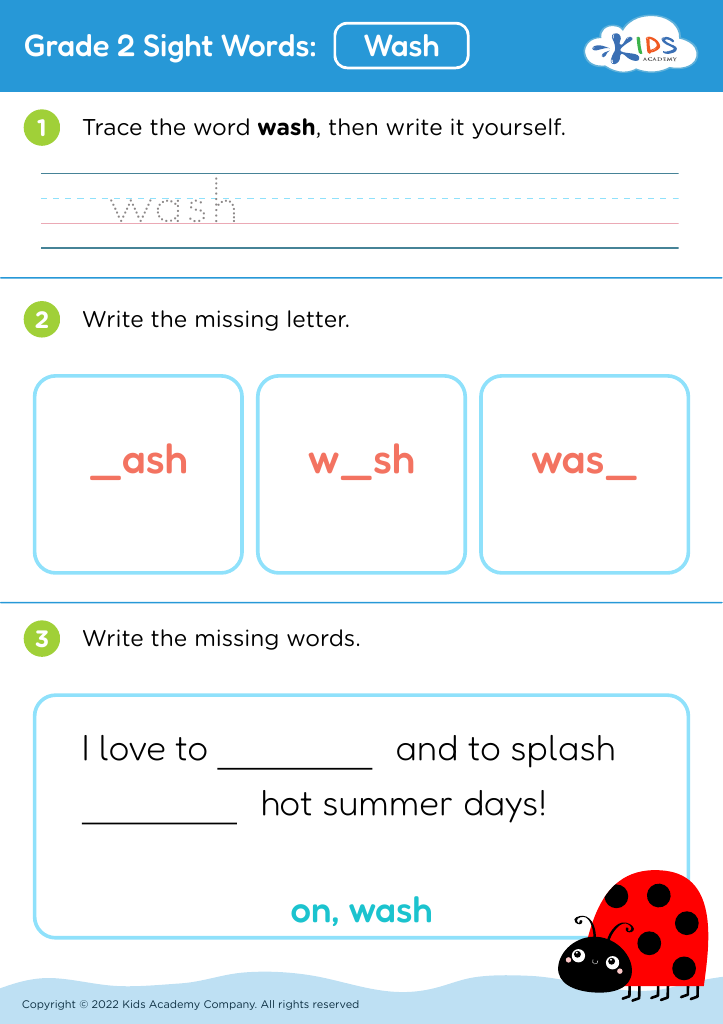
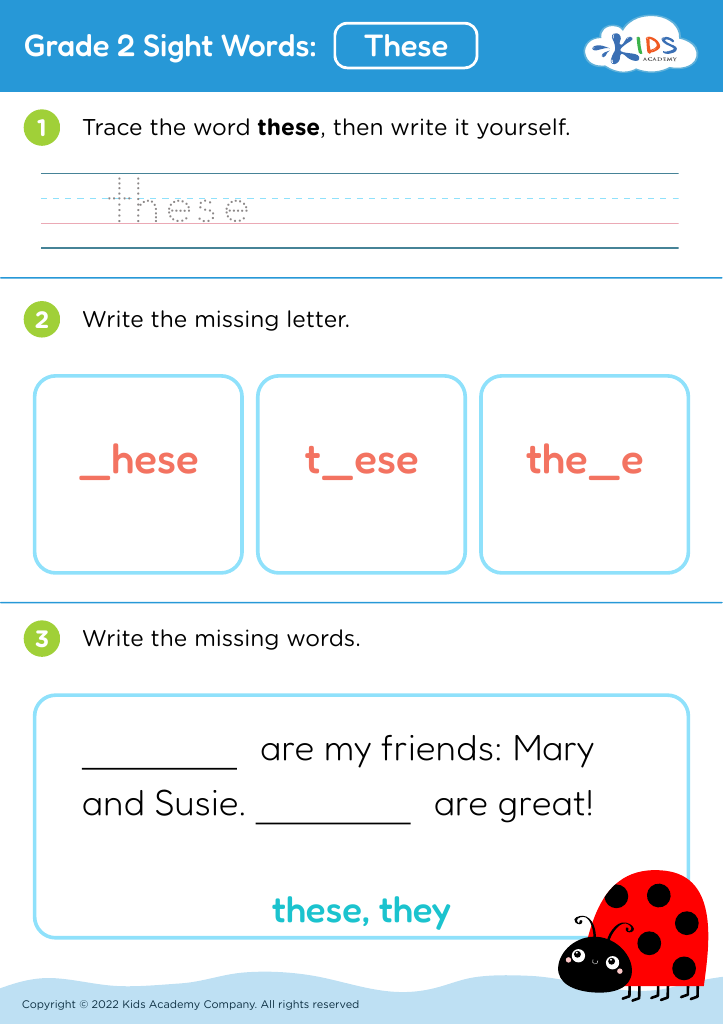
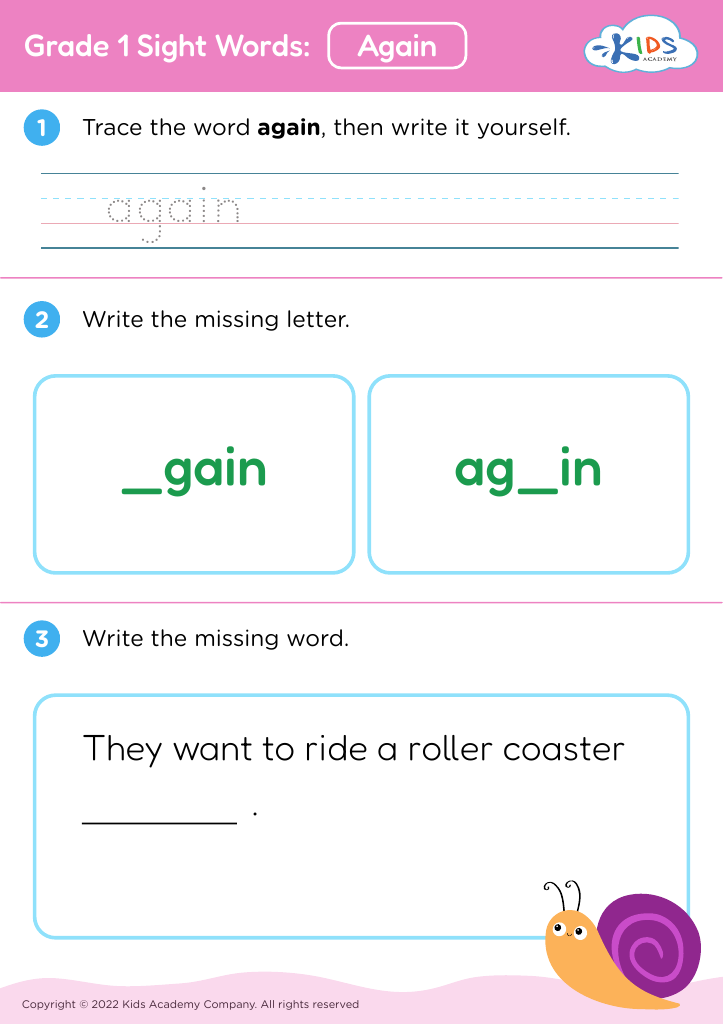
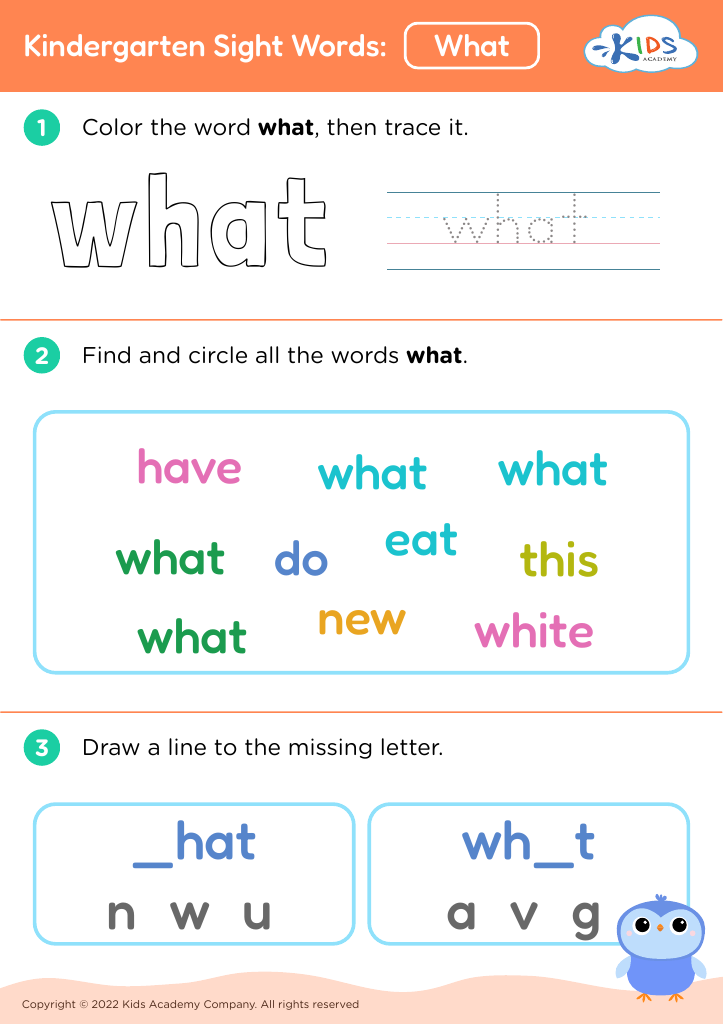







Understanding patterns and learning sight words are crucial components in the literacy development of children ages 6-9. For parents and teachers, recognizing the significance of these skills can greatly impact a child's academic journey.
Patterns help children make connections between sounds and letters, fostering phonemic awareness—an essential skill for reading. By recognizing patterns, children become proficient in decoding unfamiliar words, ultimately boosting their confidence in reading.
Sight words, on the other hand, are common words that children are encouraged to memorize so they can recognize them instantly. Mastery of these words allows for smoother reading experiences, helping children focus on comprehension rather than sounding out each word. When children can read fluently, they are more likely to engage with texts, enhancing their love for reading.
Furthermore, effective teaching of patterns and sight words promotes overall literacy skills, laying the foundation for future academic success. It aids in developing critical thinking abilities and enhances vocabulary, which are essential for effective communication. Ultimately, by prioritizing understanding patterns and sight words, parents and teachers play an instrumental role in empowering children, sparking curiosity, and molding lifelong readers. This emphasis on literacy not only supports academic achievements but also nurtures a child’s confidence and self-expression.