
Vocabulary enhancement Animals Worksheets for Ages 6-9
9 filtered results
Difficulty Level
Grade
Age
-
From - To
Subject
Activity
Standards
Enhance your child’s vocabulary with our engaging Animals Worksheets, designed specifically for ages 6-9. These worksheets offer a fun and educational way to introduce young learners to different animals, their habitats, and characteristics, all while building their vocabulary skills. Each worksheet is packed with colorful images and interactive activities that encourage exploration and creativity. Children will enjoy matching, filling in the blanks, and brainstorming new words related to the animal kingdom. Perfect for homeschooling, classroom use, or supplementary learning, these resources promote language development and comprehension in a fun, hands-on manner. Download now and spark your child's curiosity about animals!
Favorites
With answer key
Interactive
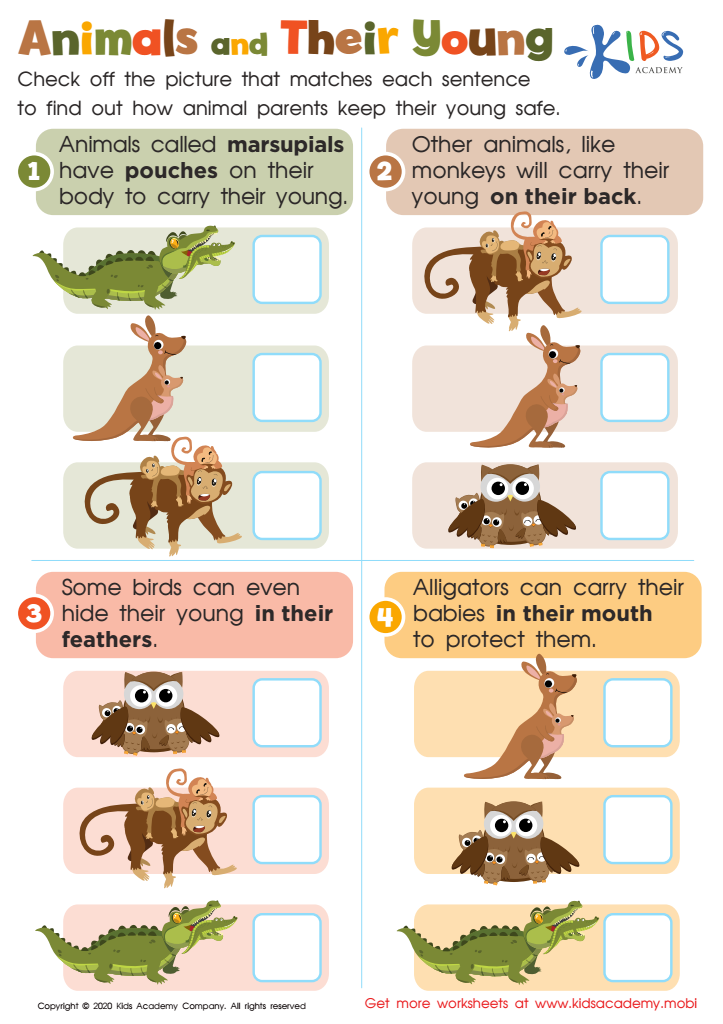
Animals and Their Young Worksheet
Help your child learn more about the animal kingdom with this cute science worksheet! They'll find out how animals protect and keep their babies close. From pouches to hitching a ride on mama’s back, they'll read the sentence above each illustration and select the description that fits. Check off the correct description as they go - a fun and educational activity!
 Assign to My Students
Animals and Their Young Worksheet
Worksheet
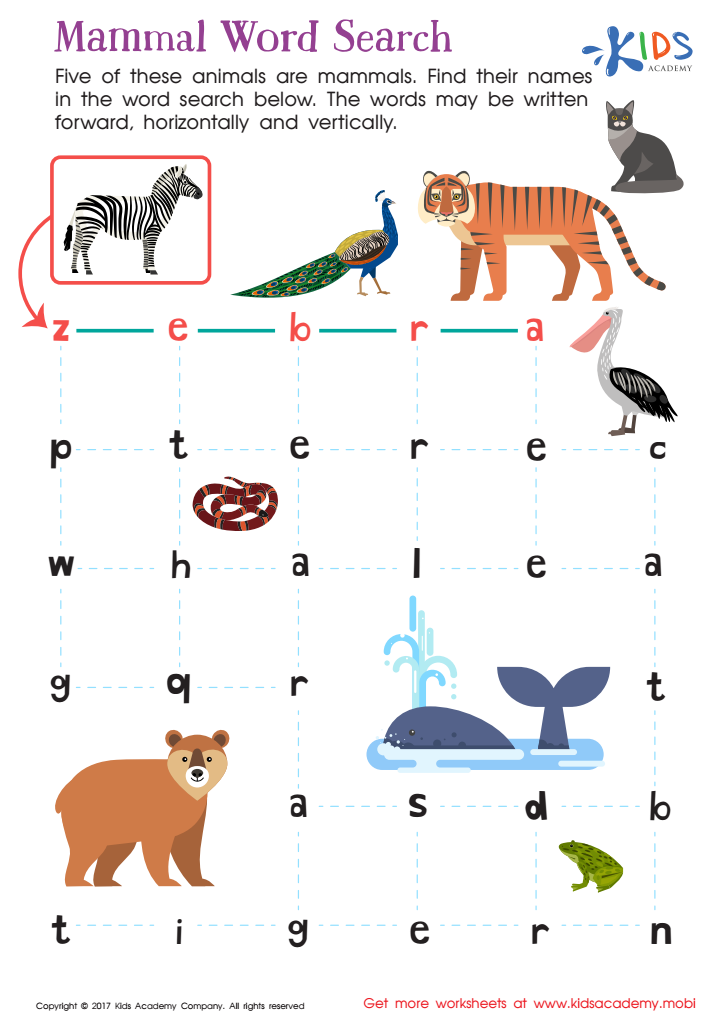
Printable Mammal Word Search
Second graders can enjoy new discoveries and adventures every day with a free printable mammal word search. They'll be tasked to find 5 mammals from a given list, making learning fun and efficient!
Printable Mammal Word Search
Worksheet
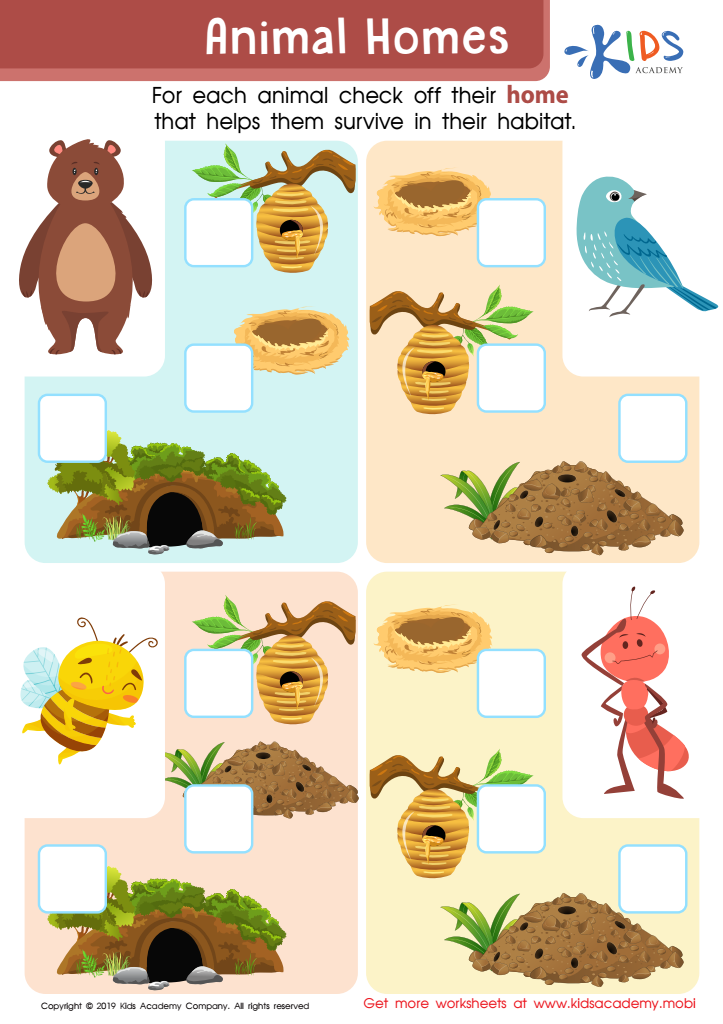
Animal Homes Worksheet
It's your duty as a teacher to protect, direct and guide your students while they're at school. Ask your kindergartners what a home means and why it's special. Use this worksheet to teach them that both people and animals have homes. Show them the pictures, and have them check off which is the home of each animal.
Animal Homes Worksheet
Worksheet
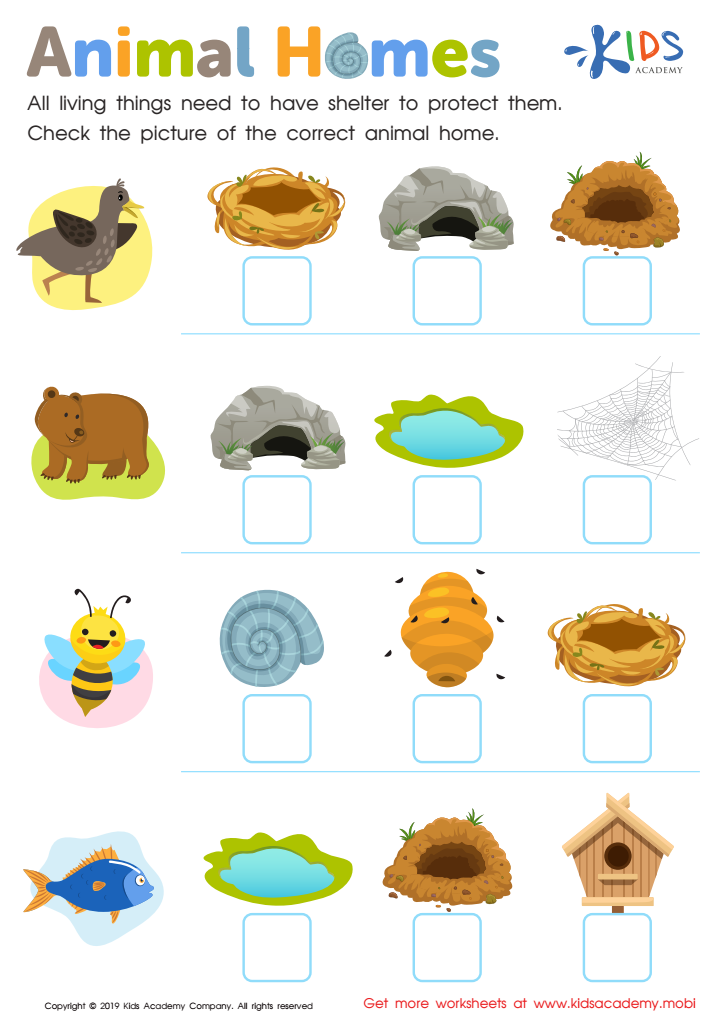
Animal Homes Worksheet
Students have homes where they can do things they love, sleep and stay safe from bad weather. Check the worksheet for animals and their shelters. Ask your kids to identify each and match the animal home to the picture. (80 words)
Animal Homes Worksheet
Worksheet
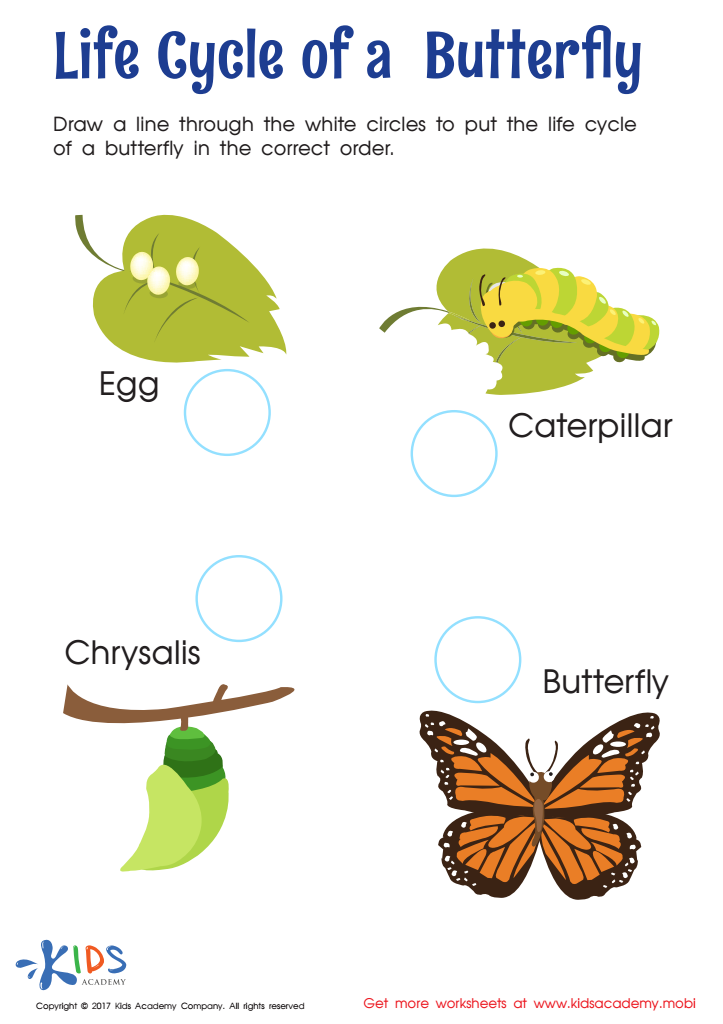
Life Cycle of Butterfly Worksheet
Kids Academy offers an exciting activity – a Life Cycle of a Butterfly Worksheet PDF. It shows four stages in the lifecycle of a butterfly with vivid pictures. Kids put the stages in the correct order to study the lifecycle.
Life Cycle of Butterfly Worksheet
Worksheet
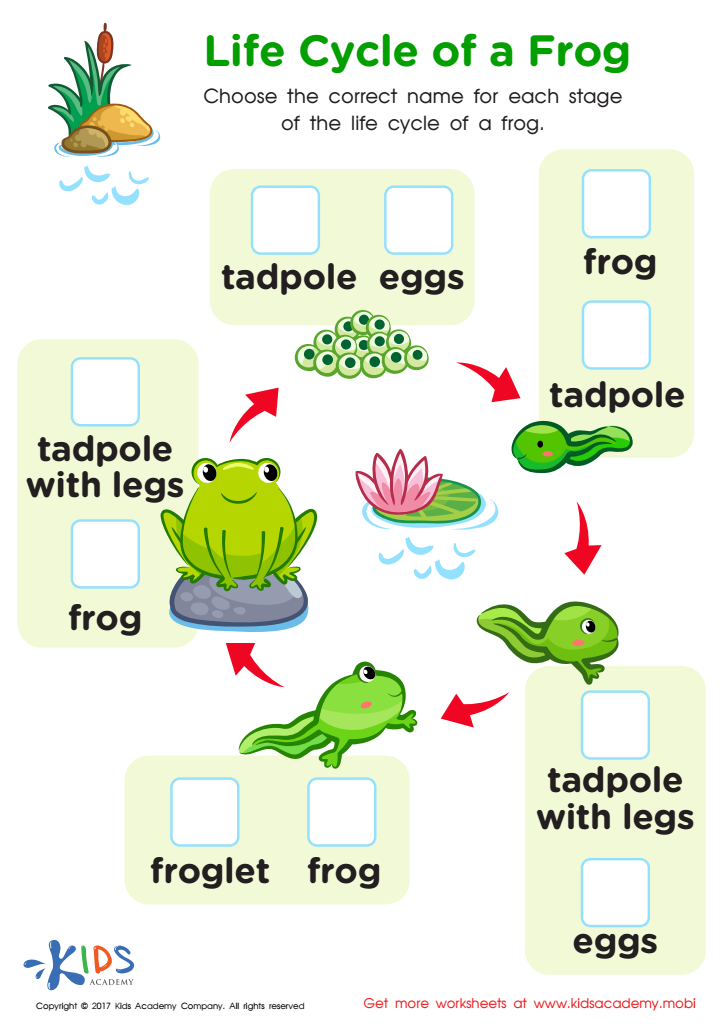
Life Cycle Frog Printable
Kids can explore the life cycle of frog with this fun worksheet! Draw lines from one stage to the next to follow the transformation from tadpole to frog and learn about the cycle of life.
Life Cycle Frog Printable
Worksheet
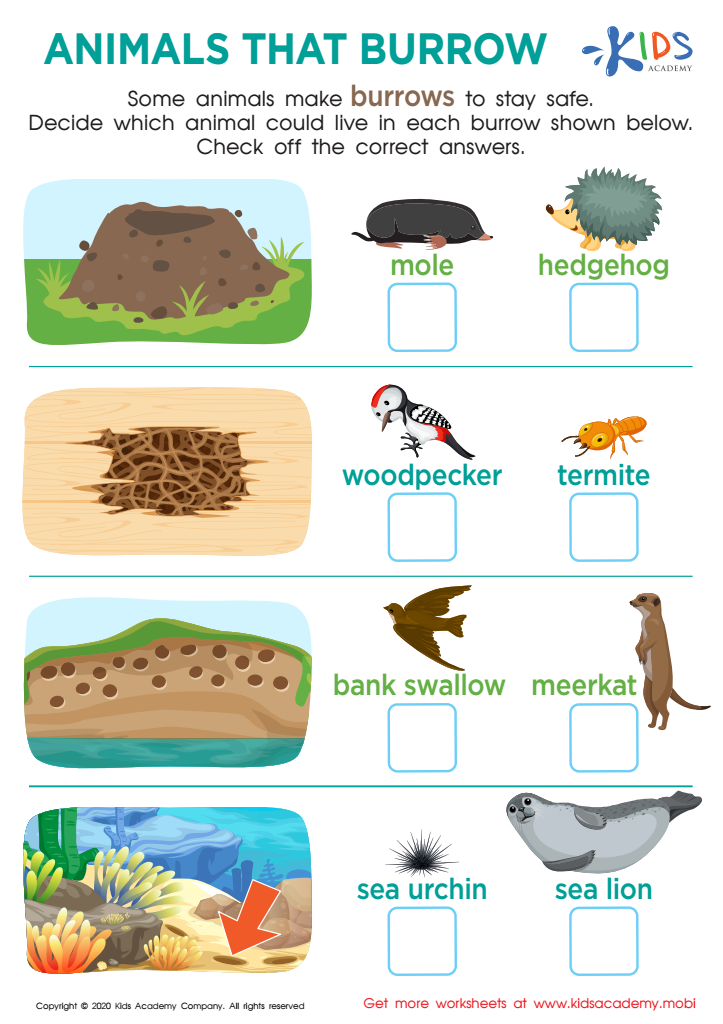
Animals That Burrow Worksheet
Teach your little one about animal protection with this Kids Academy PDF worksheet! Help them read the description of burrowing animals, then check off the pictures to discover which ones hide in holes. It's an exciting way to learn about the fascinating ways animals keep themselves safe from predators.
Animals That Burrow Worksheet
Worksheet
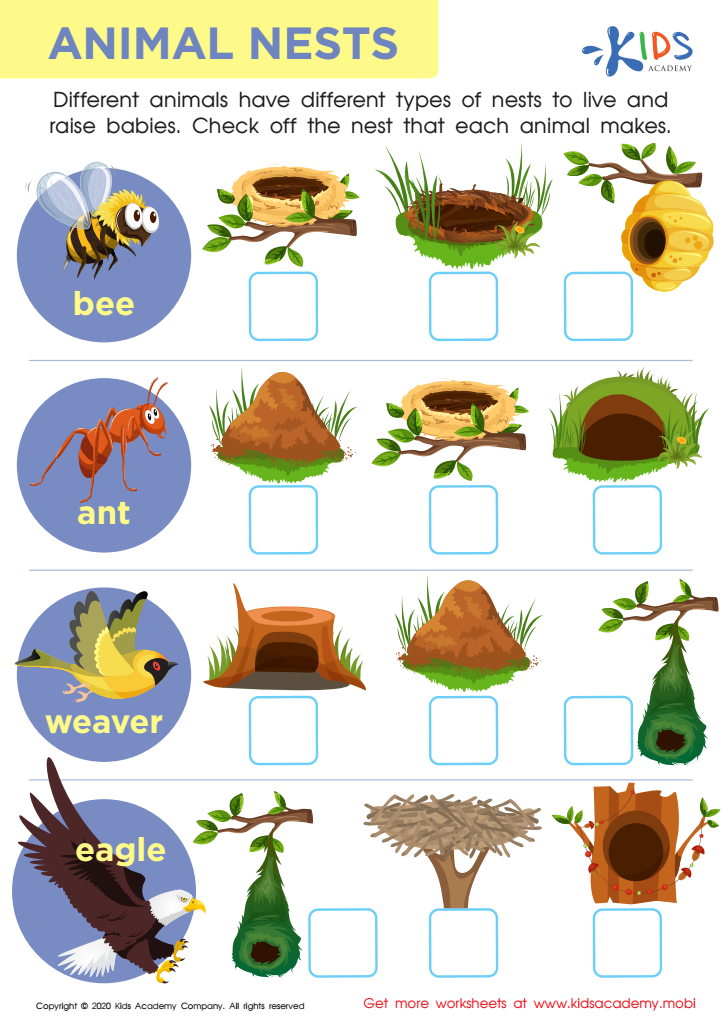
Animal Nests Worksheet
Animals need homes to sleep and stay safe. Look at the animal on the left and examine the nests and hives to the right. Check off the correct one for each animal to complete the worksheet! From birds to bees, it's a great way to show different types of homes animals make!
Animal Nests Worksheet
Worksheet
Join Kids Academy for Free
Who is primarily going to use this learning content?








Vocabulary enhancement for children aged 6-9, particularly through the theme of animals, is crucial for several reasons. First, vocabulary development is essential for reading comprehension and overall literacy skills. At this age, children are increasingly exposed to diverse texts—both fiction and nonfiction—that often feature animals as central themes. By expanding their animal-related vocabulary, children can better understand stories, engage with educational materials about wildlife, and communicate their thoughts more effectively.
Moreover, learning about animals presents an opportunity to introduce scientific concepts and foster curiosity about nature. When children learn specific terms related to different species, habitats, and ecosystems, they not only enhance their language skills but also develop critical thinking and observation skills. This knowledge can spark an interest in biology and environmental science, careers that are increasingly important in today's world.
Additionally, discussions about animals can promote empathy, as children learn to appreciate and care for living beings. Incorporating animal vocabulary into lesson plans or discussions allows parents and teachers to nurture language skills while simultaneously bolstering emotional intelligence. Ultimately, investing in vocabulary development through engaging and relatable topics like animals supports holistic growth for young learners.








