Spelling Skills Grammar Worksheets for Ages 6-9
5 filtered results
-
From - To
Unlock your child's potential with our engaging Spelling Skills Grammar Worksheets, designed specifically for ages 6-9! These worksheets provide a fun and interactive way for young learners to enhance their spelling and grammar proficiency. They focus on essential skills, such as word recognition, phonetic awareness, and sentence structure, making learning enjoyable and effective. Packed with colorful illustrations and challenging exercises, these resources cater to various learning styles. Whether used at home or in the classroom, our worksheets are perfect for fostering a love of writing and helping children build confidence in their language abilities. Start your child's literacy journey today!
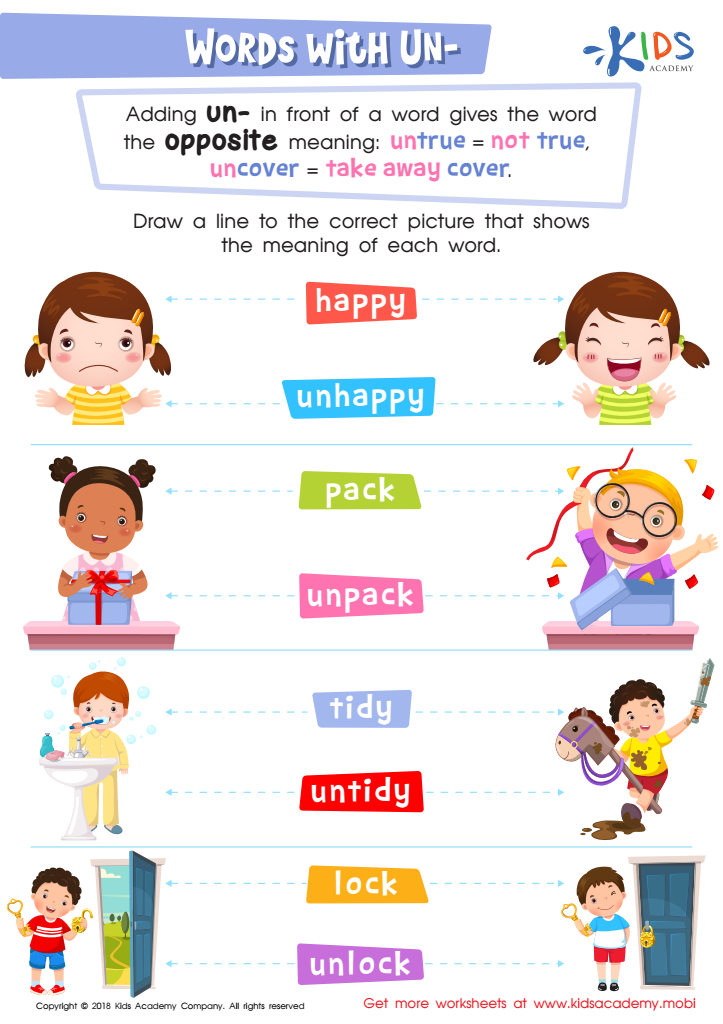
Words with Un– Worksheet
 Assign to My Students
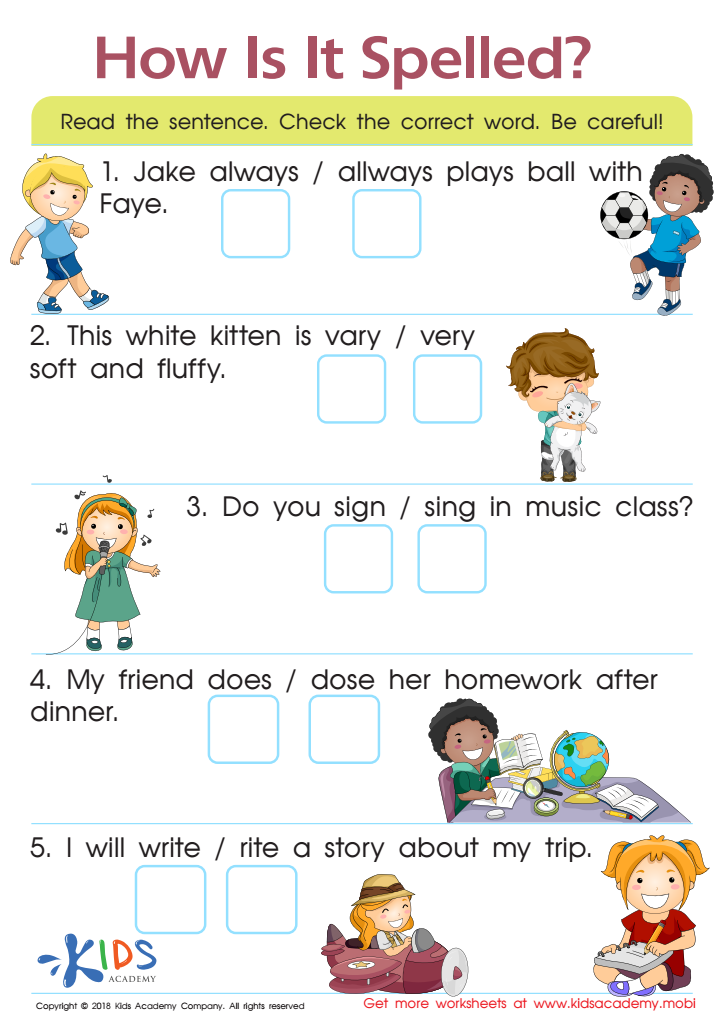
How is it spelled? Worksheet
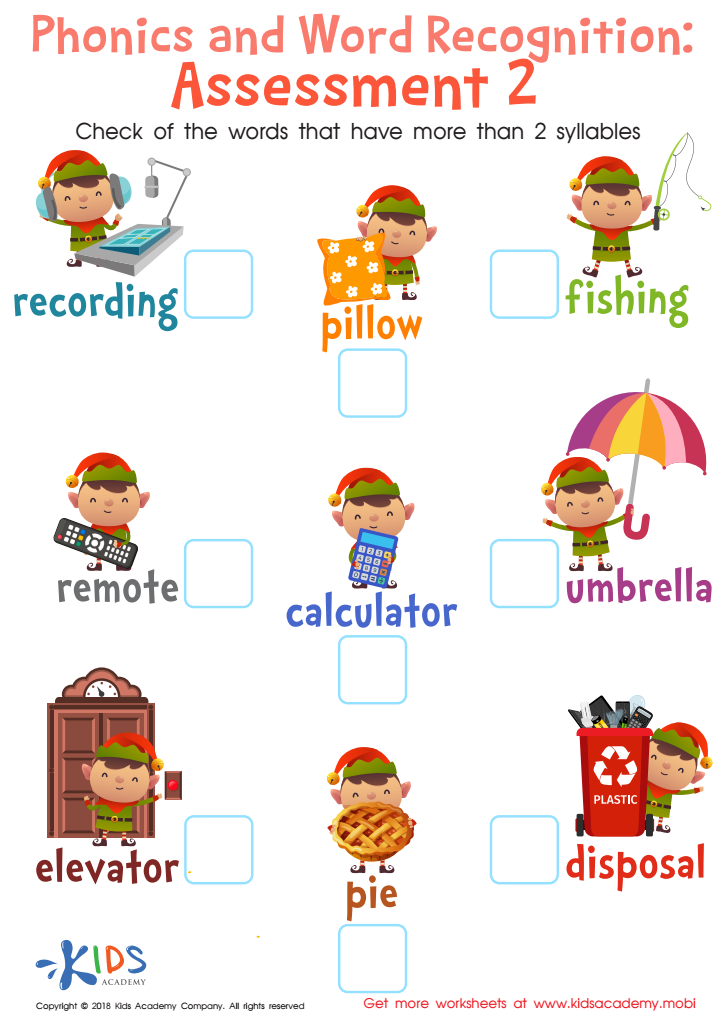
Phonics and Word Recognition: Assessment 2 Worksheet
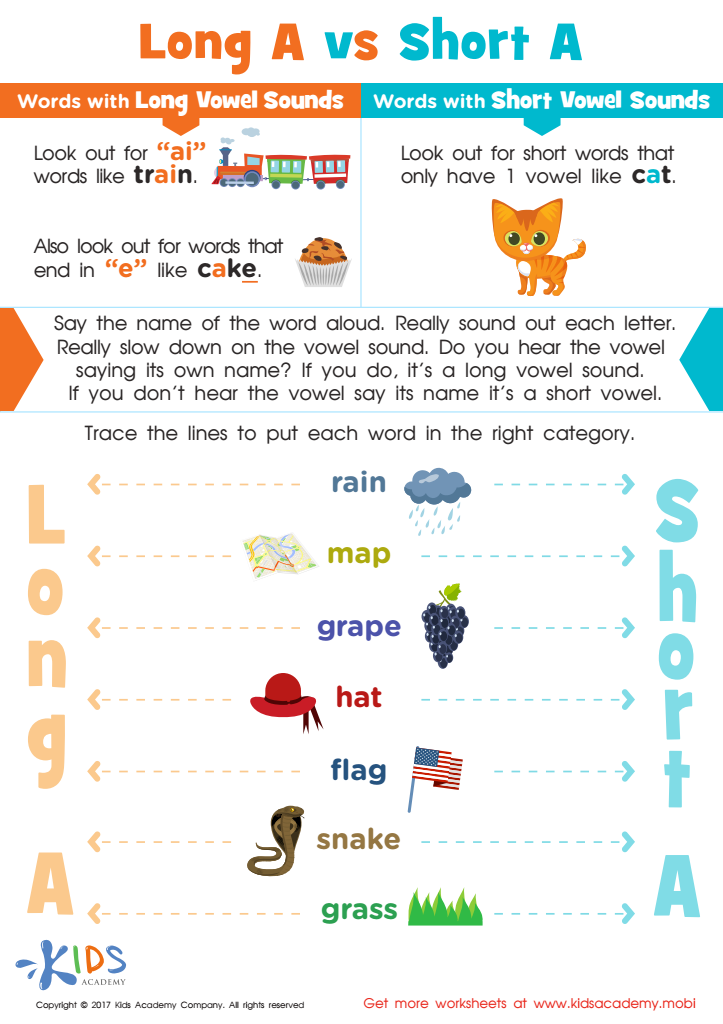
Long and Short Vowel A Spelling Worksheet
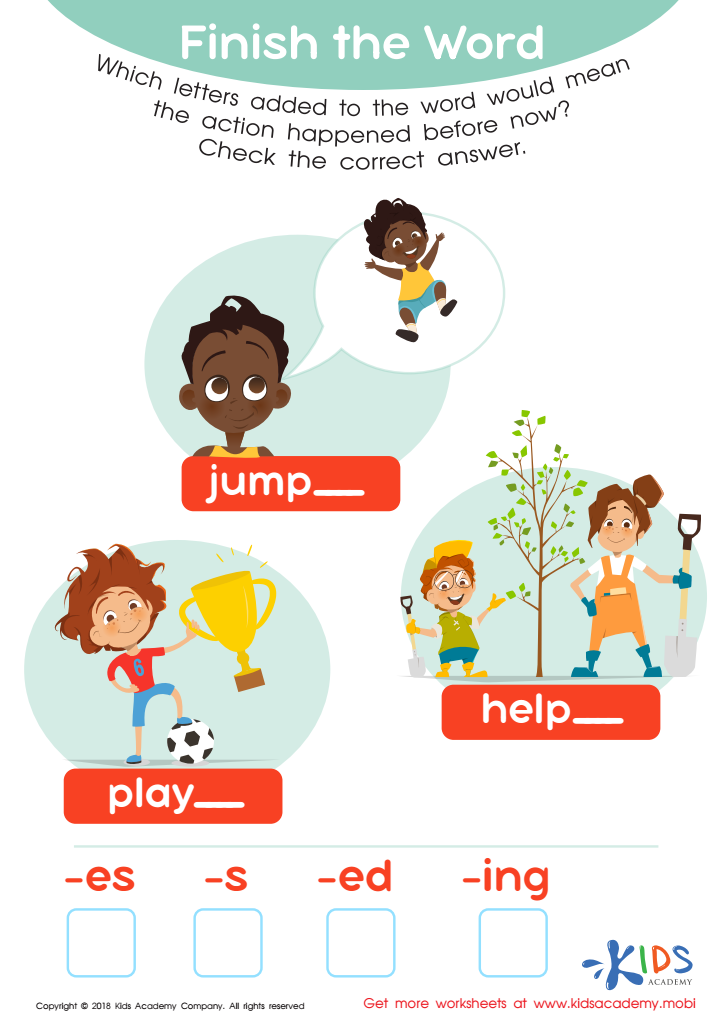
Finish the Word Worksheet






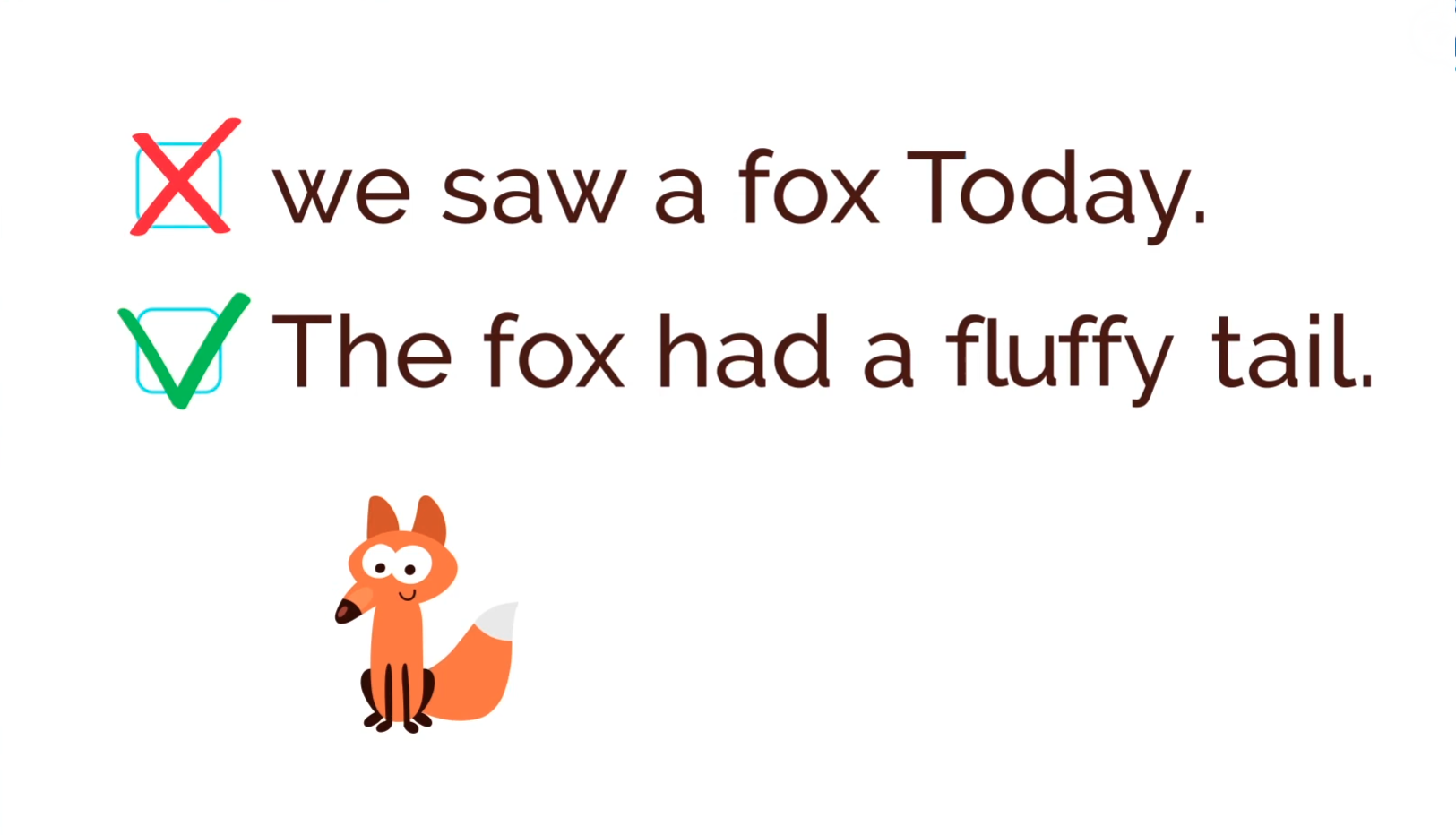

Spelling skills and grammar are fundamental components of early literacy, especially for children aged 6-9. At this developmental stage, children are honing their reading and writing abilities, laying the groundwork for effective communication. Parents and teachers should care about these skills because they significantly impact overall academic success and confidence in school.
Spelling helps children recognize word patterns, aiding in reading fluency and comprehension. When students have a strong grasp of spelling, they're more likely to engage with texts, enhancing their vocabulary and critical thinking skills. Grammar, on the other hand, provides the structural foundation for language, enabling children to construct coherent sentences and express their thoughts clearly. A solid understanding of grammar fosters better writing capabilities, crucial for standardized tests and future academic pursuits.
Moreover, proficiency in spelling and grammar contributes to self-esteem. Children who can write confidently are more willing to participate in class discussions and share their ideas. By focusing on these essential skills, parents and teachers not only prepare children for academic challenges but also build their communication abilities, enhancing social interactions and future success in various endeavors. Investing time and effort into developing these skills can yield lifelong benefits, nurturing informed, articulate individuals.








