Counting comprehension Worksheets for 6-Year-Olds
3 filtered results
-
From - To
Enhance your child's math skills with our Counting Comprehension Worksheets designed specifically for 6-year-olds! These engaging worksheets help young learners develop their counting abilities while fostering comprehension skills through fun activities. Your child will enjoy interactive exercises that include counting objects, comparing quantities, and solving simple math problems. Our resources encourage critical thinking and promote a deeper understanding of numbers in real-life contexts. With colorful illustrations and age-appropriate challenges, these worksheets are perfect for classroom use or at-home learning. Give your child the tools they need for a solid mathematical foundation and watch their confidence grow! Start counting fun today!
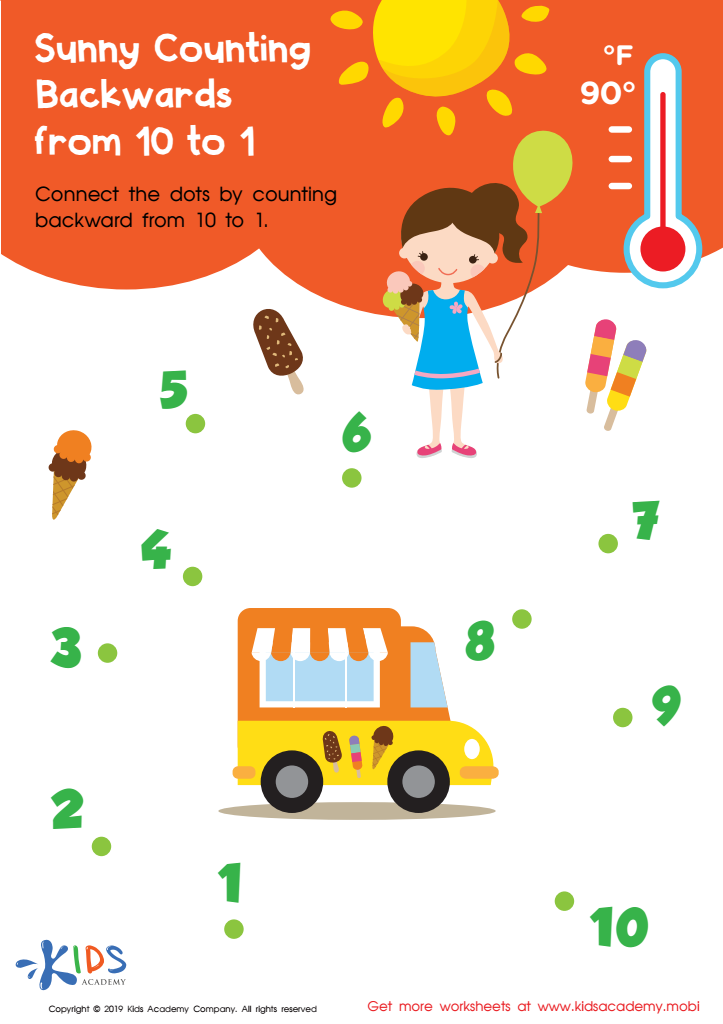
Sunny Counting Backwards from 10 to 1 Worksheet
 Assign to My Students
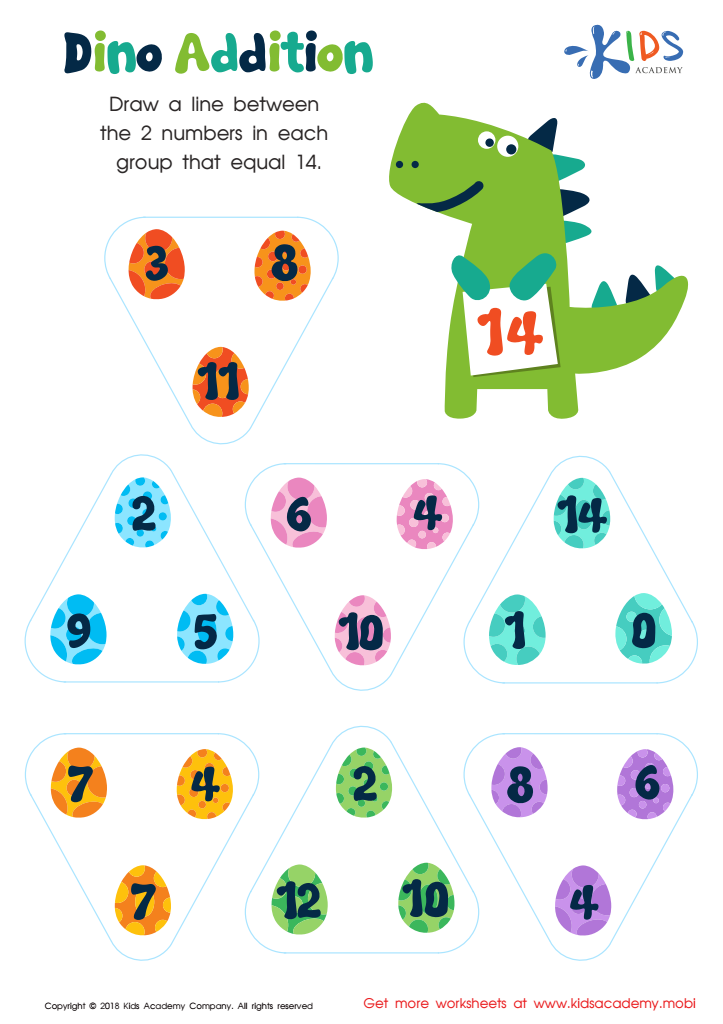
Dino Addition Worksheet
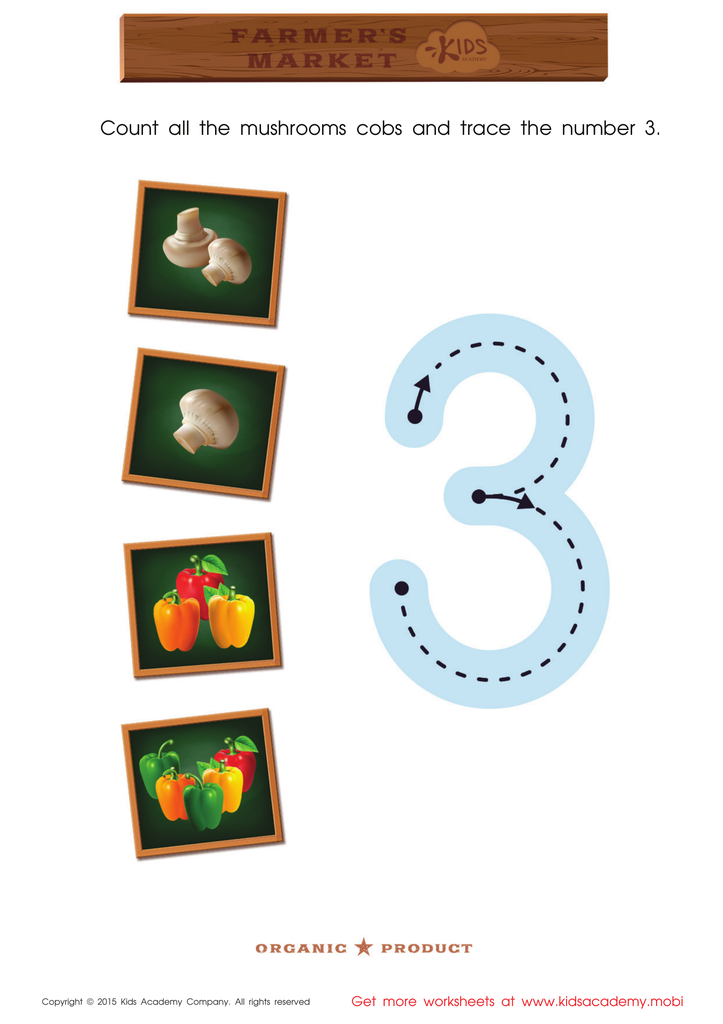
Count the Mushrooms and Trace the Number 3 Printable


.jpg)




Counting comprehension is crucial for 6-year-olds as it serves as a foundational skill for their future mathematical abilities. At this age, children begin to transition from simple rote counting to understanding numbers more meaningfully. This comprehension encompasses the ability to not only count objects but also relate quantities to numerical values, recognize patterns, and perform basic arithmetic operations.
Parents and teachers should care about developing counting comprehension in young children because it fosters critical thinking skills. When children understand counting, they learn the importance of numbers in daily life situations, such as sharing, measuring, or creating order. This foundational understanding enhances their ability to solve problems and reinforces concepts in other subjects, including science and reading.
Furthermore, early mastery of counting lays the groundwork for more complex math concepts, such as addition and subtraction, which they will encounter in later grades. Early positive experiences with math can significantly influence a child's confidence and attitude towards the subject—to encourage a lifelong love for learning.
Ultimately, focusing on counting comprehension benefits not only academic success but also strengthens parent-child and teacher-student relationships by engaging learners in interactive and enjoyable learning experiences.








