Developing logical thinking Worksheets for 6-Year-Olds
4 filtered results
-
From - To
Nurture your child's budding intellect with our "Developing Logical Thinking Worksheets for 6-Year-Olds." Designed by experienced educators, these engaging and interactive worksheets help young minds think critically and solve problems effectively. Packed with fun activities and colorful illustrations, each worksheet promotes cognitive development, enhances reasoning abilities, and stimulates curiosity. Perfect for both classroom use and at-home learning, our worksheets provide a structured and enjoyable way for children to embark on their educational journey. Empower your 6-year-old with essential skills for academic success through our thoughtfully crafted learning materials. Start your child's path to excellence today!
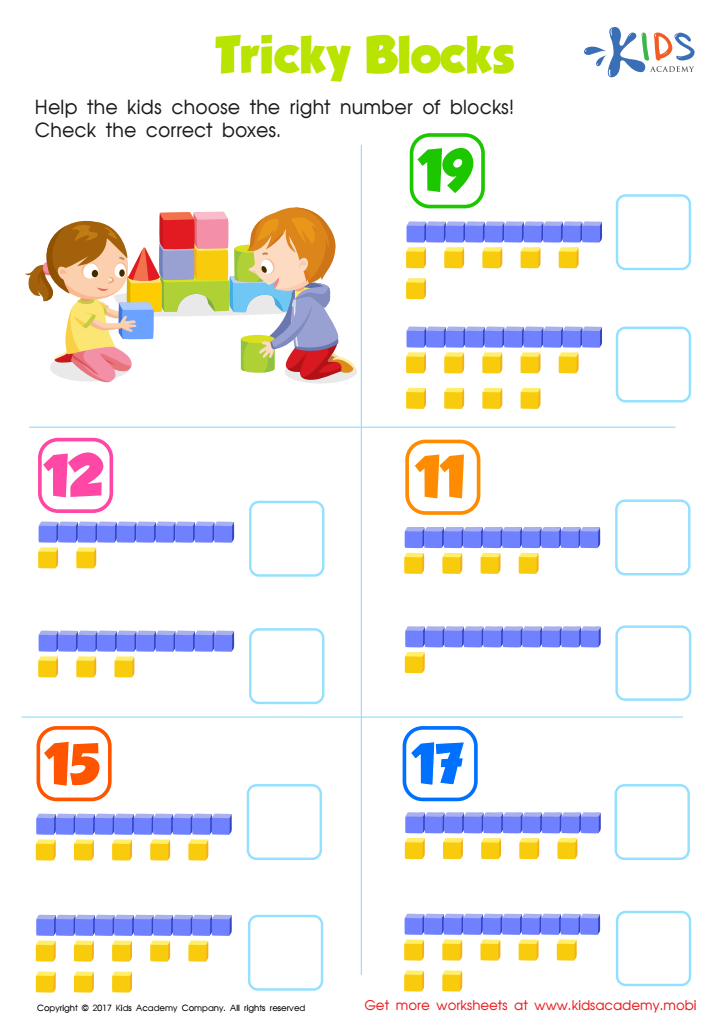
Tricky Blocks Worksheet
 Assign to My Students
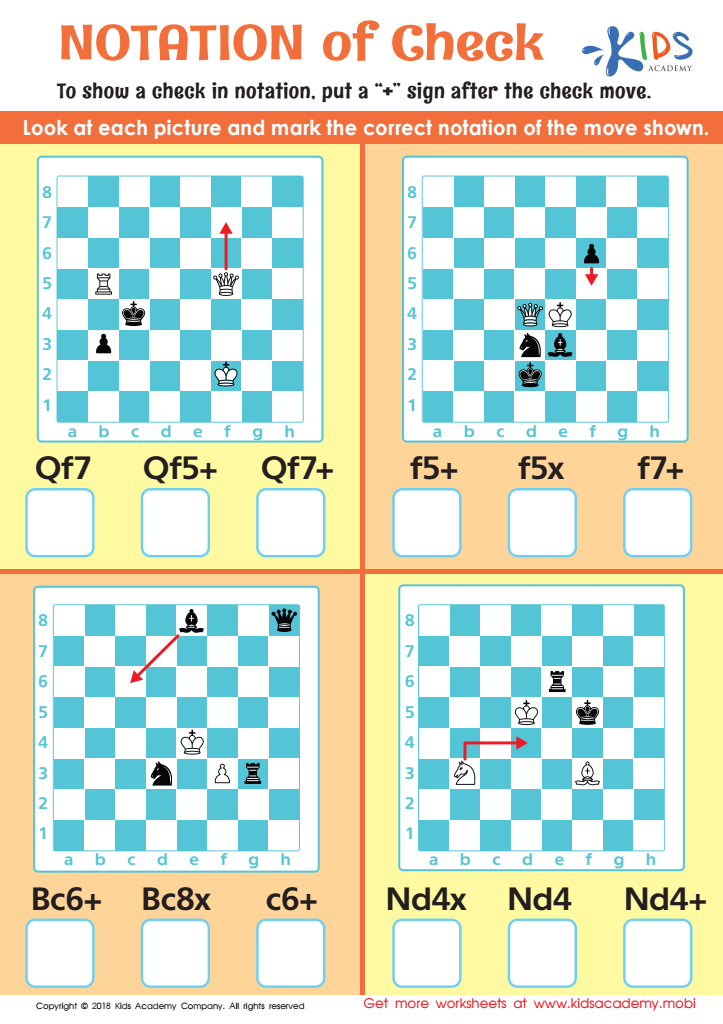
Notation of Check Worksheet
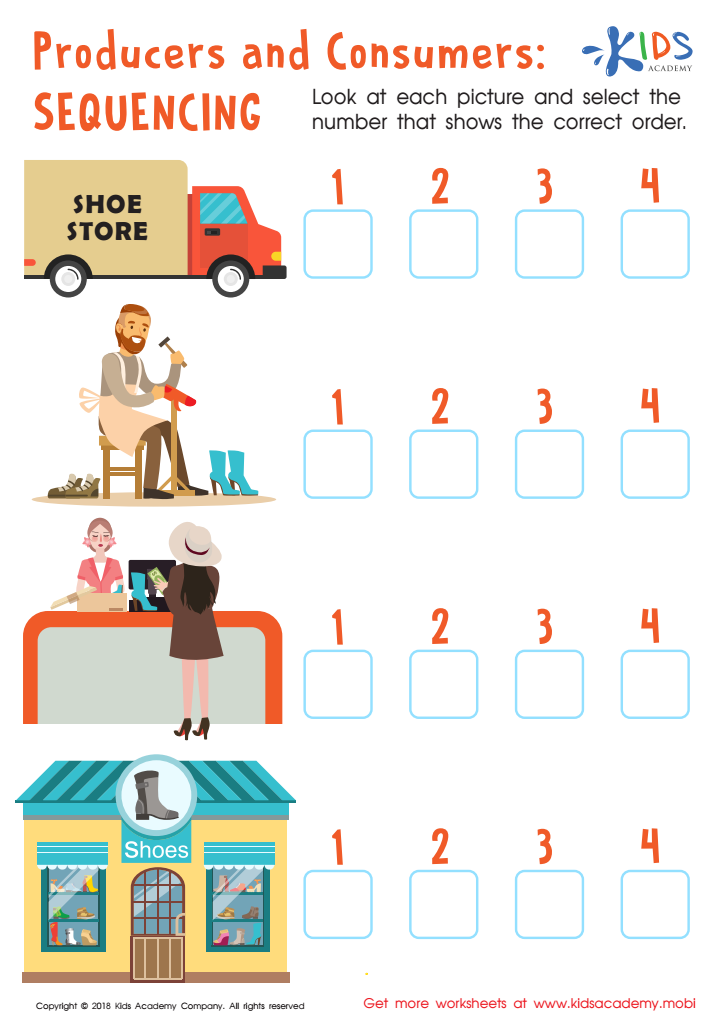
Producers and Consumers: Sequencing Worksheet
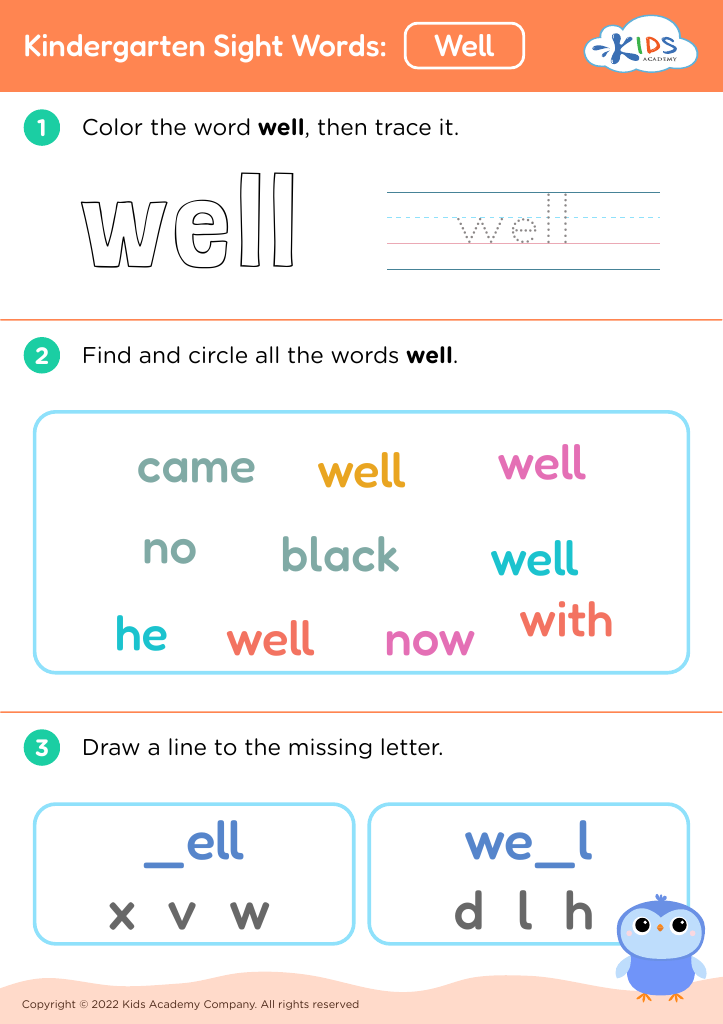








Developing logical thinking in 6-year-olds is essential because it forms the cornerstone of their cognitive development and educational success. Logical thinking enables children to make sense of the world around them, solve problems, and make informed decisions. At this age, kids transition from concrete thinking to more abstract reasoning, and fostering logical skills helps smooth this transition.
For parents and teachers, focusing on logical thinking can enhance a child's academic performance, particularly in subjects like math and science, which require analytical skills. Beyond academics, it helps children understand cause-and-effect relationships, develop better decision-making skills, and improve their ability to follow instructions.
Encouraging logical thinking early on also supports emotional and social growth. Children learn to approach conflicts with reason rather than impulsiveness, improving their interpersonal relationships. Activities like puzzles, strategy games, and asking open-ended questions can be effective strategies for nurturing these skills.
Ultimately, developing logical thinking equips children with essential life skills that benefit them in all areas of their lives, from school to social settings to future workplaces. Therefore, a focused effort to cultivate these skills at a young age offers long-term benefits and sets a strong foundation for lifelong learning and adaptability.








