Math skills improvement Worksheets for 6-Year-Olds
5 filtered results
-
From - To
Discover our engaging Math Skills Improvement Worksheets designed specifically for 6-year-olds! These dynamic resources provide a fun and interactive way for young learners to enhance their mathematical abilities. Our worksheets cover essential concepts such as addition, subtraction, number recognition, and basic problem-solving skills. Each activity is tailored to spark curiosity and boost confidence, making math an enjoyable experience. Ideal for teachers, parents, or tutors, these worksheets facilitate skill reinforcement and independent learning. Join us in fostering a love for math and laying a strong foundation for future academic success. Explore our collection and watch your child thrive in their math journey!
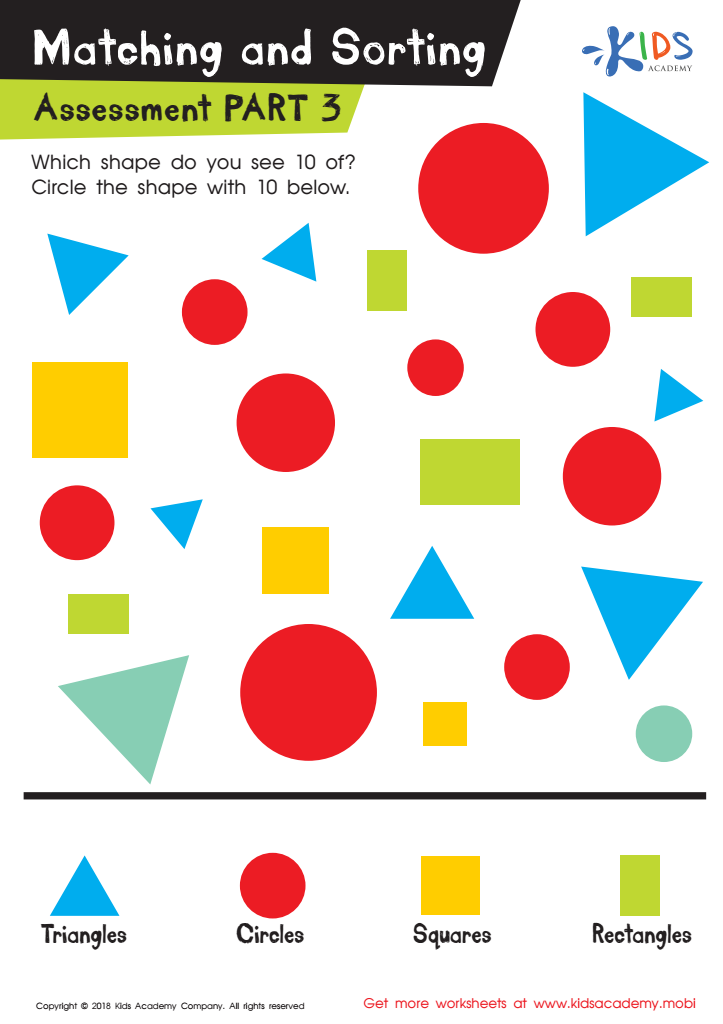
Matching and Sorting for Kindergarten: Assessment 3 Worksheet
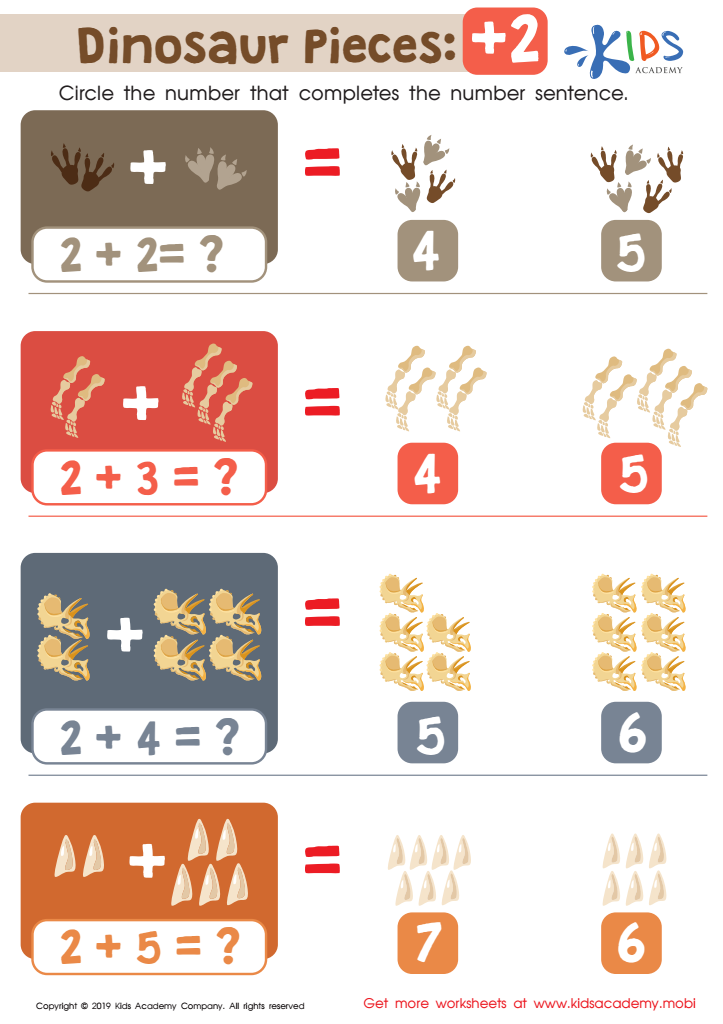
Dinosaur Pieces: +2 Worksheet
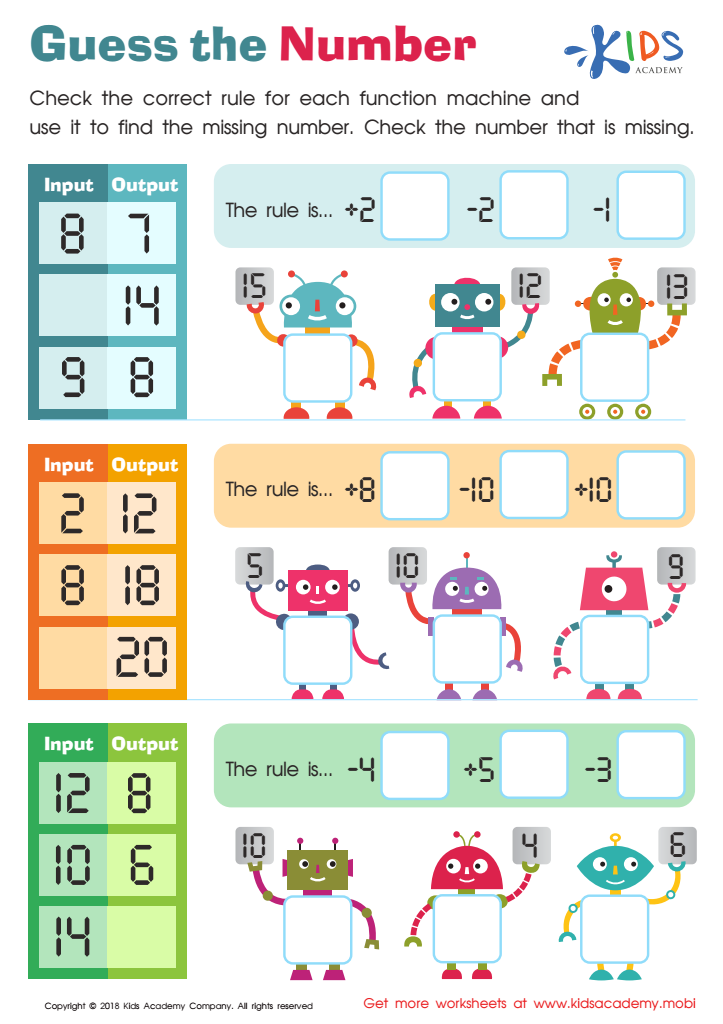
Guess the Number Worksheet
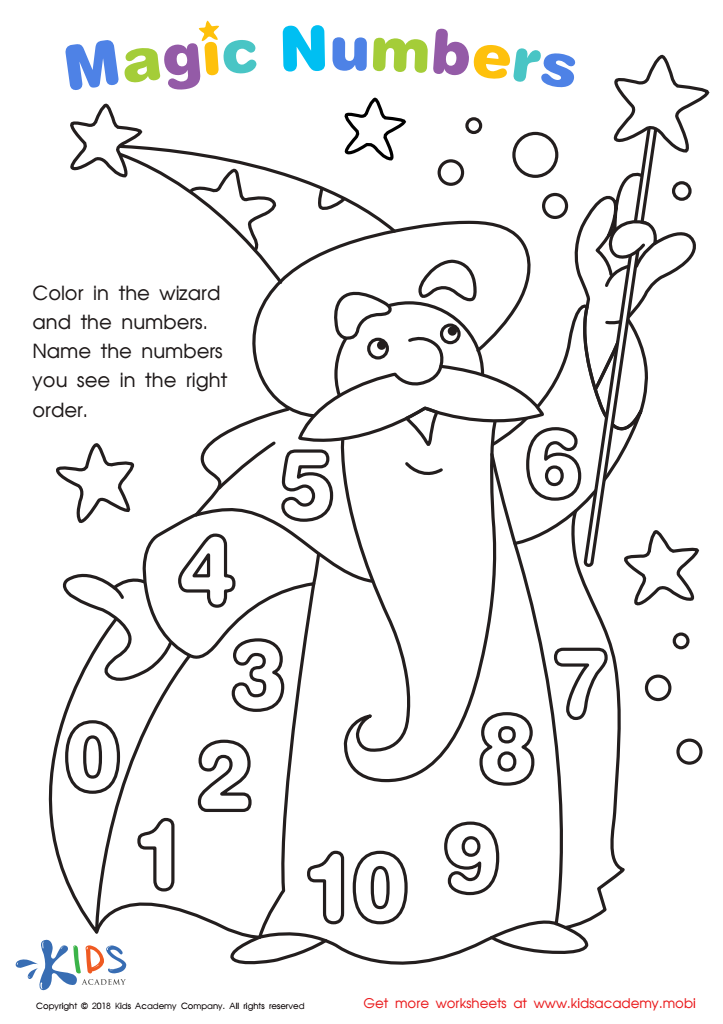
Magic Numbers Worksheet
 Assign to My Students







Parents and teachers should prioritize math skills improvement for 6-year-olds because foundational math abilities are crucial for future academic success and everyday problem-solving. At this age, children are naturally curious and eager to engage in learning, making it an ideal time to introduce mathematical concepts in a fun and interactive manner. Developing math skills enhances critical thinking and logical reasoning, which are essential not only in mathematics but also in other subjects and life situations.
Moreover, strong math skills contribute to a child's confidence and self-esteem. When children grasp mathematical concepts early, they develop a positive attitude towards learning, which can carry over into other academic areas. Additionally, math often builds on itself—a strong foundation allows for easier comprehension of more complex concepts later.
Engaging children in mathematical activities also fosters communication and collaboration, whether through games, group projects, or discussions. Encouraging parents and teachers to work together in facilitating math learning creates a supportive environment that nurtures a love for mathematics. Ultimately, improving math skills at this age sets the stage for lifelong learning and prepares children for a world where numerical literacy is increasingly important. Investing in these skills now will benefit the child's future educational endeavours and personal development.








