Object identification Worksheets for 6-Year-Olds
4 filtered results
-
From - To
Explore our engaging Object Identification Worksheets designed specifically for 6-year-olds! These worksheets promote early learning by helping children recognize and name different objects in their environment. Through fun and interactive activities, kids will enhance their vocabulary, improve critical thinking skills, and boost their observational abilities. Perfect for at-home practice or classroom settings, our resources integrate colorful illustrations and age-appropriate tasks to keep young learners motivated. Encourage your child's cognitive development and foster a love for learning with our carefully crafted worksheets. Dive into a world of discovery and watch your child thrive as they master the art of identification!
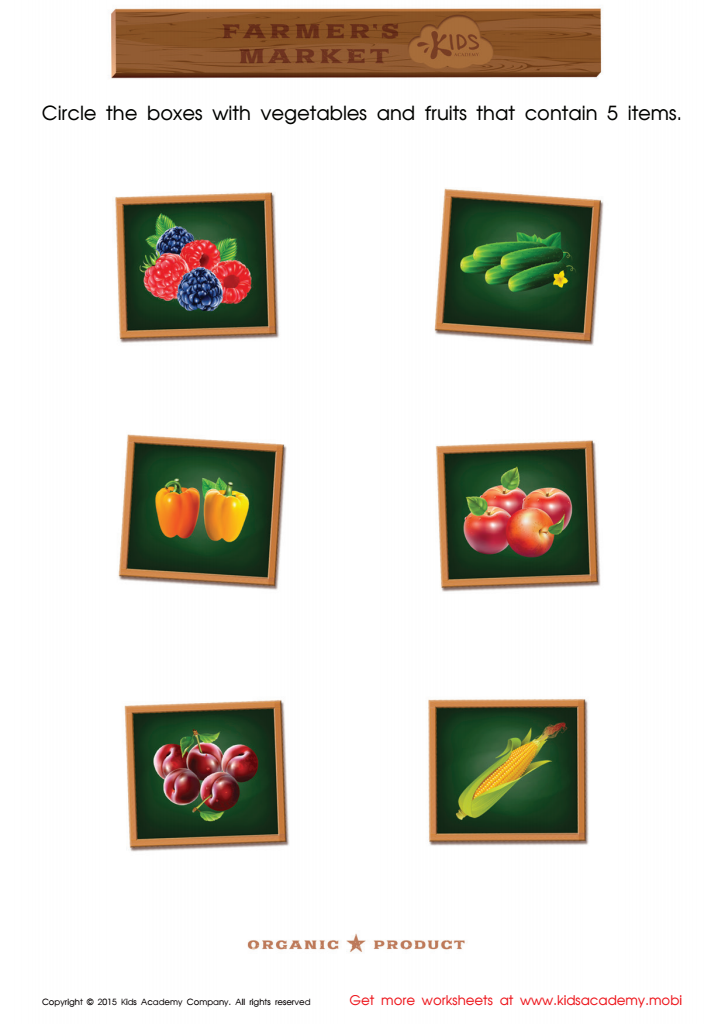
Count and Match Vegetables 1 – 7 Math Worksheet
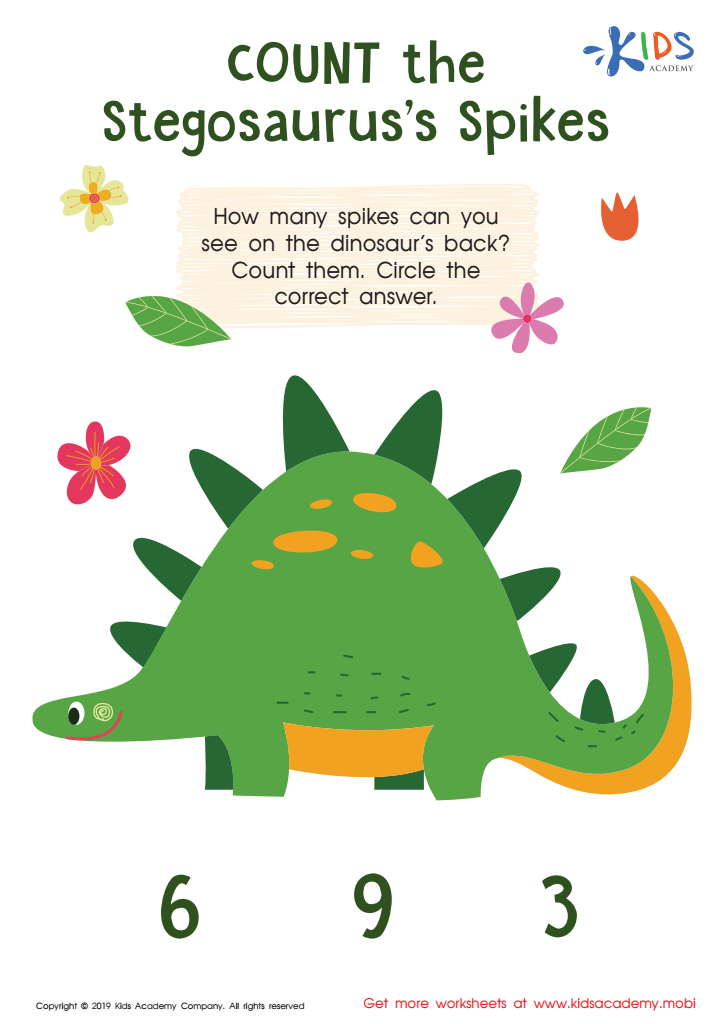
Count the Stegosaurus's Spikes Worksheet
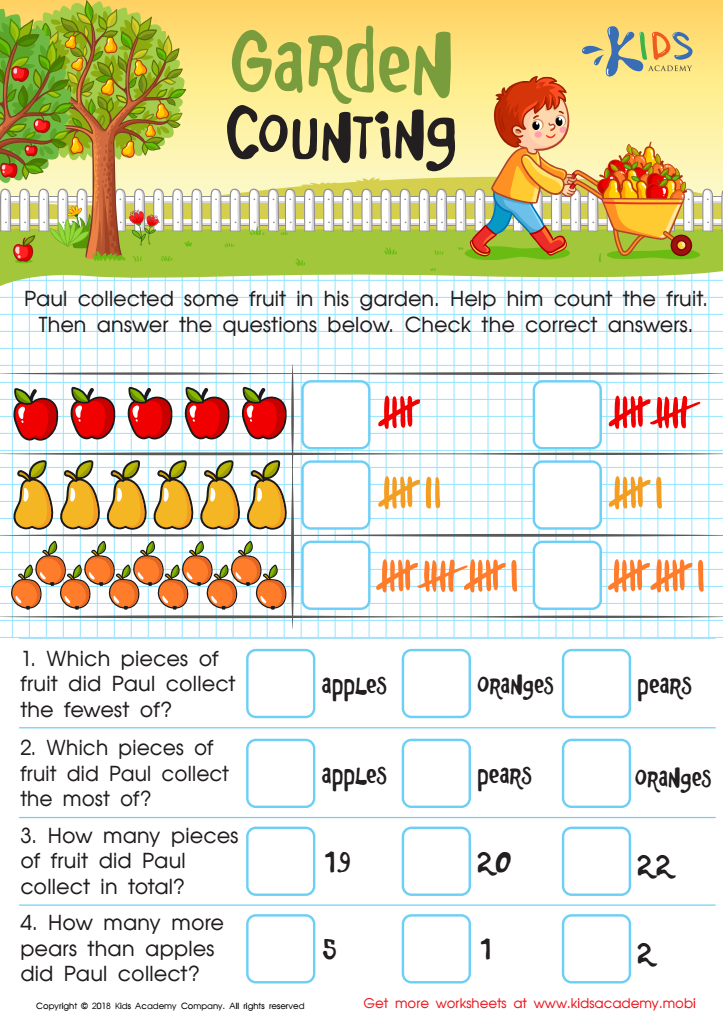
Garden Counting Worksheet
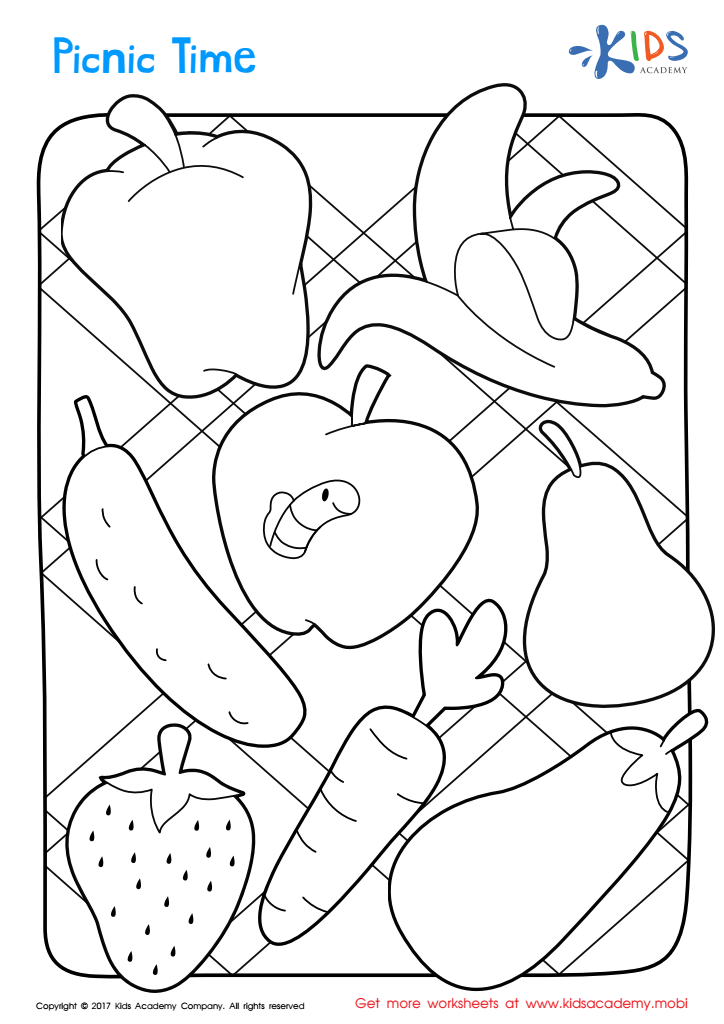
Picnic Time Coloring Page
 Assign to My Students






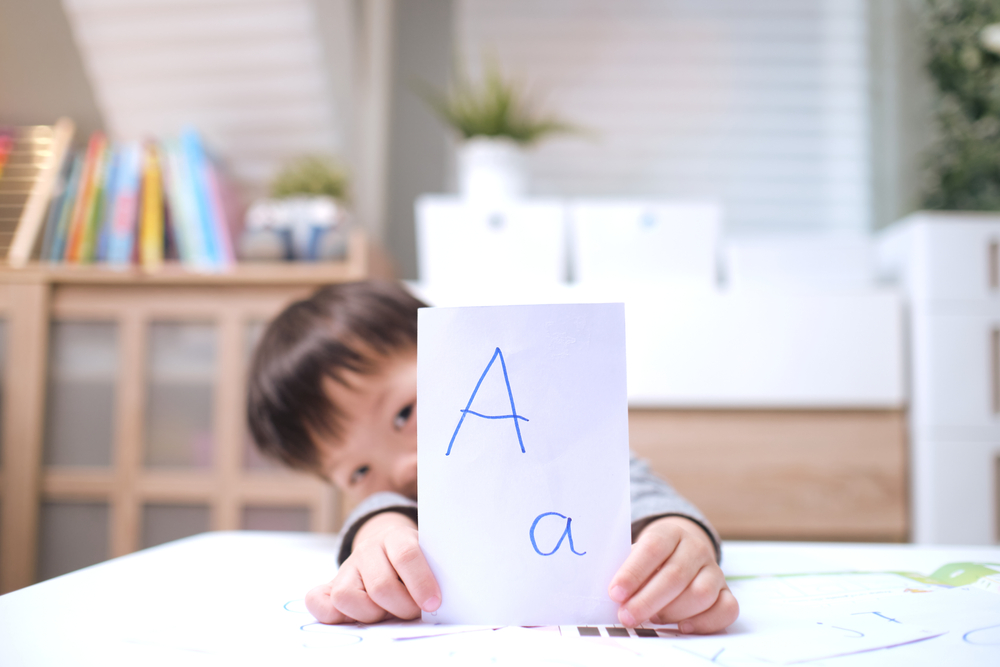

Object identification is a crucial skill for 6-year-olds as it lays the foundation for cognitive development, language acquisition, and problem-solving abilities. At this age, children are naturally curious and eager to understand the world around them. Encouraging them to identify objects not only boosts their vocabulary but also enhances their observational skills and attention to detail.
When parents and teachers engage children in object identification activities—whether through play, exploration, or structured lessons—they help foster critical thinking. Knowing names, shapes, colors, and functions of various objects aids in recognizing patterns and relationships, skills vital for mathematics and science later on. Additionally, object identification promotes social skills; for instance, discussing objects during group activities encourages communication and collaboration among peers.
Moreover, early proficiency in this area correlates with better academic performance as children transition to the school curriculum that increasingly demands analytical and reasoning skills. Parents and teachers play an essential role in reinforcing this knowledge during everyday activities such as shopping, cooking, or outdoor play. By emphasizing object identification, they empower children to be active learners, laying the groundwork for lifelong curiosity and a love of learning. Investing time in this skill’s development can yield significant benefits throughout a child's educational journey.








