Observation skills Worksheets for 6-Year-Olds
8 filtered results
-
From - To
Enhance your child’s learning with our engaging Observation Skills Worksheets designed for 6-year-olds! These carefully crafted activities encourage young learners to sharpen their observational abilities while having fun. By completing interactive tasks, children will improve their attention to detail, critical thinking, and communication skills. Our worksheets include various formats, from matching games to drawing exercises, all aimed at boosting cognitive development and fostering curiosity. Ideal for both home and classroom settings, our resources will ignite your child's enthusiasm for learning. Explore our Observation Skills Worksheets today and watch your child's confidence and skills grow!
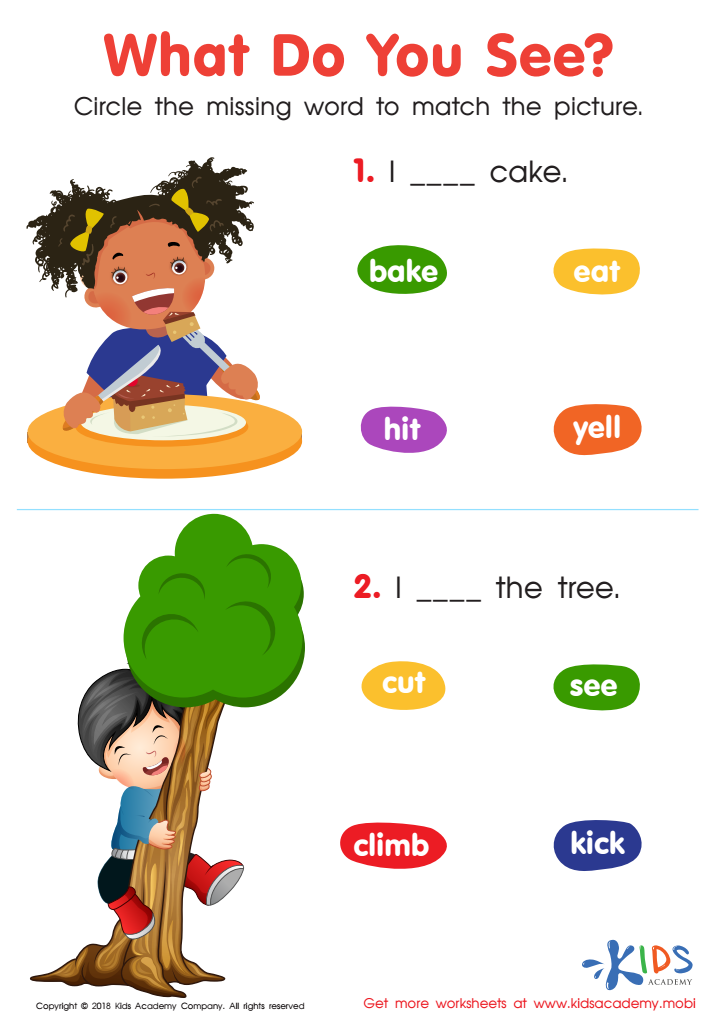
What Do You See? Reading Worksheet
 Assign to My Students
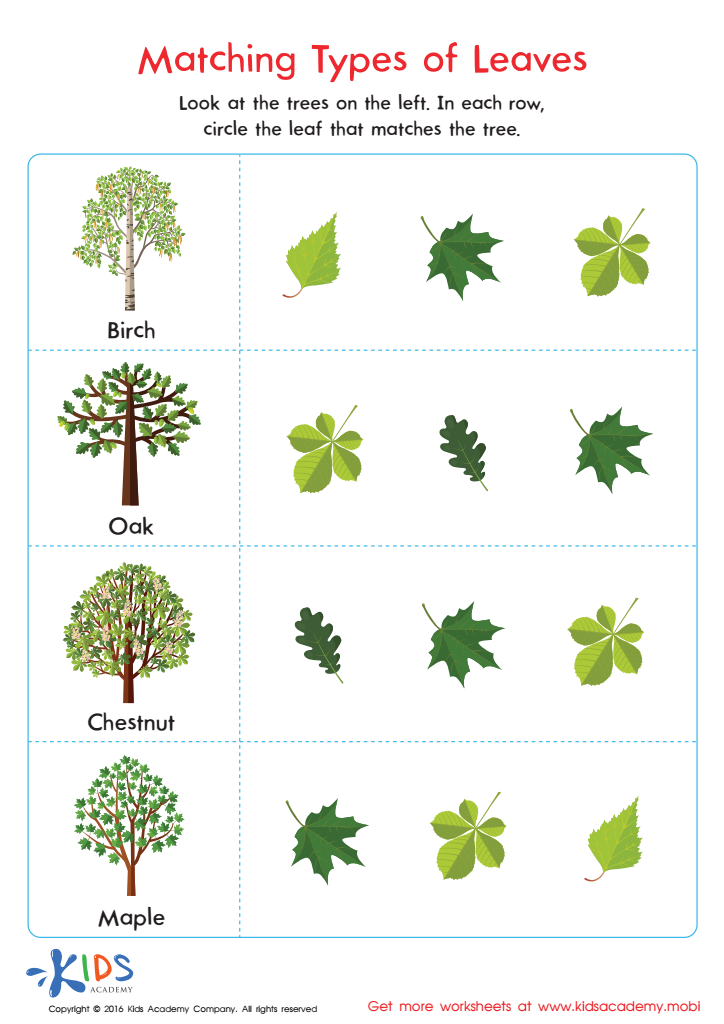
Matching Types of Leaves Printable
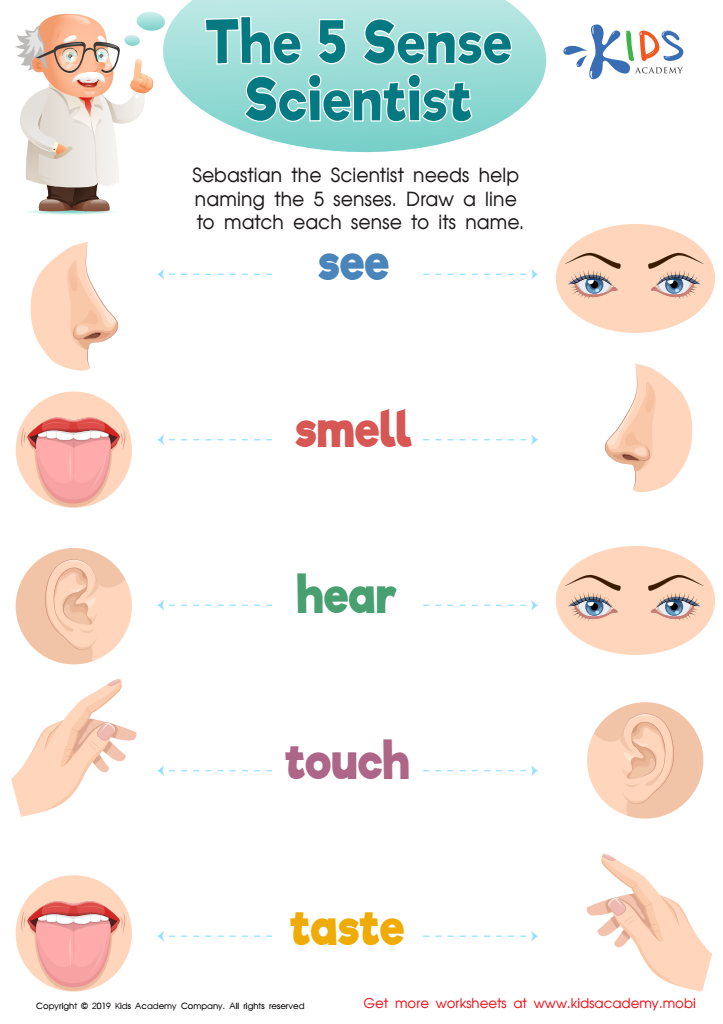
The 5 Sense Scientist Worksheet
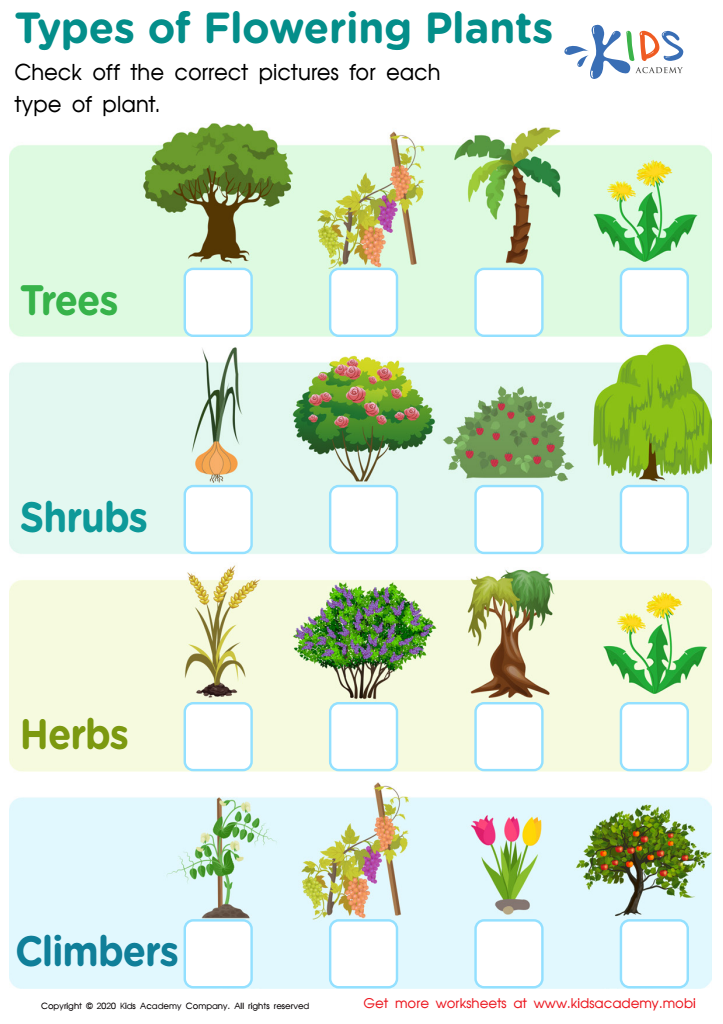
Types of Flowering Plants Worksheet
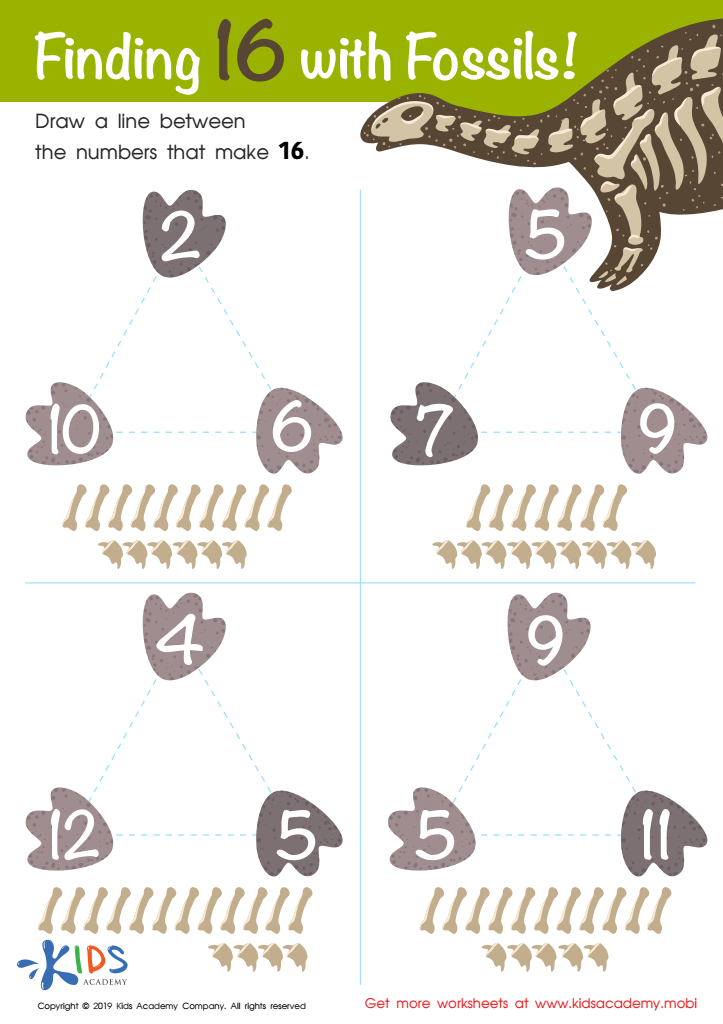
Finding 16 With Fossils Worksheet
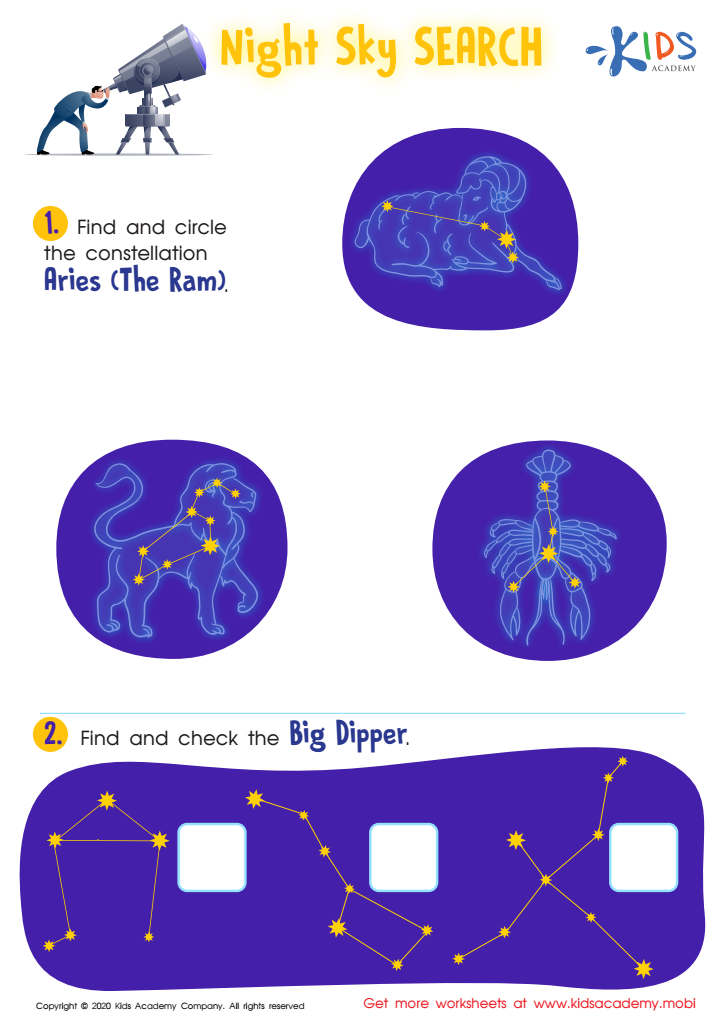
Night Sky Search Worksheet
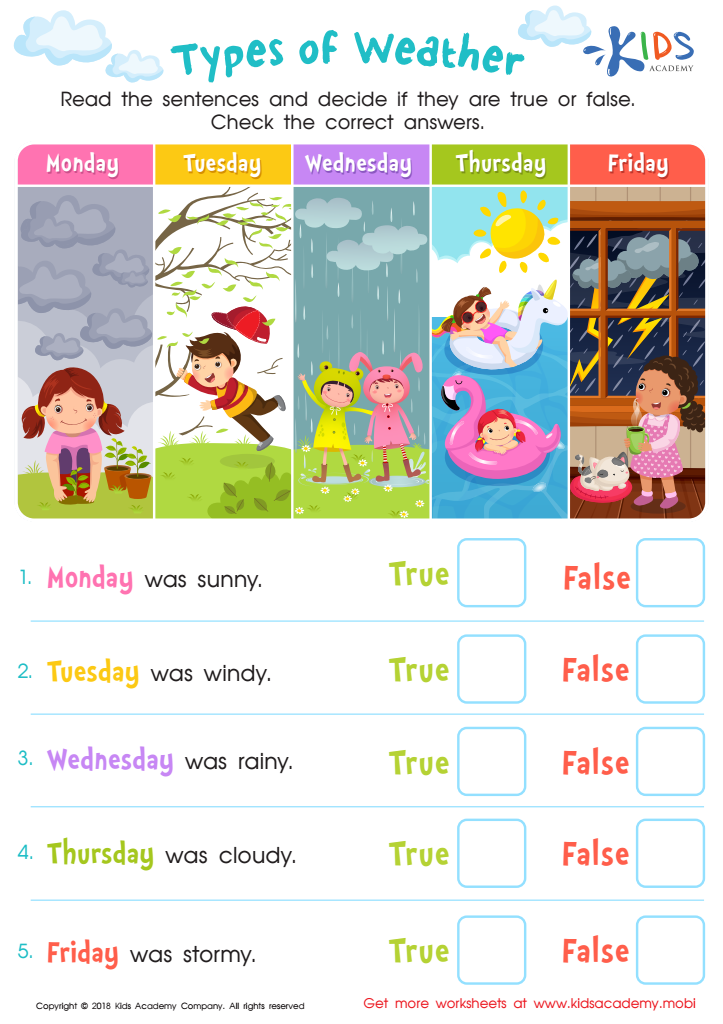
Types of Weather Worksheet
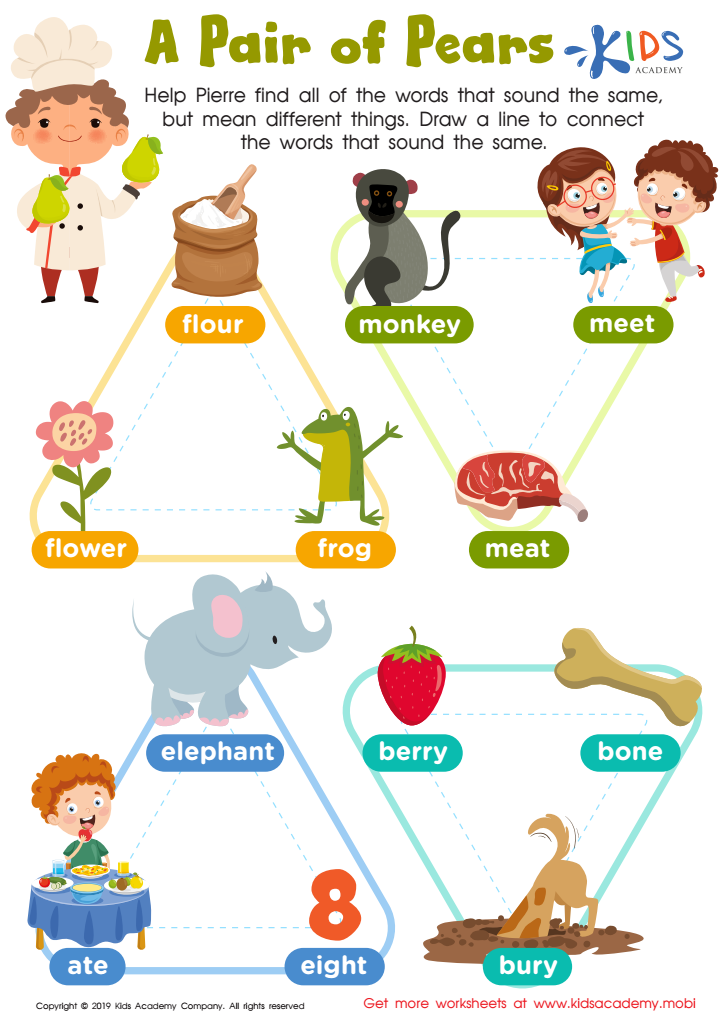
Pair Pears Worksheet


.jpg)


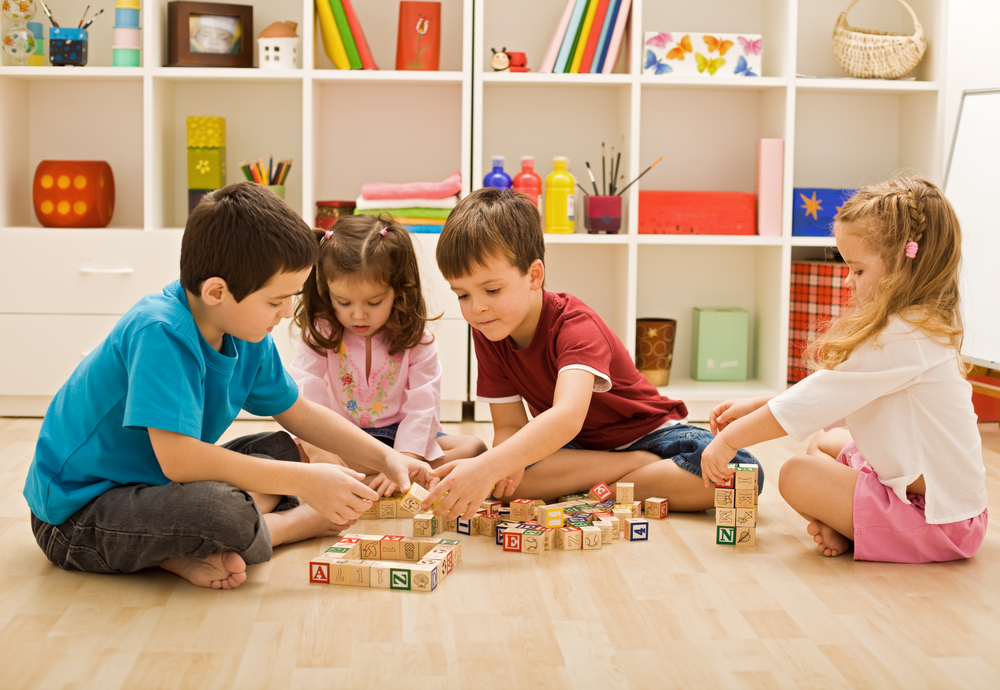

Observation skills are essential for 6-year-olds as they form the foundation for learning and cognition. At this developmental stage, children are naturally curious and eager to explore their surroundings. By honing observation skills, parents and teachers enable them to notice details, ask questions, and engage with their environment more meaningfully. Enhanced observation skills foster critical thinking, as children learn to analyze situations, draw conclusions, and make connections between concepts.
Moreover, strong observation abilities can improve academic achievement. For instance, recognizing patterns in math, observing changes in scientific experiments, and understanding characters in stories all stem from the ability to observe closely. Teachers can incorporate observational activities, such as nature walks or interactive reading sessions, to nurture these skills in the classroom.
Socially and emotionally, observation skills allow children to read social cues, understand perspectives, and empathize with others, laying the groundwork for healthy interpersonal relationships. Encouraging children to articulate what they observe not only reinforces language development but also builds confidence in expressing ideas.
In summary, fostering observation skills in 6-year-olds equips them for academic success, enhances social interactions, and cultivates a lifelong love for learning, making it an essential focus for both parents and educators.








