Visual recognition Worksheets for 6-Year-Olds
6 filtered results
-
From - To
Enhance your 6-year-old’s visual recognition skills with our engaging worksheets designed to make learning fun! These printable activities are tailored to help young learners identify shapes, colors, and patterns while improving their observation abilities. Each worksheet includes interactive exercises that stimulate cognitive development and creativity. Perfect for at-home practice or classroom use, our visual recognition worksheets encourage kids to explore and comprehend their surroundings. Watch as your child gains confidence and sharpens their ability to recognize visual elements in everyday life. Dive into a world of colorful learning and unlock your child’s potential with our specially crafted resources today!
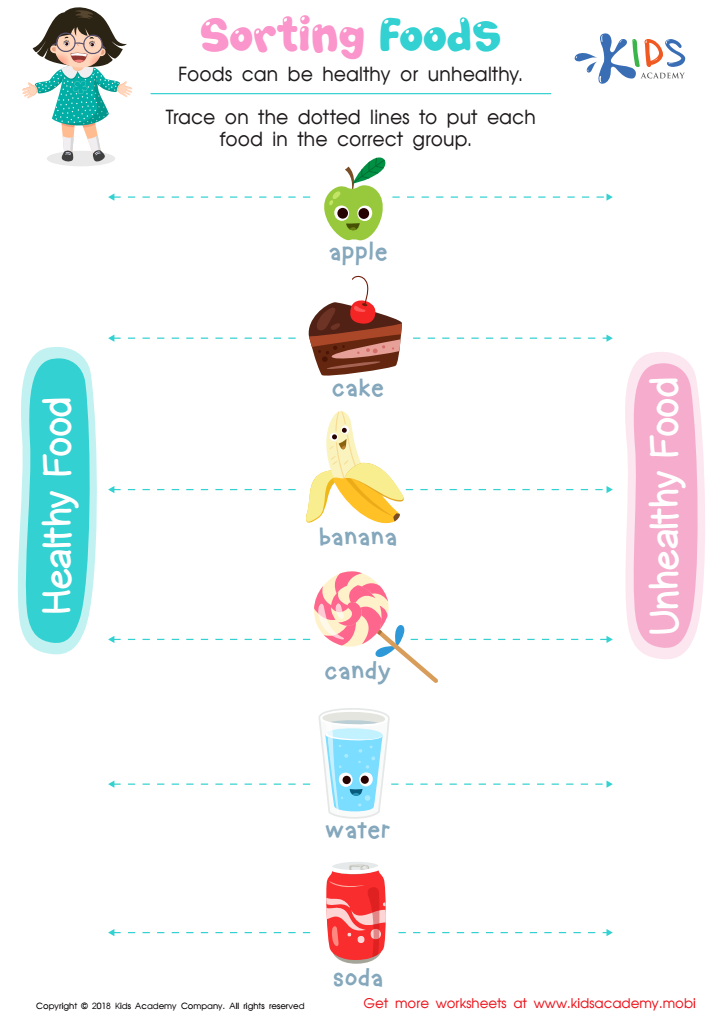
Sorting Food Worksheet
 Assign to My Students
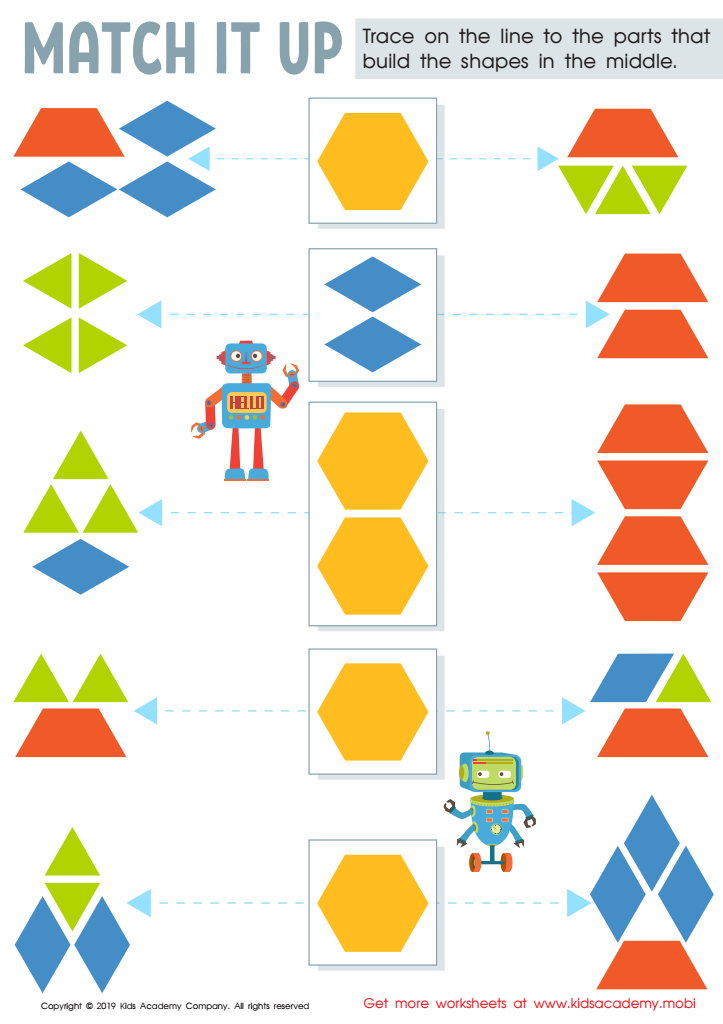
Match It up Worksheet
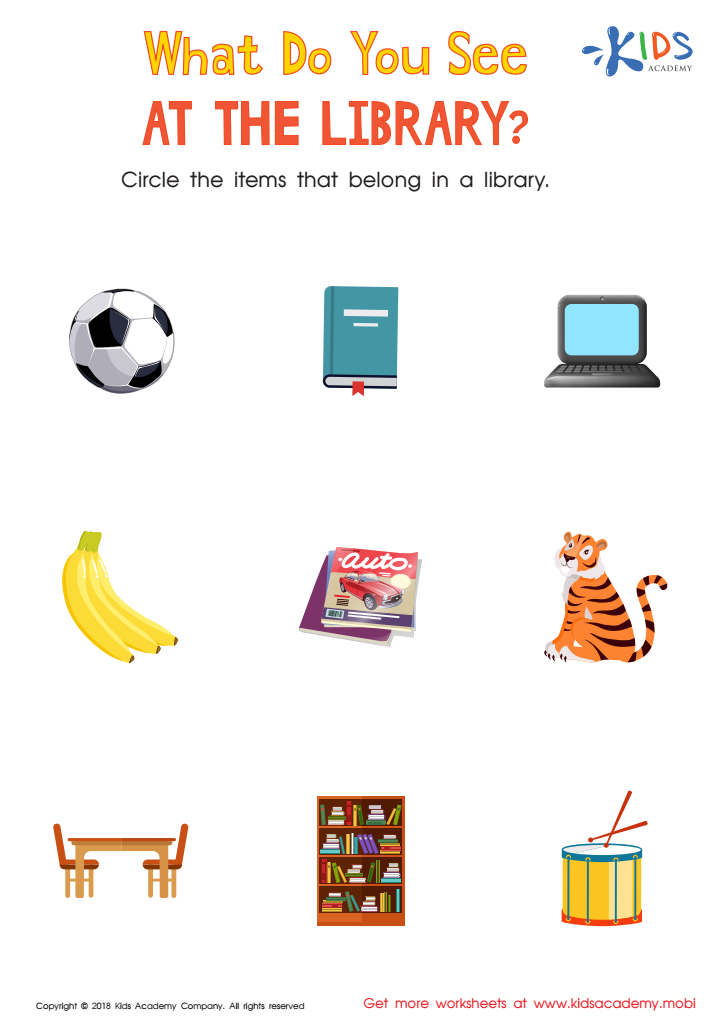
What Do you See at the Library? Worksheet
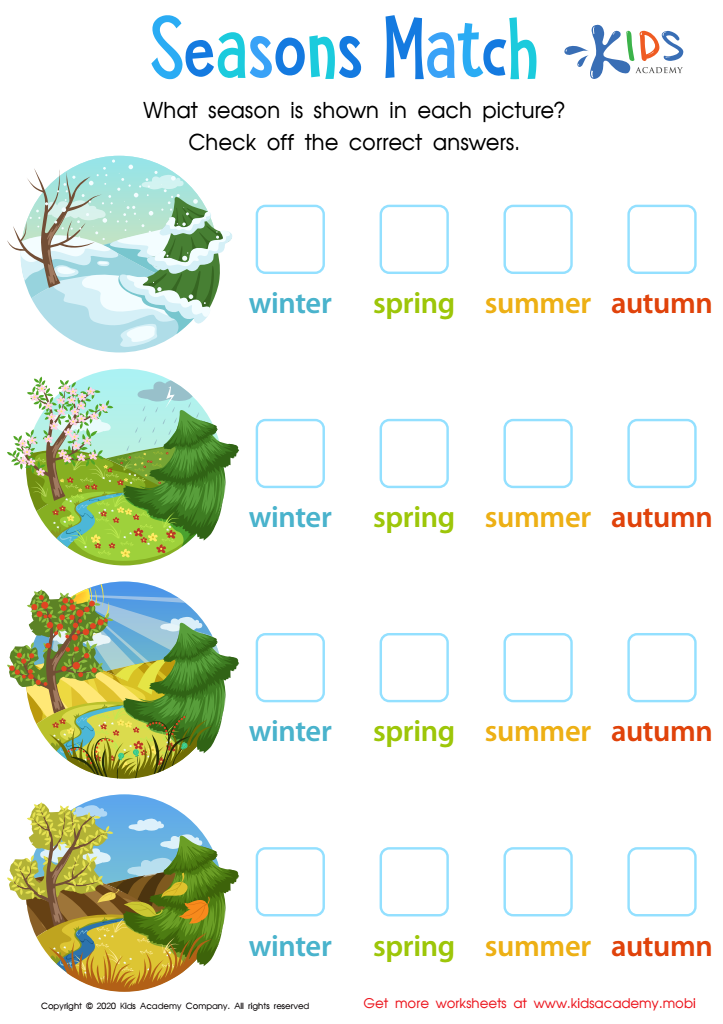
Seasons Match Worksheet
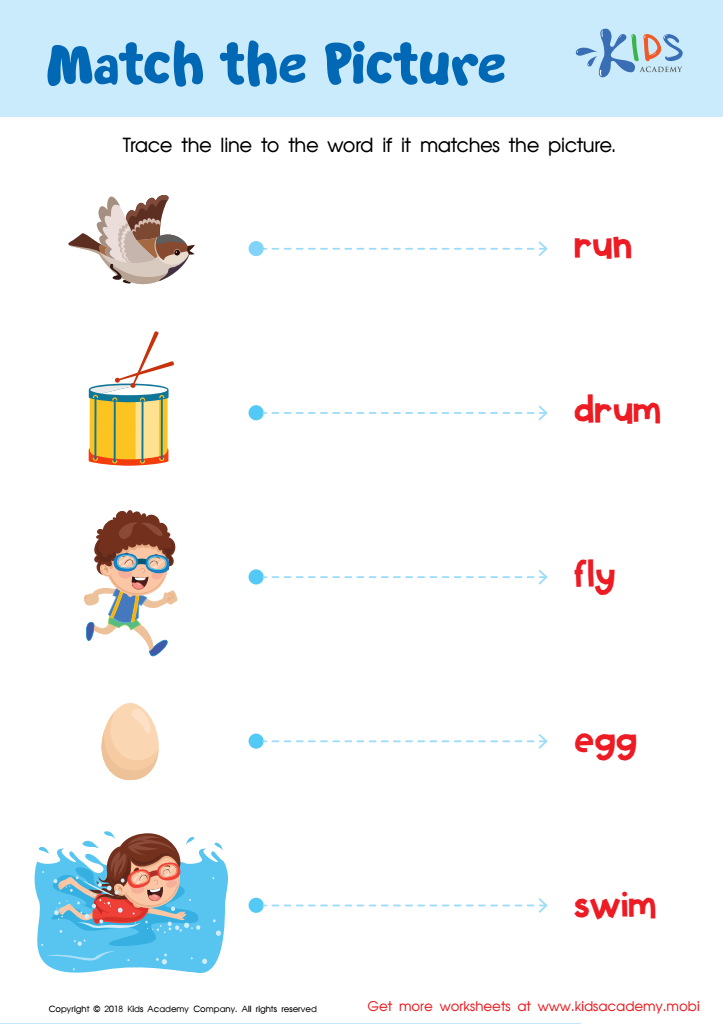
Match the Picture Worksheet
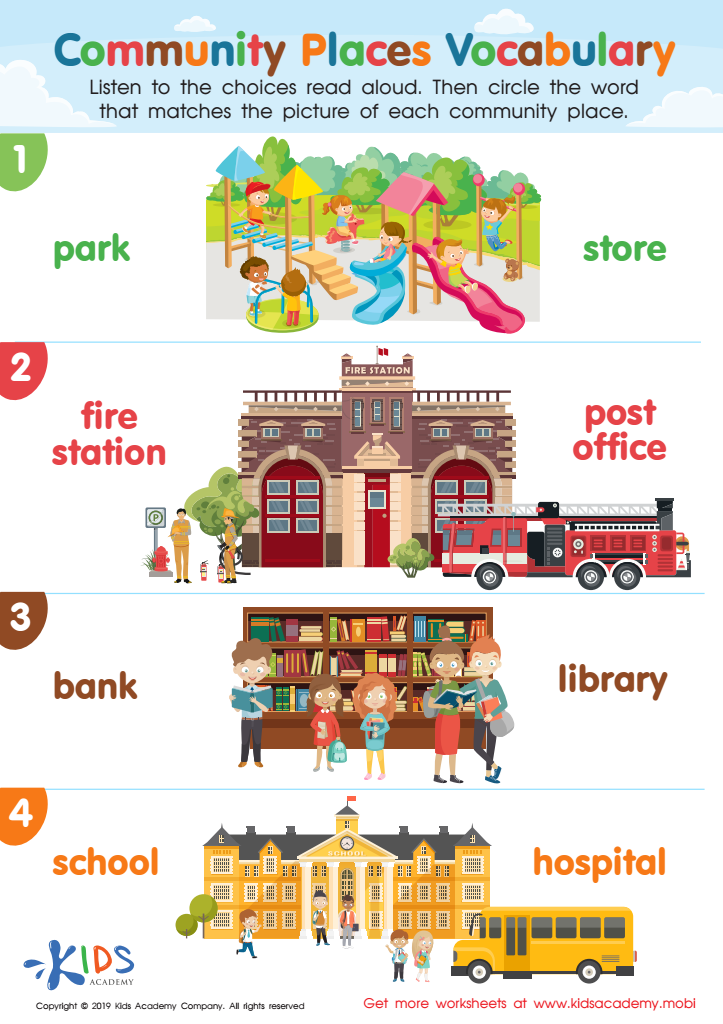
Community Places Vocabulary Worksheet







Visual recognition is a crucial skill for 6-year-olds as it forms the foundation for learning and development. At this age, children are actively exploring their environment and processing visual information, often through reading, writing, and social interactions. Parents and teachers should prioritize visual recognition because it impacts academic success, cognitive development, and emotional well-being.
Firstly, strong visual recognition skills enable children to identify letters, numbers, shapes, and colors, which are essential for literacy and numeracy. When children can recognize and differentiate these elements, they gain confidence in their ability to read and solve problems.
Furthermore, visual recognition fosters critical thinking as children learn to observe details, compare and contrast objects, and make connections. This ability not only aids academic performance but also enhances creativity and imagination through art and play.
Lastly, visual recognition plays a role in social interactions. Recognizing facial expressions and body language helps children navigate relationships and develop empathy. By supporting the development of visual recognition skills, parents and teachers are equipping children with essential tools to succeed academically and socially, laying the groundwork for lifelong learning. Thus, investing in this skill is vital for a well-rounded growth experience during formative years.








