Mathematical reasoning Addition Facts Worksheets for 6-Year-Olds
4 filtered results
-
From - To
Boost your child's mathematical reasoning with our engaging Addition Facts Worksheets designed for 6-year-olds! These worksheets offer a fun and stimulating way to help young learners master basic addition skills. With assorted exercises including visual aids, number lines, and interactive puzzles, kids can enhance their problem-solving abilities while becoming more confident in their math skills. Our resources target essential addition facts, allowing children to practice at their own pace, ensuring thorough understanding and retention. Perfect for home or classroom use, these worksheets foster a love for math learning while reinforcing foundational concepts for future success. Start your math adventure today!
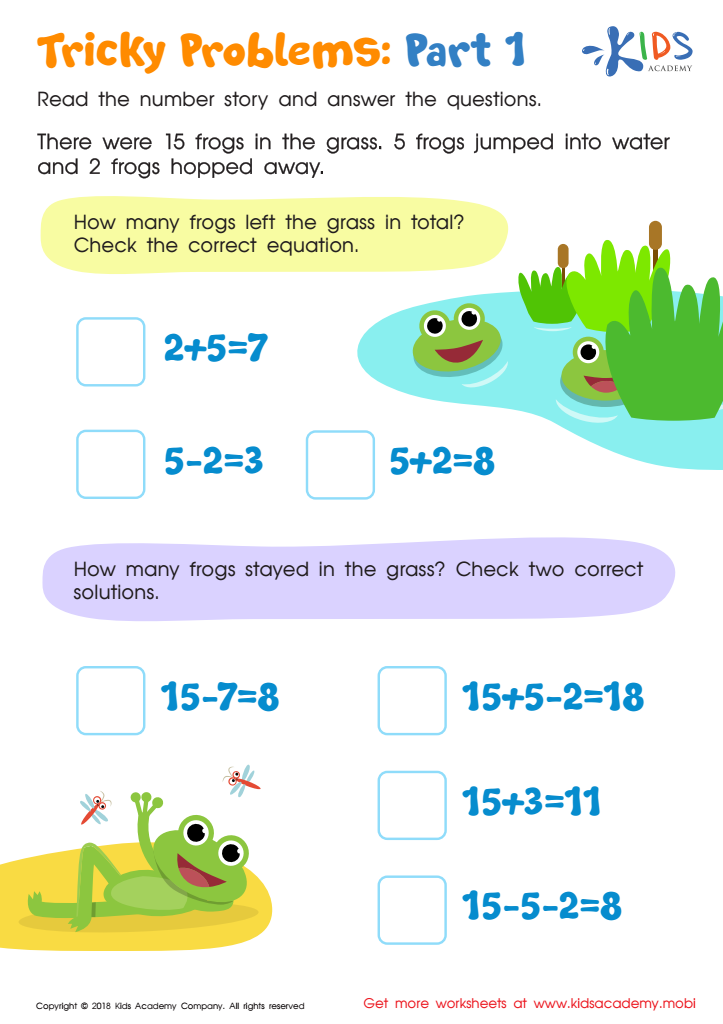
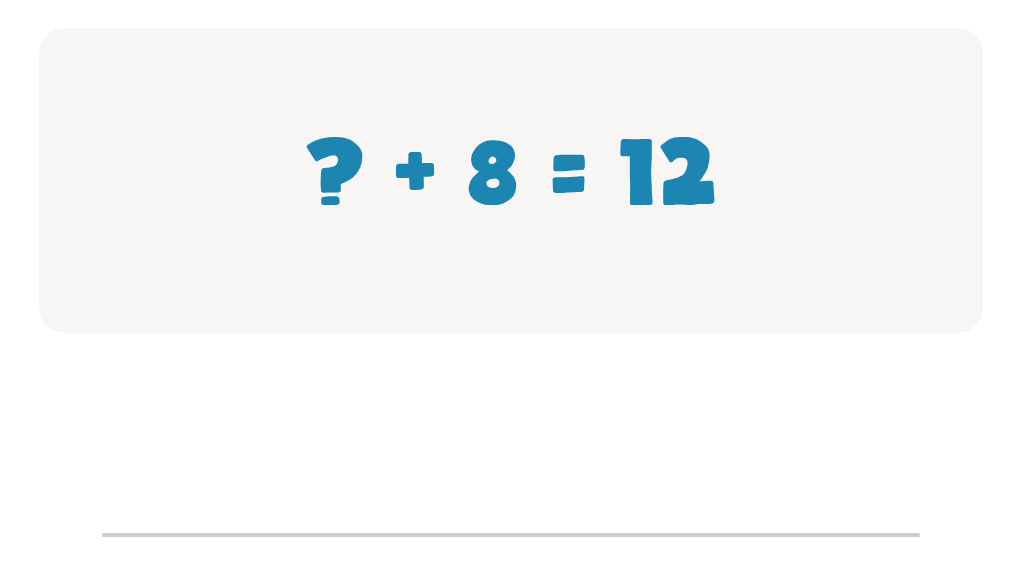
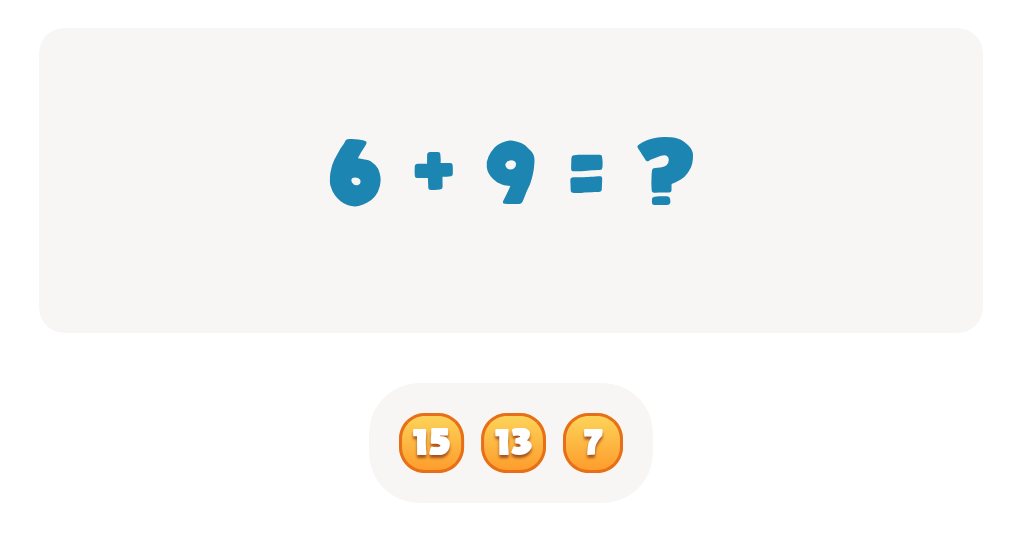
Tricky Problems Worksheet: Part 1
 Assign to My Students
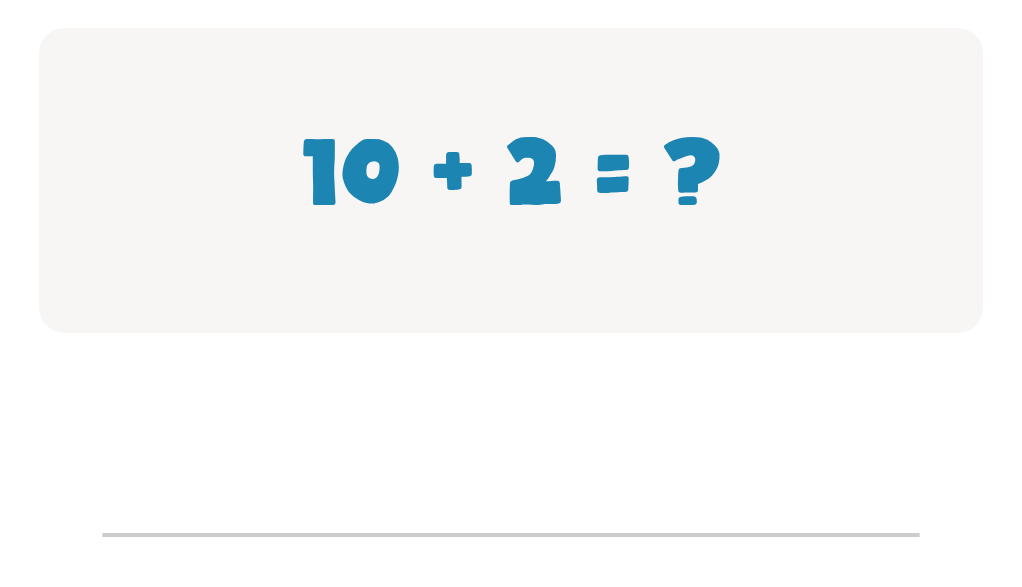

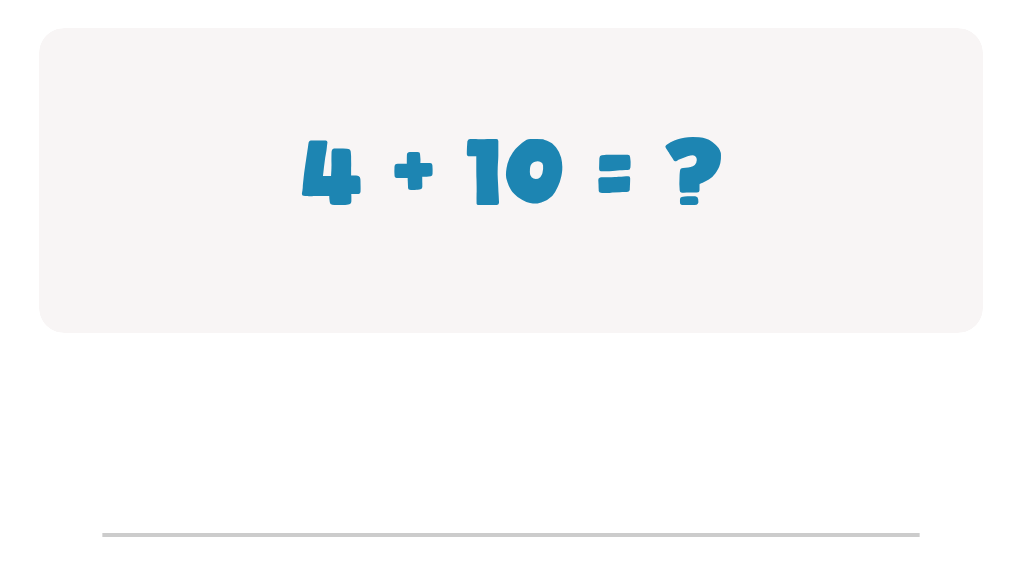
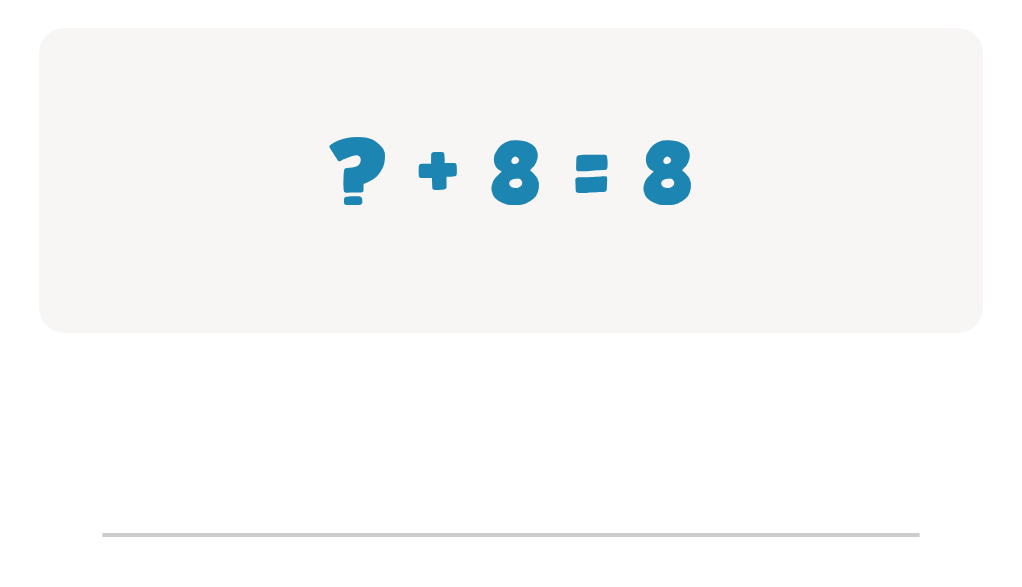

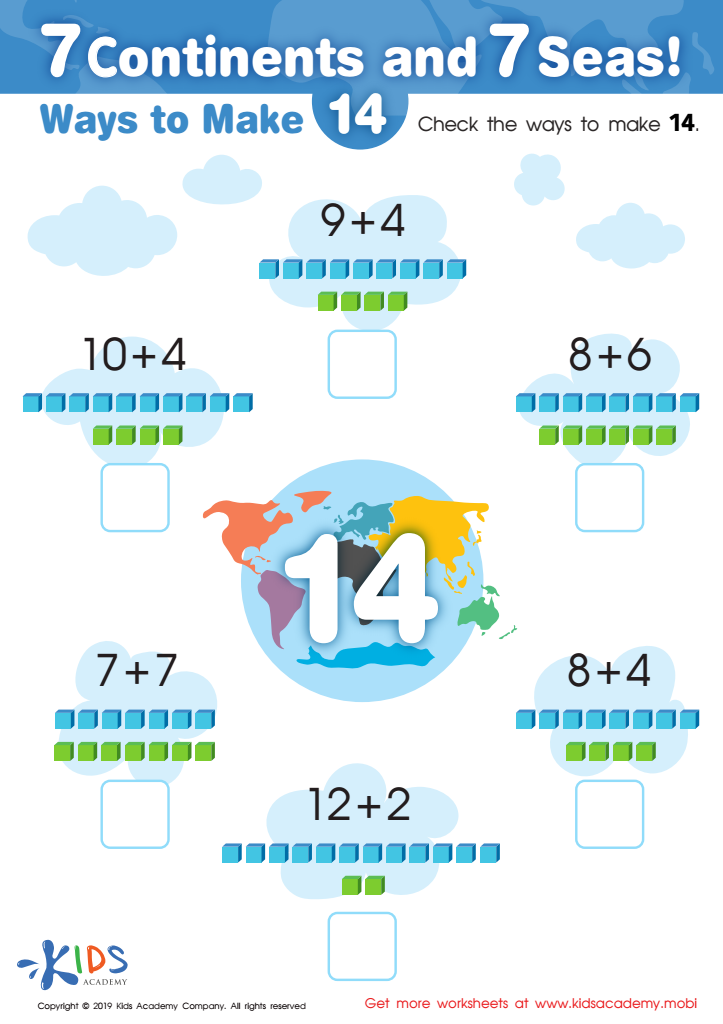
7 Continents and 7 Seas Worksheet
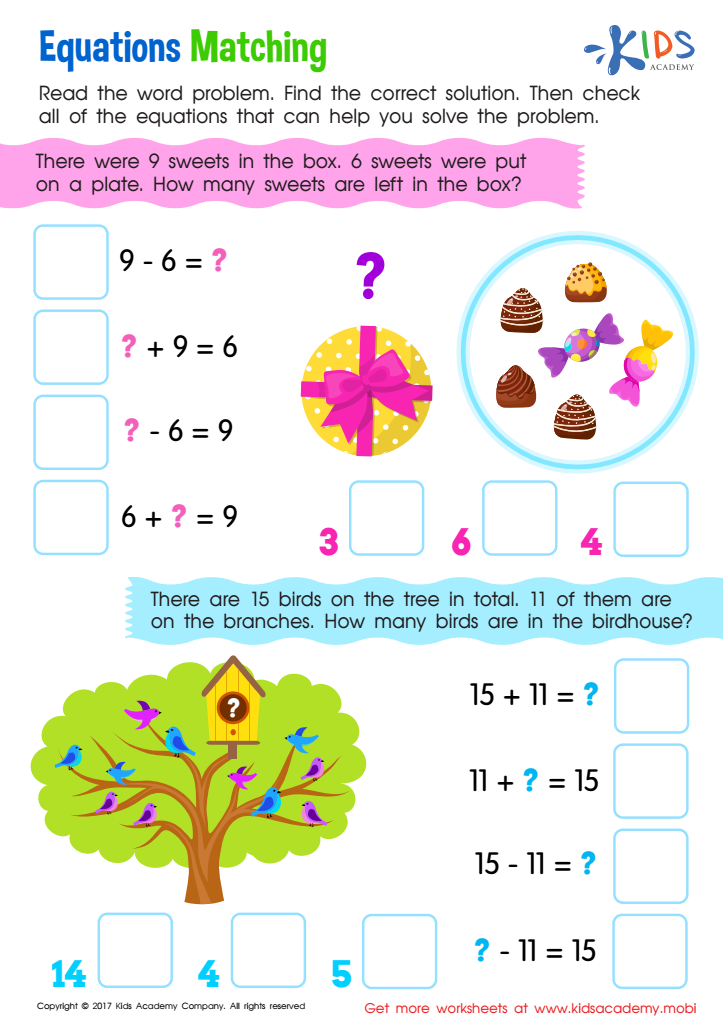
Equations Matching Word Problems Worksheet
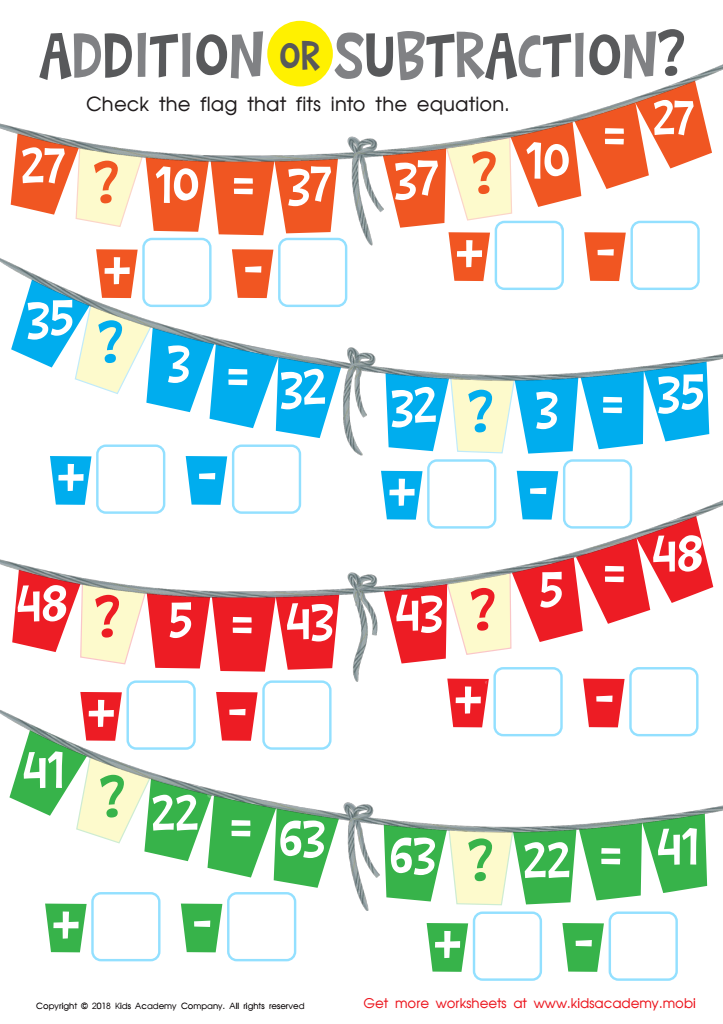
Addition or Subtraction? Worksheet








Understanding mathematical reasoning and addition facts is crucial for 6-year-olds as it lays the foundation for their future mathematical abilities. At this age, children are developing their cognitive skills and learning mathematical concepts through play, exploration, and experience. When parents and teachers emphasize addition facts, they help children build confidence and fluency in basic mathematics, which is essential for more complex concepts later on.
Mathematical reasoning involves critical thinking and problem-solving skills. When children learn to understand the "why" behind addition, rather than just memorizing facts, they become more adept at equations and can apply their knowledge to real-life situations. This enhances their ability to tackle challenges and encourages a positive attitude toward math, reducing anxiety in later stages.
Moreover, strong addition skills are vital in daily life, helping children understand things like currency, time, and social interactions. Parents and teachers can further support this learning through engaging activities and games, making math enjoyable and relatable. Consequently, fostering a solid grasp in these early years not only supports academic achievement but also fosters a lifelong appreciation for mathematics and its relevance in everyday life. Thus, prioritizing mathematical reasoning in addition significantly impacts a child's educational journey and future success.








